Ingredients
Explore all the little things that make our recipes tasty.
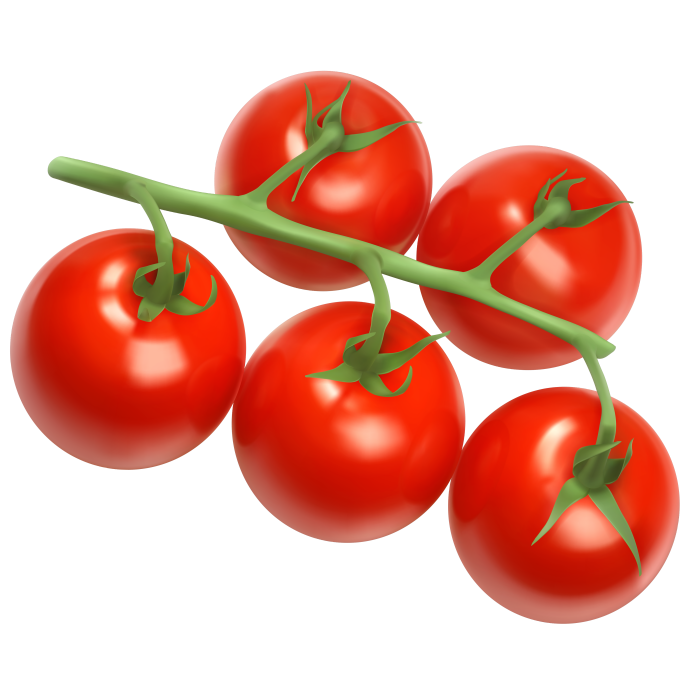
vine tomatoes
We don't have a description for this ingredient yet.
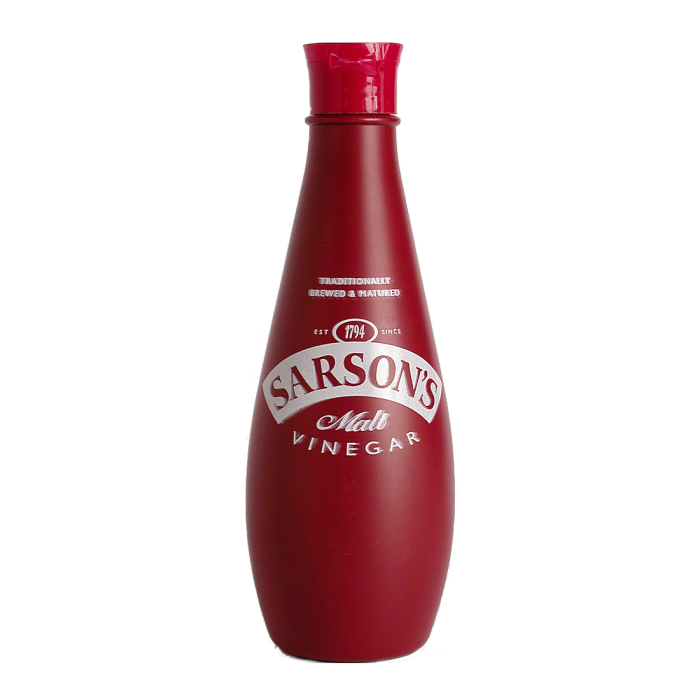
vinegar
We don't have a description for this ingredient yet.
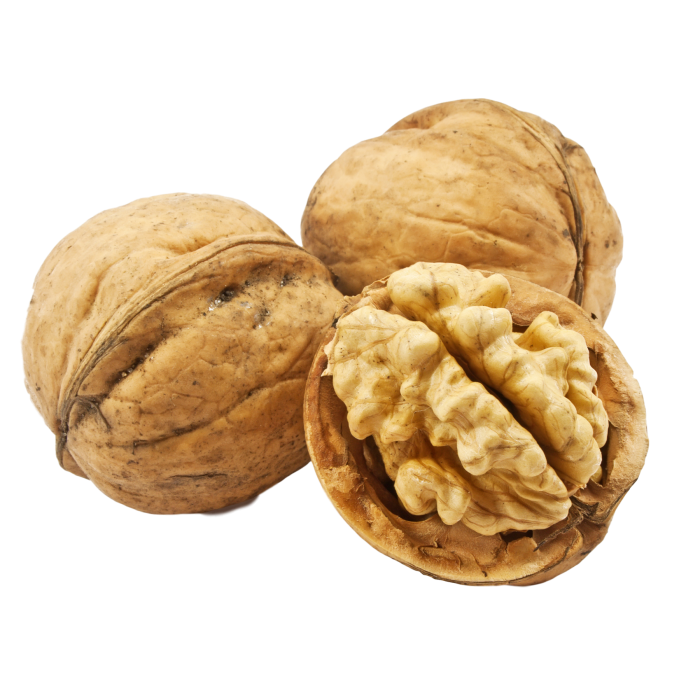
walnuts
We don't have a description for this ingredient yet.
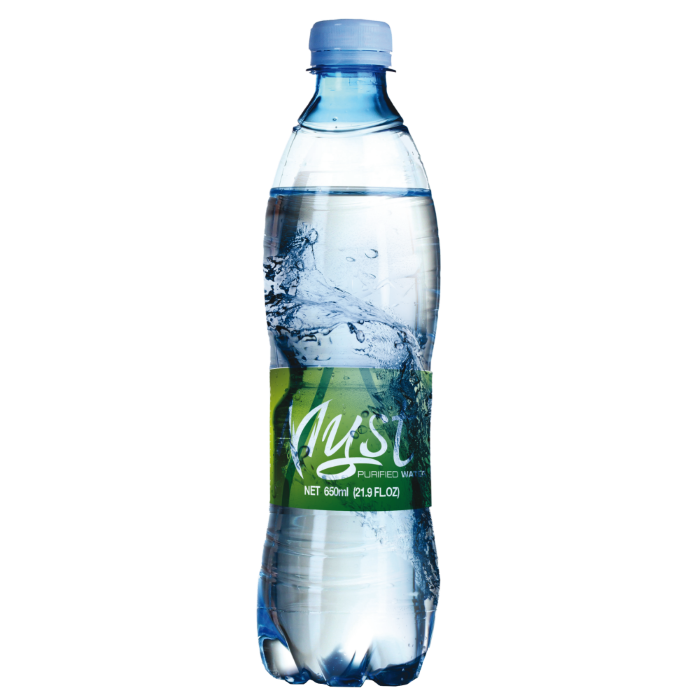
water
We don't have a description for this ingredient yet.
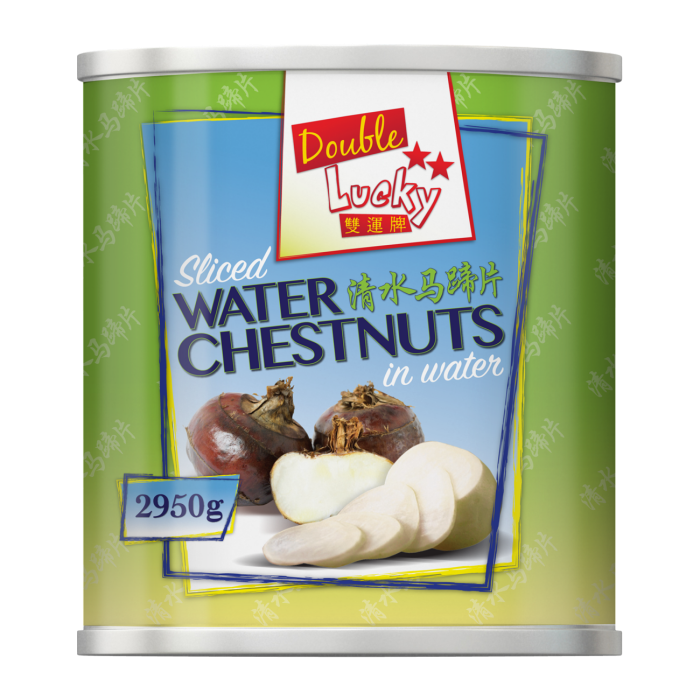
water chestnut
Sedge
Eleocharis dulcis, the Chinese water chestnut or water chestnut, is a grass-like sedge native to Asia (China, Japan, India, Philippines, etc.), Australia, tropical Africa, and various islands of the Pacific and Indian Oceans. It is grown in many countries for its edible corms. The water chestnut is not a nut at all, but an aquatic vegetable that grows in marshes, under water, in the mud. It has stem-like, tubular green leaves that grow to about 1.5 m. The water caltrop, which also is referred to by the same name, is unrelated and often confused with the water chestnut. The small, rounded corms have a crisp, white flesh and may be eaten raw, slightly boiled, or grilled, and often are pickled or tinned. They are a popular ingredient in Chinese dishes. In China, they are most often eaten raw, sometimes sweetened. They also may be ground into a flour form used for making water chestnut cake, which is common as part of dim sum cuisine. They are unusual among vegetables for remaining crisp even after being cooked or canned, because their cell walls are cross-linked and strengthened by certain phenolic compounds, such as oligomers of ferulic acid. This property is shared by other vegetables that remain crisp in this manner, including the tiger nut and lotus root. The corms contain the antibiotic agent puchiin, which is stable to high temperature. Apart from the edible corms, the leaves can be used for cattlefeed, mulch or compost. The corms are rich in carbohydrates (about 90% by dry weight), especially starch (about 60% by dry weight), and are also a good source of dietary fiber, riboflavin, vitamin B6, potassium, copper, and manganese. If eaten uncooked, the surface of the plants may transmit fasciolopsiasis.
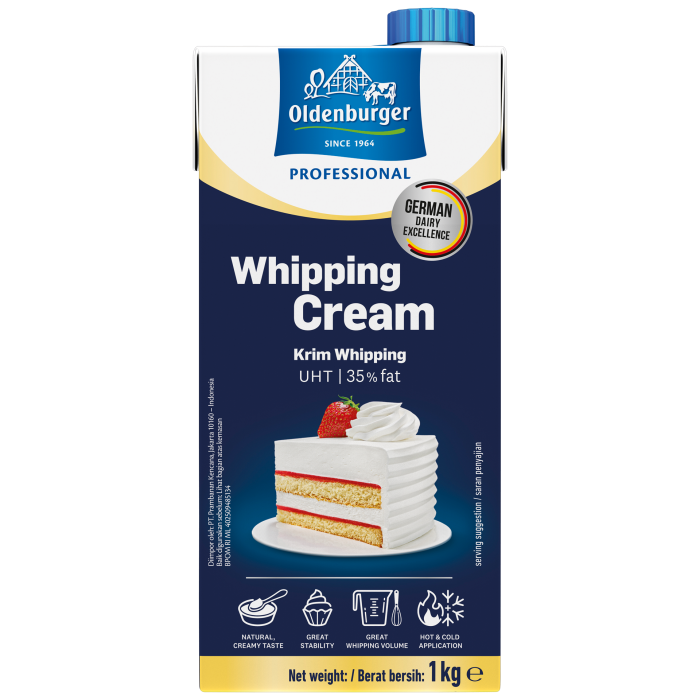
whipping cream
Dairy
Whipping cream is a dairy product with a milkfat content between (30%) and (36%), which makes it ideal for whipping into a light and airy topping. While it can be used for a variety of desserts, it's a slightly lighter option compared to heavy cream and holds its shape less firmly, deflating sooner. Composition: Whipping cream is made by mixing milk with milk fat to achieve a fat content between (30%) and (36%). This is slightly lower than heavy cream, which has a higher fat content and results in a thicker, richer consistency.Whipping: Its moderate fat content allows it to be whipped into a soft, fluffy texture, though it won't hold stiff peaks as well as heavy cream.Uses: It is commonly used as a lighter topping for desserts like pies, cakes, and fresh fruit, or as a light filling for pastries.Comparison to heavy cream: While you can use them interchangeably in some recipes, heavy cream produces a thicker result and holds its shape more reliably, making it better for things like frosting or thickening soups and sauces. Whipping cream is better suited for a lighter topping that you want to be airy.
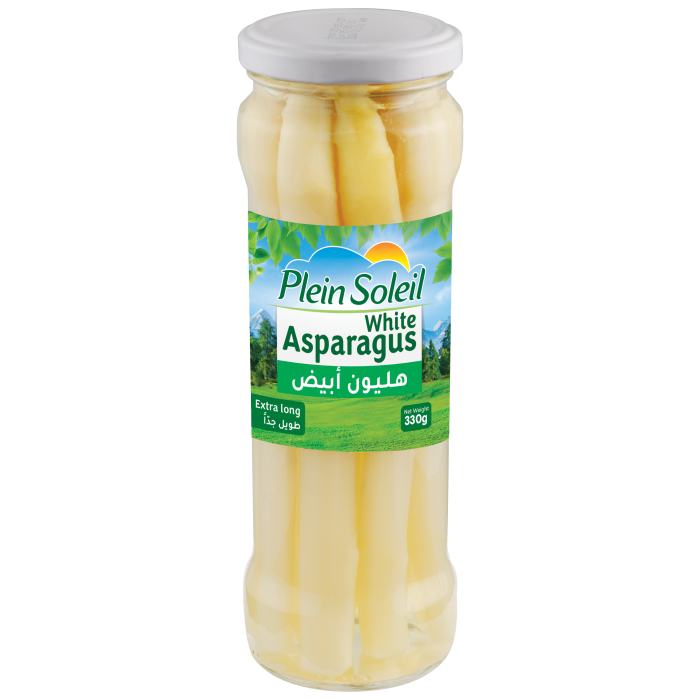
white asparagus
Root Vegetable
White asparagus is green asparagus that is grown underground or in the dark to prevent photosynthesis, which keeps it from developing chlorophyll and turning green. This process results in a milder, more delicate flavor and a tender texture, though its thicker spears have a slightly tougher outer layer that is often peeled before cooking. It is a seasonal delicacy in Europe, especially in Germany where it is highly prized and celebrated. Growing process Blocks sunlight: White asparagus is grown in mounds of soil, a process called "hilling," which keeps the spears in darkness. No photosynthesis: Depriving the plant of sunlight prevents it from producing chlorophyll, the pigment that makes plants green. Harvesting: Spears are harvested early in the morning when the tips just begin to emerge from the soil. Characteristics Flavor: It has a milder, more delicate, and less bitter flavor compared to green asparagus, with some nutty or herbaceous notes. Texture: The spears are often thicker and have a tougher outer skin that needs to be peeled before cooking. Appearance: The spears are a creamy, pale white color. Season and popularity Season: The season is short, typically running from mid-April to early June. Popularity: It is particularly popular and celebrated in Europe, with Germany famously having "Spargelzeit" (white asparagus season) and associated festivals.
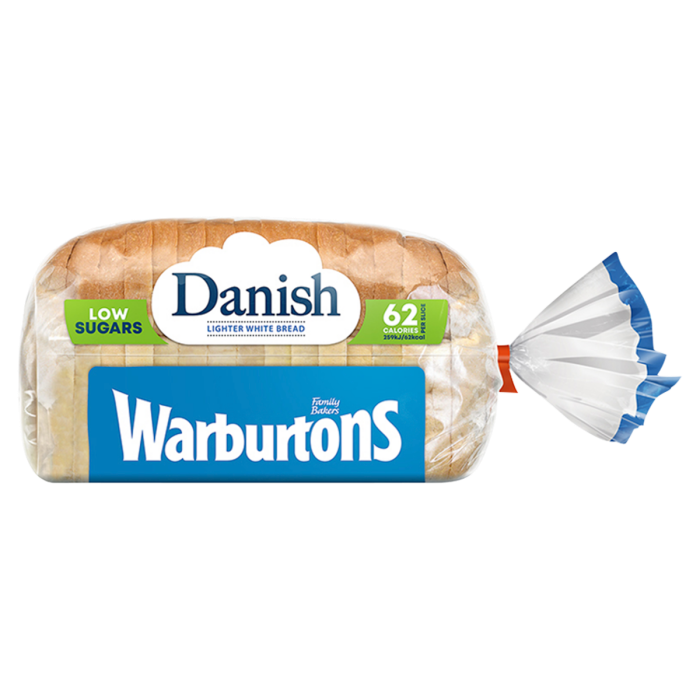
white bread
Bread
White bread is a soft, light-colored bread made from refined wheat flour, which has had the bran and germ removed. This refining process, which leaves only the starchy endosperm, results in a bread that is popular for its soft texture but is lower in fiber and nutrients compared to whole wheat bread. Ingredients: White bread is typically made from wheat flour, water, salt, and yeast. The flour is "refined" by removing the outer bran and inner germ layers. Processing: The removal of the bran and germ, which contain most of the fiber, vitamins, and minerals, gives white bread its characteristic light color and soft texture. Nutritional differences: This refining process means white bread retains less natural fiber, vitamins, and minerals than whole wheat bread, which is made from the entire wheat grain. Some nutrients may be added back through enrichment, but it still lacks the fiber of whole grain options. Uses: Its soft texture makes it a popular choice for sandwiches and toast.
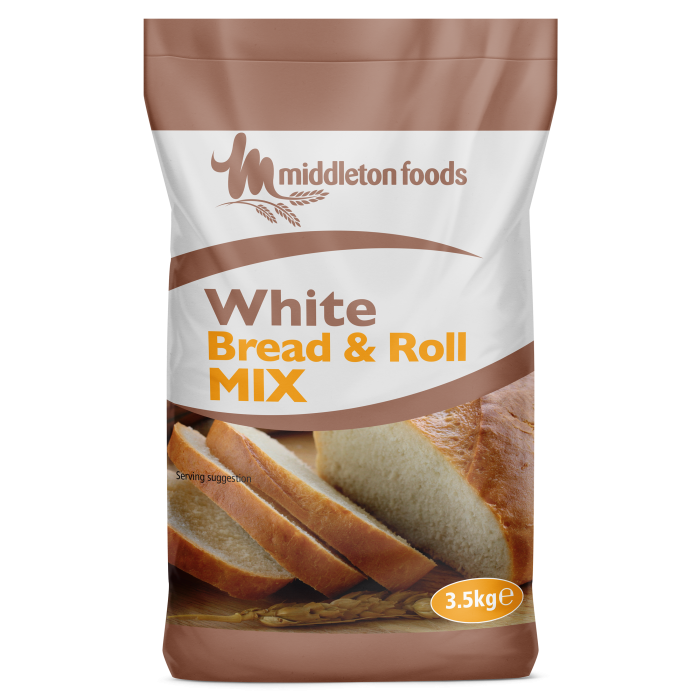
white bread mix
Bread
White bread mix is a pre-packaged dry ingredient blend containing flour, yeast, salt, and often sugar, designed to simplify the process of making white bread. Users only need to add liquid, and sometimes fat, before mixing, kneading, and baking to create a loaf of bread or rolls. What it is A pre-made mix for making white bread at home, suitable for both beginners and experienced bakers. It includes the key dry ingredients, so you don't have to measure them individually, and often contains other additives to improve the texture and rise. Common ingredients Wheat flour: The main ingredient, often fortified with iron, niacin, and thiamin. Dried yeast: The leavening agent that makes the bread rise. Salt: For flavor and dough structure. Sugar: To feed the yeast and add a touch of sweetness. Other possible additives: Depending on the brand, it may also include ingredients like chickpea flour, rapeseed oil, dextrose, or ascorbic acid (a flour treatment agent). How to use Add liquid: Gradually add water (and sometimes melted butter or oil) to the mix to form a dough. Knead: Knead the dough until it is smooth and elastic. Proof (first rise): Place the dough in a bowl, cover it, and let it rise in a warm place until it has doubled in size. Shape and prove (second rise): Knock the dough back, shape it into a loaf, and let it rise again in the pan or on a baking sheet. Bake: Bake according to the package instructions until the loaf is golden brown and sounds hollow when tapped on the bottom.
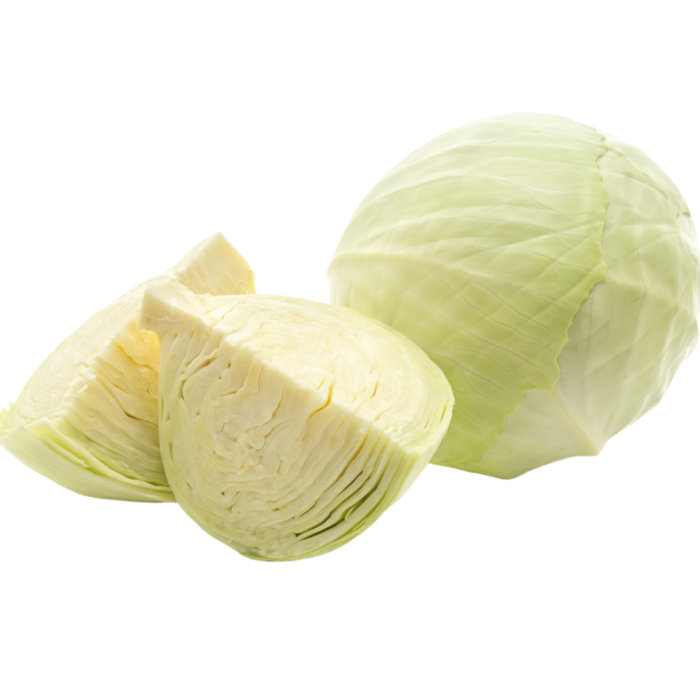
white cabbage
Root Vegetable
White cabbage is a round, dense vegetable with pale green to white leaves, known for its mild and slightly sweet flavor. It is a versatile ingredient used raw in salads like coleslaw for a crunchy texture, or cooked to become tender and milder. It is also very nutritious, offering a good source of vitamins K and C, fiber, and various minerals. Characteristics Appearance: A compact, round head with tightly packed, pale-green or white leaves. Flavor: Mild and slightly peppery when raw, becoming sweeter and milder when cooked. Texture: Firm and crunchy when fresh, but tenderizes upon cooking. Nutritional content: A good source of vitamins K and C, dietary fiber, manganese, and B vitamins. Culinary uses Raw: Ideal for salads, particularly the classic coleslaw, where its crispness is a key feature. Cooked: Can be braised, sautéed, roasted, or stewed. It pairs well with meats, and other vegetables, and can be incorporated into soups or other dishes. Preparation: To prepare, discard the tough outer leaves, cut into quarters, and then chop or shred as needed for your recipe. Health benefits Anti-inflammatory properties: Contains powerful antioxidants. Digestive health: Its fiber content helps regulate digestion. Bone health: A good source of calcium and vitamin K. Blood pressure: Can help lower blood pressure by removing excess sodium from the body. Antioxidant protection: The antioxidants in cabbage may help protect against certain diseases.
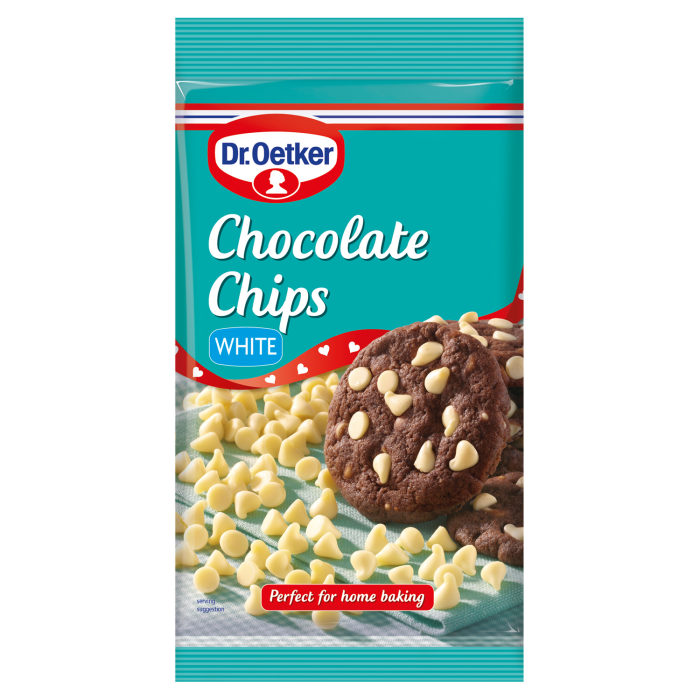
white chocolate
We don't have a description for this ingredient yet.
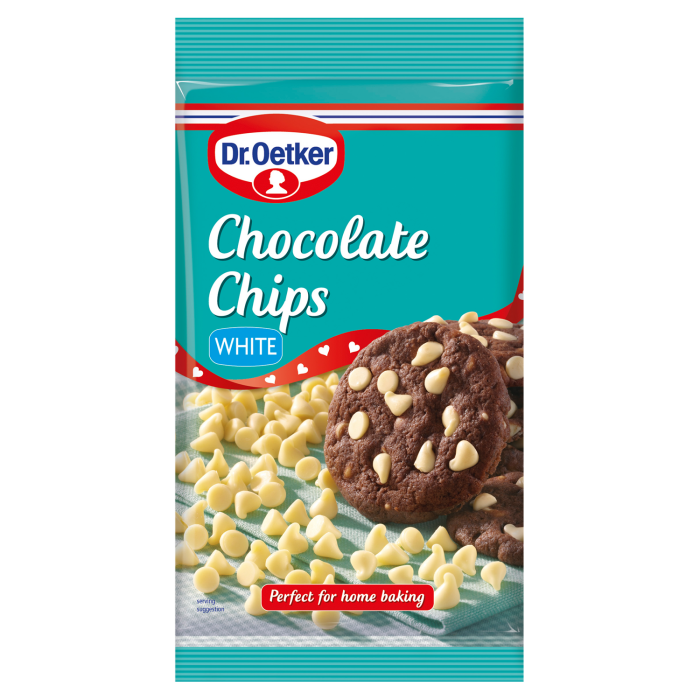
white chocolate chips
We don't have a description for this ingredient yet.
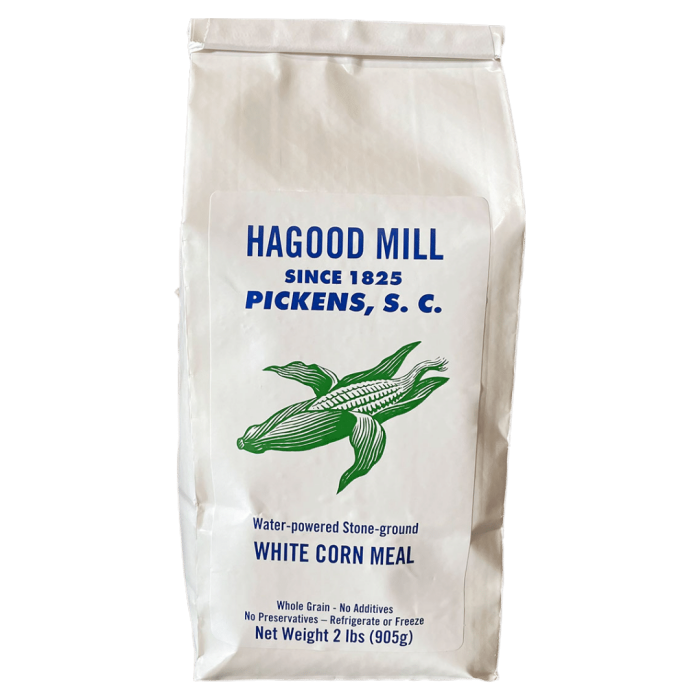
white cornmeal
Grain
. White cornmeal is a coarse flour made from dried white corn kernels, and its main uses include making dishes like cornbread, muffins, and polenta. Unlike yellow cornmeal, it has a milder, more subtle flavor and is often preferred for savory dishes, though it can be used in sweet recipes as well. Usage examples Baked goods: Ideal for Southern-style cornbread, corn muffins, and corn sticks, where its mild flavor allows other ingredients to stand out. It can also be used in desserts like pound cake for an earthier taste. Thickening agent: Use it to thicken soups, chili, or gravies. Breading and coating: Acts as a coating for fried or baked foods, providing a crispy texture. Latin American cuisine: It is a key ingredient in dishes like arepas, tamales, and some types of tortillas, especially when pre-cooked (masarepa or masa harina). Porridge: A popular base for porridge, such as Jamaican cornmeal porridge, where it is often cooked with milk and spices. Characteristics Flavor: Has a subtle, delicate flavor compared to the more robust taste of yellow cornmeal. Texture: Varies from a coarse meal to a finer flour, depending on how it's ground. Nutritional value: Retains the nutritional benefits of the whole kernel, including fiber, as it's made from the entire grain. Color: The color comes from the white maize kernels it is made from.
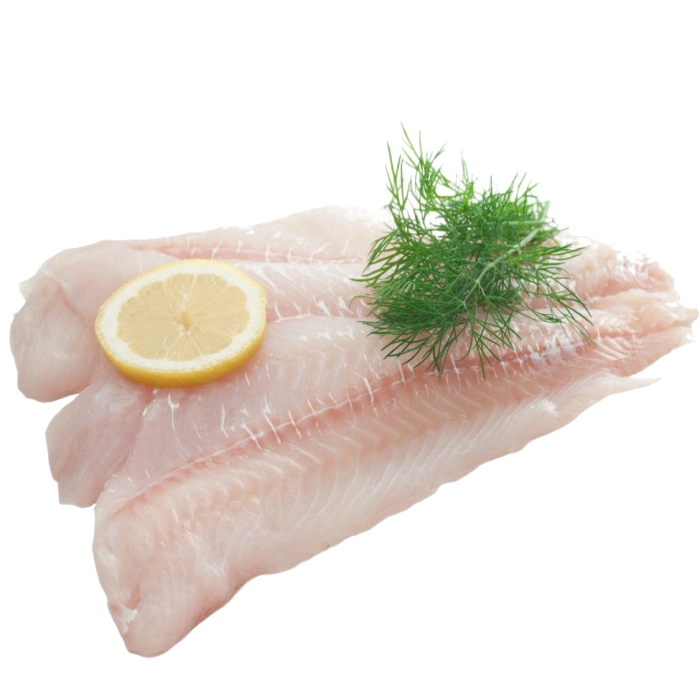
white fish
We don't have a description for this ingredient yet.
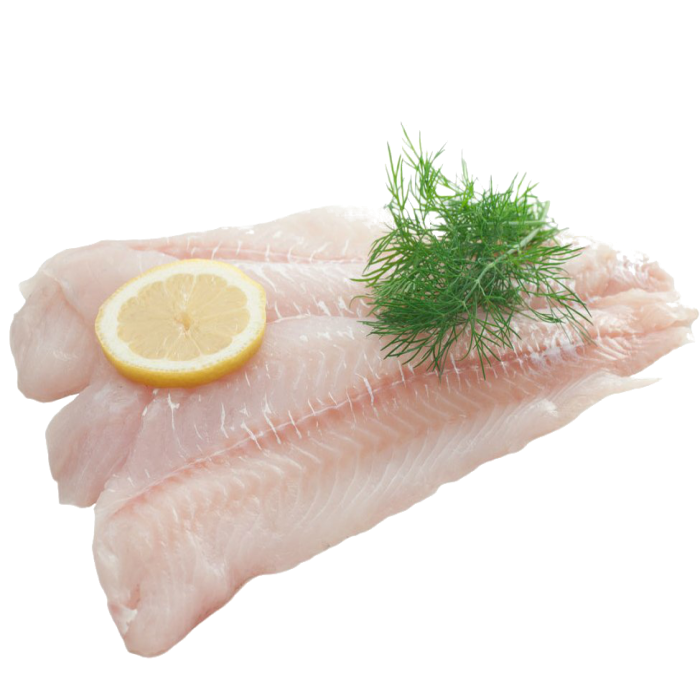
white fish fillets
We don't have a description for this ingredient yet.
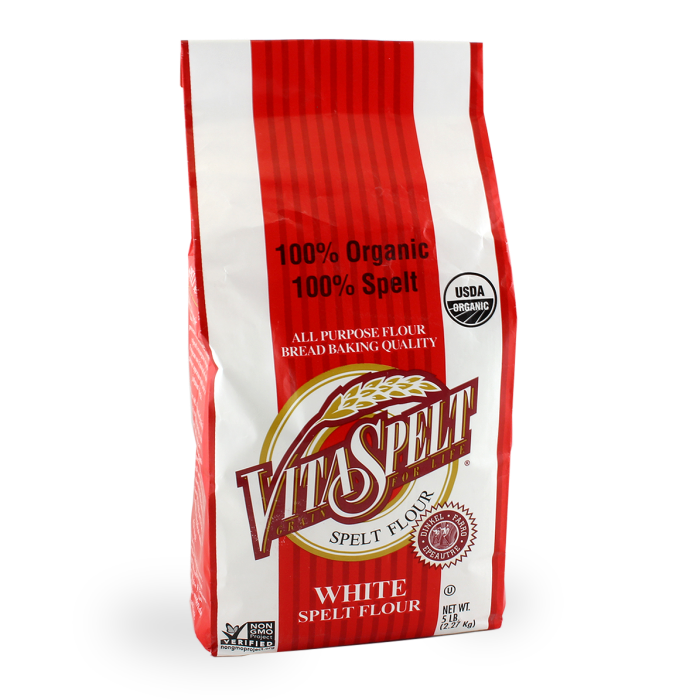
white flour
We don't have a description for this ingredient yet.
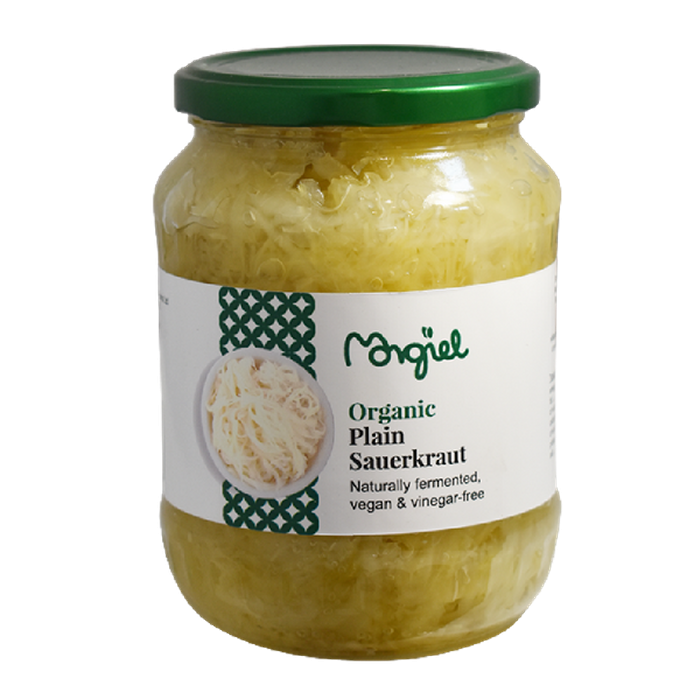
white sauerkraut
Root Vegetable
"White sauerkraut" is simply a descriptive term for the most common type of sauerkraut, which is made from fermented shredded white cabbage. It is a traditional German dish that gets its tangy, sour flavor from lactic acid bacteria converting the sugars in the cabbage.
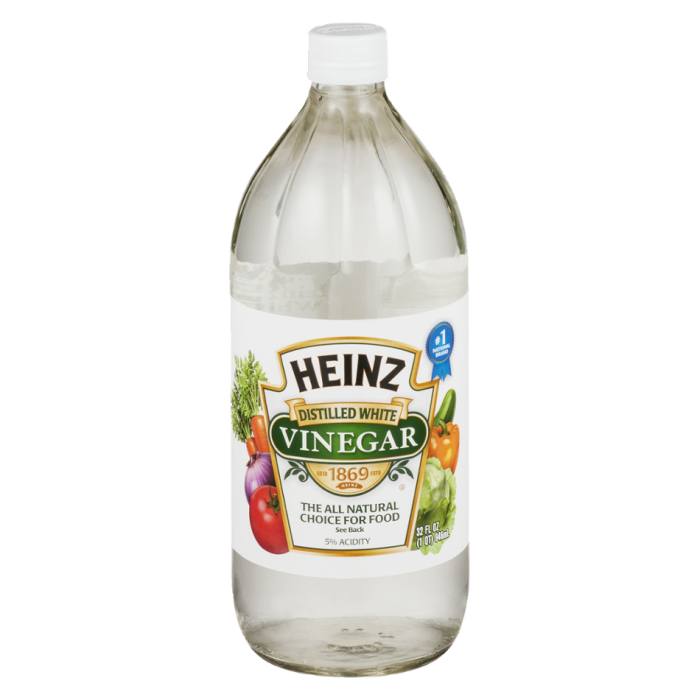
white vinegar
We don't have a description for this ingredient yet.
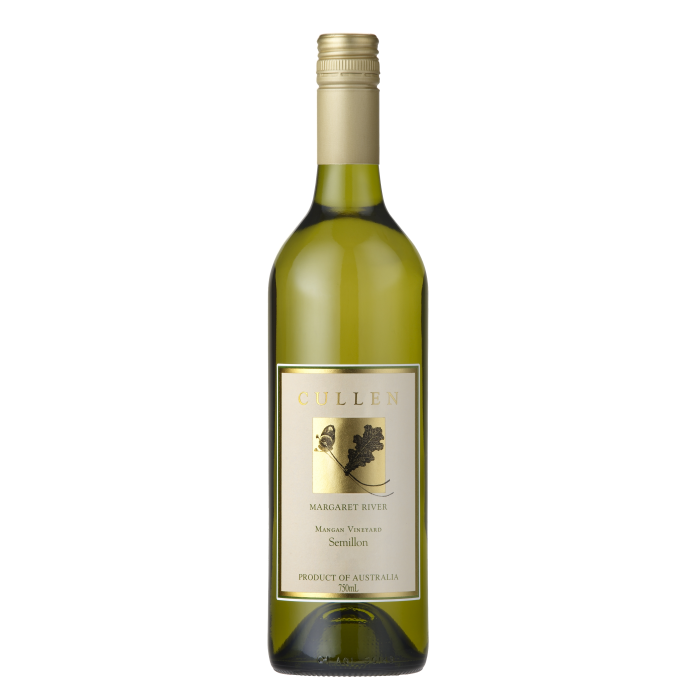
white wine
We don't have a description for this ingredient yet.
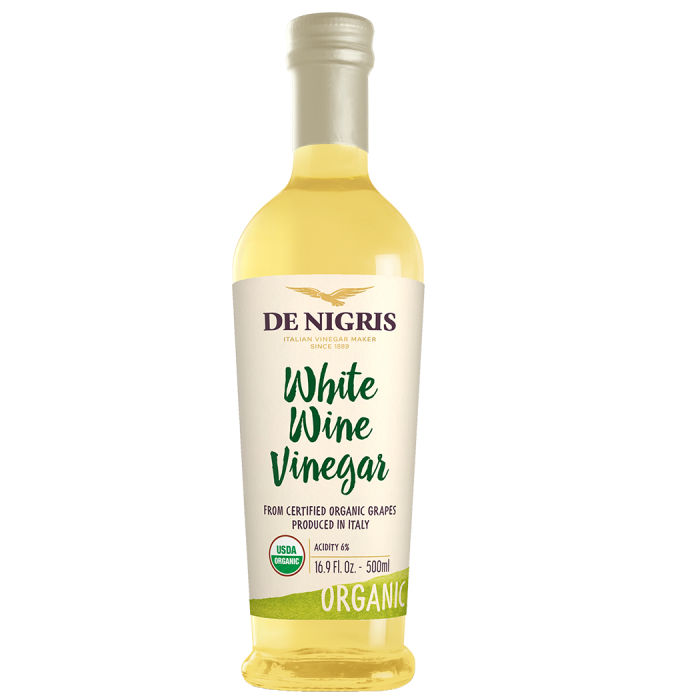
white wine vinegar
Dressing
Wine vinegar is made from red or white wine, and is the most commonly used vinegar in Southern and Central Europe, Cyprus and Israel. As with wine, there is a considerable range in quality. Better-quality wine vinegars are matured in wood for up to two years, and exhibit a complex, mellow flavor. Wine vinegar tends to have a lower acidity than white or cider vinegars. More expensive wine vinegars are made from individual varieties of wine, such as champagne, sherry, or pinot gris.
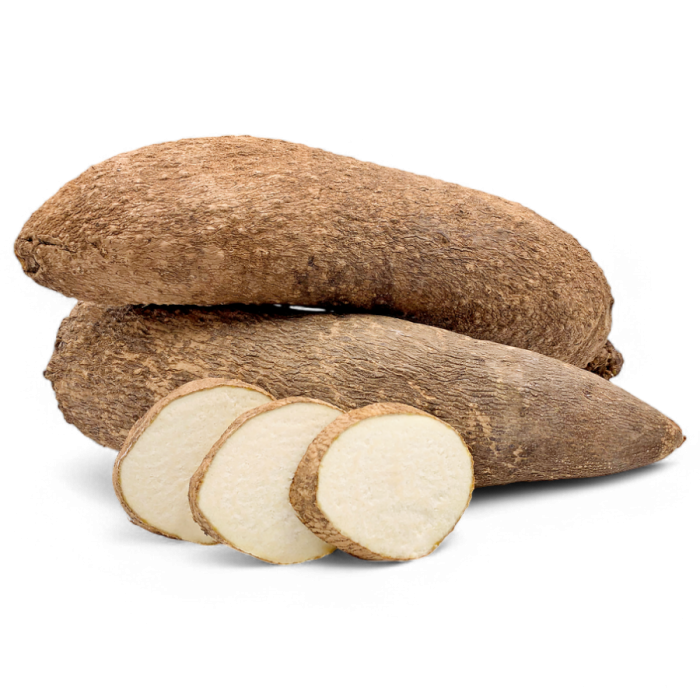
white yam
Root Vegetable
Sweet Potatoes vs Yams: What's the Difference?White yam is a starchy, white-fleshed root vegetable, scientifically known as Dioscorea cayenensis subsp. rotundata, that is a staple food in many parts of Africa, Asia, and the Caribbean. It has a mild, earthy flavor and a dense texture, making it ideal for savory dishes where it can absorb spices, though it is also versatile enough for roasting, mashing, and frying. Characteristics Appearance: Has a brown, rough skin and a firm, starchy white flesh. Flavor and texture: Mild, earthy, and starchy, with a dense texture that is less sweet than a sweet potato. Nutritional profile: A good source of fiber, vitamins, and minerals, and also contains diosgenin. Culinary uses Boiling: Boil until tender and serve with curries or stews, or use to make pounded yam. Roasting: Cube and roast with olive oil and seasonings. Mashing: Mash with butter or other fats for a hearty side dish. Frying: Slice thinly and fry into crispy chips. Soups and stews: Add cubes to soups or stews to add body and flavor. Other facts White yams are distinct from sweet potatoes, although the term "white yam" is sometimes used to describe certain varieties of white-fleshed sweet potatoes. The scientific name for African white yam is Dioscorea cayenensis subsp. rotundata.

whole black peppercorns
Seasoning
Whole black peppercorns are the dried, unripe berries of the Piper nigrum plant, known for their strong, pungent flavor and aromatic spiciness. They can be used whole in dishes like soups and stews to impart a milder, slower-release heat, or they can be ground for a more intense flavor in rubs, spice blends, and finishing a variety of savory and sweet dishes. Characteristics and uses Source: The berries of the tropical climbing vine, Piper nigrum, are harvested while still green and then sun-dried, causing the outer skin to shrivel and darken. Flavor: They have a strong, pungent taste and a fresh, woody aroma that adds depth to food. Whole peppercorns: Provide a mild, slow-release heat when used in liquids like broths, marinades, and pickling solutions. Are ideal for infusing flavor into stews, sauces, and casseroles. Ground peppercorns: Release a more intense flavor, making them ideal for spice blends, rubs, and as a final seasoning. Can be ground with a grinder or a pestle and mortar for the freshest taste. Versatility: They are a staple in many cuisines and are used to season everything from meats and vegetables to baked goods and cocktails.
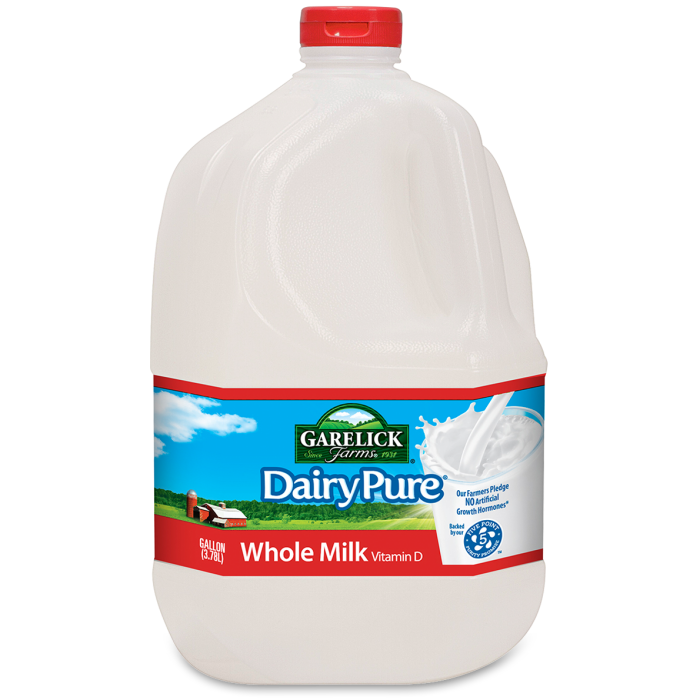
whole milk
We don't have a description for this ingredient yet.
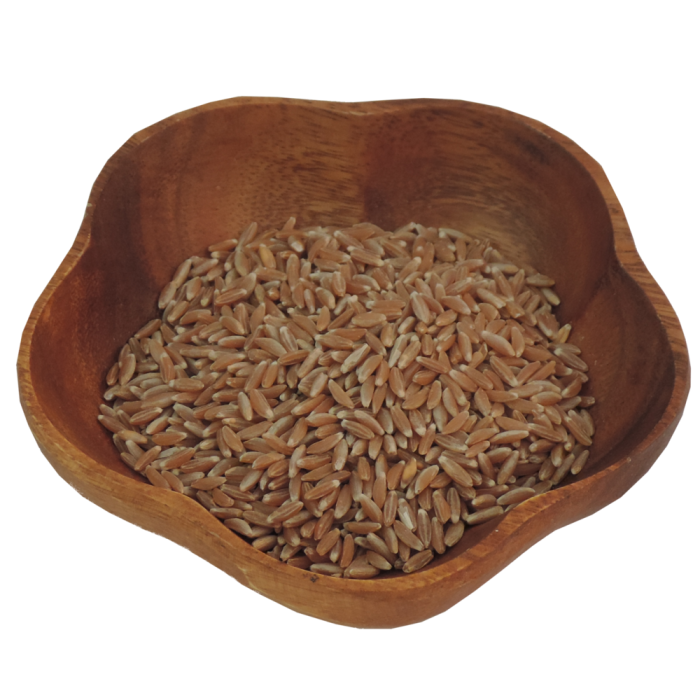
whole wheat
We don't have a description for this ingredient yet.