Ingredients
Explore all the little things that make our recipes tasty.
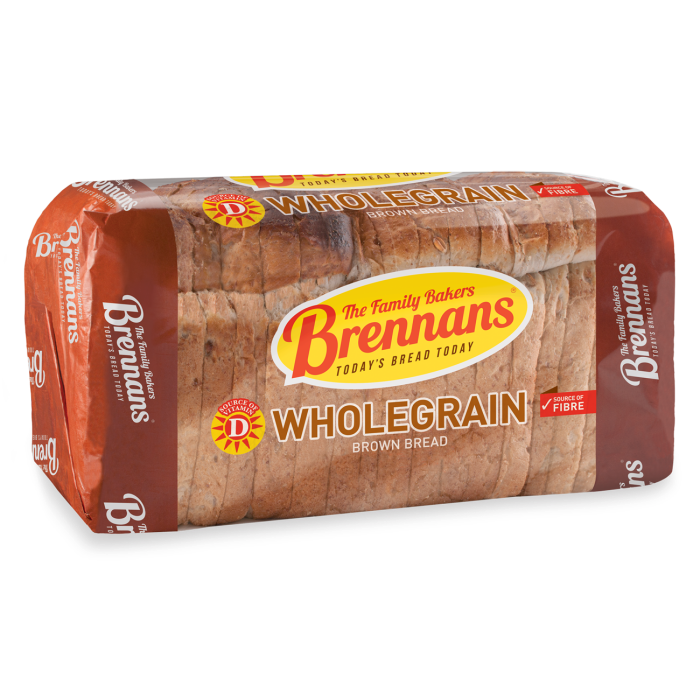
wholegrain bread
We don't have a description for this ingredient yet.
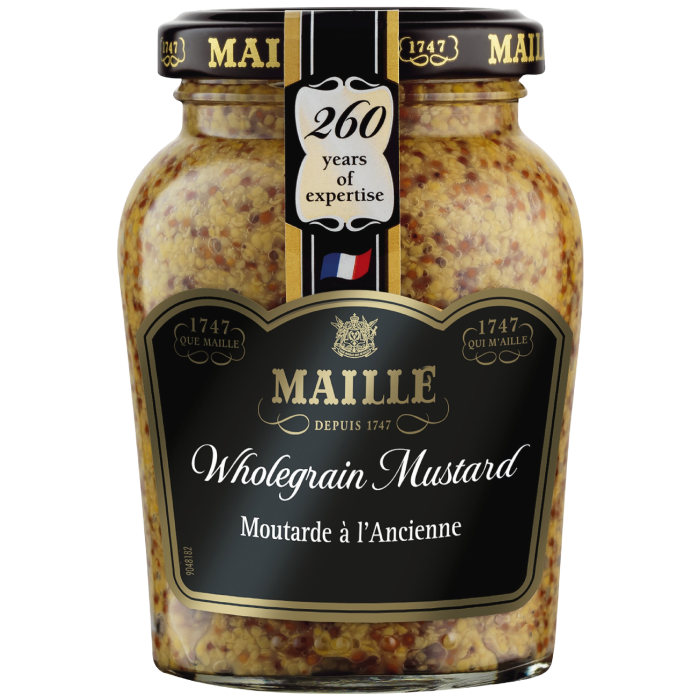
wholegrain mustard
Dressing
Wholegrain mustard is a condiment made from whole, unground mustard seeds, giving it a coarse texture and a robust, tangy flavor. Unlike smooth mustards, it retains the seeds, which provides a pleasant crunch and a more pronounced "bite". It is versatile, used as a table condiment, in sandwiches, marinades, sauces, and salad dressings. Key characteristics Texture: Retains the whole seeds, creating a grainy and textured product. Flavor: Robust, tangy, and slightly spicy, with a distinct mustard flavor profile. Ingredients: Typically made with whole mustard seeds blended with vinegar (like cider or white wine), water, and salt. Versatility: A very versatile ingredient that works well in many dishes. Common uses As a condiment: Perfect for serving with roasted meats, sausages, and charcuterie. In sandwiches: Adds a flavorful and crunchy element to sandwiches. In sauces: A great way to add depth and texture to cheese sauces or other hot sauces. In marinades and dressings: Whisked into vinaigrettes for a tangy kick or used in marinades for meats.
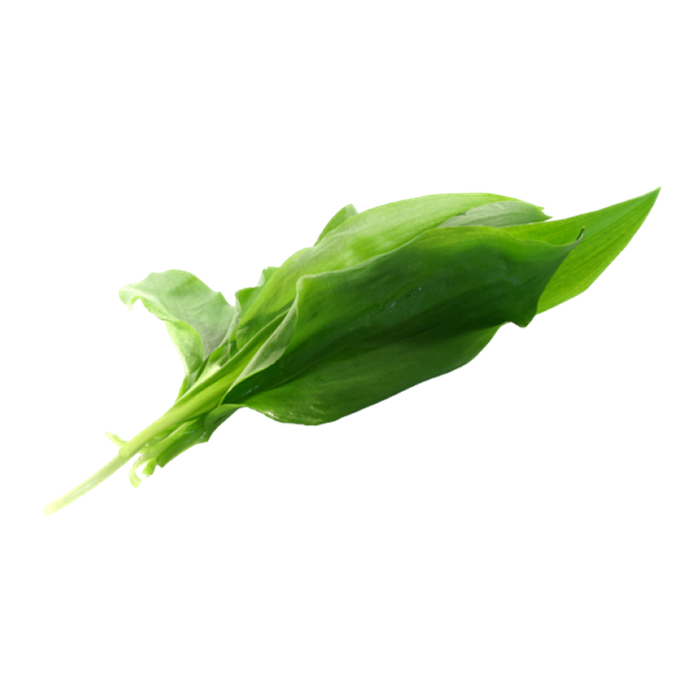
wild garlic leaves
Seasoning
Wild garlic leaves are the long, elliptical, bright green leaves of the Allium ursinum plant, also known as ramsons or wood garlic. They have a distinct, pungent garlic smell when crushed and are a popular edible plant used in cooking, similar to regular garlic or herbs like parsley. Description and identification Shape: Long, pointed, and elliptical with a smooth edge. Color: Bright to grey-green. Texture: Smooth and slightly rubbery. Smell: A strong, fresh garlic scent is released when the leaves are crushed or torn. Growth: They grow from a single central stem, often in large clumps, especially in damp woodlands. Flowers: White, star-shaped flowers that bloom in clusters on the stem in spring. Culinary uses Raw: The raw leaves can be used in salads, but they can have an intense flavor. Cooked: They are often lightly stir-fried, used in soups, or added to dishes like stir-fries or stews, where their flavor mellows to a sweet onion taste. Substitutes: They can be used as a substitute for garlic or other herbs like parsley in recipes like pesto, though some recommend keeping some of the original herbs to balance the flavor. Important considerations Confusion with other plants: It is crucial to be absolutely certain of identification, as wild garlic leaves can be confused with the poisonous leaves of Lily of the Valley or Arum, which lack the distinctive garlic smell. Smell as a guide: The most reliable way to confirm identification is to crush a leaf and smell it. The strong garlic odor will be undeniable.
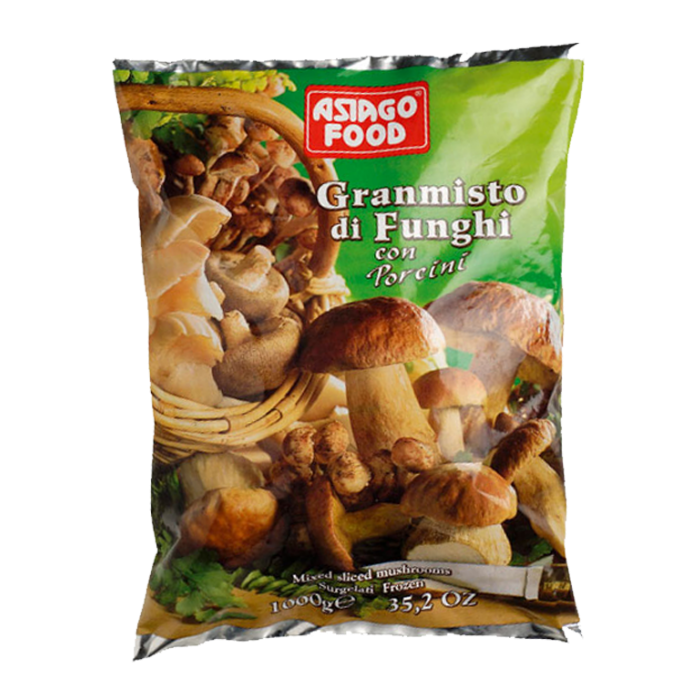
wild mushrooms
We don't have a description for this ingredient yet.
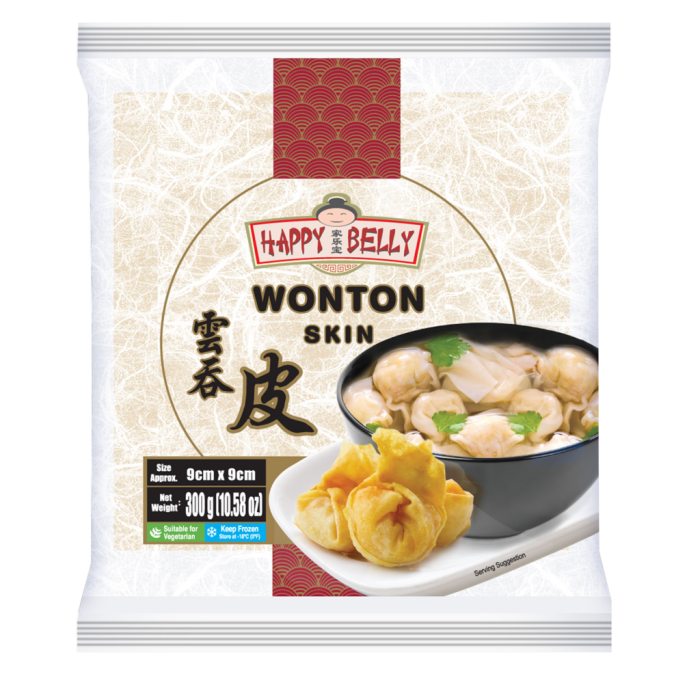
wonton skin
Pastry
Won ton skin. Paper-thin squares of dough made from flour, water, eggs and salt used to make won tons, egg rolls and gyoza.
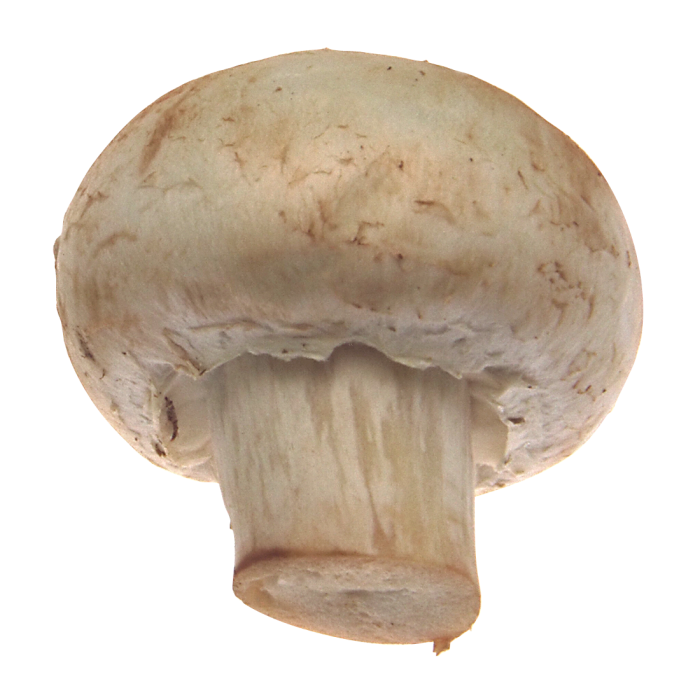
wood ear mushrooms
Vegetable
Auricularia auricula-judae, known as the Jew's ear, wood ear, jelly ear or by a number of other common names, is a species of edible Auriculariales fungus found worldwide. The fruiting body is distinguished by its noticeably ear-like shape and brown colouration; it grows upon wood, especially elder. Its specific epithet is derived from the belief that Judas Iscariot hanged himself from an elder tree; the common name "Judas's ear" was largely eclipsed by the corruption "Jew's ear", while today "jelly ear" and other names are sometimes used. The fungus can be found throughout the year in temperate regions worldwide, where it grows upon both dead and living wood. In the West, A. auricula-judae was used in folk medicine as recently as the 19th century for complaints including sore throats, sore eyes and jaundice, and as an astringent. Although it is not widely consumed in the West, it has long been popular in China, to the extent that Australia exported large volumes to China in the early twentieth century. Today, the fungus is a popular ingredient in many Chinese dishes, such as hot and sour soup, and also used in Chinese medicine. It is also used in Ghana, as a blood tonic. Modern research into possible medical applications has variously concluded that A. auricula-judae has antitumour, hypoglycemic, anticoagulant and cholesterol-lowering properties.
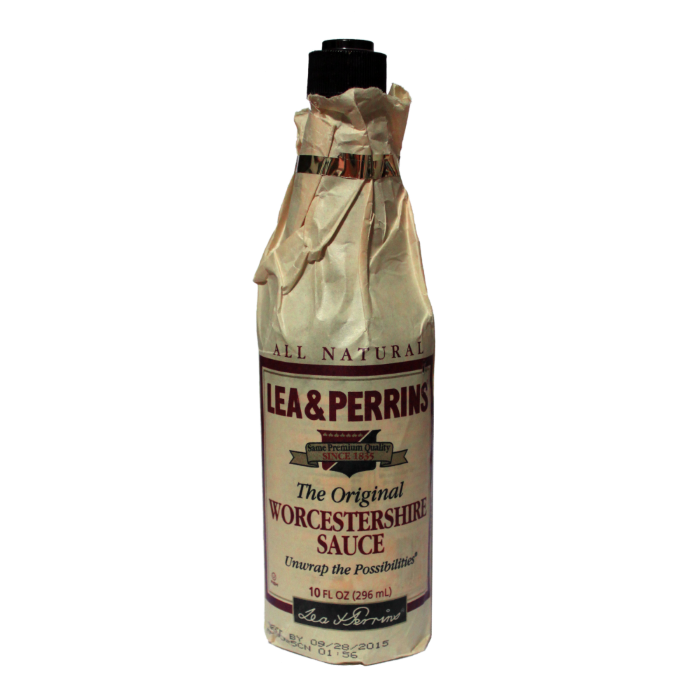
worcestershire sauce
We don't have a description for this ingredient yet.
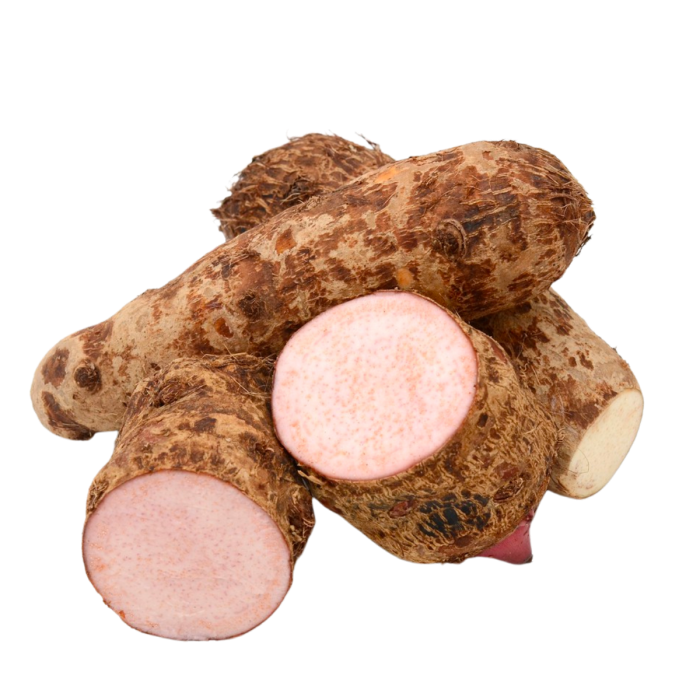
yautia
Root Vegetable
Yautia is a starchy, edible root vegetable, also known as malanga or cocoyam, that is popular in Caribbean, South American, and African cuisine. It has a rough, hairy, brown skin and crisp white or pinkish flesh with a nutty, earthy flavor. It is prepared by boiling, frying, or stewing and can be mashed or ground into a flour or paste for other dishes. Characteristics Appearance: Has a bumpy, shaggy, brown skin and flesh that can be white, yellow, or purplish. Texture: The raw flesh is crisp but becomes slippery and starchy when cooked. Flavor: Nutty and earthy with a consistency that is slightly waxy when cooked. Culinary uses Soups and stews: Often used in dishes like sancocho and mondongo. Mashed: Can be prepared as a mashed side dish, called yautía majada. Ground: Used to make dough-like pastes for dishes like pasteles or ground into flour. Fried: Made into croquettes, like alcapurrias. Leaves: The young leaves can be cooked like other leafy greens, such as in the Jamaican dish callaloo.
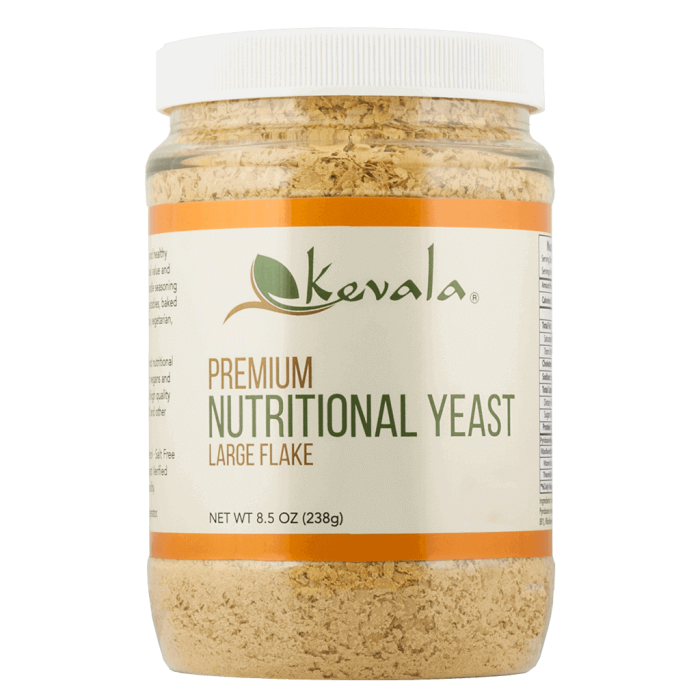
yeast
We don't have a description for this ingredient yet.
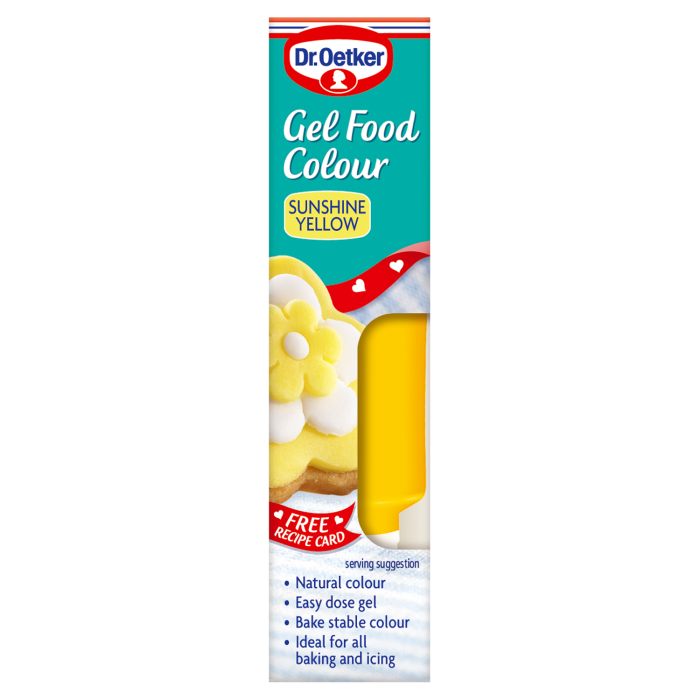
yellow food colouring
We don't have a description for this ingredient yet.
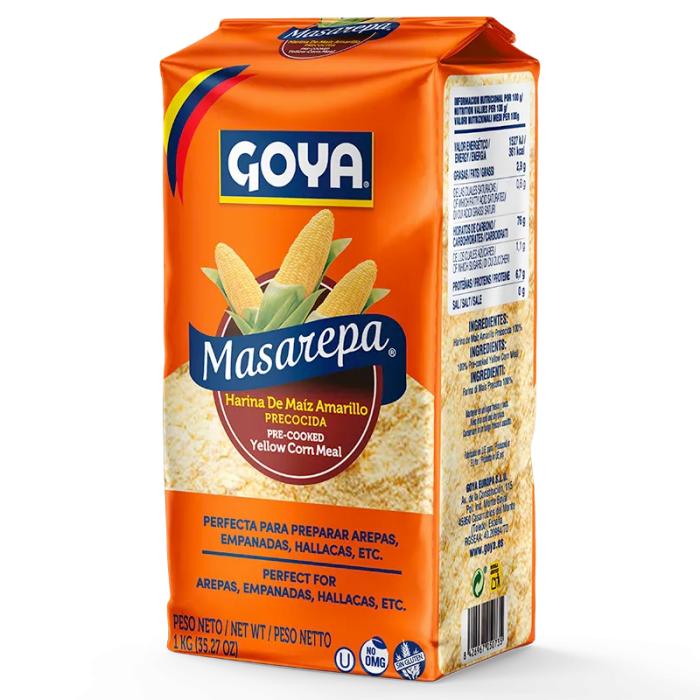
yellow masarepa
Grain
Yellow masarepa is a pre-cooked, finely ground yellow corn flour, primarily used as the key ingredient in traditional dishes from Venezuelan and Colombian cuisine, such as arepas, tortas, and empanadas. It is gluten-free and is a good source of certain B vitamins, like thiamine and niacin. Key characteristics: It is made from pure, selected yellow corn and is pre-cooked, making it easy to prepare. Primary use: Its main function is as the essential base for making arepas, which are a type of flatbread or patty. Other uses: It is also used for other dishes like tortas, breads, and empanadas. Nutritional profile: It is fat-free and gluten-free, and it provides energy and is a source of vitamins B1 and B3 (thiamine and niacin) and folate.
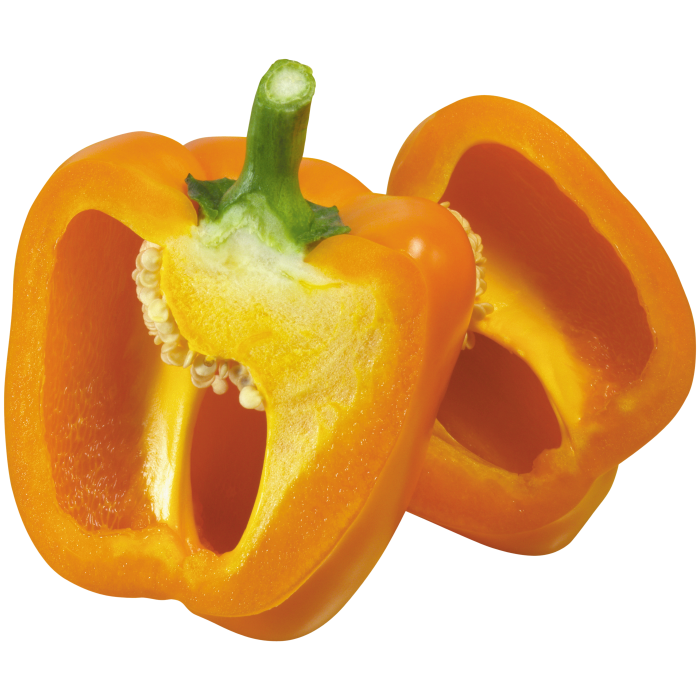
yellow pepper
We don't have a description for this ingredient yet.
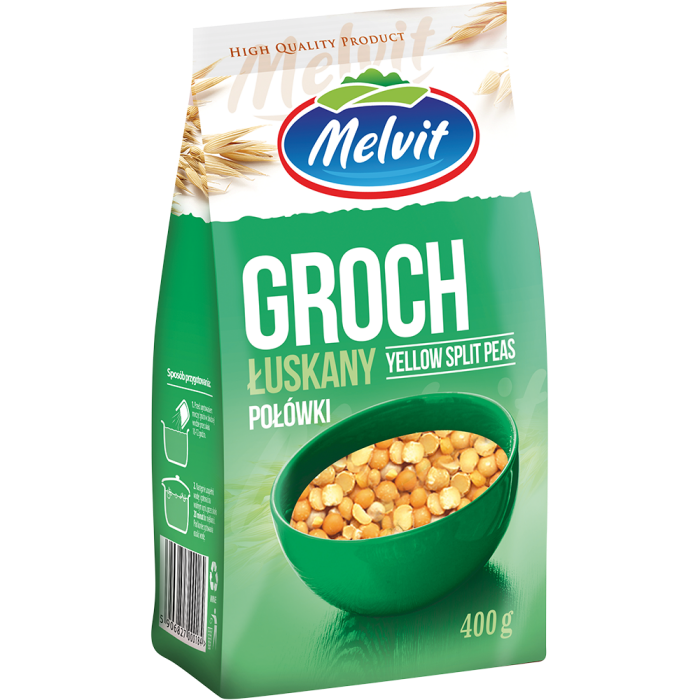
yellow split peas
Legume
Yellow split peas are dried, hulled, and split field peas that are a good source of protein and fiber, and cook into a creamy texture. They have a mild, nutty flavor and are used to thicken soups and stews, or made into dips and veggie burgers. The splitting process, which can be manual or mechanical, removes the skin and halves the pea to allow for faster cooking without pre-soaking. Characteristics and cooking Appearance: Dried, yellow, and split in half. Flavor: A milder, nuttier, and earthier taste compared to green split peas. Texture: Tend to become creamy and soft when cooked through, but can also hold their shape depending on cooking time. Cooking: Typically cook faster than whole dried peas and do not require pre-soaking. Preparation: Simmer in water for about 30 minutes, or until tender, skimming off any scum that forms. Culinary uses Soups and stews: A primary ingredient for dishes like pea soup, or added to thicken other soups and stews. Dips: Can be pureed to create dips, similar to hummus. Main courses: Used in recipes like dal, veggie burgers, or added to casseroles and lasagnas. Nutritional information High in: Protein and fiber, and a good source of vitamins A and B, as well as minerals like iron and potassium. Low in: Fat. Suitable for: Vegetarian and vegan diets.
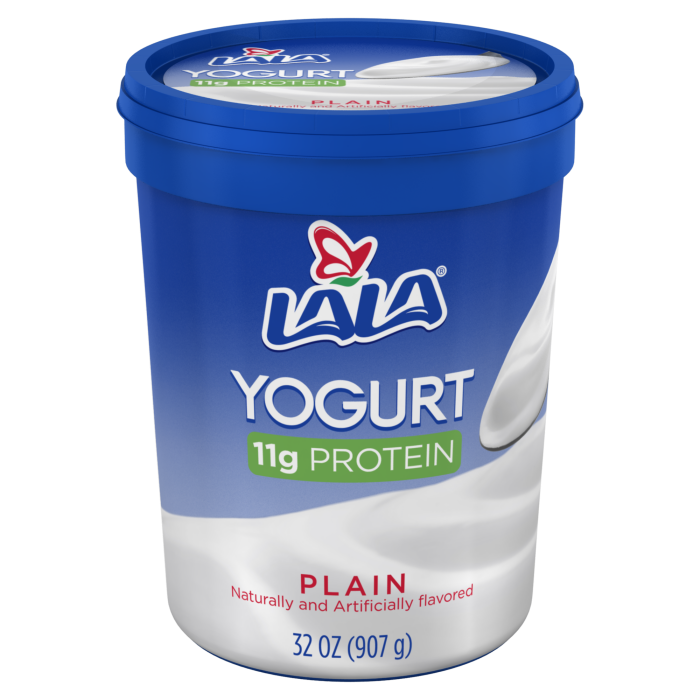
yogurt
We don't have a description for this ingredient yet.
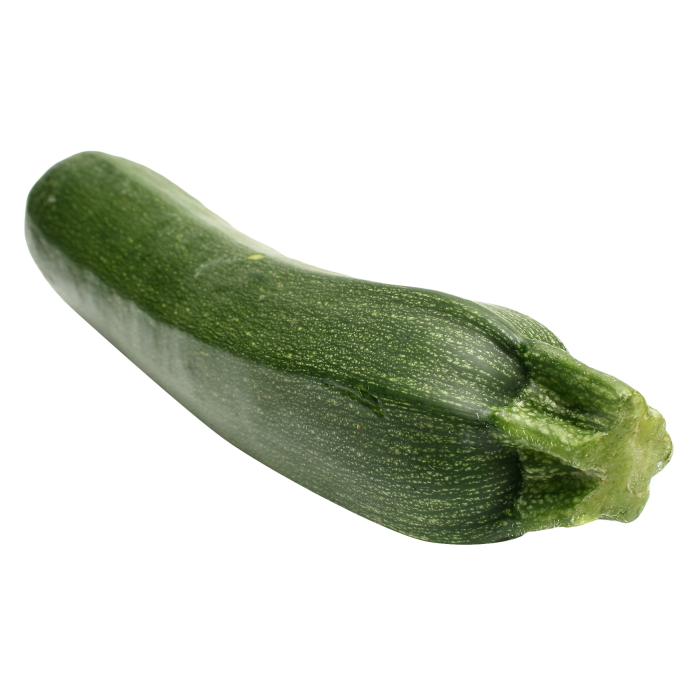
zucchini
We don't have a description for this ingredient yet.