Ingredients
Explore all the little things that make our recipes tasty.
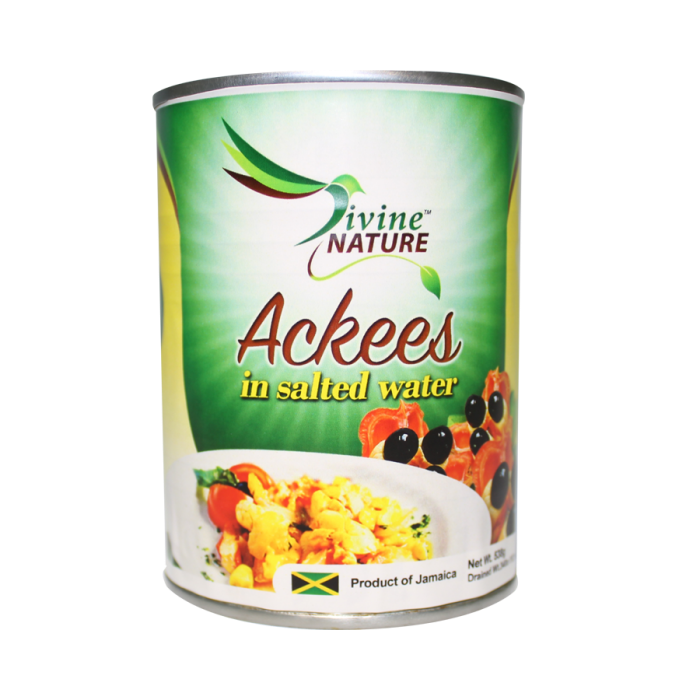
ackee
We don't have a description for this ingredient yet.

all purpose flour
Grain
All-purpose flour is a versatile white flour made from a blend of hard and soft wheat, making it suitable for a wide range of baking and cooking tasks like cakes, cookies, and thickening sauces. In the UK, it is most commonly known as plain flour and contains a moderate protein content, placing it between high-protein bread flour and low-protein cake or pastry flour. Composition and characteristics Protein content: Contains a moderate amount of protein, typically 9-14%, which allows it to form a gluten structure strong enough for many baked goods but soft enough for tender items. Wheat blend: Milled from a combination of hard and soft wheat to create a balance of gluten-forming proteins and a softer texture. Refinement: It is a white flour with the bran and germ removed, and in many countries, it is fortified with added nutrients like iron and B vitamins after milling. Gluten: Contains less gluten than bread flour, so it creates a less stretchy dough. Common uses Cakes, biscuits, and cookies Pastries and pie crusts Quick breads and pizza bases Thickening for sauces, gravies, and soups Coating for meats and vegetables
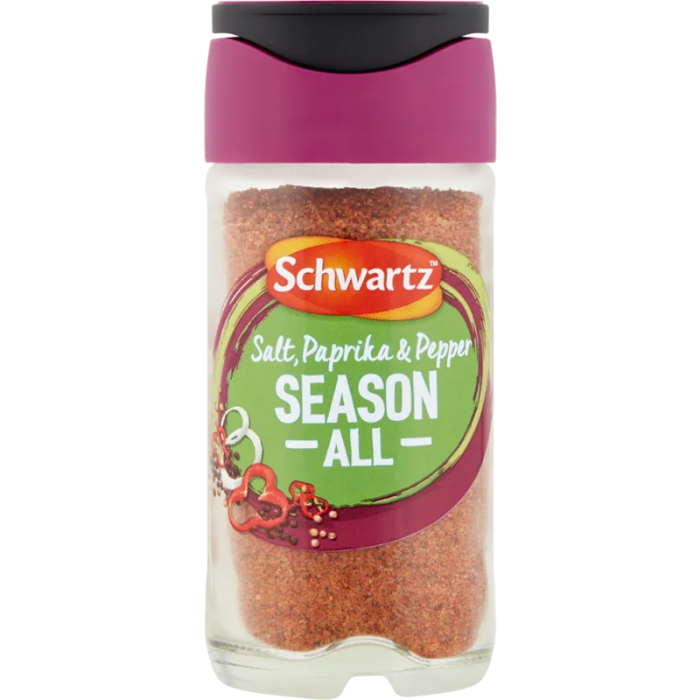
all-purpose seasoning
Seasoning
All-purpose seasoning is a versatile blend of herbs and spices designed to enhance the flavor of a wide variety of dishes, from meats and vegetables to soups and sauces. Common ingredients often include salt, pepper, garlic powder, onion powder, and paprika, though the specific components vary by brand and recipe. It's a convenient way to add a savory base flavor without needing to measure out many individual spices. Common ingredients Salt Black pepper Garlic powder Onion powder Paprika Other spices may include sugar, mustard powder, cumin, celery powder, and chili. How to use it As a rub: Sprinkle on meat, poultry, or fish before cooking. For vegetables: Toss with vegetables before roasting or sautéing. In sauces and stews: Stir into sauces, soups, or stews to boost their flavor. With potatoes: Use on roasted potatoes or french fries. On grains: Sprinkle on rice or other grains for added flavor.
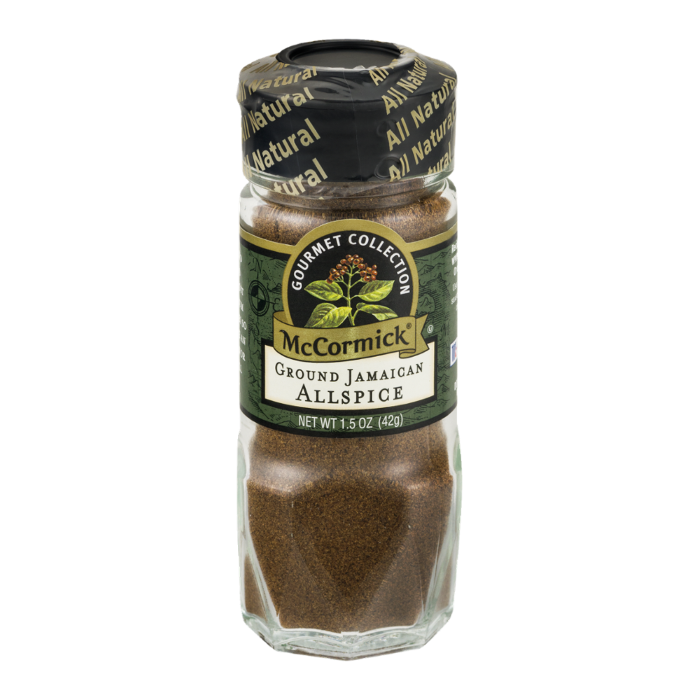
allspice
Allspice is a spice from the dried berry of the Pimenta dioica tree, known for its flavor that combines notes of cinnamon, cloves, nutmeg, and black pepper. It is used in both sweet and savory dishes, such as jerk chicken, mulled drinks, gingerbread, and stews, and is also called pimento or Jamaican pepper. Allspice is available whole or ground, and whole berries should be removed before serving if used in soups or stews.

allspice berries
Fruit
Allspice Substitute - The Spice HouseAllspice berries are the dried, unripe fruits of the Pimenta dioica tree, native to the Caribbean and Central America. They are also known as pimento or Jamaican pepper, and their name comes from their flavor, which is said to combine the tastes of cinnamon, cloves, nutmeg, and black pepper. They are used in both sweet and savory dishes, from jerk seasoning and stews to cakes and pickling brines. What they are A dried berry: Allspice berries are the small, round, dried, unripe fruits of a tropical evergreen tree. A complex flavor: The name "allspice" was given by the English because the flavor was believed to be a combination of multiple spices, including cinnamon, cloves, nutmeg, and pepper. A key ingredient: They are a cornerstone of Caribbean cuisine and are used in dishes like jerk seasoning and many other spice blends around the world. How they are used Savory dishes: They are used in casseroles, stews, stuffings, and sauces. Sweet dishes: They add a warm, spicy flavor to baked goods like cakes, cookies, and puddings. Pickling: Allspice berries can be added to pickling brines for ingredients like onions or beets. Ground vs. whole: Berries can be used whole, often removed before serving, or ground for a more potent flavor.
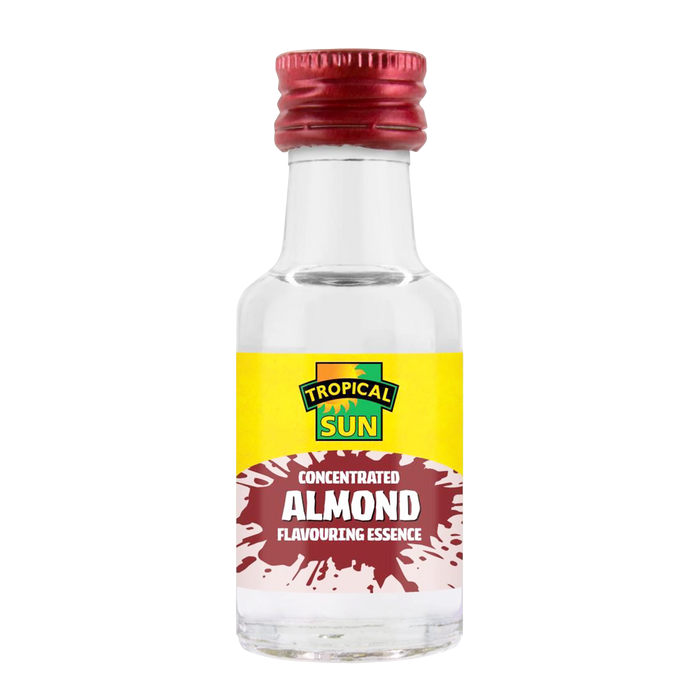
almond essence
Seasoning
Almond essence is a concentrated flavoring used in baking and cooking to impart an almond taste. It can be either a synthetic product made with artificial ingredients or a natural one derived from the essential oil of bitter almonds or other sources like peach pits. While synthetic versions are cheaper, natural ones offer a more complex flavor, and both are used to enhance baked goods, icings, and other sweets. Key features of almond essence Flavor profile: It provides a concentrated, sweet, and nutty flavor. Applications: It is used in a wide range of recipes, including cakes, cookies, tarts, pastries, and icings. It can also be used in confectionery and chocolate making. Source: Natural: Some natural versions are made from the essential oil of bitter almonds or are derived from the kernels of other stone fruit pits, such as peach pits. Synthetic: Synthetic almond essence is created using artificial ingredients and is often cheaper than the natural version. Safety: While bitter almonds contain a toxic compound, the extraction and processing of almond essence remove any harmful substances. Many modern essences are nut-free and suitable for people with nut allergies. Usage: A small amount is typically sufficient, as it is highly concentrated.
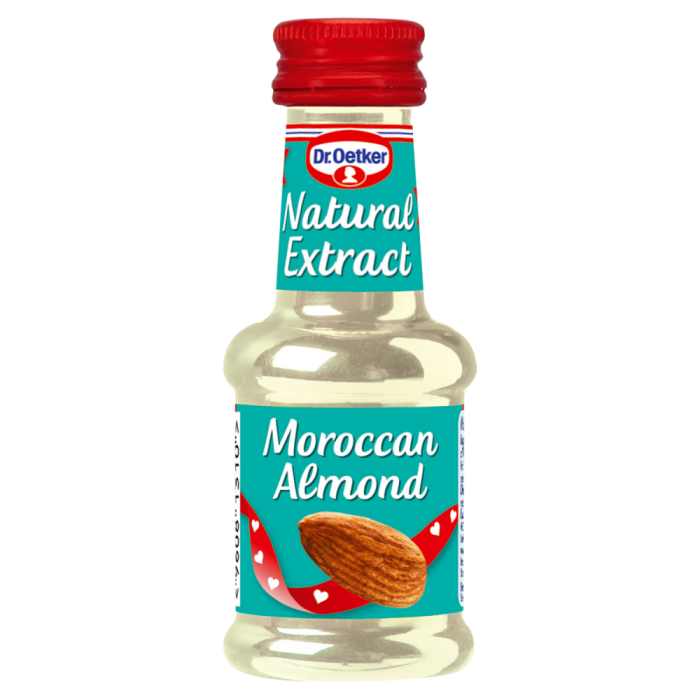
almond extract
Fruit
The almond (Prunus dulcis, syn. Prunus amygdalus) is a species of tree native to Mediterranean climate regions of the Middle East, but widely cultivated elsewhere. The almond is also the name of the edible and widely cultivated seed of this tree. Within the genus Prunus, it is classified with the peach in the subgenus Amygdalus, distinguished from the other subgenera by corrugations on the shell (endocarp) surrounding the seed. The fruit of the almond is a drupe, consisting of an outer hull and a hard shell with the seed, which is not a true nut, inside. Shelling almonds refers to removing the shell to reveal the seed. Almonds are sold shelled or unshelled. Blanched almonds are shelled almonds that have been treated with hot water to soften the seedcoat, which is then removed to reveal the white embryo.
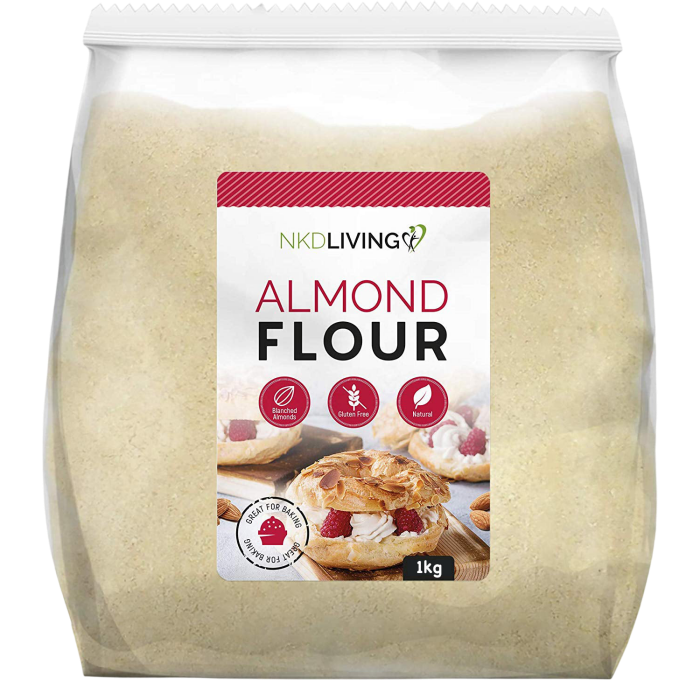
almond flour
Grain
Almond flour is a fine powder made from ground blanched almonds (skins removed) and is a popular gluten-free alternative to wheat flour, suitable for low-carb and keto baking. It has a subtle, nutty flavor and is rich in nutrients, protein, and fiber. How it's made Almonds are blanched to remove their reddish-brown skin, resulting in a lighter, more uniform color. The blanched almonds are then finely ground into a powder. The process is similar to making ground almonds, but almond flour is typically a finer grind. Key features Gluten-free: It is a suitable alternative for those with celiac disease or gluten sensitivity, though it's always important to check the packaging for potential cross-contamination. Nutrient-dense: It is packed with healthy minerals and vitamins and is a good source of protein and fiber. Low-carb and keto-friendly: It contains fewer carbohydrates than traditional wheat flour, making it a popular choice for low-carb diets. Versatile: It can be used in both sweet and savory recipes, including cakes, cookies, and pastries, and is often used for making macarons.
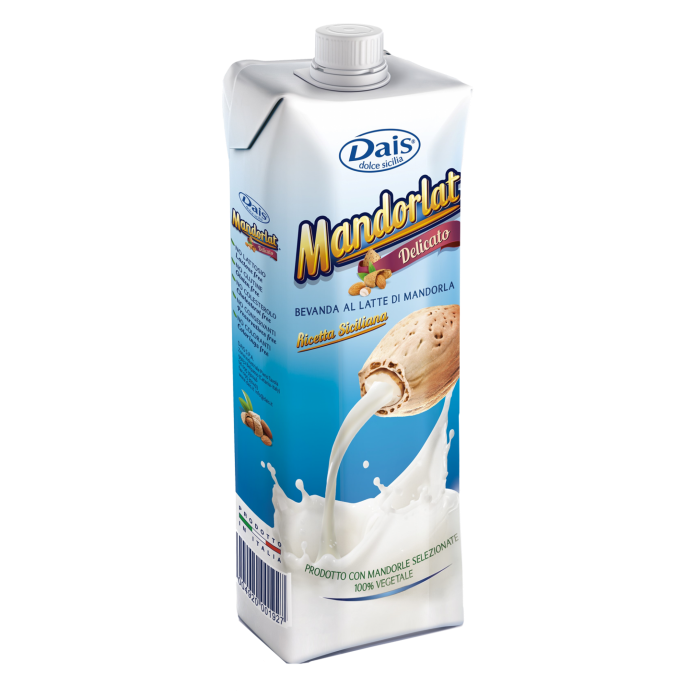
almond milk
Dairy
Almond milk is a plant-based milk substitute with a watery texture and nutty flavor manufactured from almonds, although some types or brands are flavored in imitation of cow's milk. It does not contain cholesterol or lactose and is low in saturated fat. Almond milk is often consumed by those who are lactose-intolerant and others, such as vegans, who do not consume dairy products. Commercial almond milk comes in sweetened, unsweetened, vanilla and chocolate flavors, and is usually fortified with micronutrients as a processed food. Almond milk can also be made at home using a blender, almonds and water. Global almond milk sales in 2018 were US$5.8 billion, growing at 14% per year, and forecast to be a $13 billion global market by 2025.
almond paste
Nut
Almond paste is a thick, spreadable baking ingredient made from finely ground almonds, sugar (often equal parts or slightly more almonds), and a binder like egg whites, corn syrup, or water, giving it a slightly coarse, nutty texture. It's a versatile filling for pastries (croissants, tarts), cookies, cakes, and even chocolates, distinct from smoother, sweeter marzipan because of its higher almond content and coarser texture, making it less pliable for decorative molding.
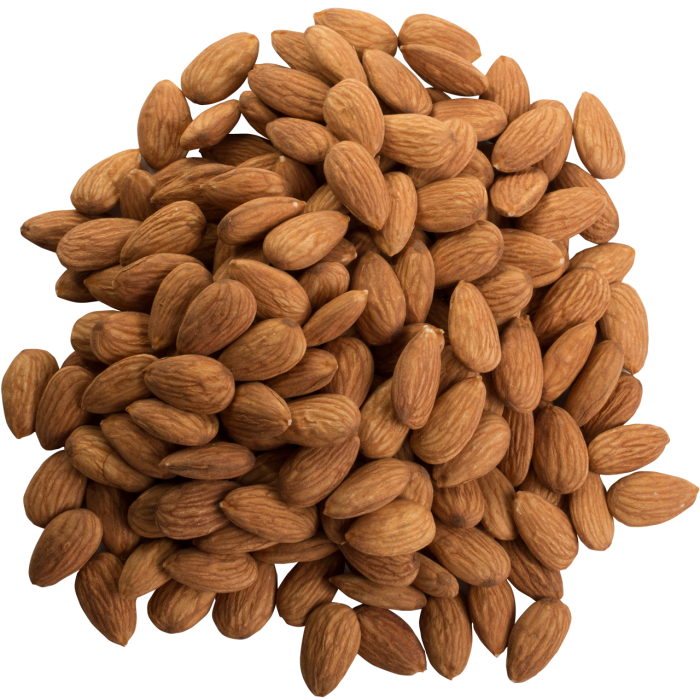
almonds
We don't have a description for this ingredient yet.
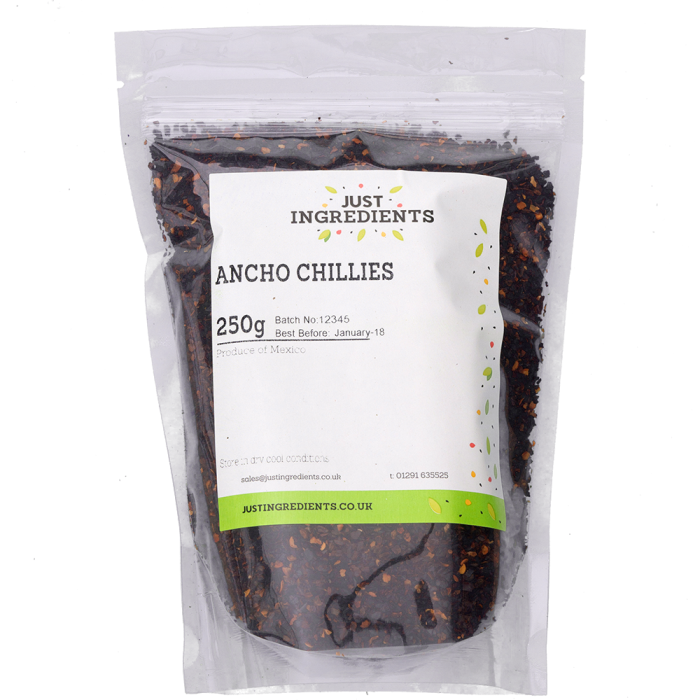
ancho chillies
Spice
Ancho chillies are poblano peppers that have been roasted and dried. They have a sweet and smoky flavour which adds richness to cooking. They have a mild heat and are reminiscent to raisins in flavour. These flakes are perfect for sprinkling over an array of dishes including salads, soups, tacos and much more.
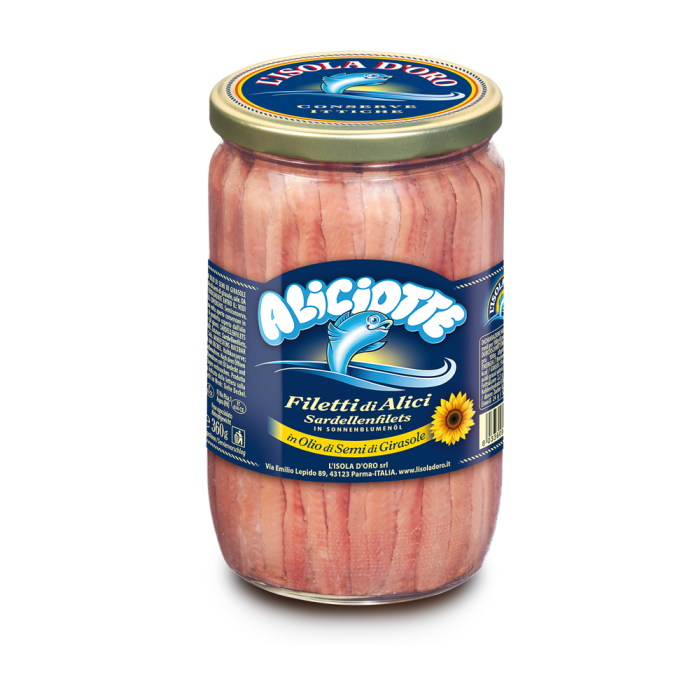
anchovy fillet
Fish
Anchovies are tiny, silvery fish that come from the Mediterranean and southern European coasts. They're sold salt-cured, usually oil-packed, and filleted. Commonly they come either flat or rolled in cans or jars, or ground and mixed with oil or butter to make a paste that is sold in tubes. On their own, anchovies are very salty but mixed into sauces, dressings, or pastas they add a wonderful depth of flavor.
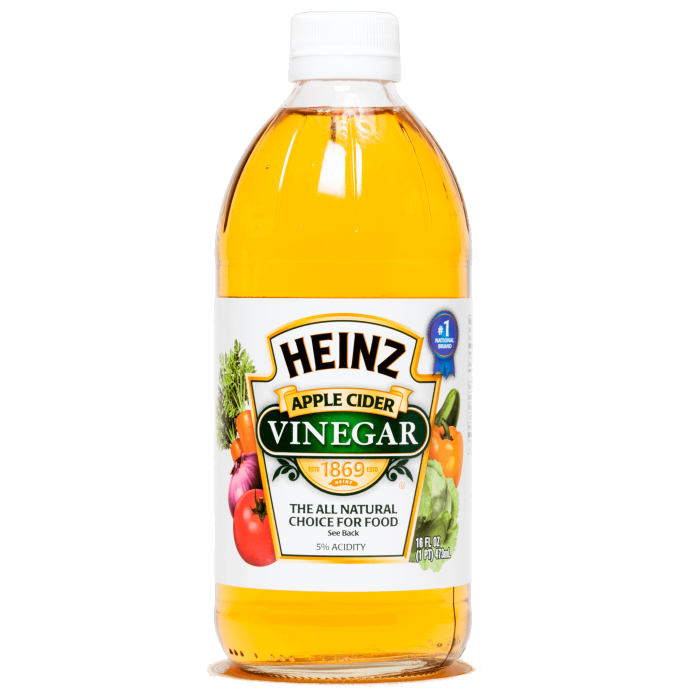
apple cider vinegar
Apple cider vinegar, or cider vinegar, is a vinegar made from fermented apple juice, and used in salad dressings, marinades, vinaigrettes, food preservatives, and chutneys. It is made by crushing apples, then squeezing out the juice. Bacteria and yeast are added to the liquid to start the alcoholic fermentation process, which converts the sugars to alcohol. In a second fermentation step, the alcohol is converted into vinegar by acetic acid-forming bacteria (Acetobacter species). Acetic acid and malic acid combine to give vinegar its sour taste. Apple cider vinegar has no medicinal or nutritional value. There is no high-quality clinical evidence that regular consumption of apple cider vinegar helps to maintain or lose body weight, or is effective to manage blood glucose and lipid levels.
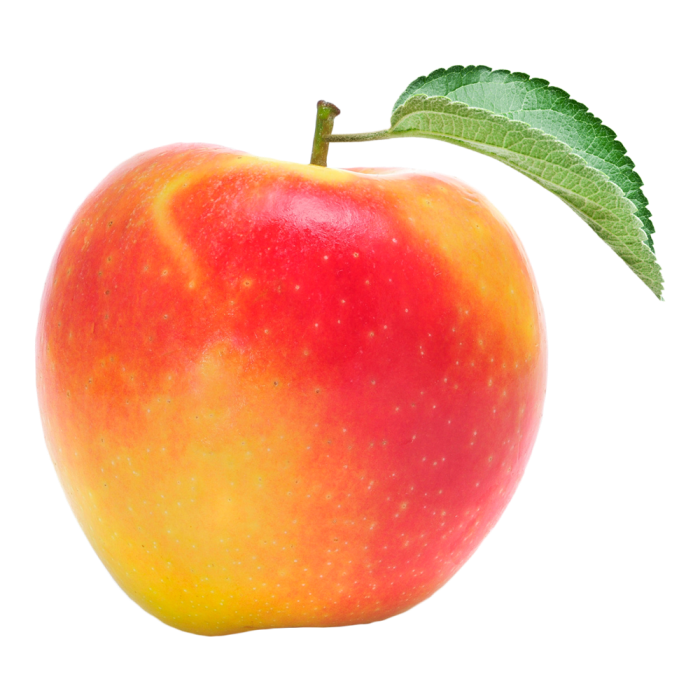
apples
We don't have a description for this ingredient yet.
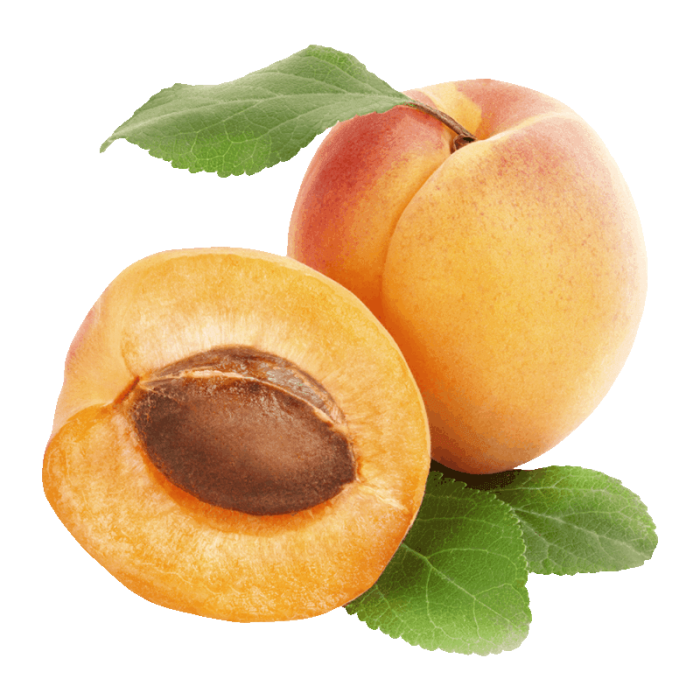
apricot
We don't have a description for this ingredient yet.
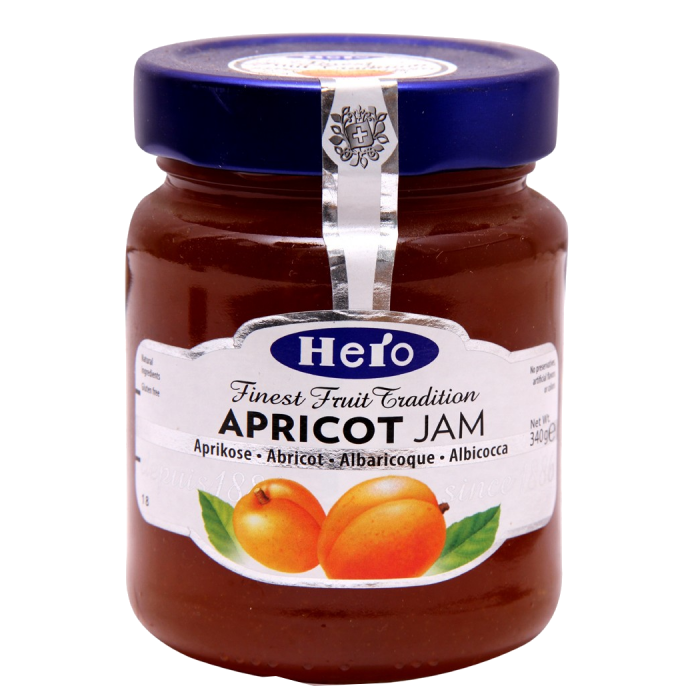
apricot jam
We don't have a description for this ingredient yet.
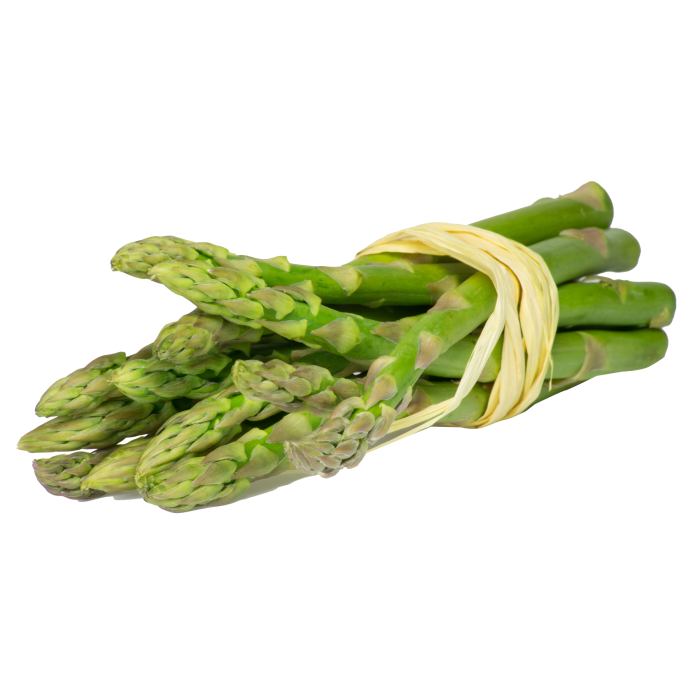
asparagus
Asparagus, or garden asparagus, folk name sparrow grass, scientific name Asparagus officinalis, is a perennial flowering plant species in the genus Asparagus. Its young shoots are used as a spring vegetable. It was once classified in the lily family, like the related Allium species, onions and garlic. However, genetic research places lilies, Allium, and asparagus in three separate families—the Liliaceae, Amaryllidaceae, and Asparagaceae, respectively—with the Amaryllidaceae and Asparagaceae being grouped together in the order Asparagales. Sources differ as to the native range of Asparagus officinalis, but generally include most of Europe and western temperate Asia. It is widely cultivated as a vegetable crop.
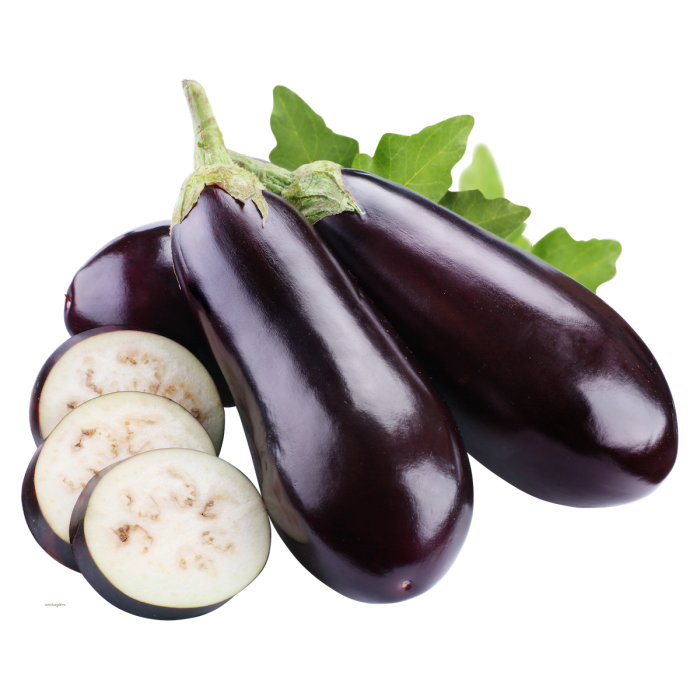
aubergine
Eggplant (US, Australia), aubergine (UK), or brinjal (South Asia and South Africa) is a plant species in the nightshade family Solanaceae. Solanum melongena is grown worldwide for its edible fruit. Most commonly purple, the spongy, absorbent fruit is used in various cuisines. Although often considered a vegetable, it is a berry by botanical definition. As a member of the genus Solanum, it is related to tomato and potato. Like the tomato, its skin and seeds can be eaten, but, like the potato, it is usually eaten cooked. Eggplant is nutritionally low in macronutrient and micronutrient content, but the capability of the fruit to absorb oils and flavors into its flesh through cooking expands its use in the culinary arts. It was originally domesticated from the wild nightshade species thorn or bitter apple, S. incanum, probably with two independent domestications: one in South Asia, and one in East Asia.
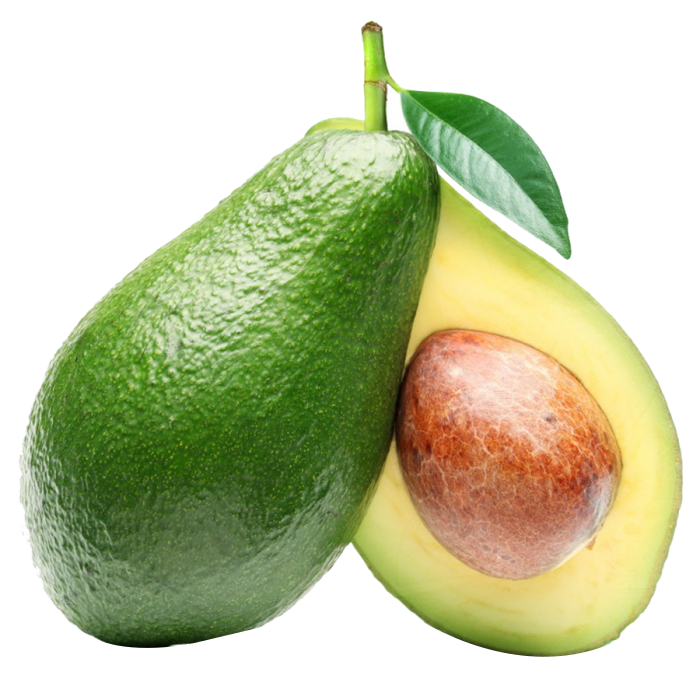
avocado
The avocado, a tree with probable origin in South Central Mexico, is classified as a member of the flowering plant family Lauraceae. The fruit of the plant, also called an avocado (or avocado pear or alligator pear), is botanically a large berry containing a single large seed. Avocados are commercially valuable and are cultivated in tropical and Mediterranean climates throughout the world. They have a green-skinned, fleshy body that may be pear-shaped, egg-shaped, or spherical. Commercially, they ripen after harvesting. Avocado trees are partially self-pollinating, and are often propagated through grafting to maintain predictable fruit quality and quantity. In 2017, Mexico produced 34% of the world supply of avocados.
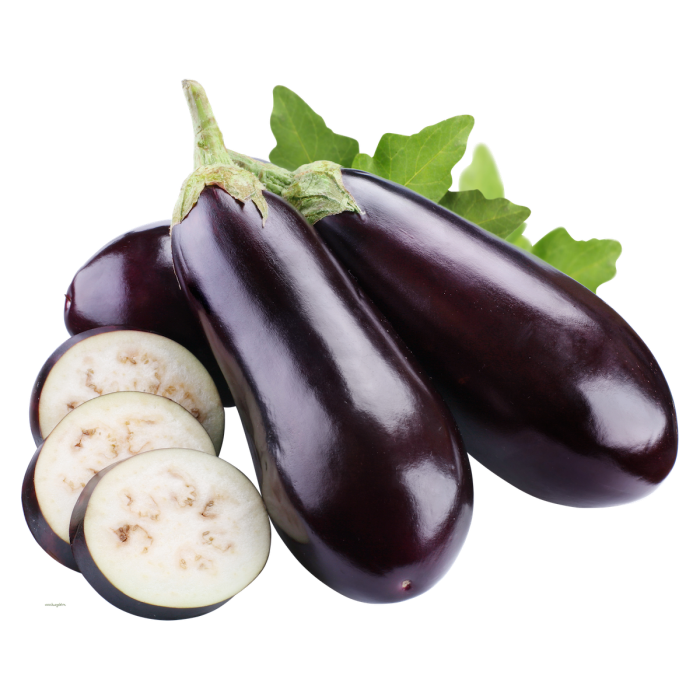
baby aubergine
Vegetable
Eggplant (Solanum melongena) or aubergine is a species of nightshade grown for its edible fruit. Eggplant is the common name in North America, Australia and New Zealand; in British English, it is aubergine, and in South Asia and South Africa, brinjal. The fruit is widely used in cooking. As a member of the genus Solanum, it is related to the tomato and the potato. It was originally domesticated from the wild nightshade species, the thorn or bitter apple, S. incanum, probably with two independent domestications, one in South Asia and one in East Asia.

baby lettuce leaves
Root Vegetable
Baby lettuce leaves are young, immature lettuce leaves harvested before they mature into a full head. They are known for being more tender and delicate than mature lettuce and are often sold as a pre-mixed salad or "cut and come again" greens, where the outer leaves are harvested to allow new growth from the center to emerge. They can be used in salads, wraps, sandwiches, and even smoothies for added flavor and nutrients. Characteristics of baby lettuce Harvested young: Baby lettuce is harvested when the leaves are still young and small, resulting in a more delicate texture. Tender and crisp: It offers a soft, yet crisp bite. Fast-growing: Baby lettuce is a fast-growing crop that is ready to harvest in about a month, making it easy to grow at home. Nutrient-rich: It contains similar and, in some cases, higher amounts of certain nutrients than mature lettuce, such as flavonoids and vitamins C and K. Varied textures and flavors: Baby lettuce mixes often include a variety of types, such as oakleaf, romaine, and red leaf, to provide a range of flavors and textures. How to grow and use "Cut and come again" method: For "cut and come again" varieties, you can harvest the outer leaves and the plant will continue to regrow new ones from the center. Container gardening: It grows well in pots and containers, making it suitable for small spaces. Year-round harvesting: With a greenhouse or protection from a polytunnel, some varieties can be grown year-round. Usage: Add to salads for a mix of textures and flavors. Use in sandwiches, wraps, and burgers. Blend into smoothies for a nutritional boost without a strong flavor.
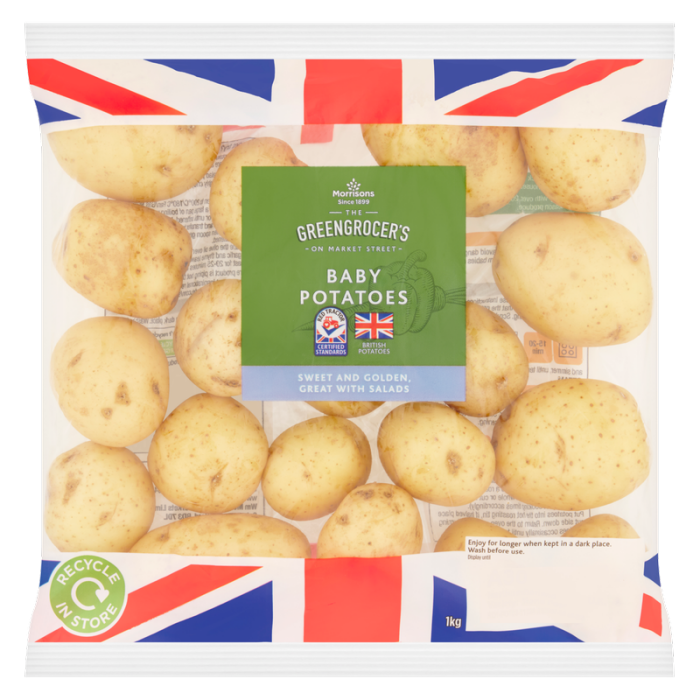
baby new potatoes
Root Vegetable
Yes, "new potatoes" and "baby potatoes" are often used interchangeably to describe immature potatoes that are harvested early. They are smaller, have thin, delicate skins, and a waxy texture. While the terms are often used as synonyms, "baby potato" can also simply refer to a small, mature potato, whereas "new potato" specifically means it was dug up before it fully matured. New potatoes What they are: Young potatoes harvested before they fully mature, often to make room for other crops. Characteristics: They have thin, delicate skins that are not peeled before cooking and a creamy, waxy texture. They have higher moisture and sugar content, so they keep their shape well when cooked. What they are called: Because they are the first potatoes to be harvested, they are also called "new potatoes". Baby potatoes What they are: A general term for small potatoes. Characteristics: They can be either new potatoes or small, mature versions of other potato varieties. What they are called: The term is used to describe potatoes that are small and don't need to be peeled or chopped, making them convenient for cooking. Key takeaway If a potato is sold as "new" or "baby" and it's small with thin skin, it's likely the same type of potato: an immature, waxy-textured potato harvested early. However, the term "baby" can also be used to describe any small potato, including the small, mature version of other types of potatoes.
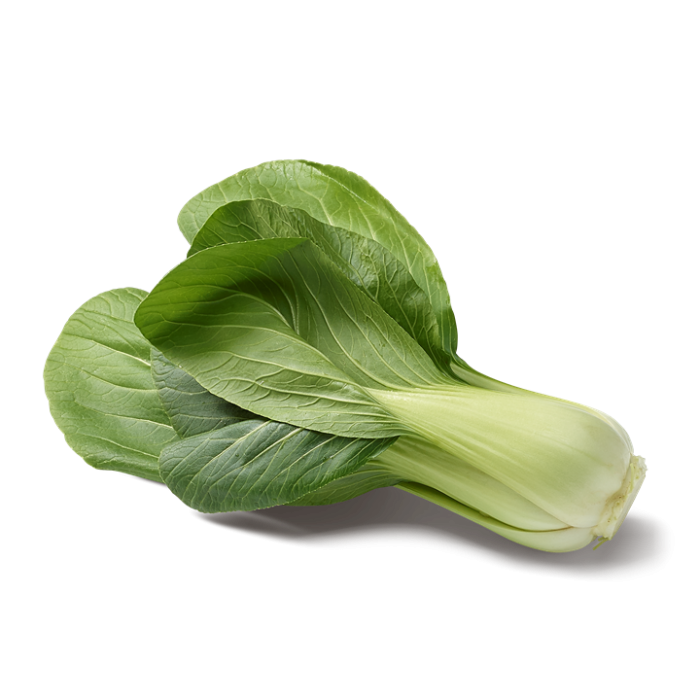
baby pak koi
Root Vegetable
Baby pak choi is a small, tender version of the Chinese cabbage variety pak choi (also known as bok choy) that is harvested while young and immature. It has a milder, sweeter flavor and a more delicate texture than full-sized pak choi, making it suitable for eating raw in salads or for quick cooking methods like steaming or stir-frying.