Ingredients
Explore all the little things that make our recipes tasty.
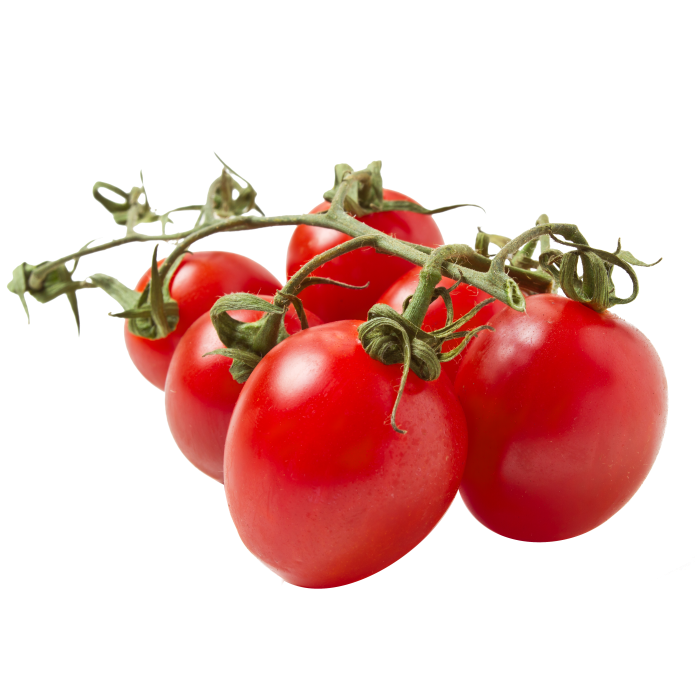
baby plum tomatoes
The tomato is the edible, often red, berry of the plant Solanum lycopersicum, commonly known as a tomato plant. The species originated in western South America and Central America. The Nahuatl (Aztec language) word tomatl gave rise to the Spanish word tomate, from which the English word tomato derived.[3][4] Its domestication and use as a cultivated food may have originated with the indigenous peoples of Mexico. The Aztecs used tomatoes in their cooking at the time of the Spanish conquest of the Aztec Empire, and after the Spanish encountered the tomato for the first time after their contact with the Aztecs, they brought the plant to Europe. From there, the tomato was introduced to other parts of the European-colonized world during the 16th century.

baby squid
We don't have a description for this ingredient yet.

bacon
Bacon is a type of salt-cured pork. Bacon is prepared from several different cuts of meat, typically from the pork belly or from back cuts, which have less fat than the belly. It is eaten on its own, as a side dish (particularly in breakfasts), or used as a minor ingredient to flavour dishes (e.g., the club sandwich). Bacon is also used for barding and larding roasts, especially game, including venison and pheasant. The word is derived from the Old High German bacho, meaning "buttock", "ham" or "side of bacon", and is cognate with the Old French bacon.
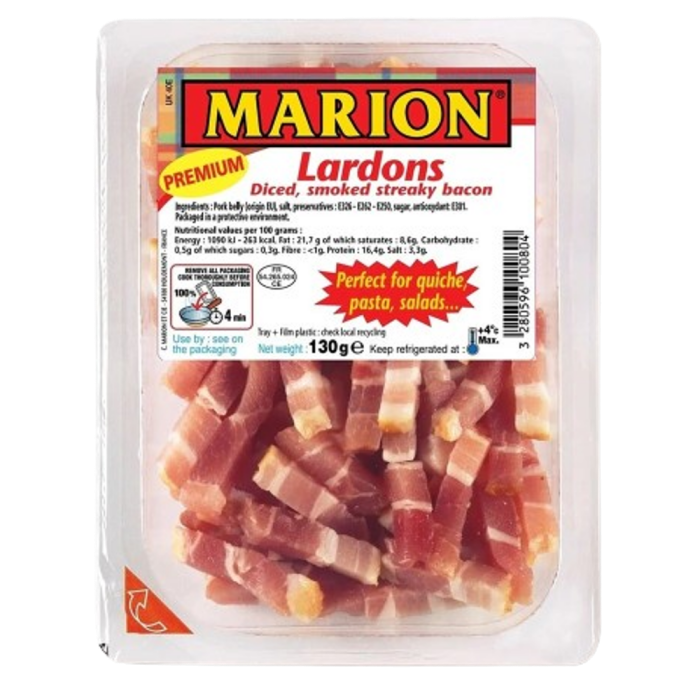
bacon lardon
Meat
A bacon lardon is a small cube or strip of fatty bacon used to add flavor and richness to savory dishes, originating from French cuisine. Lardons are typically made from pork belly and are cut from a thick slab of bacon, though they can be made from any thick-cut, fatty bacon.

baguette
We don't have a description for this ingredient yet.

baked beans
We don't have a description for this ingredient yet.

baking powder
Baking powder is a dry chemical leavening agent, a mixture of a carbonate or bicarbonate and a weak acid. The base and acid are prevented from reacting prematurely by the inclusion of a buffer such as cornstarch. Baking powder is used to increase the volume and lighten the texture of baked goods. It works by releasing carbon dioxide gas into a batter or dough through an acid-base reaction, causing bubbles in the wet mixture to expand and thus leavening the mixture. The first single-acting baking powder was developed by Birmingham based food manufacturer Alfred Bird in England in 1843. The first double-acting baking powder was developed by Eben Norton Horsford in America in the 1860s.
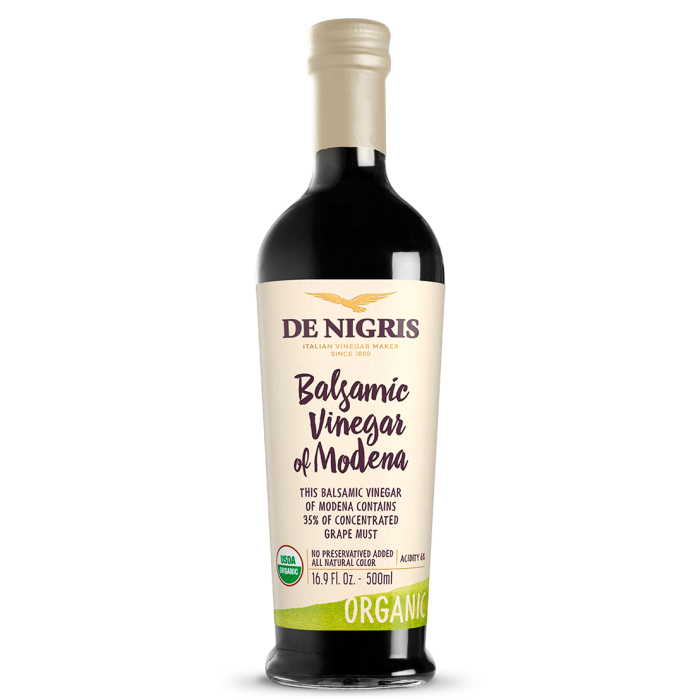
balsamic vinegar
Balsamic vinegar (Italian: aceto balsamico), occasionally shortened to balsamic, is a very dark, concentrated, and intensely flavoured vinegar originating in Italy, made wholly or partially from grape must. Grape must is freshly crushed grape juice with all the skins, seeds and stems.

bamboo shoot
Root Vegetable
Bamboo shoots are the edible, young sprouts of the bamboo plant, harvested from underground stems. They are a popular vegetable in many Asian cuisines and are used in a variety of dishes, such as stir-fries, soups, and curries, primarily for their mild flavor and crunchy texture. They are available fresh, dried, or canned, but most raw shoots must be thoroughly cooked before consumption.

banana
We don't have a description for this ingredient yet.

barbeque sauce
We don't have a description for this ingredient yet.

barramundi
Fish
Barramundi is a loanword from an Australian Aboriginal language of the Rockhampton area in Queensland[3] meaning "large-scaled river fish".[4] Originally, the name barramundi referred to Scleropages leichardti and Scleropages jardinii.[5] However, the name was appropriated for marketing reasons during the 1980s, a decision that significantly raised the profile of this fish.[5] L. calcarifer is broadly referred to as Asian seabass by the international scientific community, but is sometimes known as Australian seabass or giant sea perch.[6][7][8]
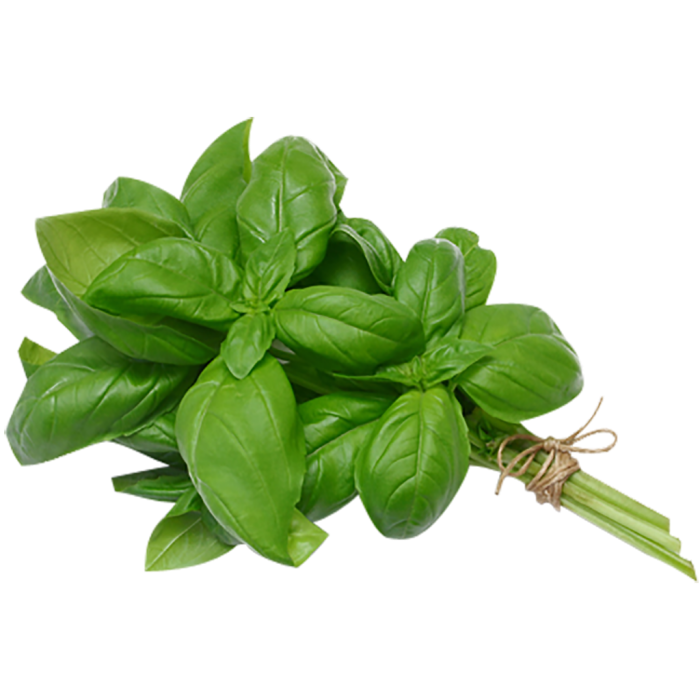
basil
Basil, also called great basil, is a culinary herb of the family Lamiaceae (mints). Basil is native to tropical regions from central Africa to Southeast Asia. It is a tender plant, and is used in cuisines worldwide. Depending on the species and cultivar, the leaves may taste somewhat like anise, with a strong, pungent, often sweet smell.
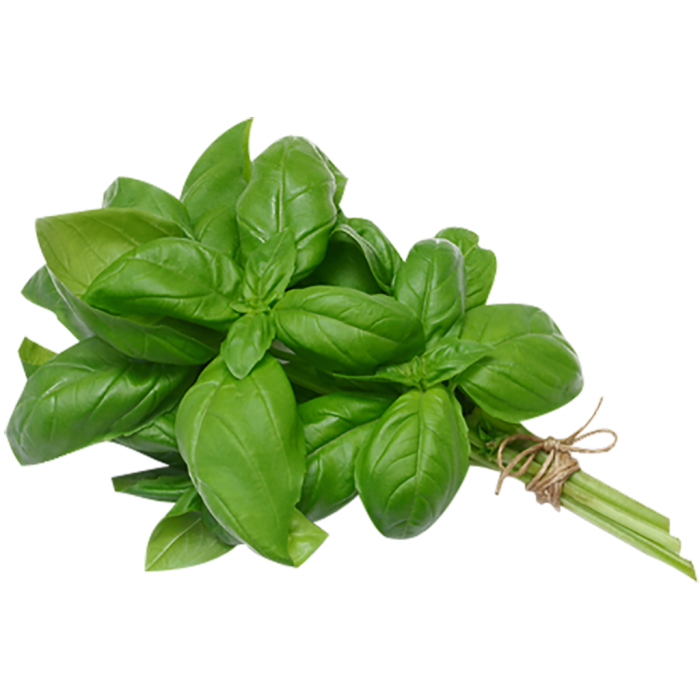
basil leaves
Basil, also called great basil, is a culinary herb of the family Lamiaceae (mints).
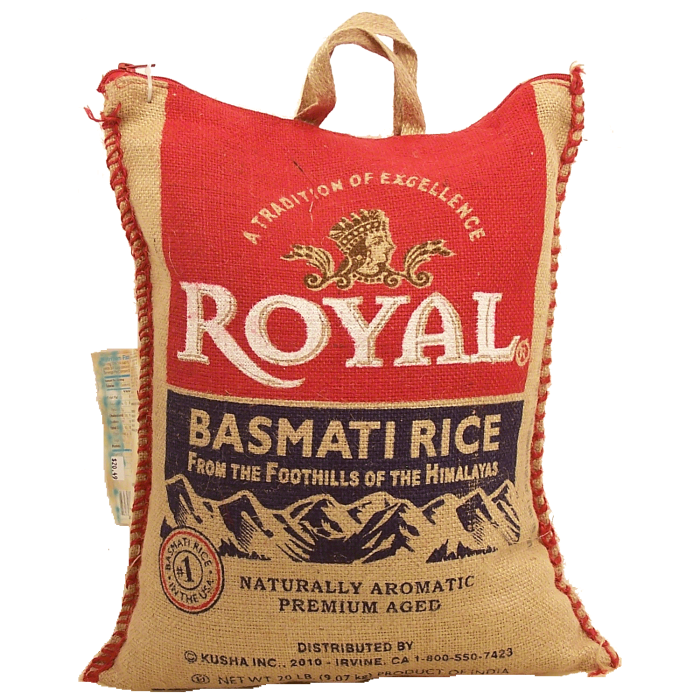
basmati rice
Basmati is a variety of long, slender-grained aromatic rice which is traditionally from the Indian subcontinent. As of 2018-19, India exported to over 90% of the overseas basmati rice market, while Pakistan accounted for the remainder, according to the Indian state-run Agricultural and Processed Food Products Export Development Authority and the Pakistan government-run Economic Survey of Pakistan. Many countries use domestically grown basmati rice crops; however, basmati is geographically exclusive to select districts of India, Pakistan, Nepal and Bangladesh.
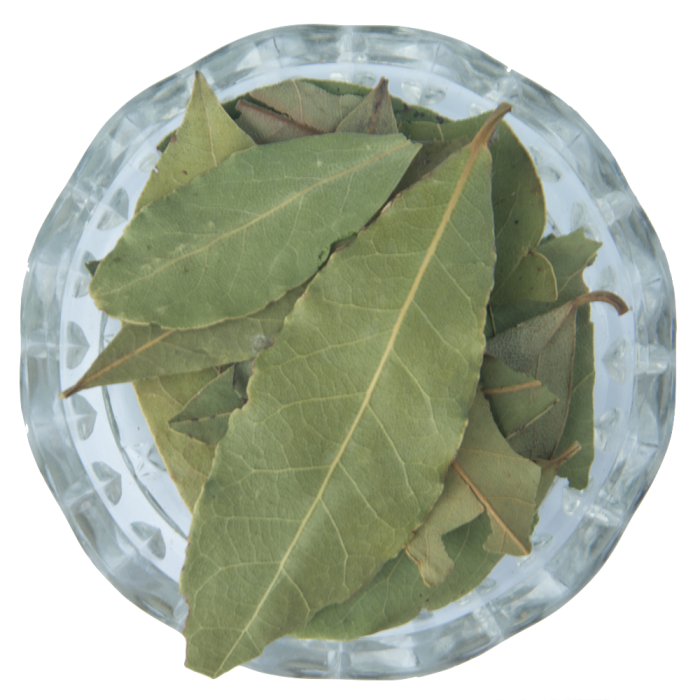
bay leaf
The bay leaf is an aromatic leaf commonly used in cooking. It can be used whole, or as dried and ground.
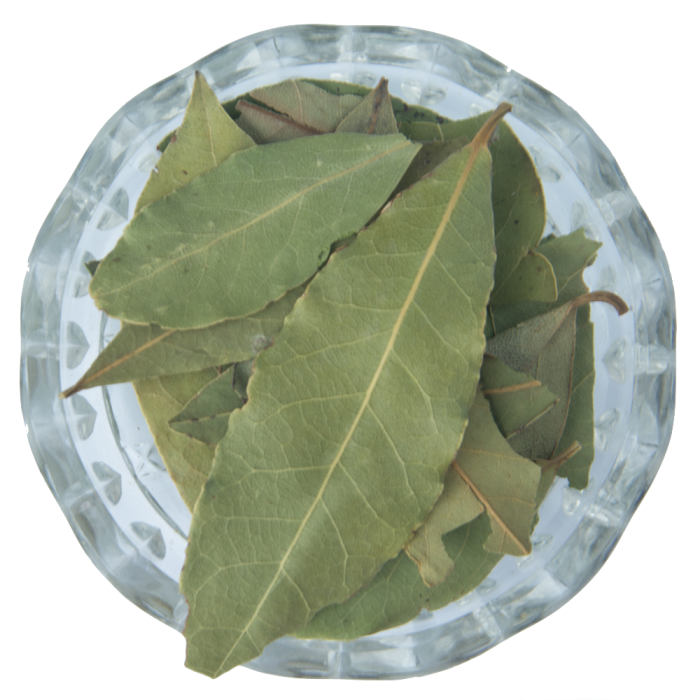
bay leaves
The bay leaf is an aromatic leaf commonly used in cooking. It can be used whole, or as dried and ground.

bean sprouts
Vegetable
Bean sprouts are a common ingredient across the world. They are particularly common in Eastern Asian cuisine. There are two types of common bean sprouts: Mung bean sprout is made from the greenish-capped mung beans Soybean sprout is made from yellow, larger-grained soybean It typically takes one week for them to become fully grown. The sprouted beans are more nutritious than the original beans and they require much less cooking time.
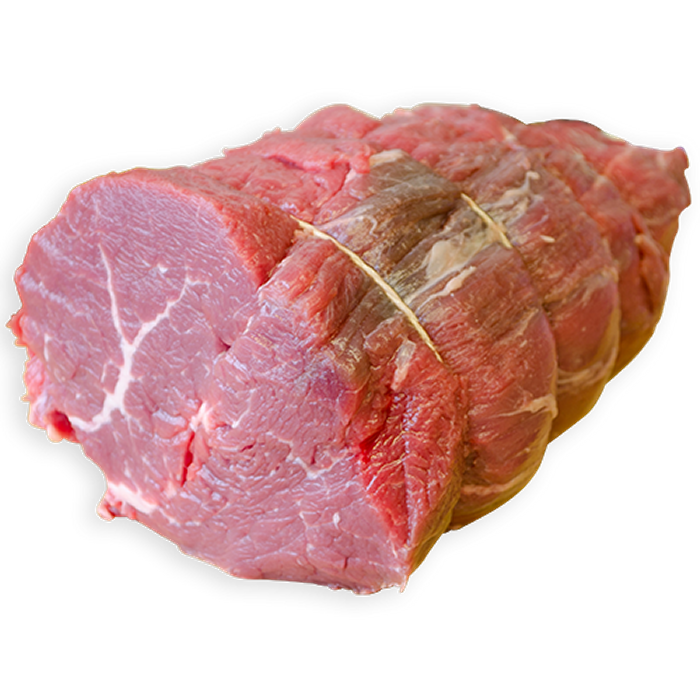
beef
Beef is the culinary name for meat from cattle, particularly skeletal muscle. Humans have been eating beef since prehistoric times. Beef is a source of high-quality protein and nutrients. Most beef skeletal muscle meat can be used as is by merely cutting into certain parts, such as roasts, short ribs or steak (filet mignon, sirloin steak, rump steak, rib steak, rib eye steak, hanger steak, etc.), while other cuts are processed (corned beef or beef jerky). Trimmings, on the other hand, are usually mixed with meat from older, leaner (therefore tougher) cattle, are ground, minced or used in sausages. The blood is used in some varieties called blood sausage. Other parts that are eaten include other muscles and offal, such as the oxtail, liver, tongue, tripe from the reticulum or rumen, glands (particularly the pancreas and thymus, referred to as sweetbread), the heart, the brain (although forbidden where there is a danger of bovine spongiform encephalopathy, BSE, commonly referred to as mad cow disease), the kidneys, and the tender testicles of the bull (known in the United States as calf fries, prairie oysters, or Rocky Mountain oysters). Some intestines are cooked and eaten as is, but are more often cleaned and used as natural sausage casings. The bones are used for making beef stock.
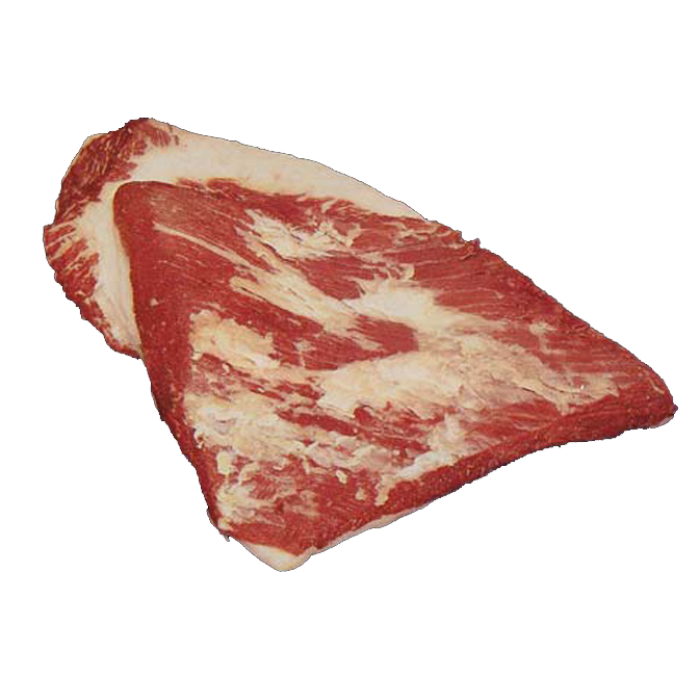
beef brisket
Beef is the culinary name for meat from cattle, particularly skeletal muscle. Humans have been eating beef since prehistoric times. Beef is a source of high-quality protein and nutrients. Most beef skeletal muscle meat can be used as is by merely cutting into certain parts, such as roasts, short ribs or steak (filet mignon, sirloin steak, rump steak, rib steak, rib eye steak, hanger steak, etc.), while other cuts are processed (corned beef or beef jerky). Trimmings, on the other hand, are usually mixed with meat from older, leaner (therefore tougher) cattle, are ground, minced or used in sausages. The blood is used in some varieties called blood sausage. Other parts that are eaten include other muscles and offal, such as the oxtail, liver, tongue, tripe from the reticulum or rumen, glands (particularly the pancreas and thymus, referred to as sweetbread), the heart, the brain (although forbidden where there is a danger of bovine spongiform encephalopathy, BSE, commonly referred to as mad cow disease), the kidneys, and the tender testicles of the bull (known in the United States as calf fries, prairie oysters, or Rocky Mountain oysters). Some intestines are cooked and eaten as is, but are more often cleaned and used as natural sausage casings. The bones are used for making beef stock.
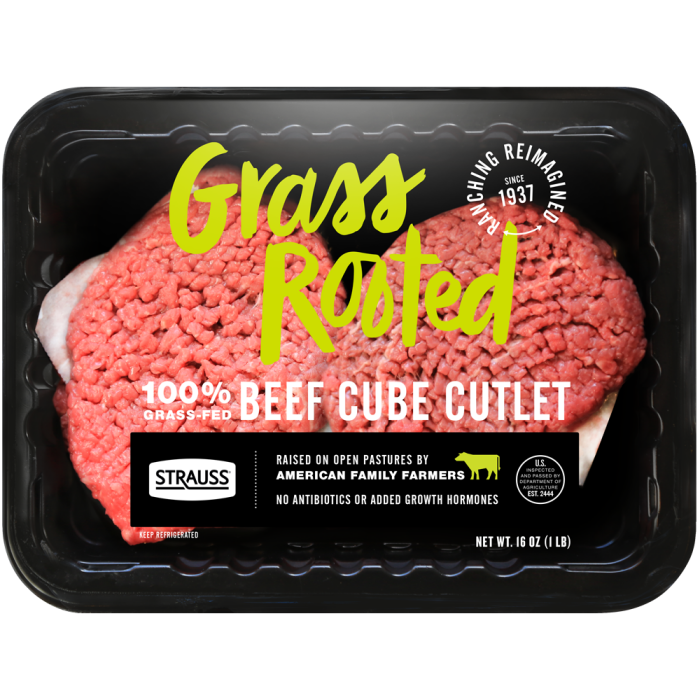
beef cutlet
Meat
A beef cutlet is a thin, boneless slice of meat, typically from the leg or round of the cow, or a patty made from ground beef. These are prepared by pounding a steak until thin or by forming ground meat into a patty. The term can refer to a simple thin steak that is quickly pan-fried or to a breaded and fried dish that is popular in various cuisines.
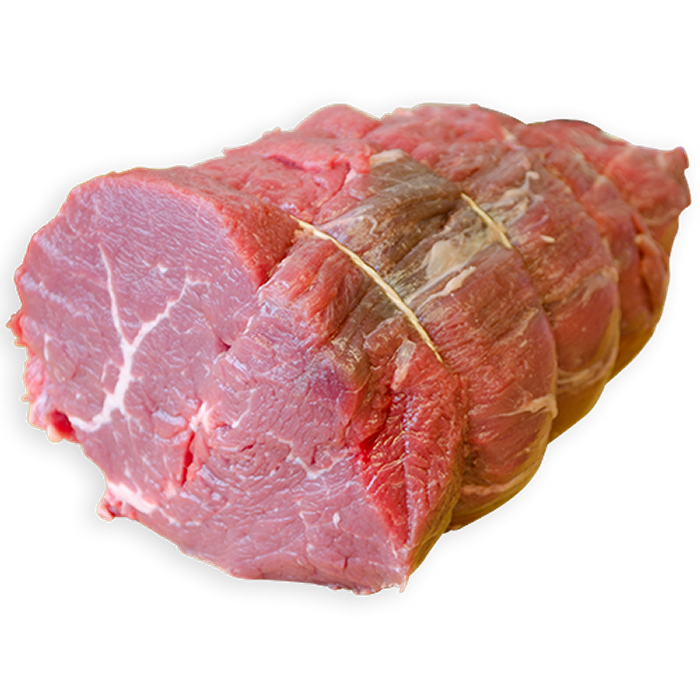
beef fillet
Beef is the culinary name for meat from cattle, particularly skeletal muscle. Humans have been eating beef since prehistoric times. Beef is a source of high-quality protein and nutrients. Most beef skeletal muscle meat can be used as is by merely cutting into certain parts, such as roasts, short ribs or steak (filet mignon, sirloin steak, rump steak, rib steak, rib eye steak, hanger steak, etc.), while other cuts are processed (corned beef or beef jerky). Trimmings, on the other hand, are usually mixed with meat from older, leaner (therefore tougher) cattle, are ground, minced or used in sausages. The blood is used in some varieties called blood sausage. Other parts that are eaten include other muscles and offal, such as the oxtail, liver, tongue, tripe from the reticulum or rumen, glands (particularly the pancreas and thymus, referred to as sweetbread), the heart, the brain (although forbidden where there is a danger of bovine spongiform encephalopathy, BSE, commonly referred to as mad cow disease), the kidneys, and the tender testicles of the bull (known in the United States as calf fries, prairie oysters, or Rocky Mountain oysters). Some intestines are cooked and eaten as is, but are more often cleaned and used as natural sausage casings. The bones are used for making beef stock.
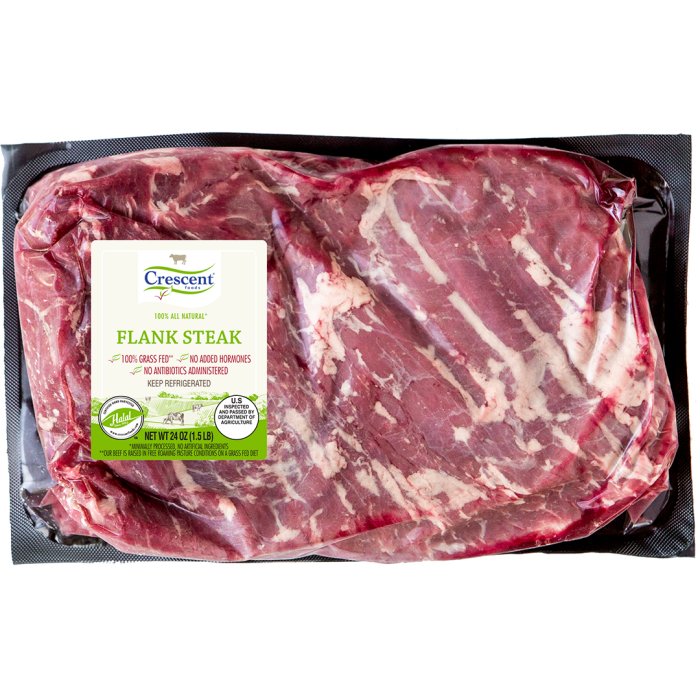
beef flank steak
Meat
Beef flank steak is a lean cut from the abdominal muscles of the cow, known for its rich flavor, long flat shape, and prominent muscle fibers. Due to its muscular nature, it can become tough if overcooked, so it is often marinated, grilled, or pan-fried and sliced thinly against the grain for tenderness. Characteristics Cut: From the flank, or lower chest/underbelly, of the cow. Appearance: Long, flat, and relatively thin with a very noticeable grain of muscle fibers. Lean: It is a lean cut with less fat than other steaks. Flavor: Very flavorful with a distinct beefy taste. Cooking and prep Marinating: Recommended to help tenderize the muscle fibers. Cooking methods: Ideal for high-heat cooking like grilling or pan-frying. It can also be braised or slow-cooked for increased tenderness. Slicing: Crucially, slice the cooked steak against the grain to ensure it is tender and easy to chew. Cutting with the grain will result in a tough, stringy texture. Uses: Versatile for dishes like fajitas, tacos, and steak salads, or it can be served on its own with a sauce.

beef gravy
Beef is the culinary name for meat from cattle, particularly skeletal muscle. Humans have been eating beef since prehistoric times. Beef is a source of high-quality protein and nutrients. Most beef skeletal muscle meat can be used as is by merely cutting into certain parts, such as roasts, short ribs or steak (filet mignon, sirloin steak, rump steak, rib steak, rib eye steak, hanger steak, etc.), while other cuts are processed (corned beef or beef jerky). Trimmings, on the other hand, are usually mixed with meat from older, leaner (therefore tougher) cattle, are ground, minced or used in sausages. The blood is used in some varieties called blood sausage. Other parts that are eaten include other muscles and offal, such as the oxtail, liver, tongue, tripe from the reticulum or rumen, glands (particularly the pancreas and thymus, referred to as sweetbread), the heart, the brain (although forbidden where there is a danger of bovine spongiform encephalopathy, BSE, commonly referred to as mad cow disease), the kidneys, and the tender testicles of the bull (known in the United States as calf fries, prairie oysters, or Rocky Mountain oysters). Some intestines are cooked and eaten as is, but are more often cleaned and used as natural sausage casings. The bones are used for making beef stock.