Ingredients
Explore all the little things that make our recipes tasty.
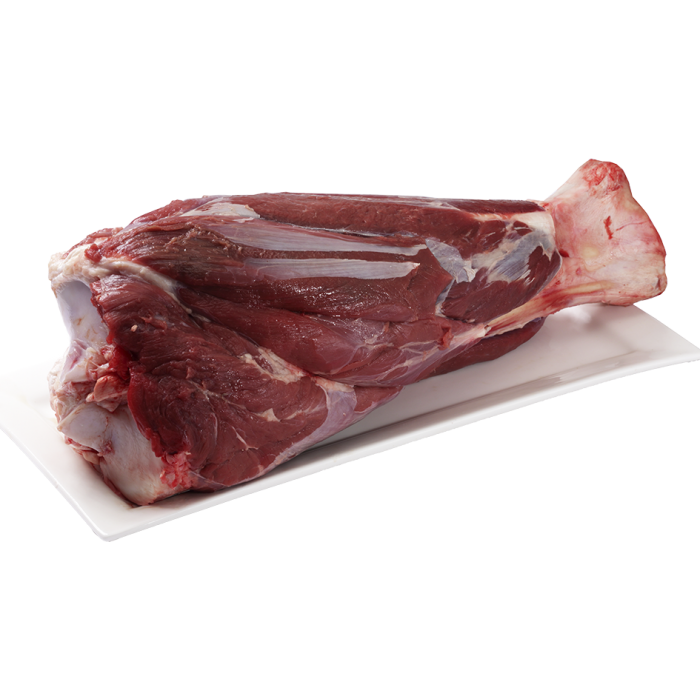
beef shin
We don't have a description for this ingredient yet.
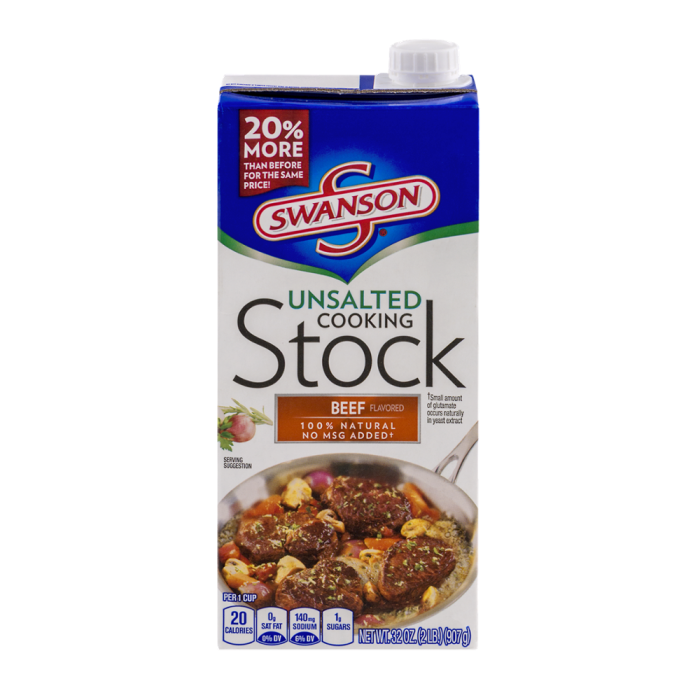
beef stock
Beef is the culinary name for meat from cattle, particularly skeletal muscle. Humans have been eating beef since prehistoric times. Beef is a source of high-quality protein and nutrients. Most beef skeletal muscle meat can be used as is by merely cutting into certain parts, such as roasts, short ribs or steak (filet mignon, sirloin steak, rump steak, rib steak, rib eye steak, hanger steak, etc.), while other cuts are processed (corned beef or beef jerky). Trimmings, on the other hand, are usually mixed with meat from older, leaner (therefore tougher) cattle, are ground, minced or used in sausages. The blood is used in some varieties called blood sausage. Other parts that are eaten include other muscles and offal, such as the oxtail, liver, tongue, tripe from the reticulum or rumen, glands (particularly the pancreas and thymus, referred to as sweetbread), the heart, the brain (although forbidden where there is a danger of bovine spongiform encephalopathy, BSE, commonly referred to as mad cow disease), the kidneys, and the tender testicles of the bull (known in the United States as calf fries, prairie oysters, or Rocky Mountain oysters). Some intestines are cooked and eaten as is, but are more often cleaned and used as natural sausage casings. The bones are used for making beef stock.
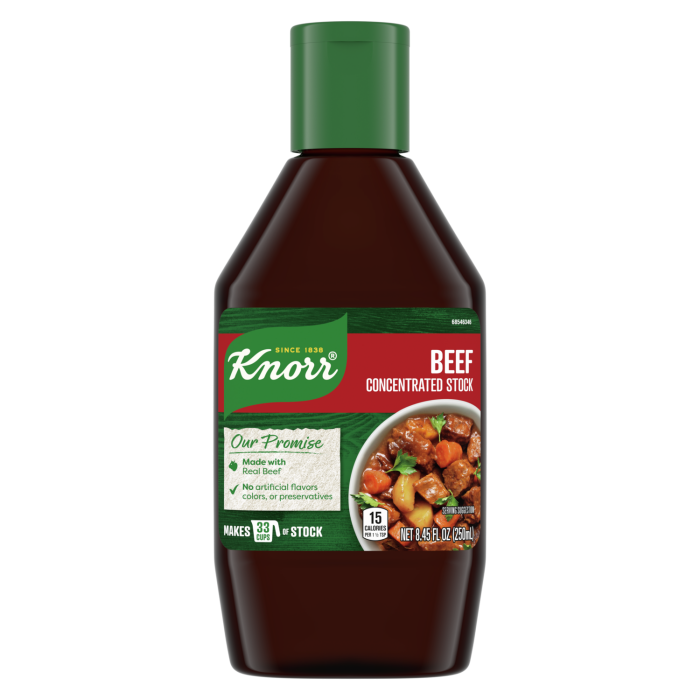
beef stock concentrate
Stock
Stock, sometimes called bone broth, is a savory cooking liquid that forms the basis of many dishes, particularly soups, stews and sauces. Making stock involves simmering animal bones or meat, seafood, or vegetables in water or wine, often for an extended period of time. Mirepoix or other aromatics may be added for more flavor.
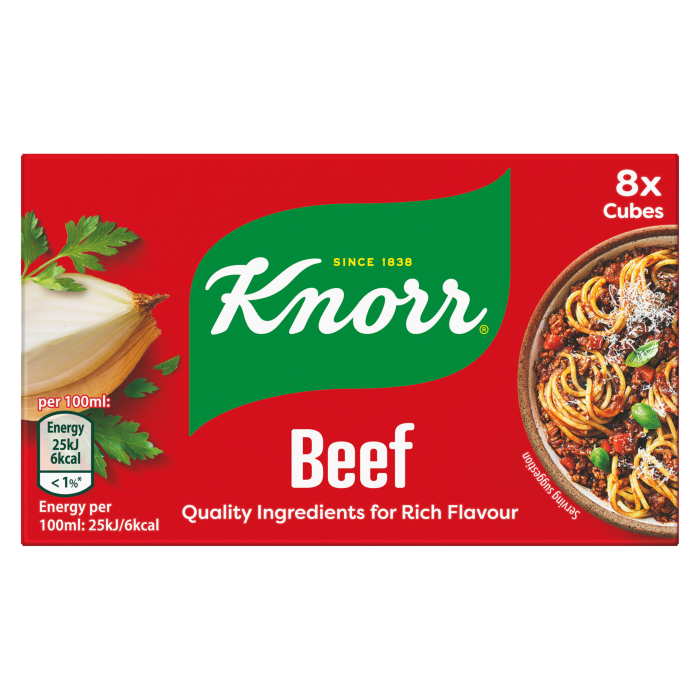
beef stock cubes
Sauce
Beef flavour stock
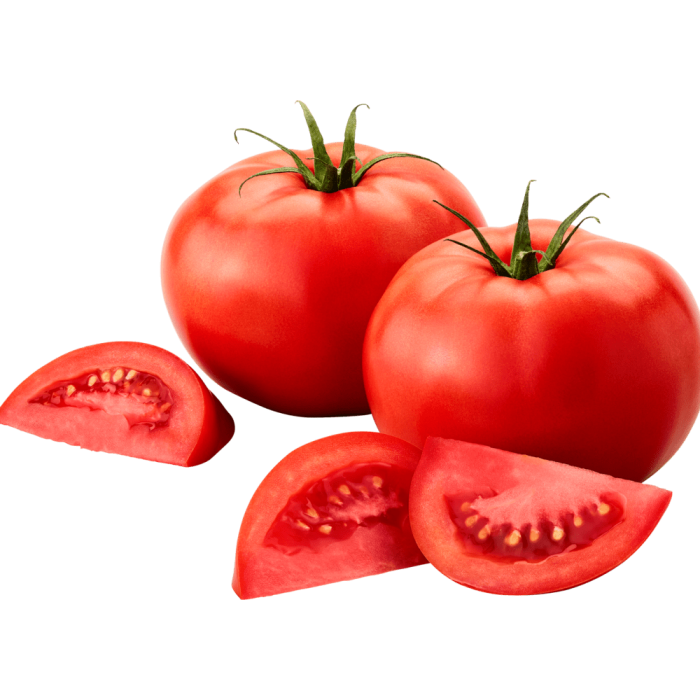
beef tomatoes
Fruit
Beef tomatoes, also known as beefsteak tomatoes, are large, meaty tomatoes prized for their robust flavor and texture, making them ideal for sandwiches, salads, and cooking. Characteristics of Beef Tomatoes Size and Shape: Beef tomatoes are among the largest varieties of cultivated tomatoes, often measuring up to 20 cm (7.9 inches) in diameter and weighing over 450 grams (1 lb). They typically have a kidney-like shape, with a smooth and glossy skin. 2 Texture and Flavor: These tomatoes are known for their dense, fleshy pulp and high water content, which gives them a juicy and succulent texture. They have a rich, tangy flavor that is less acidic than many other tomato varieties, making them a favorite for fresh consumption. 2 Color: Beef tomatoes are usually pink or red, but they can also be found in yellow, orange, and even purple varieties. 2 4 Sources Culinary Uses Versatility: Beef tomatoes are incredibly versatile and can be used in a variety of dishes. They are commonly enjoyed in salads, sandwiches, and burgers due to their ability to hold their shape when sliced. 2 Cooking: Their thick flesh makes them suitable for grilling, roasting, and baking, as they do not easily fall apart during cooking. 2 Popular Dishes: They are often used in classic dishes like BLTs (bacon, lettuce, and tomato sandwiches) and Caprese salads, where their size and flavor can shine. 2 3 Sources Growing Beef Tomatoes Cultivation: Beef tomatoes are typically grown in home gardens and are popular among gardeners due to their size and flavor. They are indeterminate varieties, meaning they continue to grow and produce fruit throughout the growing season. 2 Care: These tomatoes require adequate sunlight, water, and support as they can grow quite tall. They are slower to mature compared to other tomato varieties, often taking up to 90 days to produce ripe fruit. 1 In summary, beef tomatoes are a large, flavorful variety of tomato that is highly valued in culinary applications for their texture and taste. They are a staple in many kitchens and gardens, appreciated for their versatility and robust flavor.

beer
Drink
Beer is an alcoholic beverage made from fermented grains, primarily water, malted barley, hops, and yeast. The brewing process involves heating the water and malt to extract sugars, which are then boiled with hops for bitterness and flavor. Yeast is added to ferment these sugars into alcohol, creating a diverse range of drinks that are popular worldwide. Key ingredients Water: Makes up the majority of beer, and its quality impacts the final flavor. Malted barley: Provides the fermentable sugars that yeast converts into alcohol. Other grains like wheat, corn, and rice can also be used. Hops: A flower from the hop plant that adds bitterness, aroma, and acts as a natural preservative. Yeast: A microorganism that consumes the sugars from the malt and produces alcohol and carbon dioxide during fermentation. The brewing process Mashing: The malted barley is steeped in hot water to extract sugars, creating a sugary liquid called wort. Boiling: The wort is boiled, typically for an hour or more. Hops are added during this stage to provide bitterness and flavor. Fermentation: The wort is cooled and transferred to a fermenter, where yeast is added. The yeast consumes the sugars and converts them into alcohol and carbon dioxide. Conditioning: After fermentation, the beer is often allowed to mature for a period, which helps its flavors meld and become smoother. Types of beer Ales: Fermented using yeast at warmer temperatures. Examples include IPAs and stouts. Lagers: Fermented using a different type of yeast at cooler temperatures, followed by a cold storage period called "lagering". Examples include Pilsner and Helles.
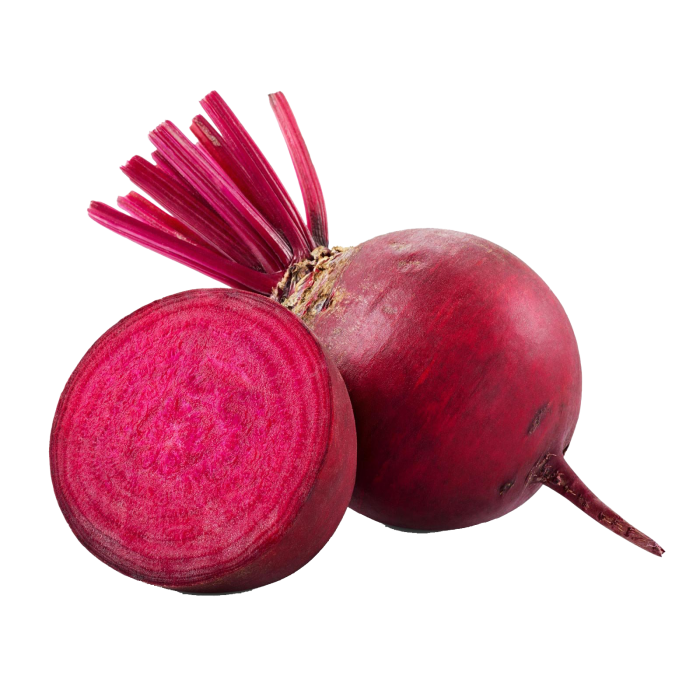
beetroot
Vegetable
The beetroot is the taproot portion of a beet plant, usually known in Canada and the USA as beets while the vegetable is referred to as beetroot in British English, and also known as the table beet, garden beet, red beet, dinner beet or golden beet.

bicarbonate of soda
Sodium bicarbonate, commonly known as baking soda, is a chemical compound with the formula NaHCO3. It is a salt composed of a sodium cation (Na+) and a bicarbonate anion (HCO3−). Sodium bicarbonate is a white solid that is crystalline, but often appears as a fine powder. It has a slightly salty, alkaline taste resembling that of washing soda (sodium carbonate). The natural mineral form is nahcolite. It is a component of the mineral natron and is found dissolved in many mineral springs.
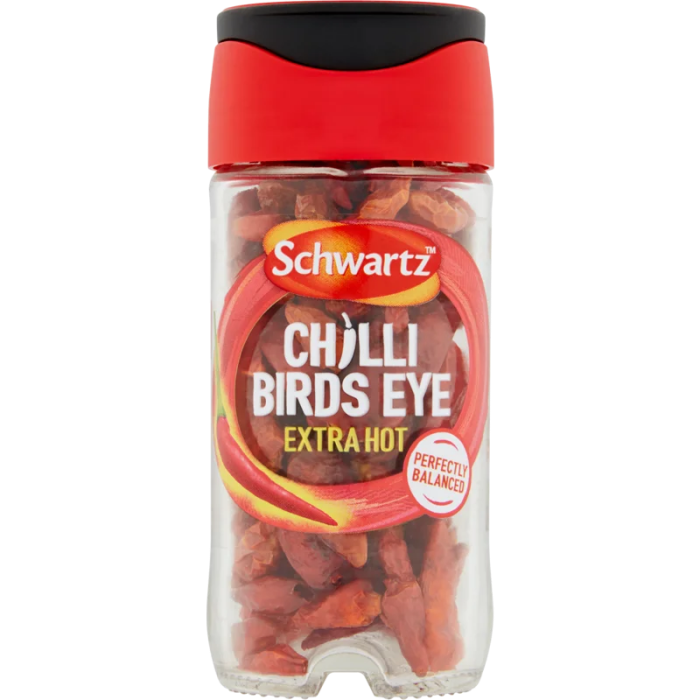
birds-eye chillies
Root Vegetable
Bird's eye chilies are small, very hot peppers, measuring around 50,000 to 100,000 Scoville Heat Units (SHU). They are a staple in many Southeast Asian cuisines like Thai and are also known as Prik Kee Noo. They can be used fresh, dried, or ground into a powder and are named for their small, pointed shape and because birds are known to disperse their seeds. Key characteristics Heat level: They are significantly hotter than a jalapeño but not as hot as a habanero. Shape and color: The plant produces small, thin, pointed peppers that are green when unripe and turn red when ripe. Origin: They are commonly found in Southeast Asian countries like Thailand, Laos, and Vietnam, though other varieties may originate from places like Africa. Flavor: They provide a fruity and peppery taste with a punch of heat. Culinary uses: They are used to add spice to a wide variety of dishes, including curries, sauces, and stir-fries. They can also be used as a garnish or a condiment, often dried and ground into a powder. How they are used In cooking: Thinly sliced and added to curries, stir-fries, and sauces. As a condiment: Dried and ground into a powder that can be placed on the table for diners to add to their food. As a garnish: Sliced fresh and sprinkled over salads. In drinks: Used to add a spicy kick to cocktails. Storage Fresh: Store in the refrigerator's crisper drawer for up to two weeks. Do not rinse until ready to use to prevent decay. Dried: Properly canned or dried chilies can last at room temperature for up to a year.
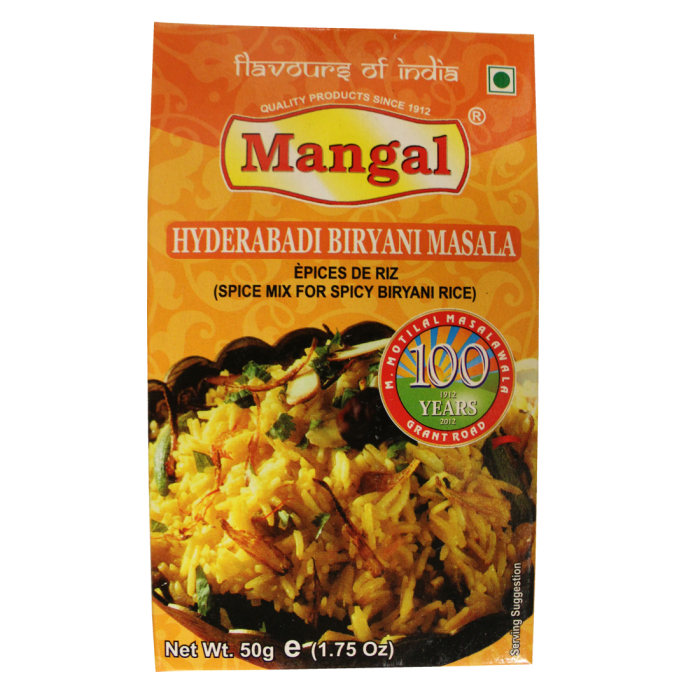
biryani masala
Biryani, also known as biriyani, biriani, birani or briyani, is a mixed rice dish with its origins among the Muslims of the Indian subcontinent. It can be compared to mixing a curry, later combining it with semi-cooked rice separately. This dish is especially popular throughout the Indian subcontinent, as well as among the diaspora from the region. It is also prepared in other regions such as Iraqi Kurdistan. It is made with Indian spices, rice, meat (chicken, goat, beef, lamb, prawn, or fish), vegetables or eggs.
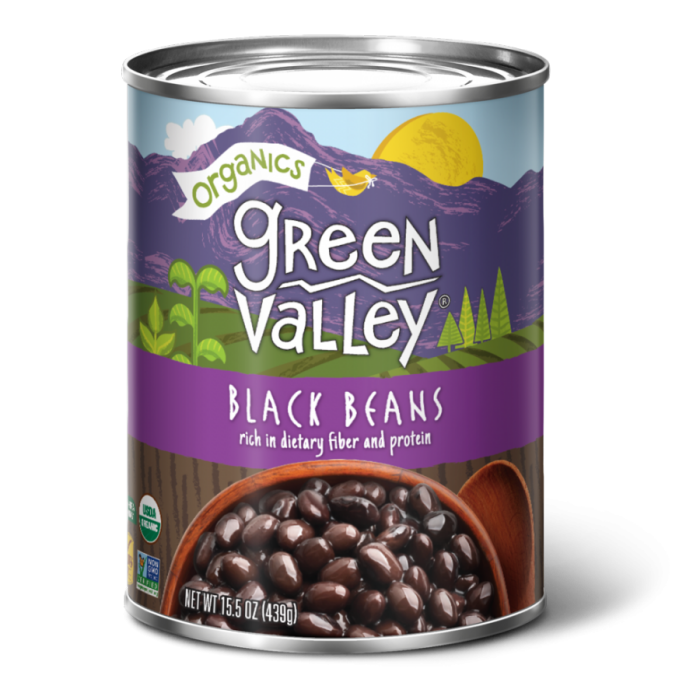
black beans
Bean
The black turtle bean is a small, shiny variety of the common bean (Phaseolus vulgaris) especially popular in Latin American cuisine, though it can also be found in the Cajun and Creole cuisines of south Louisiana. Like most common beans, it is native to the Americas, but has been introduced around the world. It is also used in East Indian cooking, Punjabi cuisine, and in Maharashtrian cuisine, it is known as Kala Ghevada. It is used interchangeably with vigna mungo (black gram) in countries such as the United States. The black turtle bean is often simply called the black bean (frijoles negros, zaragoza, judía negra, poroto negro, or caraota o habichuela negra in Spanish; and feijão preto in Portuguese), although this terminology can cause confusion with other black beans.
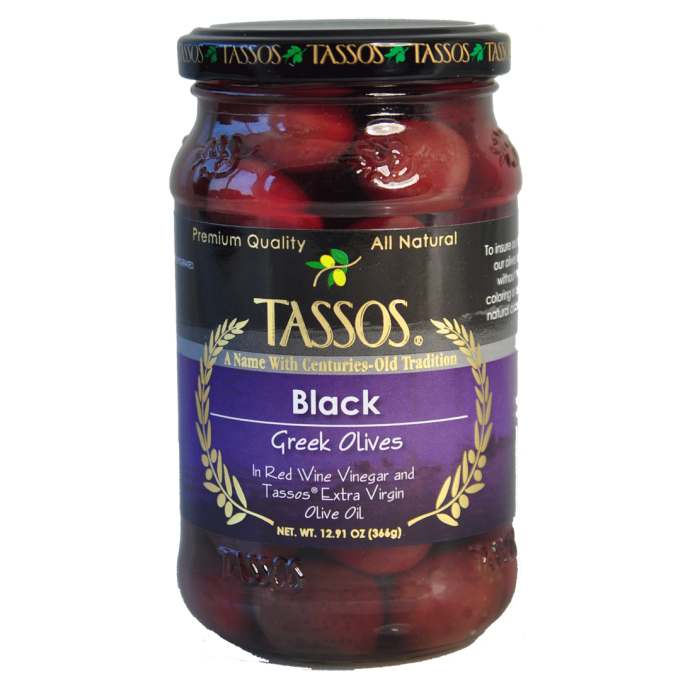
black olives
We don't have a description for this ingredient yet.
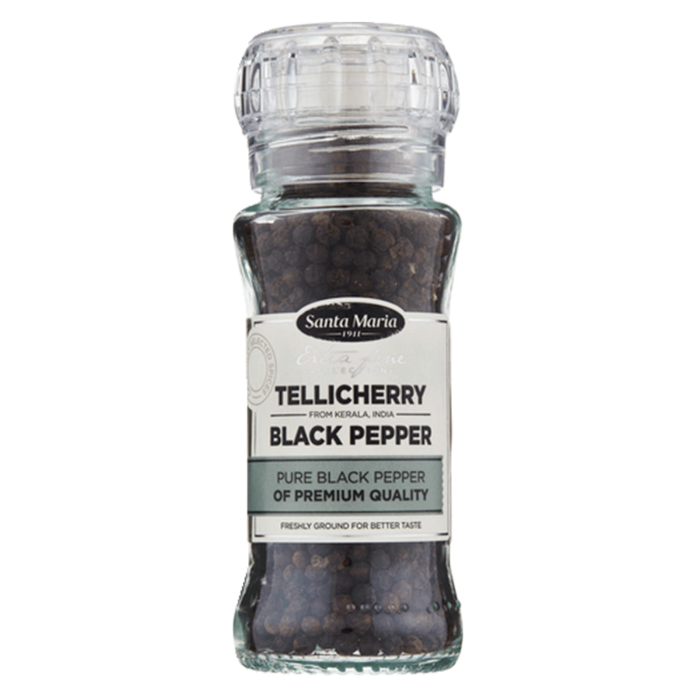
black pepper
Black pepper (Piper nigrum) is a flowering vine in the family Piperaceae, cultivated for its fruit, known as a peppercorn, which is usually dried and used as a spice and seasoning. When fresh and fully mature, it is about 5 mm (0.20 in) in diameter and dark red, and contains a single seed, like all drupes. Peppercorns and the ground pepper derived from them may be described simply as pepper, or more precisely as black pepper (cooked and dried unripe fruit), green pepper (dried unripe fruit), or white pepper (ripe fruit seeds). Black pepper is native to present-day Kerala in Southwestern India, and is extensively cultivated there and elsewhere in tropical regions. Vietnam is the world's largest producer and exporter of pepper, producing 34% of the world's crop, as of 2013.

black pudding
We don't have a description for this ingredient yet.
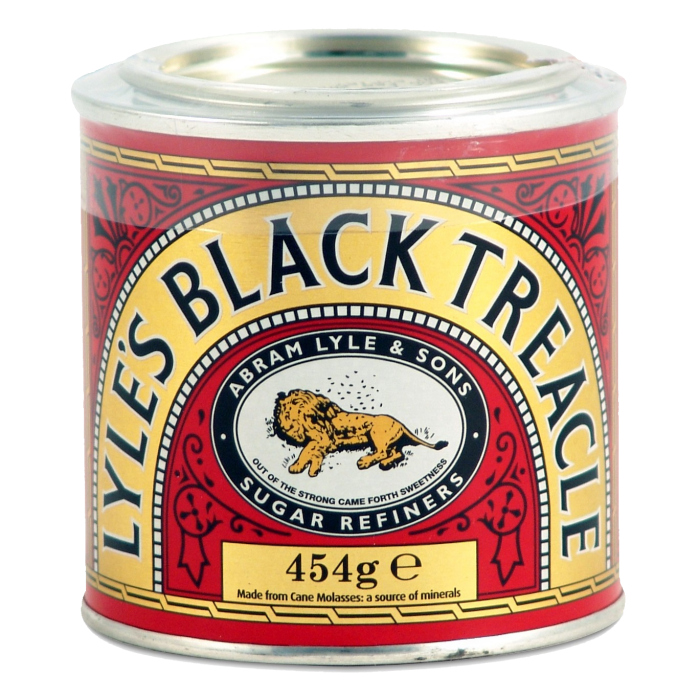
black treacle
Molasses (American English) or black treacle (British English) is a viscous product resulting from refining sugarcane or sugar beets into sugar. Molasses varies by amount of sugar, method of extraction, and age of plant. Sugarcane molasses is primarily used for sweetening and flavoring foods in the United States, Canada, and elsewhere. Molasses is a defining component of fine commercial brown sugar. Sweet sorghum syrup may be colloquially called "sorghum molasses" in the southern United States.[2][3] Similar products include honey, maple syrup, corn syrup, and invert syrup. Most of these alternative syrups have milder flavors.
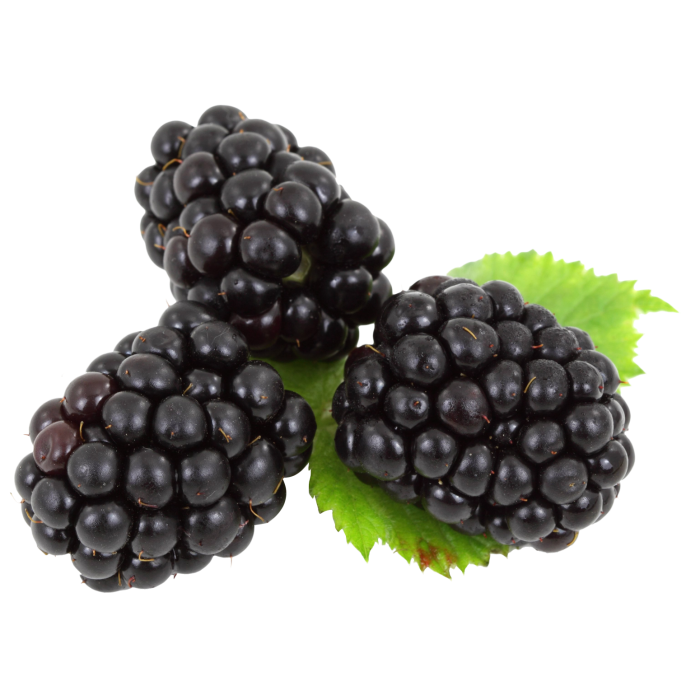
blackberries
We don't have a description for this ingredient yet.
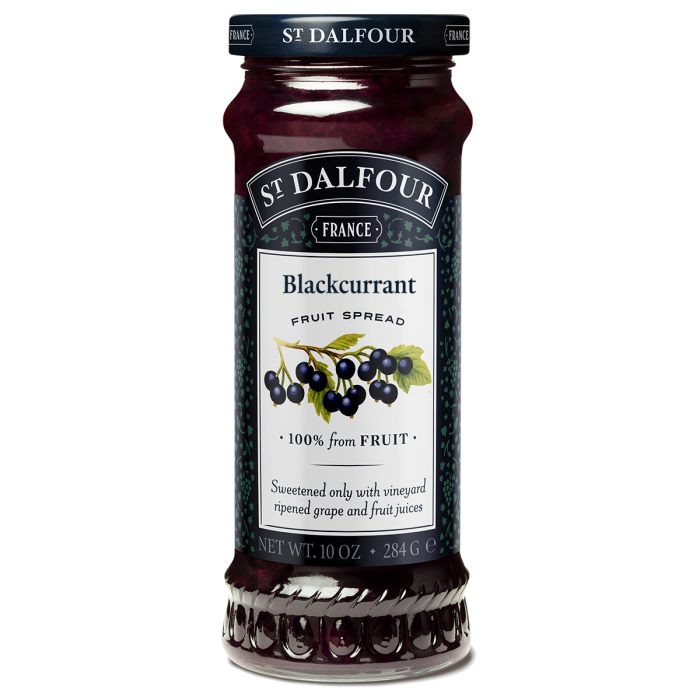
blackcurrant jam
Fruit
Blackcurrant jam is a fruit spread made from blackcurrants, sugar, and sometimes a little water. It is known for its rich, tangy, and deep fruity flavor and its dark color. The high natural pectin content in blackcurrants allows it to set well, often without added pectin or lemon juice. Ingredients: Primarily blackcurrants (fresh or frozen) and sugar. Water is often included to help the cooking process. Preparation: The fruit is cooked with sugar and water until it breaks down and thickens into a jam. Some recipes might require additional ingredients like lemon juice or pectin, depending on the desired consistency. Flavor and appearance: It has an intense, tart flavor and a deep, glossy, dark purple-black color. Uses: It is commonly spread on toast, scones, or porridge, and can also be used as a filling for cakes and pastries. Texture: It is a jam, so it contains crushed fruit and seeds, giving it a slightly seedy texture. To make a smoother jam, the cooked fruit can be sieved before the sugar is added, or a blackcurrant jelly can be made instead.
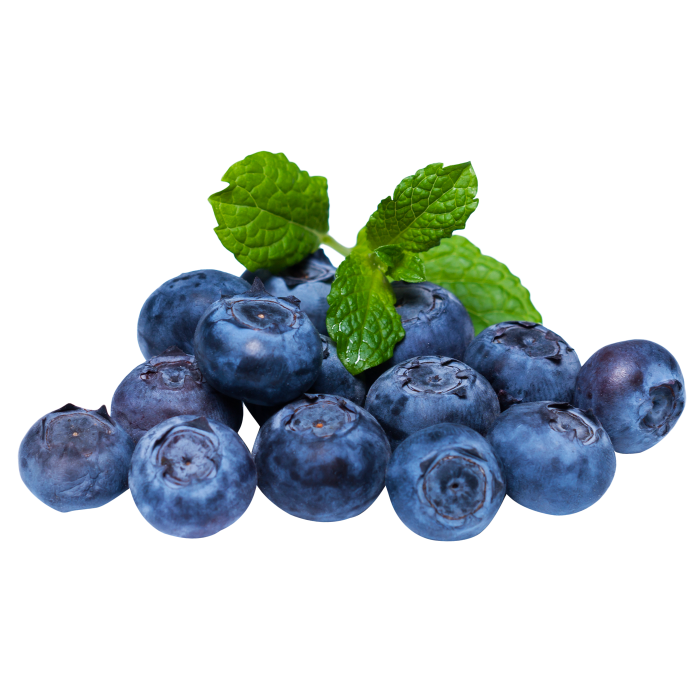
blueberries
We don't have a description for this ingredient yet.

boiling water
Liquid
Water is an inorganic, transparent, tasteless, odorless, and nearly colorless chemical substance, which is the main constituent of Earth's hydrosphere and the fluids of most living organisms. It is vital for all known forms of life, even though it provides no calories or organic nutrients. Its chemical formula is H2O, meaning that each of its molecules contains one oxygen and two hydrogen atoms, connected by covalent bonds. Water is the name of the liquid state of H2O at standard ambient temperature and pressure. It forms precipitation in the form of rain and aerosols in the form of fog. Clouds are formed from suspended droplets of water and ice, its solid state. When finely divided, crystalline ice may precipitate in the form of snow. The gaseous state of water is steam or water vapor. Water moves continually through the water cycle of evaporation, transpiration (evapotranspiration), condensation, precipitation, and runoff, usually reaching the sea.
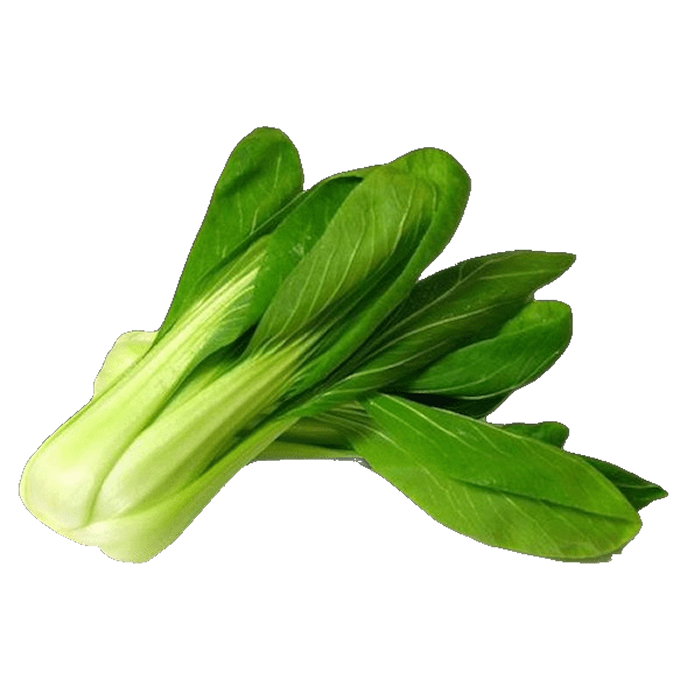
bok choi
Fish
Bok choy, also called pak choi, is a type of Chinese cabbage with a crisp texture and a mild flavor that is between spinach and cabbage. It has dark green leaves and thick, white, or pale green stalks that are bulbous at the base. Native to China, it is a versatile vegetable commonly used in stir-fries, soups, and other Asian dishes, and both the leaves and stems are edible.
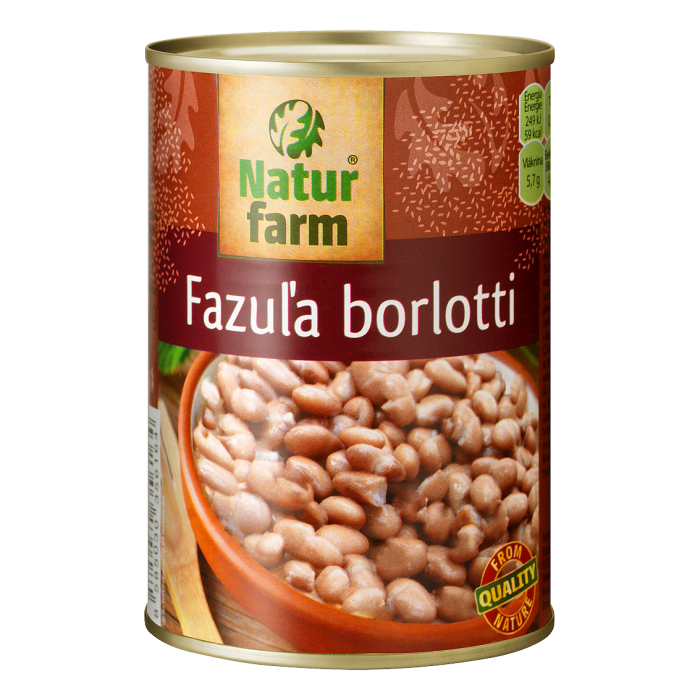
borlotti beans
We don't have a description for this ingredient yet.
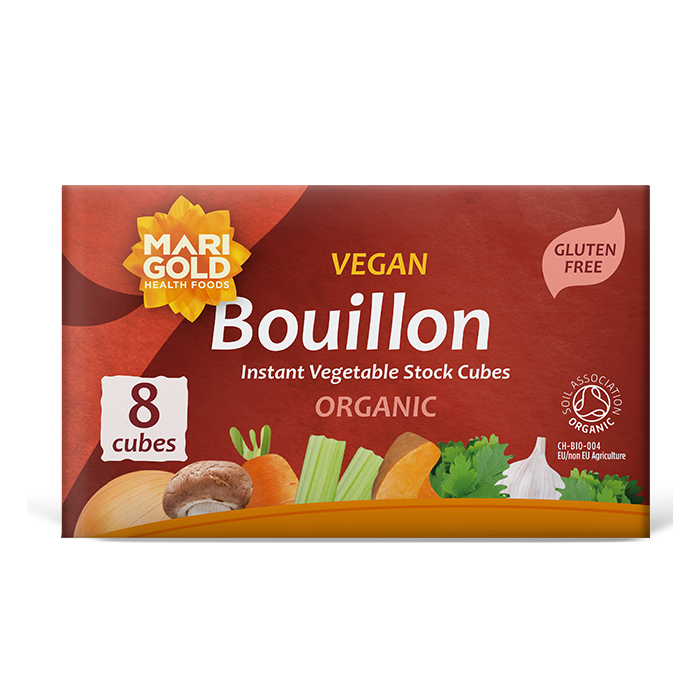
bouillon cubes
Seasoning
Bouillon cubes are dehydrated, condensed broth or stock packaged in a small cube, made from ingredients like meat or vegetable stock, salt, fat, MSG, and seasonings. They are used to quickly make an instant broth for soups, stews, sauces, and other dishes by dissolving them in hot water, adding flavor and depth without the need to make stock from scratch. What they are made of Dehydrated meat or vegetable stock Salt Fat MSG (monosodium glutamate) and other seasonings How to use them Dissolve a cube in hot water to create a flavored liquid for cooking or for a quick soup. Add to recipes like soups, stews, risottos, and sauces to enhance flavor. Be mindful of the salt content, as they can be quite salty, and taste the liquid before adding more salt to your dish. Where to find them Available in most grocery stores in various flavors, such as chicken, beef, and vegetable. Some brands also offer them in granular, powdered, or paste forms.
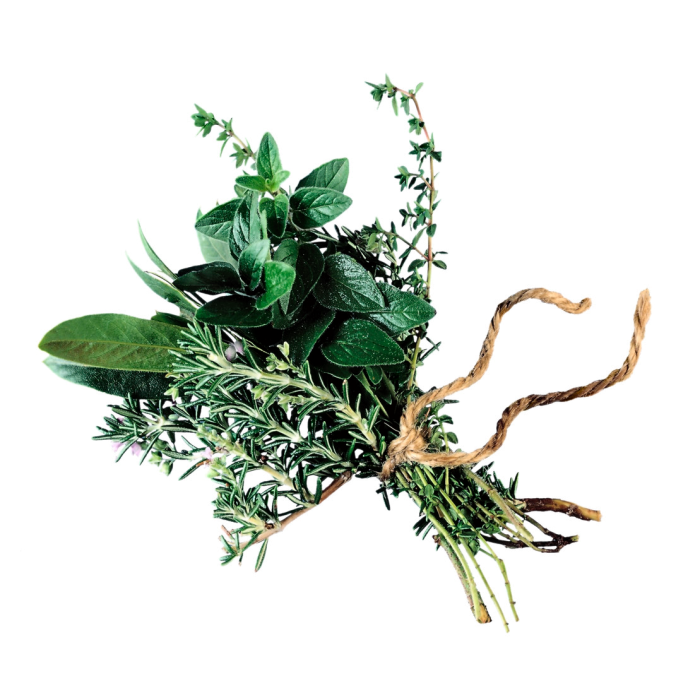
bouquet garni
We don't have a description for this ingredient yet.
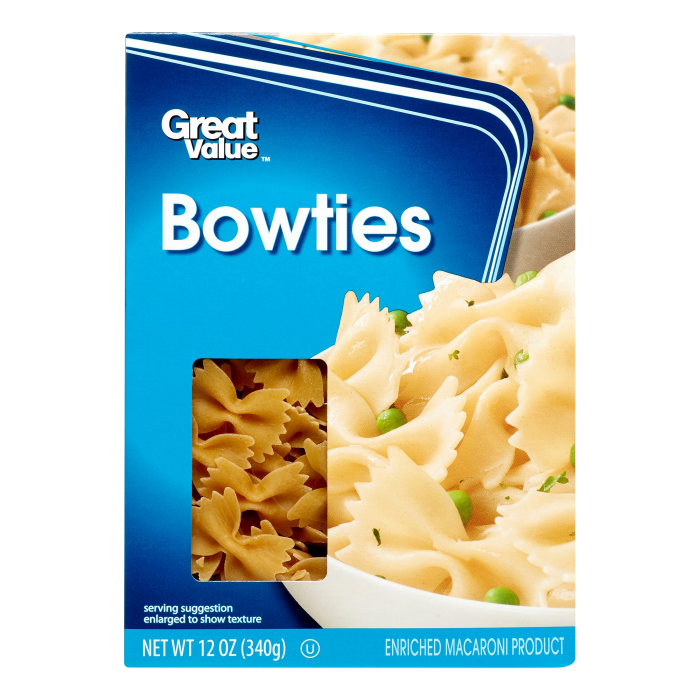
bowtie pasta
We don't have a description for this ingredient yet.