Ingredients
Explore all the little things that make our recipes tasty.
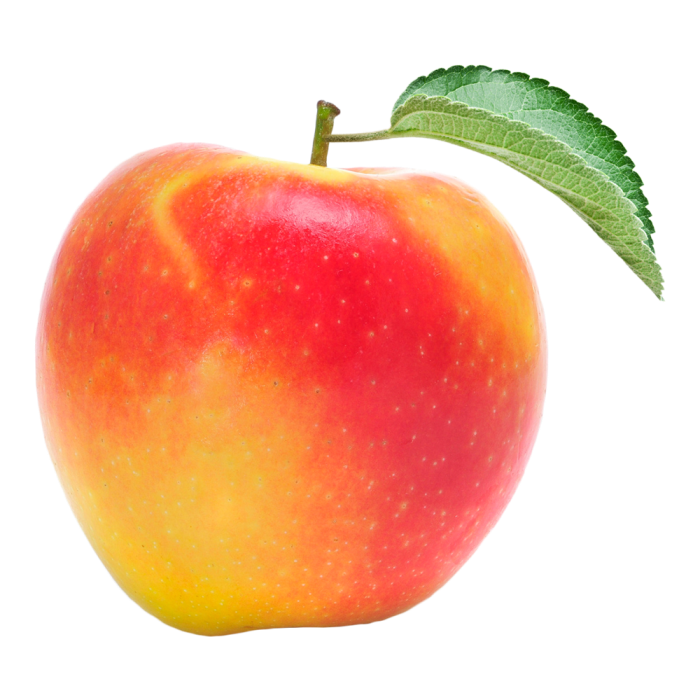
braeburn apples
We don't have a description for this ingredient yet.
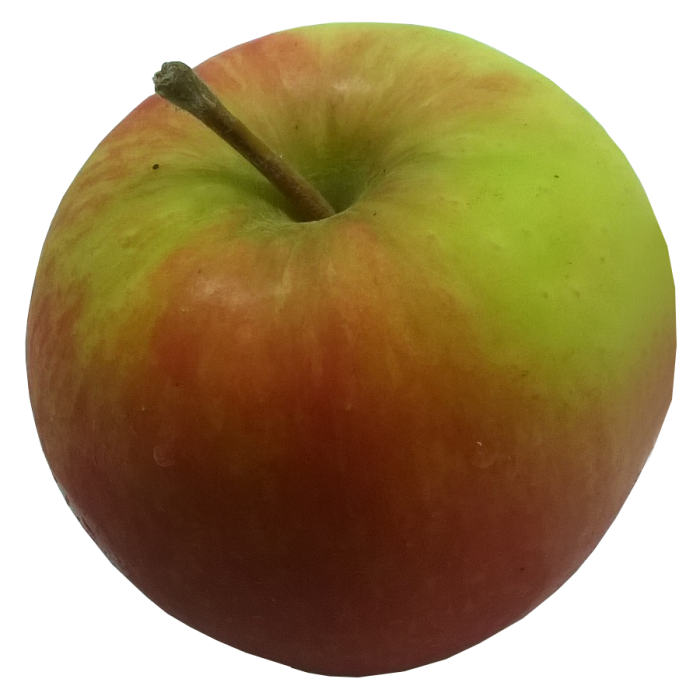
bramley apples
We don't have a description for this ingredient yet.
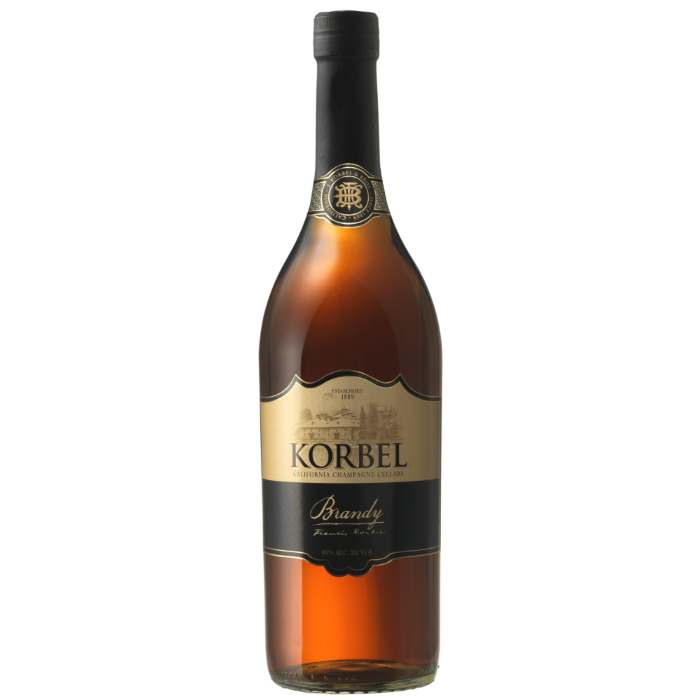
brandy
We don't have a description for this ingredient yet.
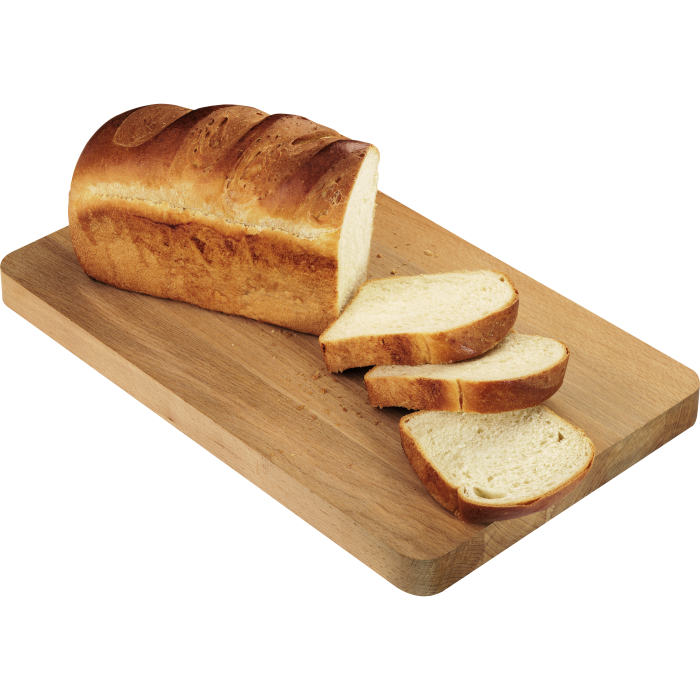
bread
We don't have a description for this ingredient yet.
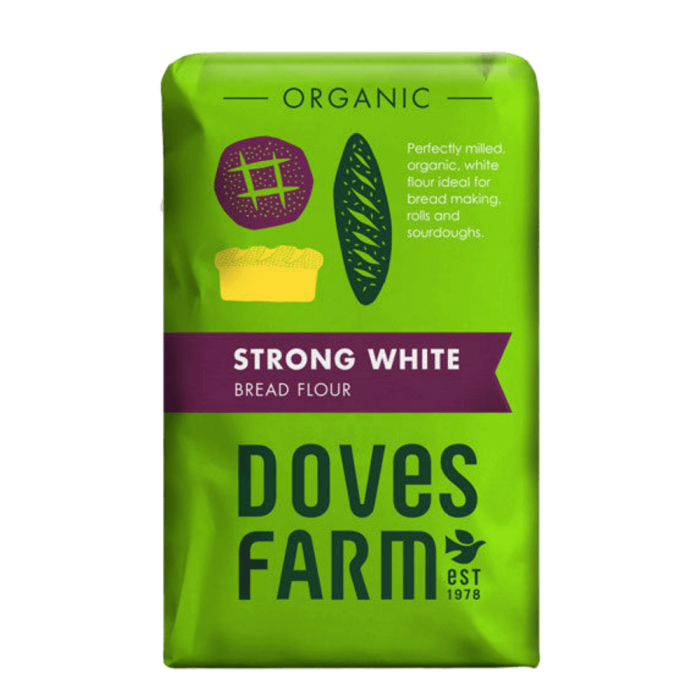
bread flour
Grain
Bread flour is a high-protein white flour made from hard wheat that is ideal for baking because its protein content, typically between 12-14%, creates a strong, elastic gluten network when kneaded. This results in dough that can rise well and produce a chewier texture, making it suitable for loaves, bagels, and pretzels. What makes it different High protein content: Bread flour has a significantly higher protein content than all-purpose flour, typically 12-14% protein compared to 10-11.7% for all-purpose. Source: It is milled from hard wheat varieties, which are higher in protein. Gluten development: The high protein content allows for more gluten to form when the flour is mixed with water and kneaded. Elasticity: This gluten forms an elastic and stretchy structure that gives bread a chewy quality and allows it to rise with a good structure. "Thirsty" flour: Bread flour absorbs more water, so recipes may need adjustments for moisture. Best for Artisan loaves and sourdough bread Bagels and pretzels Any baked good that requires a strong structure and chewy texture Not ideal for Cakes, muffins, and other tender baked goods where you want a softer texture
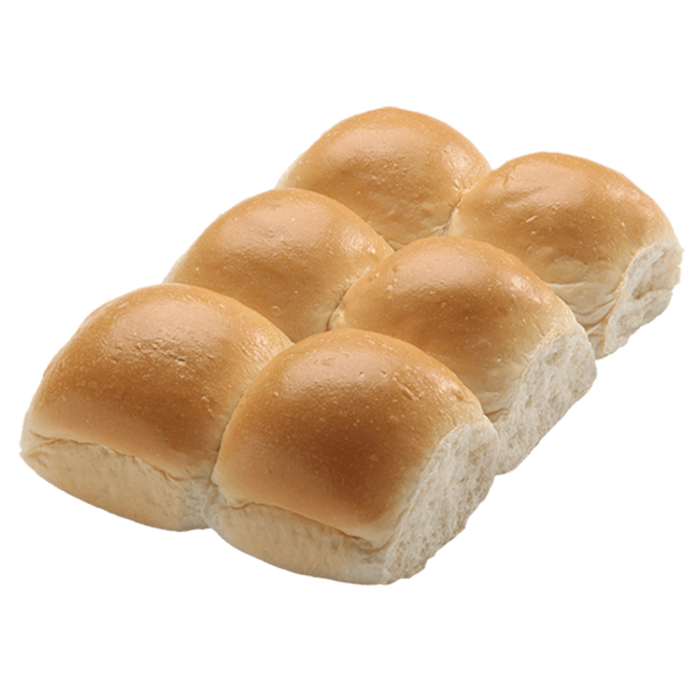
bread rolls
Bread
A roll is a small, usually round or oblong individual loaf of bread served as a meal accompaniment (eaten plain or with butter) A roll can be served and eaten whole or cut transversely and dressed with filling between the two halves. Rolls are also commonly used to make sandwiches similar to those produced using slices of bread. They are found in most cuisines all over the world. In the Deipnosophistae, the author Athenaeus (c. 170 – c. 230) describes some of the bread, cakes, and pastries available in the Classical world. Among the breads mentioned are griddle cakes, honey-and-oil bread, mushroom-shaped loaves covered in poppy seeds, and the military specialty of rolls baked on a spit.
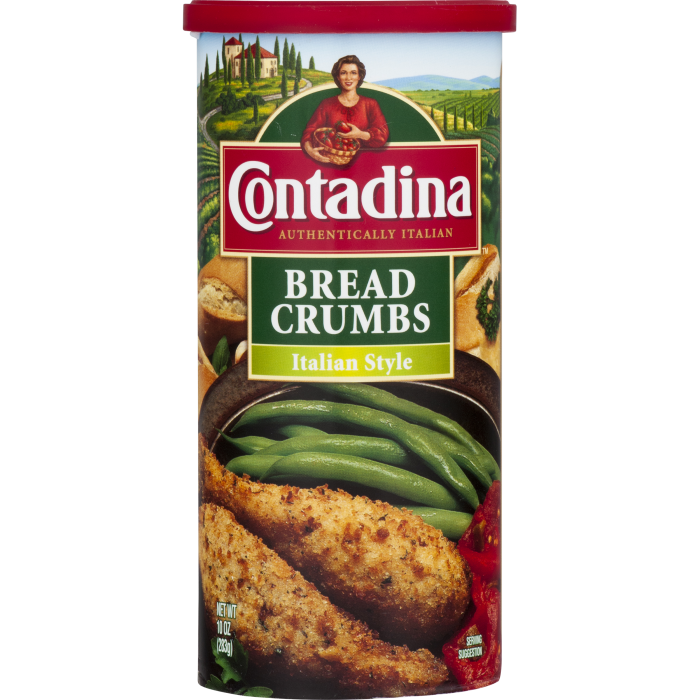
breadcrumbs
We don't have a description for this ingredient yet.
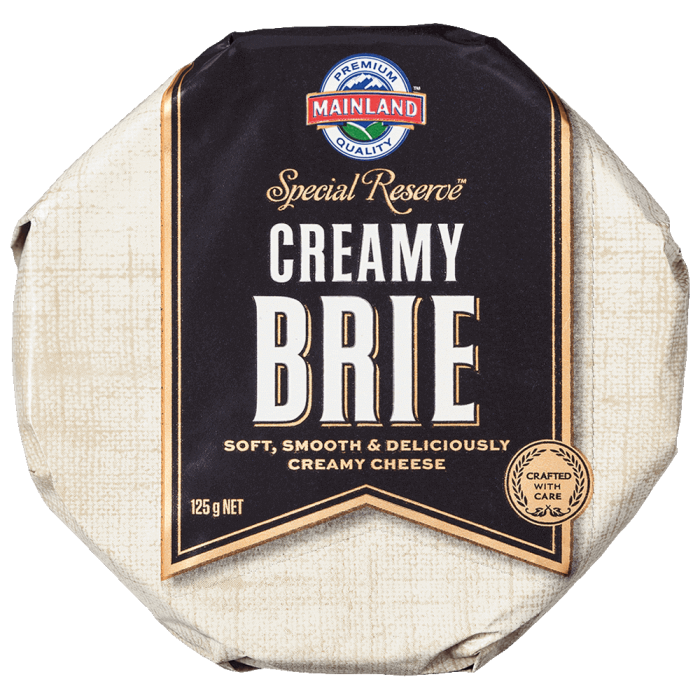
brie
We don't have a description for this ingredient yet.
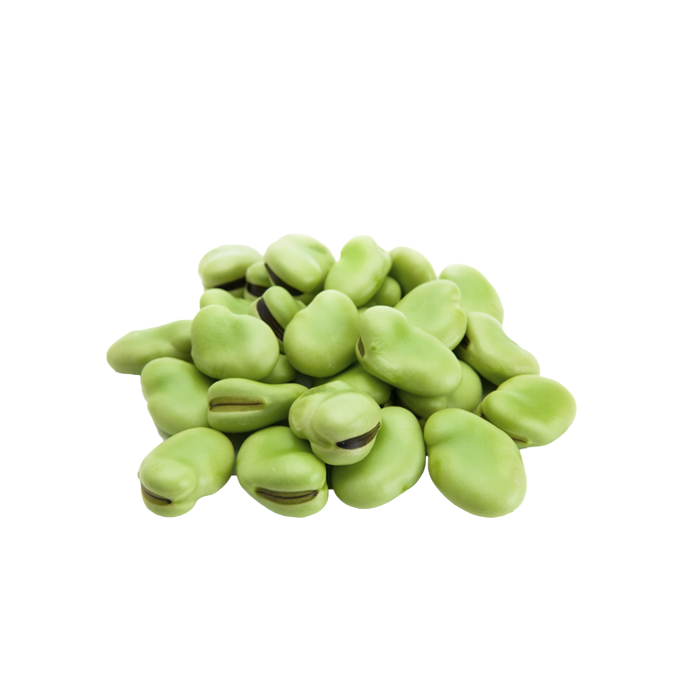
broad beans
Vegetable
Vicia faba, also known as the broad bean, fava bean, faba bean, field bean, bell bean, or tic bean, is a species of flowering plant in the pea and bean family Fabaceae. It is native to North Africa[dubious – discuss] southwest and south Asia, and extensively cultivated elsewhere.[citation needed] A variety Vicia faba var. equina Pers. – horse bean has been previously recognized.
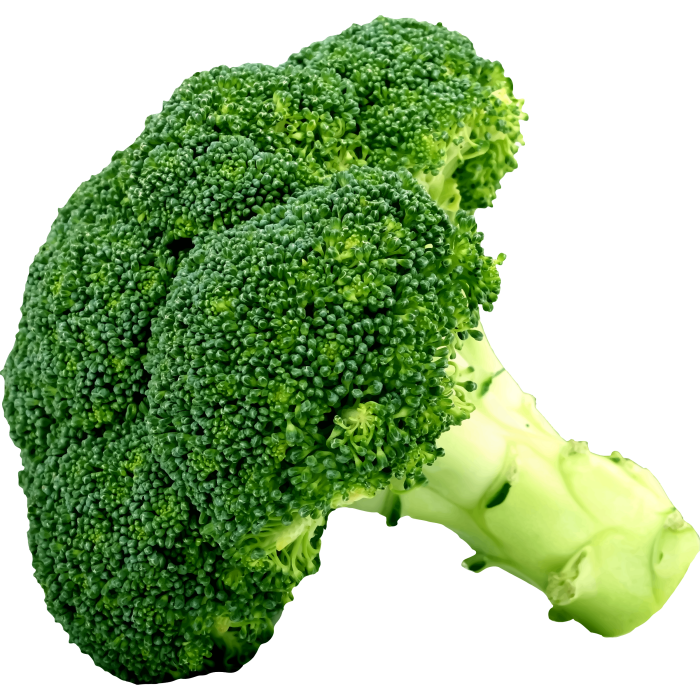
broccoli
We don't have a description for this ingredient yet.
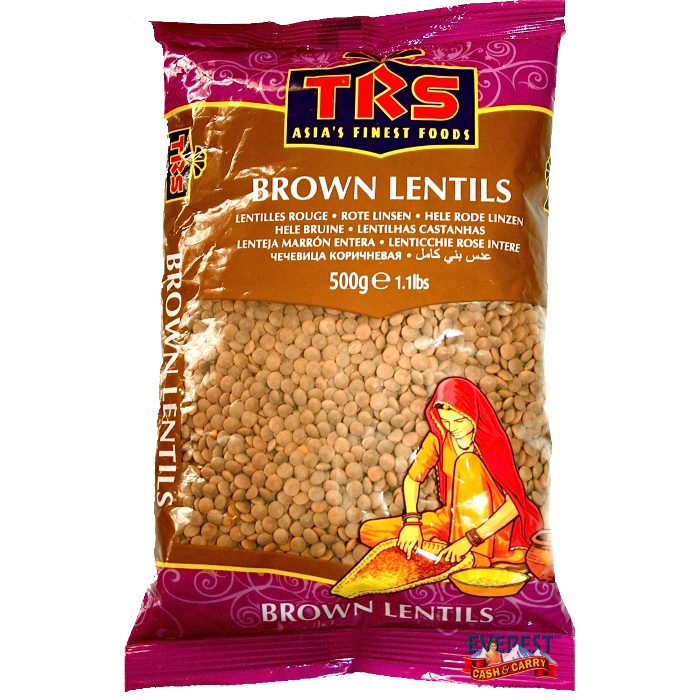
brown lentils
We don't have a description for this ingredient yet.
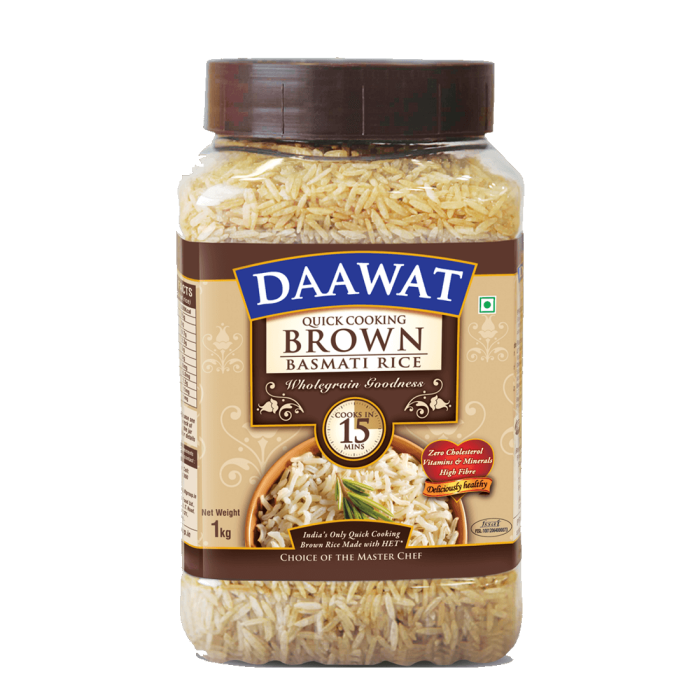
brown rice
We don't have a description for this ingredient yet.

brown rice noodle
Pasta
Brown rice noodles are a versatile, gluten-free pasta alternative made from whole grain brown rice flour and water. They retain more nutrients like fiber, B vitamins, and minerals than white rice noodles and are used in a variety of dishes, from stir-fries and soups to salads.
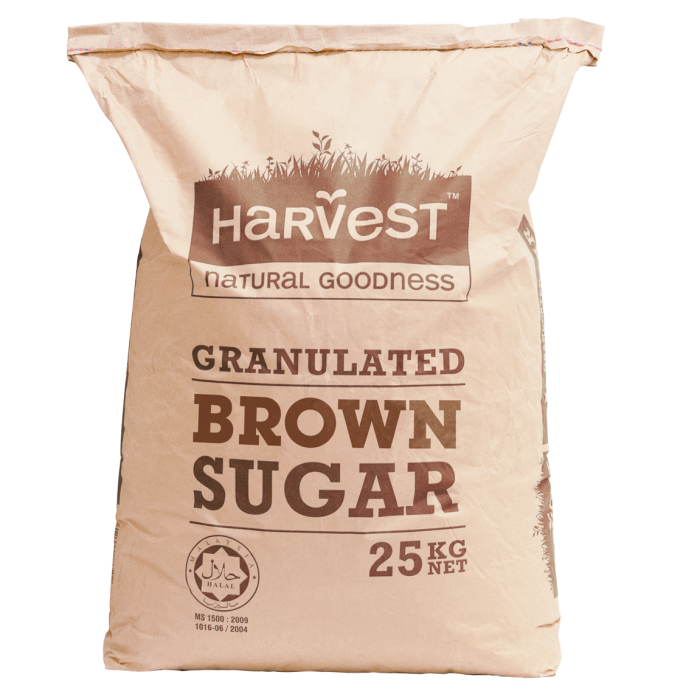
brown sugar
We don't have a description for this ingredient yet.
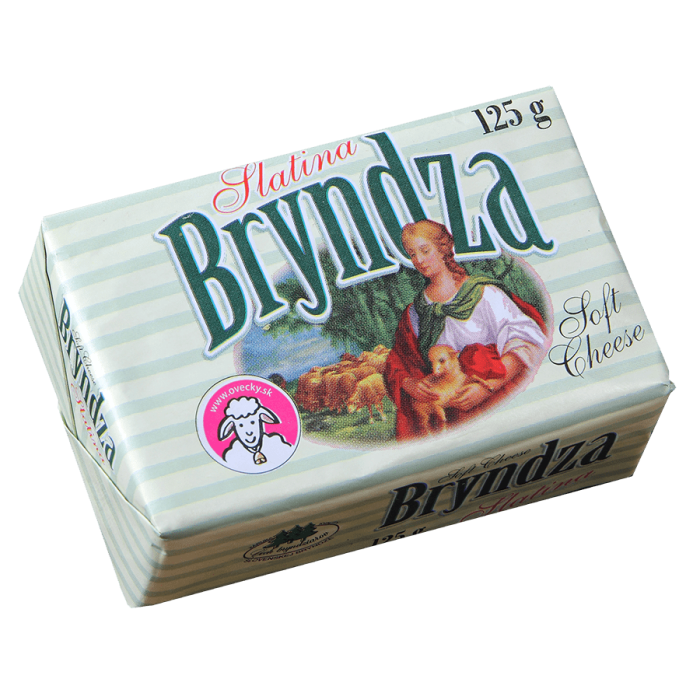
bryndza cheese
Cheese
Bryndza is a traditional, salty sheep's milk cheese from Central and Eastern Europe, known for its soft, spreadable, and tangy flavor. It is white, crumbly, and often used in various regional dishes, though it does not melt well. While traditionally made from sheep's milk, it can sometimes include goat's or cow's milk as well. Key characteristics Milk type: Traditionally made from sheep's milk, though cow's or goat's milk can be included. Texture and color: It is a soft, white, and spreadable cheese that has a crumbly and granular form. Flavor: It has a distinct salty and tangy flavor, often described as being slightly pungent or spicy. Regional origin: It is a staple cheese in countries like Slovakia, Poland, and Ukraine, with its origins traced back to the Carpathian Mountains. Uses: It is frequently used as a spread or as an ingredient in both hot and cold dishes, such as dumplings or pastries. It is also enjoyed fresh on its own. Production Bryndza is typically made by milling aged sheep's cheese, sometimes mixed with cow's cheese, to create its characteristic smooth and spreadable consistency. Some versions of Slovenská bryndza, a protected geographical indication in Slovakia, are made with a specific ratio of unpasteurized and pasteurized cheeses, notes AnyCheese.
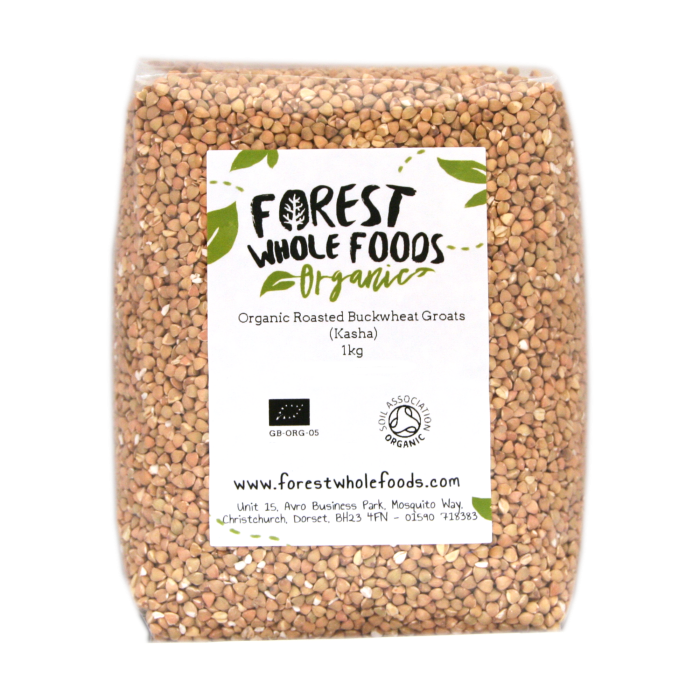
buckwheat
Grain
Buckwheat (Fagopyrum esculentum), or common buckwheat, is a plant cultivated for its grain-like seeds and as a cover crop. The name "buckwheat" is used for several other species, such as Fagopyrum tataricum, a domesticated food plant raised in Asia. Despite the name, buckwheat is not closely related to wheat, as it is not a grass. Instead, buckwheat is related to sorrel, knotweed, and rhubarb. Buckwheat is referred to as a pseudocereal because its seeds' culinary use is the same as cereals', owing to their composition of complex carbohydrates.
buckwheat flour
Legume
Buckwheat flour is a nutritious, naturally gluten-free flour milled from the triangular seeds of the buckwheat plant, related to rhubarb, not wheat, known for its earthy, nutty, slightly sour flavor, perfect for pancakes (like French galettes), noodles (soba), and as a wheat flour substitute in baking for added protein and fiber. Key Characteristics Gluten-Free: Ideal for celiac diets or gluten-free baking. Flavor Profile: Distinctive earthy, nutty, and slightly bitter taste. Nutrient-Rich: High in protein, fiber, and minerals, with antioxidants. Appearance: Greyish-brown, sometimes with dark flecks from the hull. Uses in Cooking & Baking Traditional Dishes: Famous for French galettes (savory pancakes) and Japanese soba noodles. Pancakes & Waffles: Adds moisture and flavor, often blended with other flours. Baking Substitute: Can replace a portion of wheat flour in breads, cakes, and pastries, providing a protein boost. How it's Made Milled from the whole buckwheat seed, with only the inedible husk removed, retaining nutrients.
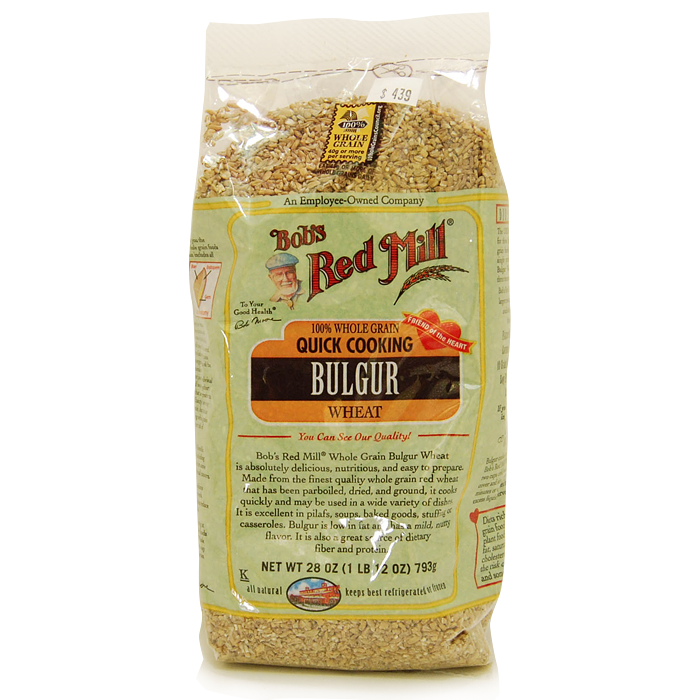
bulgur wheat
Cereal
Bulgur is a cereal food made from the cracked parboiled groats of several different wheat species, most often from durum wheat. It originates in Middle Eastern cuisine.
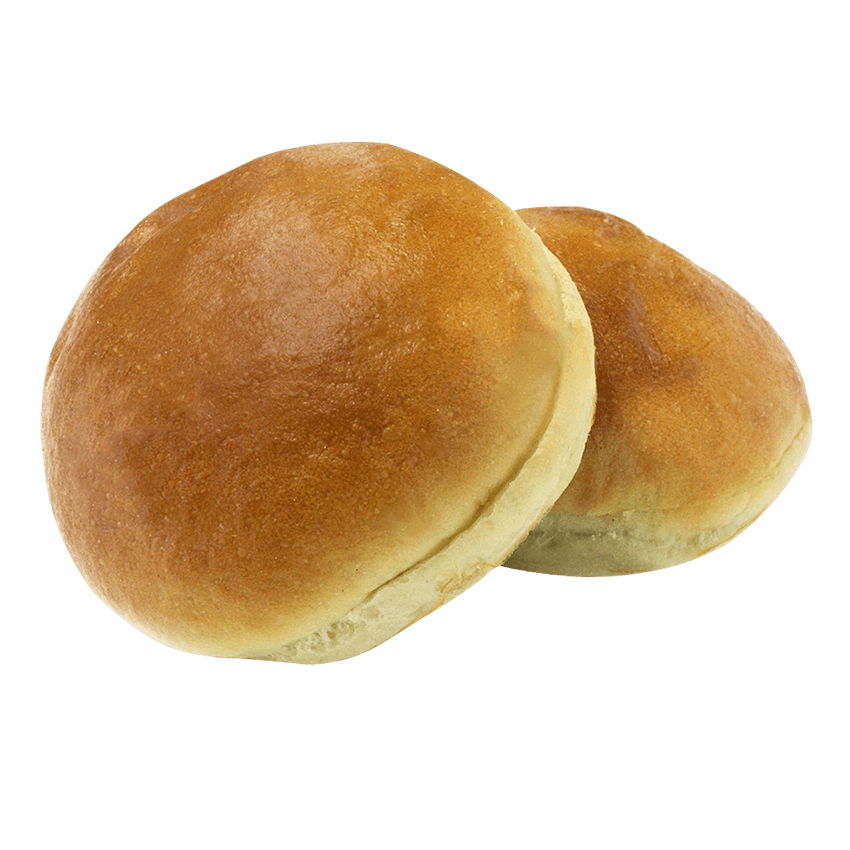
bun
Bread
A bun is a small, sometimes sweet, bread-based item[1] or roll. Though they come in many shapes and sizes, they are most commonly hand-sized or smaller, with a round top and flat bottom.
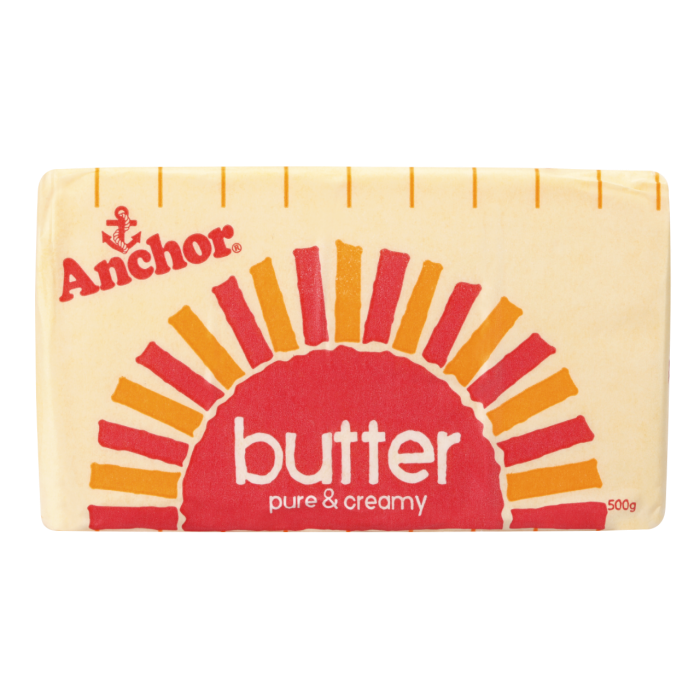
butter
We don't have a description for this ingredient yet.
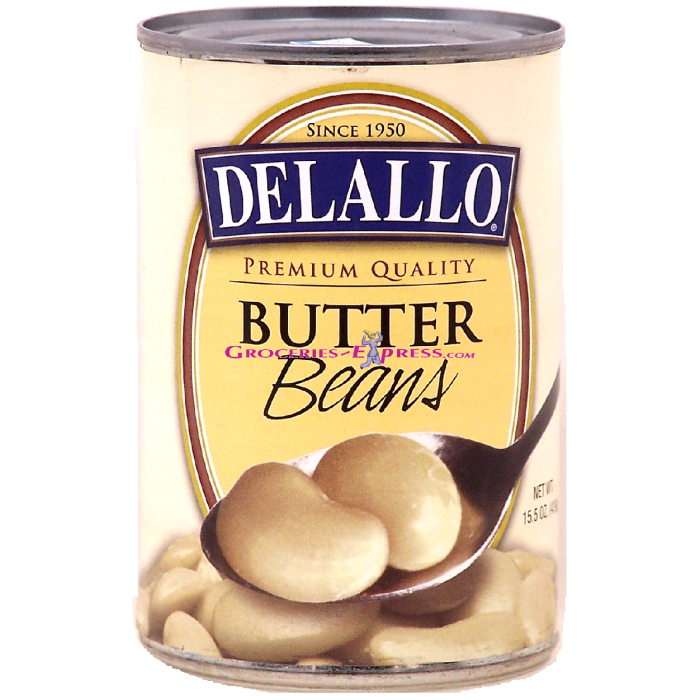
butter beans
We don't have a description for this ingredient yet.
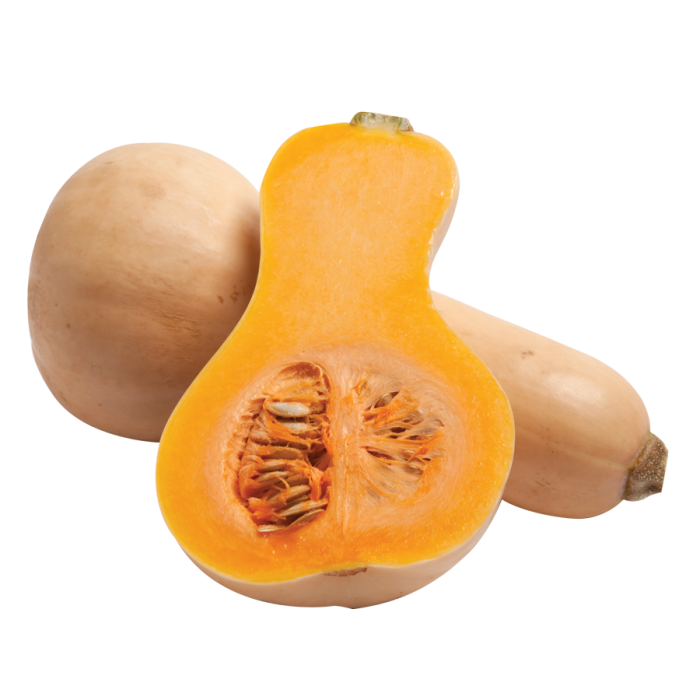
butternut squash
We don't have a description for this ingredient yet.
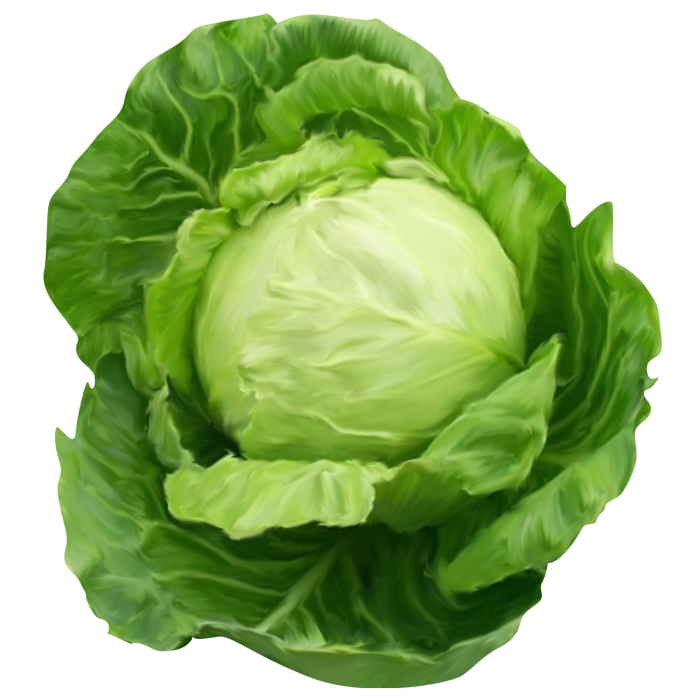
cabbage
We don't have a description for this ingredient yet.
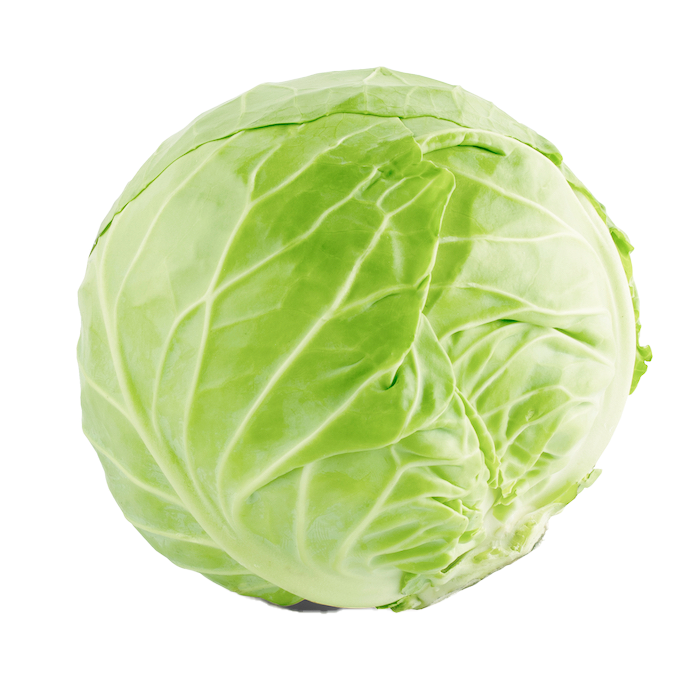
cabbage leaves
Root Vegetable
Cabbage leaves are the thick, layered leaves of the cabbage plant, a vegetable in the Brassica oleracea family. They grow in a compact, round head and can be smooth or crinkled, and come in colors like green, white, and purple. The leaves are edible and nutritious, rich in vitamin K1 and other compounds, and are used in cooking or for traditional remedies, such as reducing inflammation and easing breastfeeding-related discomfort.