Ingredients
Explore all the little things that make our recipes tasty.
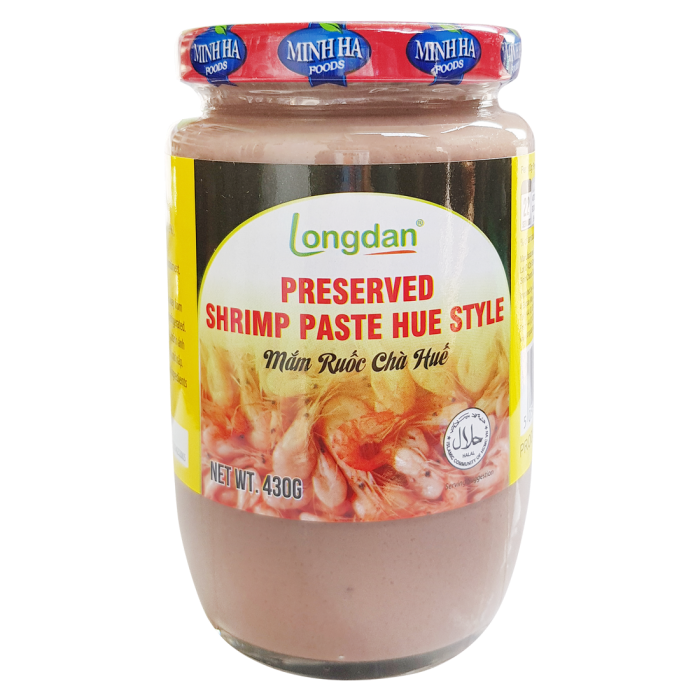
shrimp paste
Sauce
Shrimp paste is a fermented condiment made from ground shrimp mixed with salt, used extensively in Southeast Asian and coastal Chinese cooking. It adds a pungent, salty, and umami flavor to dishes like curries, stir-fries, and dipping sauces. The paste is typically cooked before use, often by frying it in oil to release its complex flavor. What it is Made from: Tiny shrimp or krill are mixed with salt, fermented, and then pounded into a paste. Flavor profile: It has an intense, pungent aroma and a deep, savory, salty, and umami flavor. Regional names: It is known by different names depending on the region, such as kapi in Thailand, belacan in Malaysia, and terasi in Indonesia. How to use it Add sparingly: Due to its potent flavor, you only need a small amount. Cook first: Always cook shrimp paste before eating. Gently frying it in a little oil until fragrant is a common way to prepare it for dishes. Versatile ingredient: It can be used to enhance a variety of dishes. Curries Stir-fries Dipping sauces (like sambals and nam prik gapi) Marinades Soups Storage Keep the paste refrigerated in an airtight container after opening to preserve it.
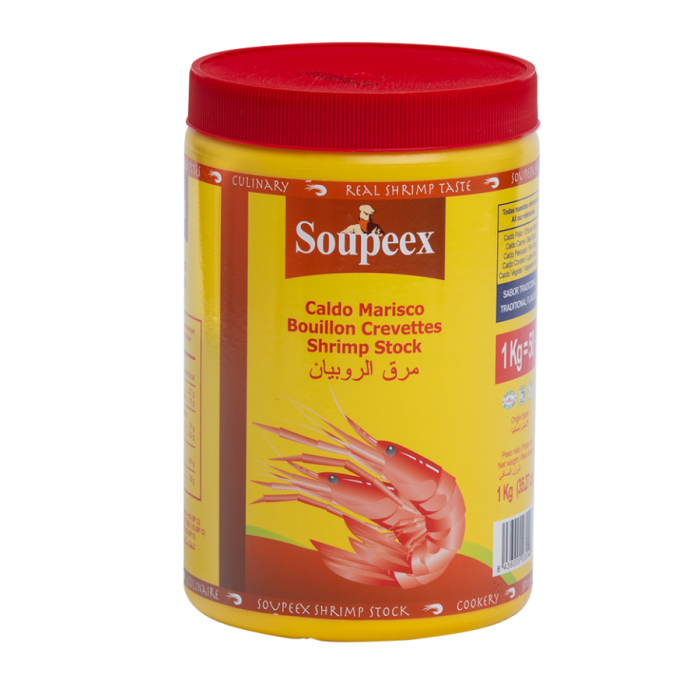
shrimp stock
Seasoning
Shrimp stock is a flavorful broth made by simmering shrimp shells and heads, often with aromatics like onion, celery, and garlic, to create a rich base for seafood dishes. It adds a deep, savory flavor to soups, sauces, risottos, and other meals, utilizing the parts of the shrimp that are often discarded
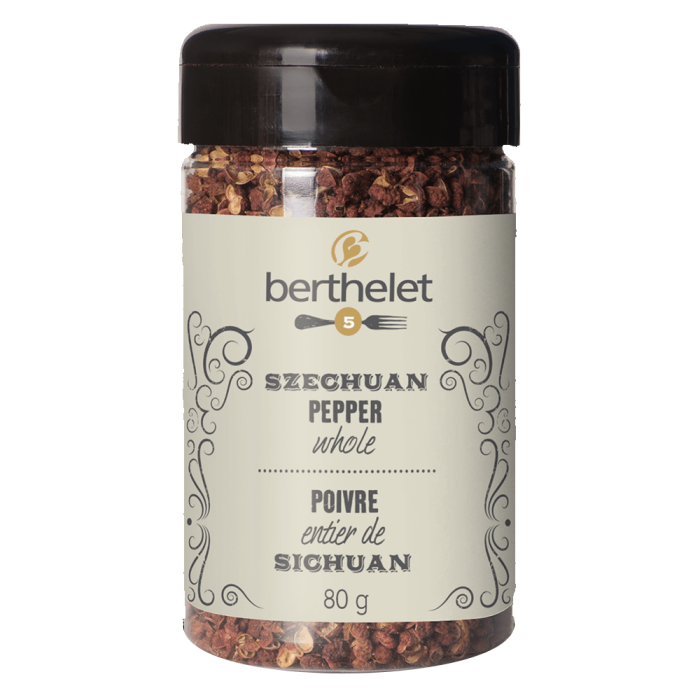
sichuan pepper
Spice
Sichuan pepper, Sichuan peppercorn, or Szechuan pepper, is a commonly used spice in Chinese cuisine. It is derived from at least two species of the global genus Zanthoxylum, including Z. simulans and Z. bungeanum. The genus Zanthoxylum belongs in the rue or citrus family, and, despite its name, is not closely related to either black pepper nor the chili pepper. The husk or hull (pericarp) around the seeds may be used whole, especially in Sichuan cuisine, and the finely ground powder is one of the ingredients for five-spice powder. It is also used in traditional Chinese medicine. The pericarp is most often used, but the leaves of various species are also used in some regions of China. Another species of Zanthoxylum native to China, Z. schinifolium, called xiāng jiāo zi (香椒子, "aromatic peppercorn") or qīng huā jiāo (青花椒, "green flower pepper"), is used as a spice in Hebei. While the exact flavour and composition of different species from the genus Zanthoxylum vary, most share the same essential characteristics. So while the terms "Sichuan pepper" and sanshō may refer specifically to Z. simulans and Z. piperitum, respectively, the two are commonly used interchangeably. Related species are used in the cuisines of Tibet, Bhutan, Nepal, Thailand, and India (the Konkani and Uttarakhandi people) and Toba Batak peoples. In Bhutan, this pepper is known as thingye and is used liberally in preparation of soups, gruels, and phaag sha paa (pork slices).[citation needed] In Nepal, timur is used in the popular foods momo, thukpa, chow mein, chicken chilli, and other meat dishes. It is also widely used in homemade pickles. People take timur as a medicine for stomach or digestion problems, in a preparation with cloves of garlic and mountain salt with warm water.
silken tofu
Legume
Silken vs. Regular Tofu: Know the DifferencesSilken tofu is a very soft, smooth, custard-like tofu with high water content, made by coagulating soy milk but leaving it unpressed, resulting in a delicate, jelly-like texture that doesn't hold its shape like firm tofu. Also called Japanese-style or soft tofu, it's perfect for blending into creamy vegan sauces, smoothies, desserts, dips, and soups, or for gentle heating in dishes like miso soup, but requires careful handling. Key Characteristics: Texture: Extremely smooth, delicate, wobbly, and silky; almost liquid when not set. Production: Made from soy milk, coagulated, but not pressed, retaining all its moisture. Flavor: Mild, often described as neutral or slightly nutty, making it a great flavor carrier. Common Uses: Creamy Bases: Blended for dairy-free cheesecakes, creamy pasta sauces, salad dressings, and vegan sour cream. Soups: Gently heated and added to soups like miso soup or blended into creamy soup bases. Desserts: Used as a base for custards, puddings, and smoothies. Egg Substitute: Can be seasoned and crumbled for vegan scrambles. Raw/Chilled: Eaten cold with savory dressings as an appetizer or side. How to Handle: Delicate: It falls apart easily, so it needs gentle scooping or blending. No Pressing: Do not press silken tofu; it will become watery and lose its unique texture.

single cream
We don't have a description for this ingredient yet.
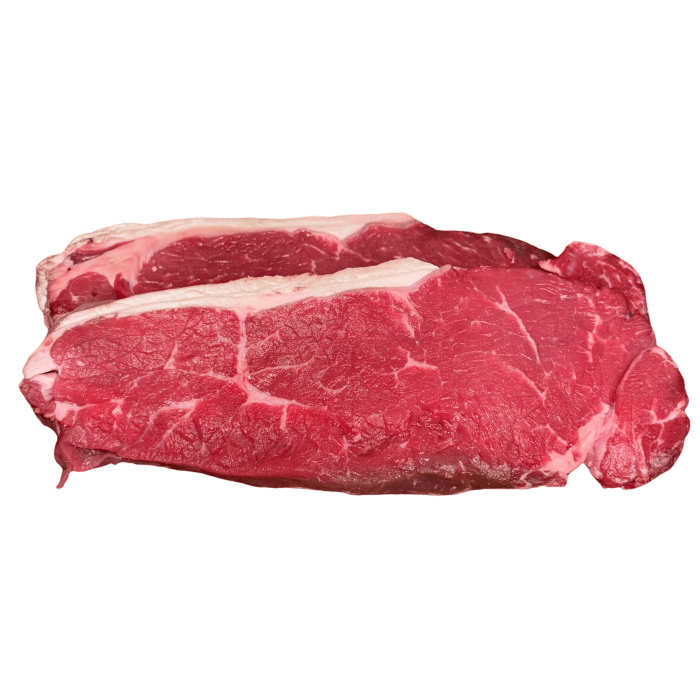
sirloin steak
Meat
Sirloin steak is a flavorful cut of beef from the middle to the rear section of the cow's back, known for being lean but having a robust taste. It is a versatile and popular cut that can be pan-fried, grilled, or barbecued and is suitable for a range of cooking levels from rare to well-done. What it is From where: It comes from the sirloin section, which is on the cow's back, situated between the fore-rib and the rump. Characteristics: Sirloin is a lean cut with larger muscle fibers. It has a strong flavor and can have a layer of fat along one edge, which provides moisture and flavor. Tenderness: While it can be less tender than cuts from areas that do less work, it remains juicy and has a rich taste. How to cook it Cooking methods: Sirloin is well-suited for high-heat methods like pan-frying, griddling, or grilling. Preparation: For best results, allow the steak to come to room temperature before cooking. Cooking time: Cooking times vary based on desired doneness. For a 2cm thick sirloin steak, a general guideline is: Rare: 1-2 minutes per side Medium-rare: 2 minutes per side Medium: 2-3 minutes per side Resting: After cooking, it's essential to let the steak rest for at least five minutes before serving.
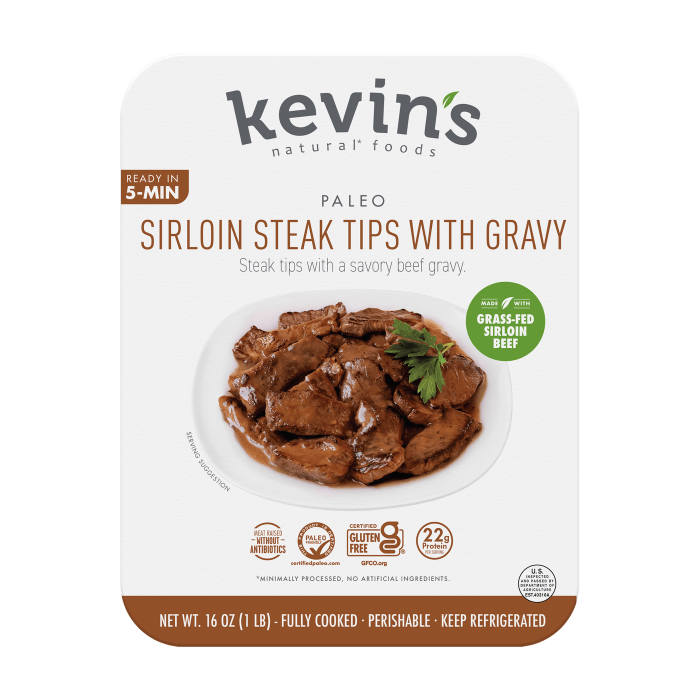
sirloin steak tips
Meat
Sirloin steak tips are a versatile cut of beef, most commonly referring to the lean and flavorful meat from the sirloin flap or bottom sirloin butt. This cut is often sold as whole steaks, cubes, or strips and is popular in New England. While named "sirloin," sirloin tip can also refer to the Sirloin Tip Roast, a separate, leaner cut from the round primal located at the back of the animal. Characteristics and preparation Flavor and texture: Sirloin tips are known for their rich, beefy flavor and have a loose grain, similar to flank or skirt steak. They are less tender than top sirloin and benefit from marinating to enhance flavor and tenderness. Common uses: They are great for quick meals like grilling, pan-searing, or stir-frying. For a more tender result, they can be cut into cubes for kabobs, stews, or used as cubed steak. Cooking tips: Marinate before cooking to improve tenderness. Cook to medium-rare or medium to avoid toughness. Slice thinly against the grain after cooking to maximize tenderness. Avoid piercing the surface while cooking to retain natural juices.
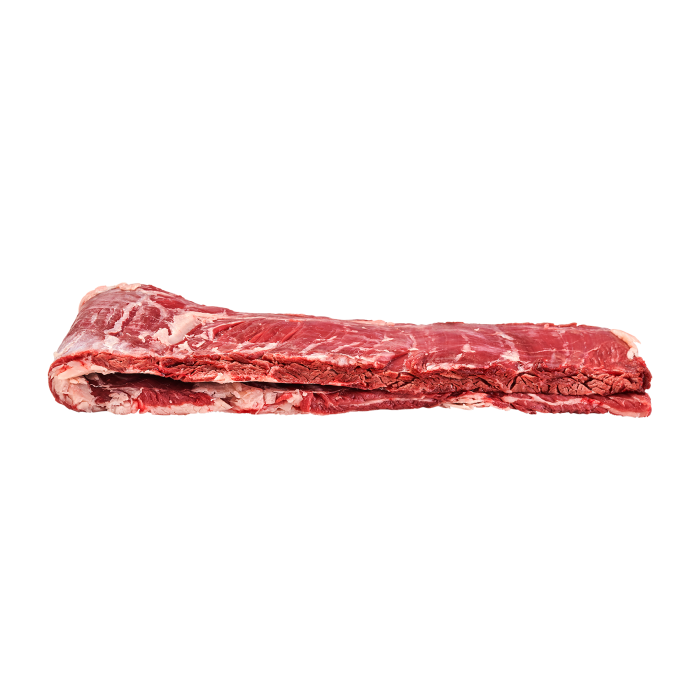
skirty steak
Meat
Skirt steak is a long, thin cut of beef from the diaphragm muscle of the cow, known for its rich, beefy flavor and coarse grain. It's a tougher cut that requires fast, high-heat cooking like grilling or pan-searing to medium-rare to stay tender, and is often used for dishes like steak tacos and fajitas. It is essential to slice the meat against the grain after cooking to ensure it isn't chewy. Characteristics Cut: Comes from the short plate primal, a muscular area below the ribs. Flavor: Has a very rich and intense beef flavor. Texture: Coarse-grained and can become tough if overcooked. Cooking: Best cooked to medium-rare and sliced against the grain for tenderness. Types of skirt steak Outside skirt: Located on the outside of the diaphragm, this cut is generally more tender, thicker, and more uniformly shaped than the inside skirt steak. It's often preferred in restaurants. Inside skirt: This cut is wider and has a chewier texture. It is often the type found in grocery stores. Cooking tips Marinate: Due to its toughness, marinating skirt steak is often recommended to help tenderize it. Sear quickly: Use a hot grill or pan to cook the steak quickly, watching closely to avoid overcooking. Slice against the grain: After cooking, slice the meat against the long muscle fibers to ensure it is tender to eat. Pairing: It is frequently paired with sauces like chimichurri to provide a bright, acidic contrast to the rich meat.

small potatoes
We don't have a description for this ingredient yet.
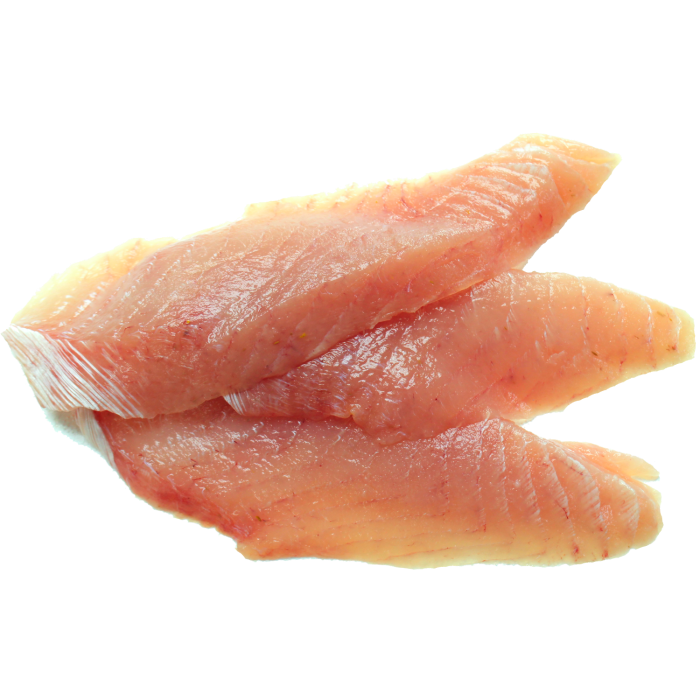
smoked haddock
We don't have a description for this ingredient yet.
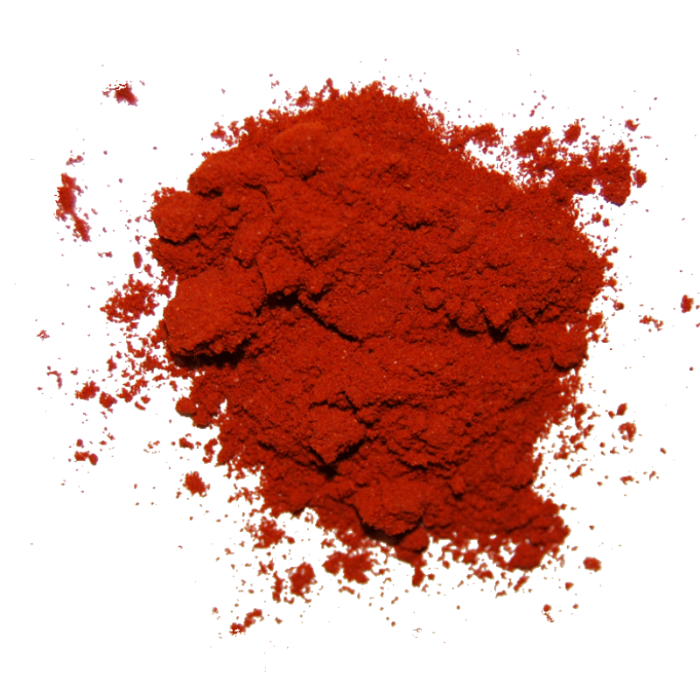
smoked paprika
We don't have a description for this ingredient yet.
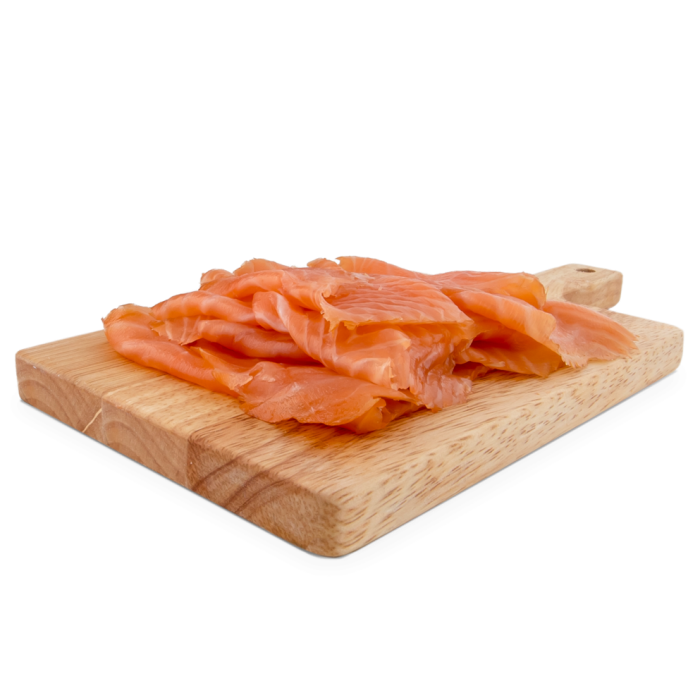
smoked salmon
Fish
Smoked salmon is a preparation of salmon, typically a fillet that has been cured and hot or cold smoked. Due to its moderately high price, smoked salmon is considered a delicacy. Although the term lox is sometimes applied to smoked salmon, they are different products.
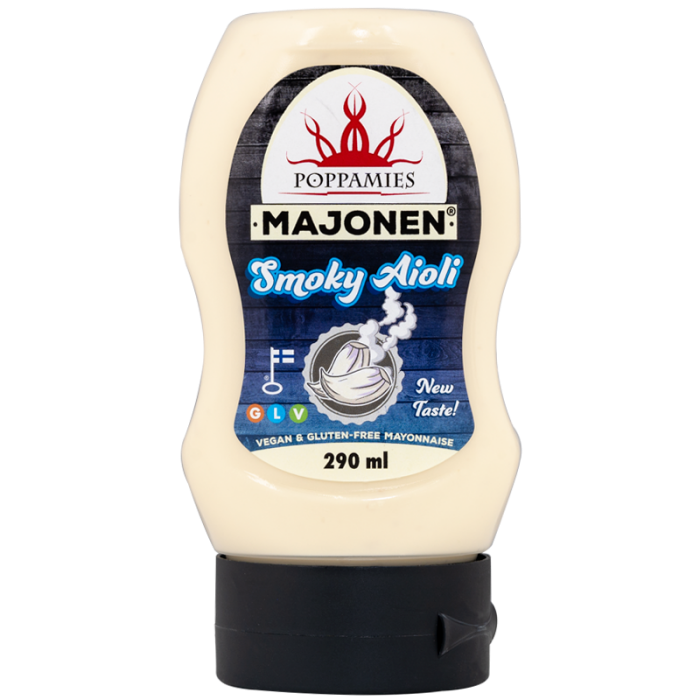
smoky aïoli
Sauce
Smoky aïoli is a creamy, garlic-infused condiment that includes a distinct smoky flavor. It is a versatile sauce used for dipping, spreading, and as a topping for a variety of foods. The smoky element can be added in several ways: Smoked paprika: One of the most common methods, this uses Spanish smoked paprika to lend a smoky flavor, along with the paprika's characteristic taste. Liquid smoke: This can be added in a small amount to mayonnaise to achieve a smoky taste. Smoked ingredients: Some recipes use ingredients that have been smoked beforehand, such as smoked garlic or smoked olive oil. Chipotle peppers in adobo sauce: Chipotle peppers are smoked, dried jalapeños, and using them provides both heat and smokiness. Barbecue flavorings: Other flavorings, like smoked barbecue sauce or spices, can also be used. Common uses Dipping sauce: Perfect for fries, onion rings, roasted potatoes, chicken, and seafood. Sandwich or burger spread: Adds a savory, smoky boost to burgers, turkey sandwiches, and wraps. Topping: A delicious accompaniment for grilled meats, roasted vegetables, and tacos.
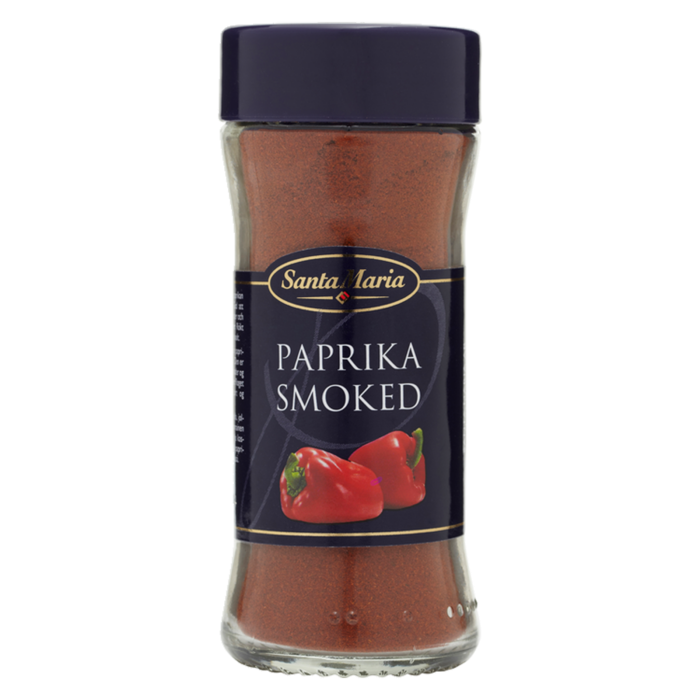
smoky paprika
We don't have a description for this ingredient yet.
snow peas
Root Vegetable
Snow peas are a type of edible-pod pea with flat pods and undeveloped, tiny seeds inside, known for their crisp texture and subtly sweet flavor, often used in stir-fries or eaten raw; they are also called mangetout and harvested when young and tender, distinct from sugar snap peas which have rounder, thicker pods.

soda water
Drink
Soda water is plain water that has been infused with carbon dioxide gas to create bubbles and may also contain added minerals like sodium bicarbonate to give it a slightly salty taste. It is a versatile ingredient used in cocktails, as a mixer, and as a healthier alternative to sugary drinks, and can even be used in some cooking applications
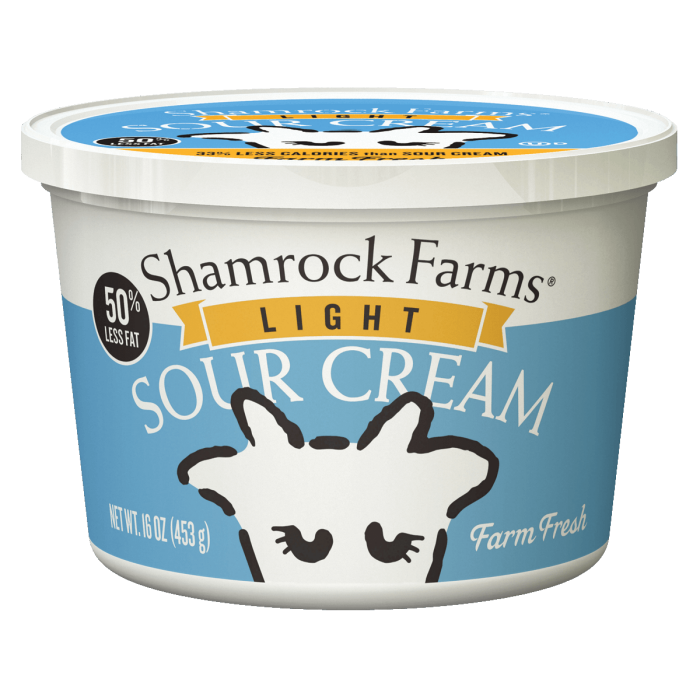
sour cream
We don't have a description for this ingredient yet.
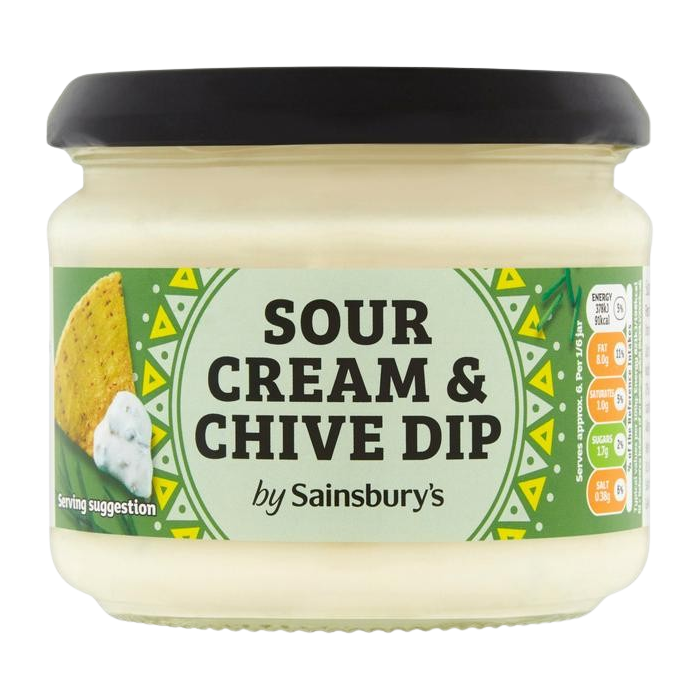
soured cream and chive dip
Dressing
A soured cream and chive dip is a dip made from fermented sour cream, finely chopped chives, and other ingredients like mayonnaise, garlic, and lemon juice. It's a popular appetizer served with snacks like potato chips and vegetable sticks, or used as a topping for baked potatoes. Base ingredients: The base is typically sour cream, which is made by fermenting cream with lactic acid bacteria, giving it a thick and tangy texture. Key additions: The signature flavor comes from fresh, finely diced chives. Other common additions include mayonnaise, garlic, lemon juice, salt, and pepper. Uses: It is commonly served as a dip for chips, crackers, and raw vegetables. It can also be used as a spread for sandwiches and wraps or as a topping for baked potatoes.
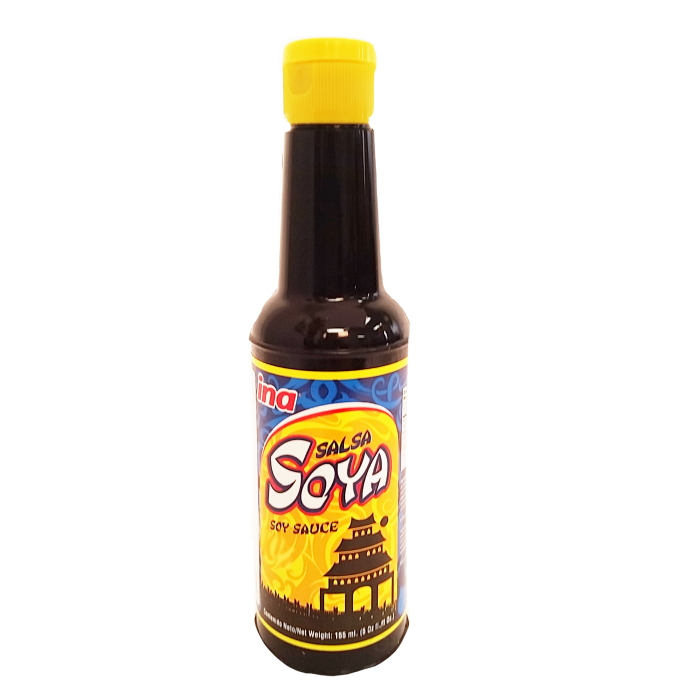
soy sauce
We don't have a description for this ingredient yet.
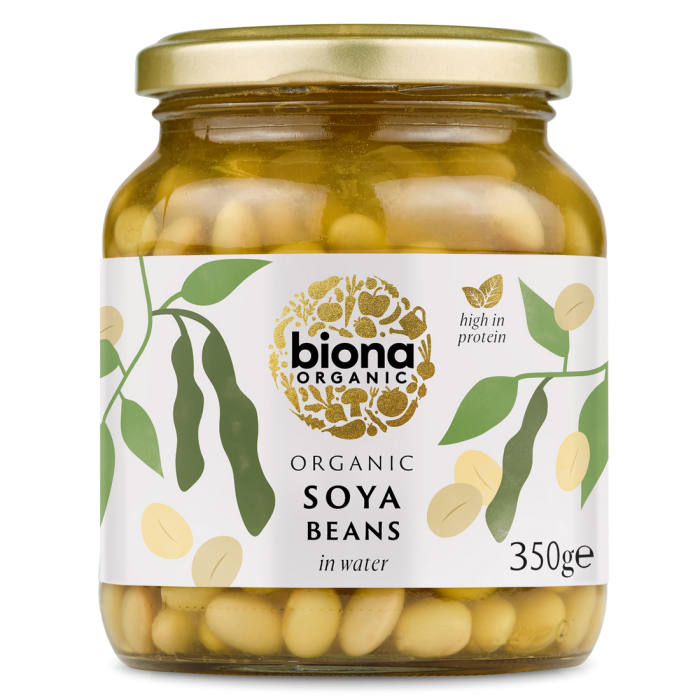
soya bean
Legume
Soya beans, also known as soy beans, are edible legumes native to East Asia that are a key source of protein for humans and animals. They are a complete protein, containing all essential amino acids, and can be processed into a wide variety of products like soy milk, tofu, and tempeh, or used in animal feed. Fresh, young soya beans are sold as edamame. Key characteristics Legume: Soya beans are part of the pea and bean family. Complete protein: They are one of the few plant-based sources of complete protein, which makes them popular in vegetarian and vegan diets. Versatile: They can be eaten fresh (as edamame) or processed into many different products, including: Tofu, soy milk, miso, and tempeh Soybean oil, which can be used for cooking or as biodiesel fuel Global commodity: The United States and Brazil are major producers, and global trade has increased due to their use in food and animal feed. Nutrients: They contain protein, fiber, and minerals like copper, magnesium, and zinc, which are important for bone health. Important for animal feed: The majority of the world's soya bean crop is processed into a meal that is used as animal feed for livestock, poultry, and farmed fish.
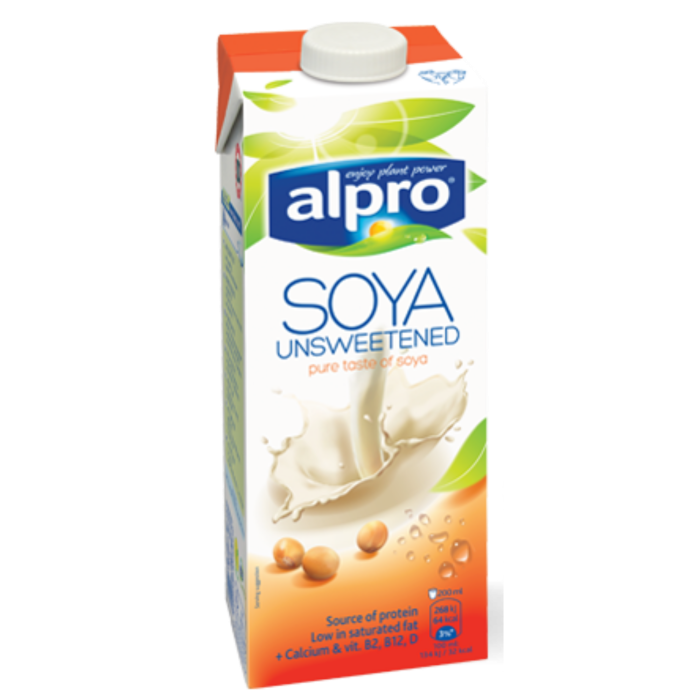
soya milk
We don't have a description for this ingredient yet.
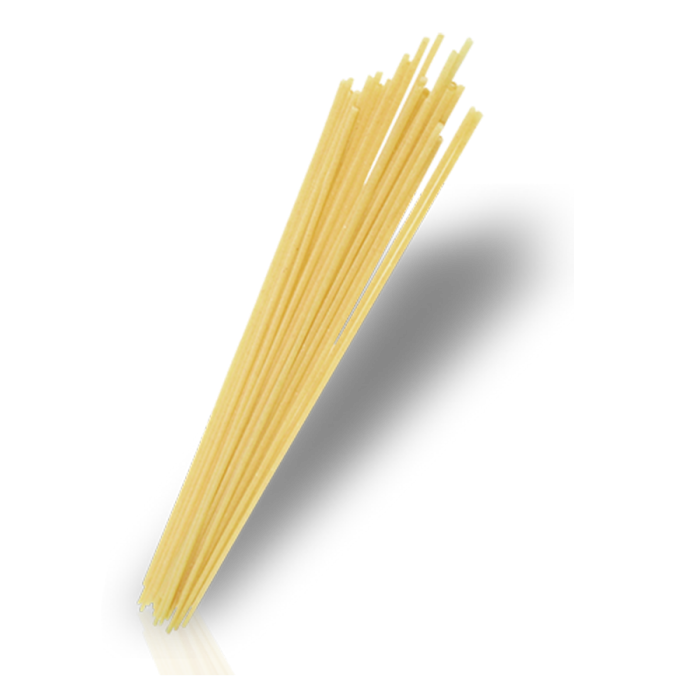
spaghetti
We don't have a description for this ingredient yet.
speculaas spice mix
Seasoning
Speculaas spice is a warm, fragrant blend of ground spices, primarily cinnamon, cloves, nutmeg, ginger, and cardamom, with common additions like aniseed, white pepper, coriander, and mace, creating the distinctive flavor for Dutch/Belgian speculaas cookies (or speculoos) enjoyed during holidays. It offers a sweet yet spicy profile, perfect for autumn baking, but is versatile enough for desserts and even savory dishes, with recipes varying slightly by baker, much like pumpkin pie spice but unique.
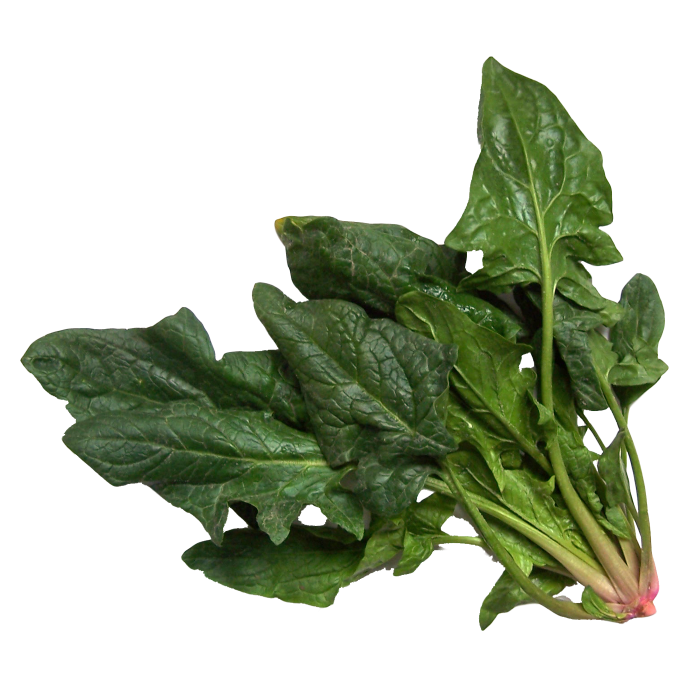
spinach
We don't have a description for this ingredient yet.