Ingredients
Explore all the little things that make our recipes tasty.
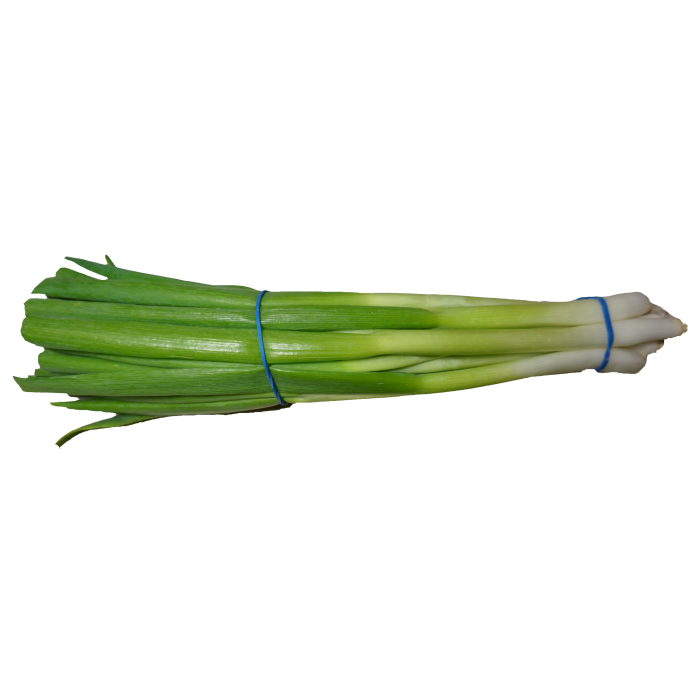
spring onions
We don't have a description for this ingredient yet.
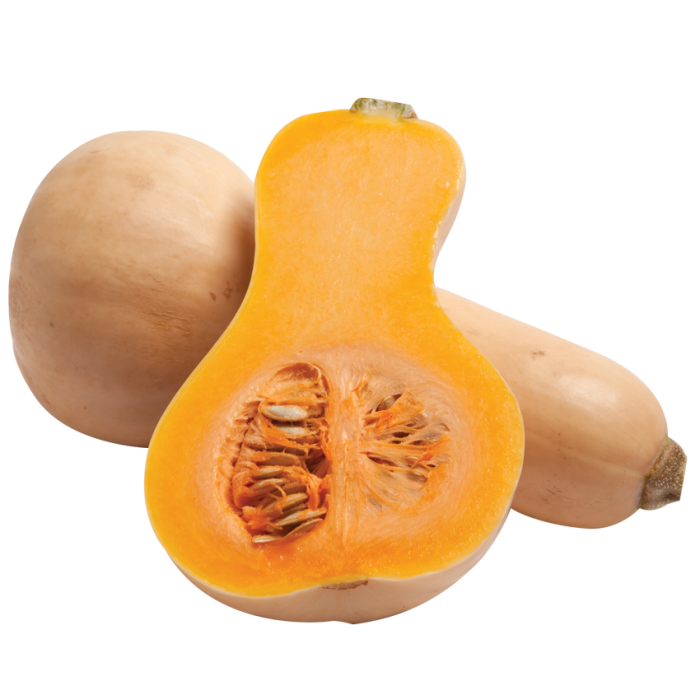
squash
We don't have a description for this ingredient yet.
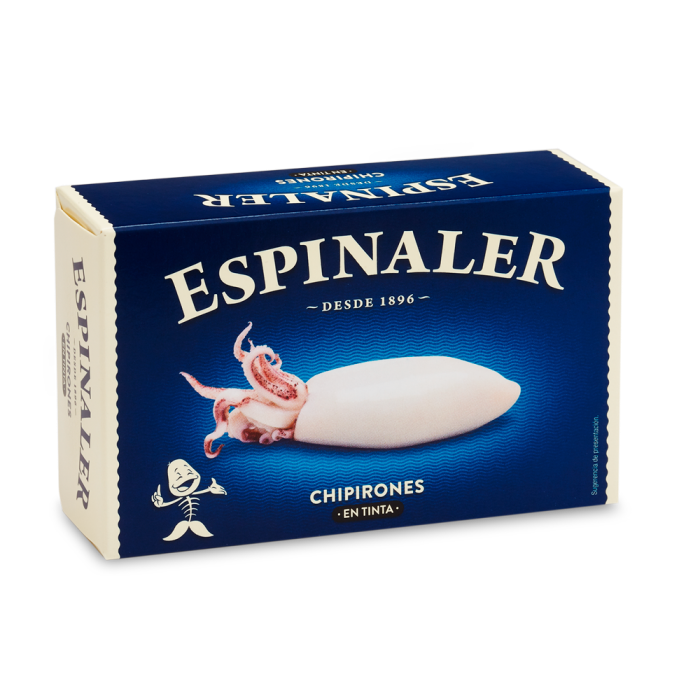
squid
We don't have a description for this ingredient yet.
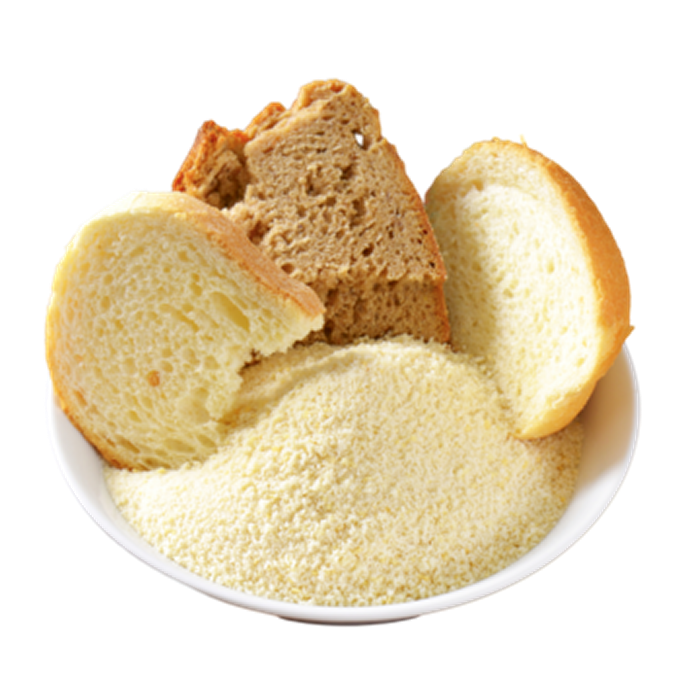
stale bread
Bread
Stale bread is bread that has become dry and hard due to a process called retrogradation, where starch molecules rearrange and squeeze out water, causing the bread's structure to tighten. This process happens over time, making the bread less soft and less resilient. Unlike completely dry bread, stale bread retains some moisture, which is trapped within the starch molecules. How it happens Starch reorganization: When bread is baked, starch granules absorb water and expand. Over time, these molecules begin to realign and recrystallize into a more crystalline structure, a process known as retrogradation.Water migration: As the starch molecules form a more organized structure, they push water out from between them. Some of this water is lost to the environment, while some becomes trapped within the crystal structures.Texture change: This molecular change makes the bread feel firm, dry, and crumbly, resulting in its characteristic "stale" texture. Key characteristics of stale bread Dry and hard texture: The bread is no longer soft and pliable.Retains some moisture: Unlike bread that has been completely dried out, stale bread still has trapped moisture, which is why it doesn't absorb added liquid as readily as fresh bread.Accelerated by cold: Staling happens faster at temperatures just above freezing, which is why bread goes stale more quickly in the refrigerator than at room temperature or when frozen. How to revive stale bread Add water and heat: Sprinkle a few tablespoons of water over the loaf and bake it in a preheated oven at a medium-high temperature (e.g., (300-350^{circ }F)) for a few minutes. The heat will re-gel the starch and reintroduce moisture, making the bread soft again.Toasting: Toasting stale bread is a great way to use it, as the heat can reverse some of the staling effects.Other uses: Stale bread is also ideal for making croutons, breadcrumbs, or incorporating into dishes like French toast or bread pudding.
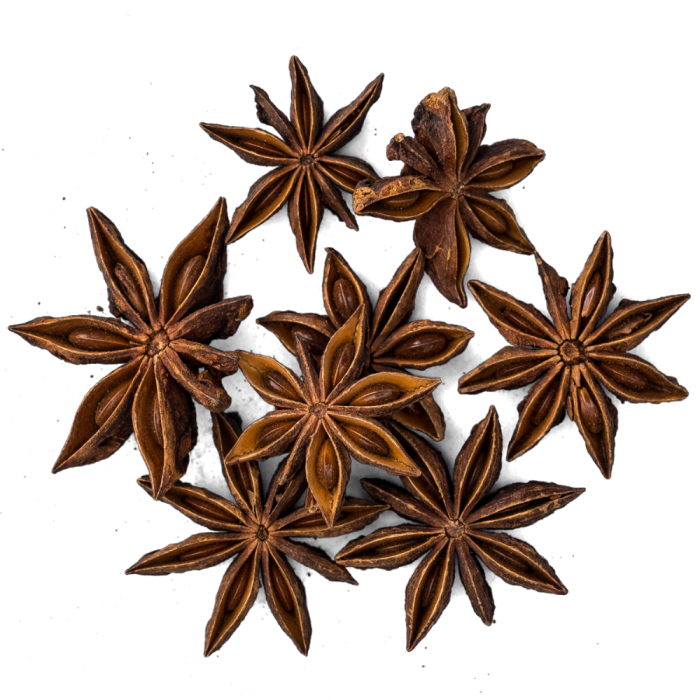
star anise
We don't have a description for this ingredient yet.
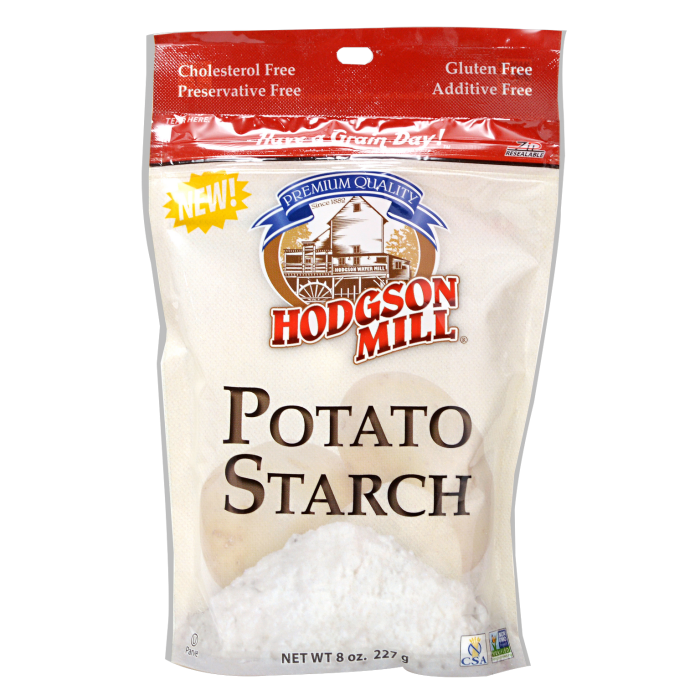
starch
Side
Starch or amylum is a polymeric carbohydrate consisting of a large number of glucose units joined by glycosidic bonds. This polysaccharide is produced by most green plants as energy storage. It is the most common carbohydrate in human diets and is contained in large amounts in staple foods like potatoes, wheat, maize (corn), rice, and cassava. Pure starch is a white, tasteless and odorless powder that is insoluble in cold water or alcohol. It consists of two types of molecules: the linear and helical amylose and the branched amylopectin. Depending on the plant, starch generally contains 20 to 25% amylose and 75 to 80% amylopectin by weight.[4] Glycogen, the glucose store of animals, is a more highly branched version of amylopectin. In industry, starch is converted into sugars, for example by malting, and fermented to produce ethanol in the manufacture of beer, whisky and biofuel. It is processed to produce many of the sugars used in processed foods. Mixing most starches in warm water produces a paste, such as wheatpaste, which can be used as a thickening, stiffening or gluing agent. The biggest industrial non-food use of starch is as an adhesive in the papermaking process. Starch can be applied to parts of some garments before ironing, to stiffen them.
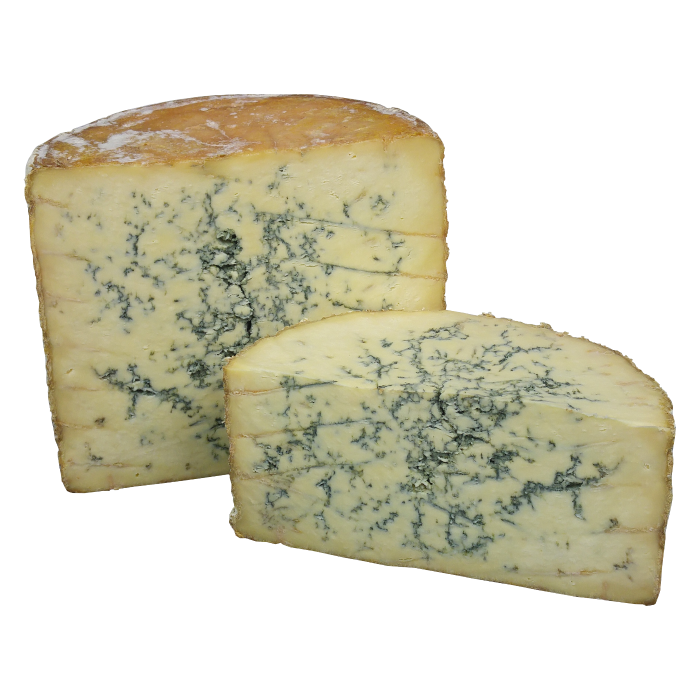
stilton cheese
We don't have a description for this ingredient yet.
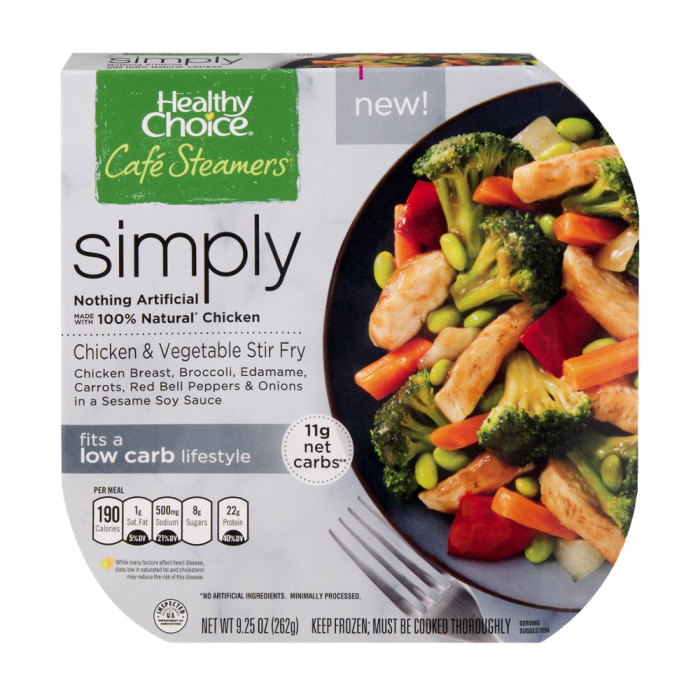
stir-fry vegetables
We don't have a description for this ingredient yet.
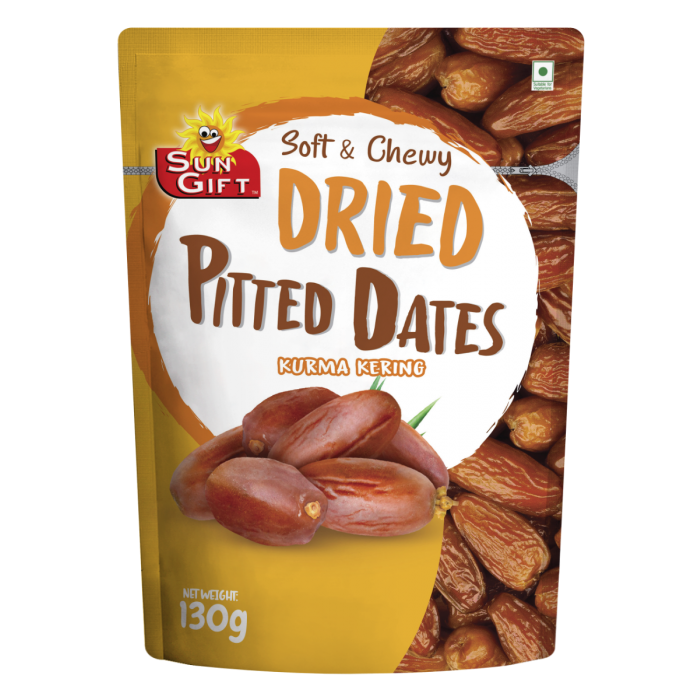
stoned dates
Fruit
Yes, "stoned dates" are dates that have had their pits removed, making them ready to eat or use in recipes. The term "stoned" refers to the removal of the stone, or pit, from the fruit. They are a convenient, ready-to-use form of dates that are popular for snacking, baking, and cooking. What "stoned dates" are Pitted dates: The most direct meaning of "stoned" is that the pit has been removed. Convenient: They are prepared for immediate use, meaning you don't have to remove the pit yourself. Commonly available: You can buy them dried and sometimes pressed into a block, which makes them easy to chop for recipes like date crumble slice. How to use them Snack on them: They are often eaten on their own as a healthy snack. Stuff them: You can stuff them with nuts, cheese, or other fillings. Bake with them: They are a key ingredient in many desserts, such as sticky toffee pudding or date slices. Blend them: You can blend them with hot water to create a toffee-like date sauce for pancakes or porridge.
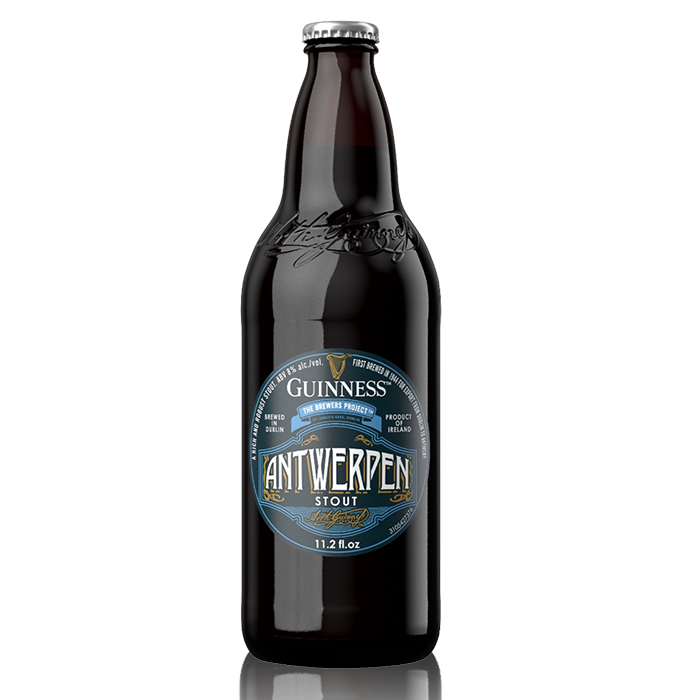
stout
We don't have a description for this ingredient yet.
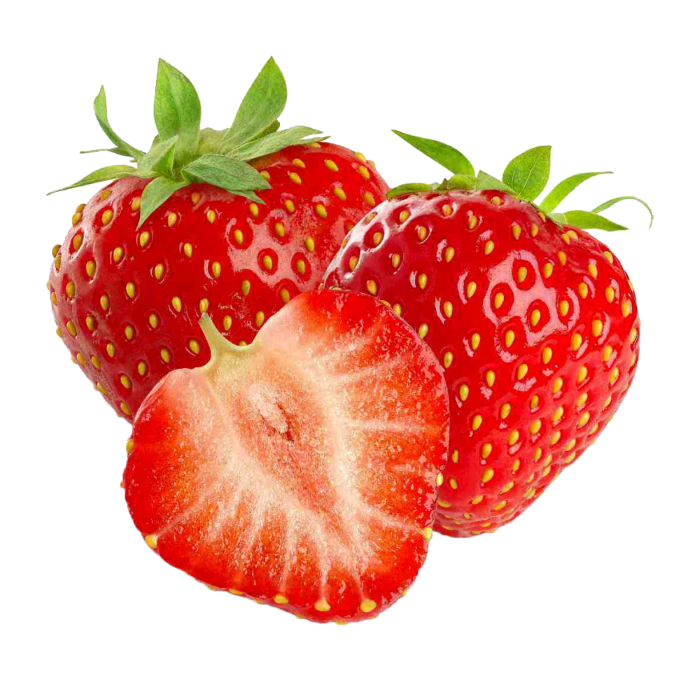
strawberries
We don't have a description for this ingredient yet.
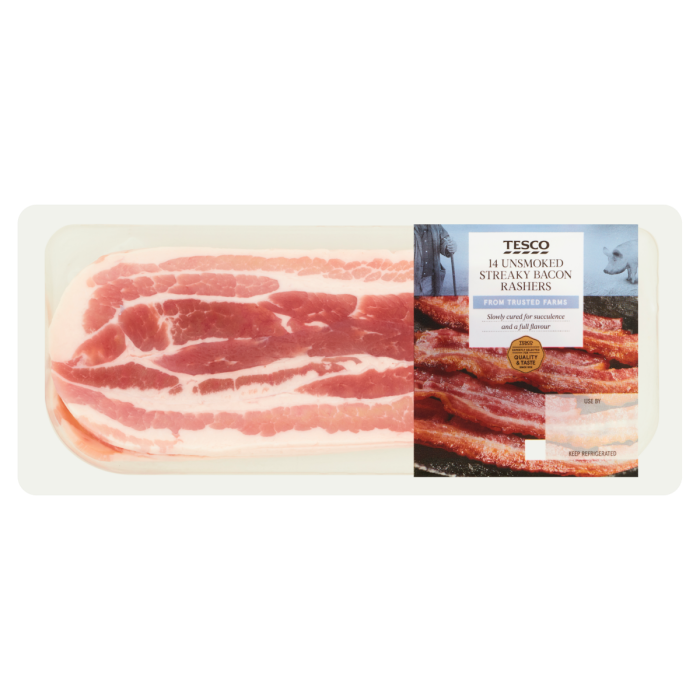
streaky bacon
Meat
Streaky bacon is a cut of bacon from the pig's belly, characterized by long, narrow rashers with alternating layers of fat and meat. This high fat content gives it a rich flavor and makes it crispy when cooked. It is used in a variety of dishes beyond the standard breakfast, such as wrapping meat or adding to pasta. Characteristics of streaky bacon Cut: Comes from the pork belly, unlike back bacon which comes from the loin. Appearance: Has long, narrow strips (rashers) with visible, parallel layers of fat and meat. Flavor: The high fat content provides an intense, rich flavor. Texture: Becomes very crispy when cooked, as the fat renders and crisps up. Cooking and uses Versatility: Can be pan-fried, grilled, or baked. Crispiness: Is excellent for achieving a crispy texture, making it popular for bacon sandwiches or as a topping. Other uses: Ideal for wrapping around meats, adding to salads, or mixing into pasta dishes. Comparison to back bacon Back bacon: Is leaner and more meaty, and retains its shape better after cooking. Streaky bacon: Has more fat and crisps up more easily.
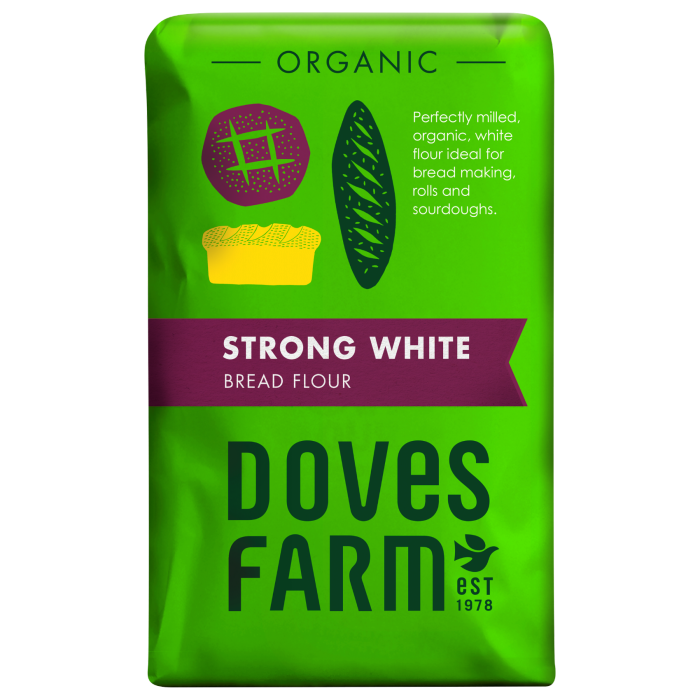
strong white bread flour
Grain
Strong white bread flour is a type of flour made from hard wheat, which has a high protein content (12-14%) and high gluten content. This high protein and gluten make it ideal for bread, pizza dough, and other baked goods that require a strong, elastic dough that can hold its shape and achieve a good rise. It is often referred to simply as "bread flour," especially in the United States. Key characteristics High protein: Contains a higher percentage of protein (12-14%) compared to plain flour (10-12%). High gluten: The high protein content creates strong gluten, which provides structure and elasticity to dough. Chewy texture: The strong gluten network leads to a chewier texture in the final product. Denser crumb: It allows the dough to rise but also gives it a denser, more structured crumb than products made with weaker flour. Color: Has a slightly off-white color. Ideal uses Yeasted breads, including sourdough Pizza dough Bagels Pretzels Baking biscuits Can be used to strengthen weaker flours when blending them togethe
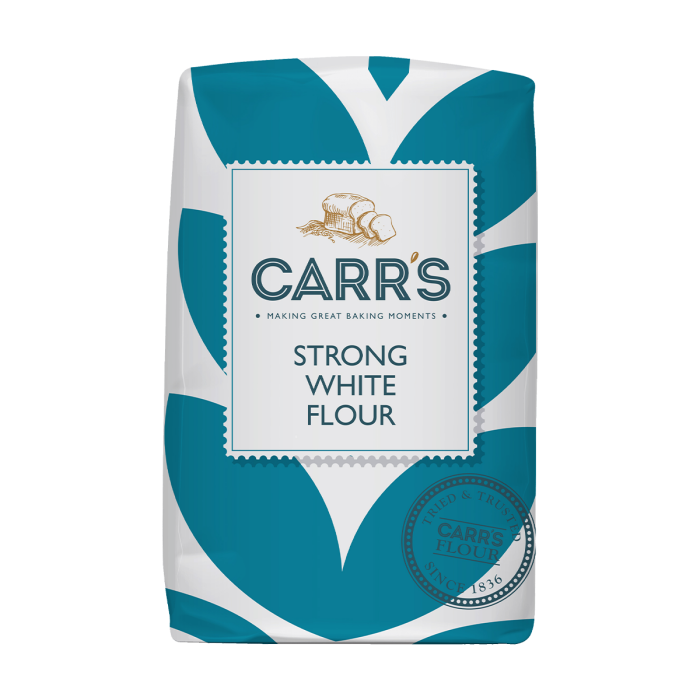
strong white flour
Grain
Strong white flour, also known as bread flour in the United States, is a high-protein wheat flour ideal for baking bread and other yeasted products. Its high protein content creates more gluten, which gives dough the strength and elasticity needed to rise well and hold its shape, resulting in a chewy crust and a light crumb. Key characteristics High protein: Typically contains 12% to 14% protein, compared to lower-protein flours like all-purpose or cake flour. High gluten: The high protein content allows for the formation of a strong, stretchy gluten network. Ideal for bread: It is specifically designed for breads, pizza dough, and pasta because the strong gluten structure can trap and hold gas produced by yeast, leading to a good rise. Resulting texture: Creates a chewier texture and helps the final baked product brown nicely. Common uses Bread making (loaves, rolls, bagels, etc.) Pizza dough Pasta
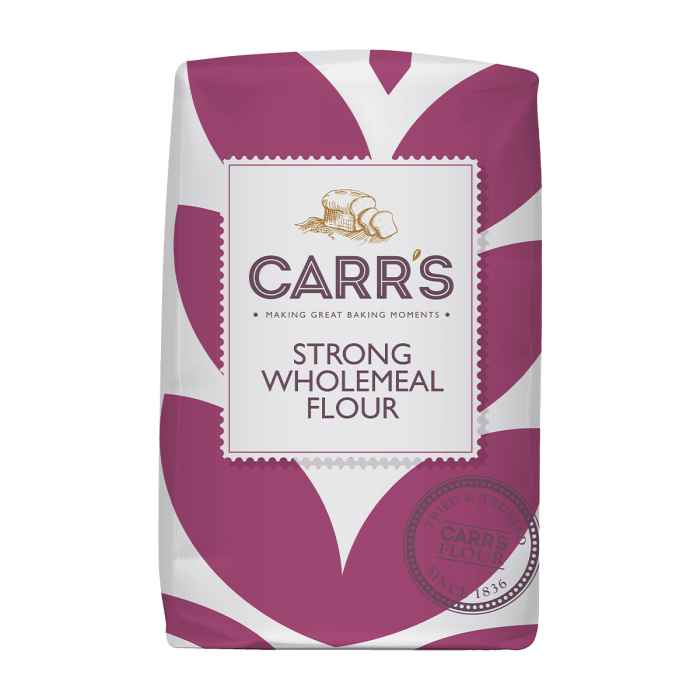
strong wholemeal flour
Grain
Strong wholemeal flour is a type of bread flour made from hard, high-protein wheat that includes the entire grain, such as the bran and germ. This high gluten content gives it the elasticity to create well-risen, structured loaves of wholemeal bread, though the bran can lead to a denser crumb than strong white flour. It is ideal for wholemeal and rustic breads and can also be mixed with other flours. Key characteristics High protein/gluten: Made from hard wheat, it has a high protein content (12-14%) which is crucial for developing a strong gluten network that allows the dough to trap gas and rise. Whole grain: It contains all parts of the wheat kernel, including the bran and germ, which gives it a nutty flavor, higher fiber content, and greater nutritional value. For bread baking: It is specifically designed for bread making, especially crusty wholemeal loaves and rolls. Denser texture: While strong, the presence of bran can interfere with gluten development, often resulting in a closer, more compact crumb compared to strong white flour. Versatile: It can be used on its own for wholemeal baking, or mixed with strong white flour to achieve a balance of flavor and aeration. How it's made Milling: It is produced by milling 100% of the whole wheat grain. This can be done through traditional slow, cool stone-grinding methods or by roller milling, where the whole grain is broken down and reassembled. Stoneground vs. roller-milled: Stoneground flour is often richer in flavor and nutrients because the process is slower and cooler, but roller-milled versions are also widely available.
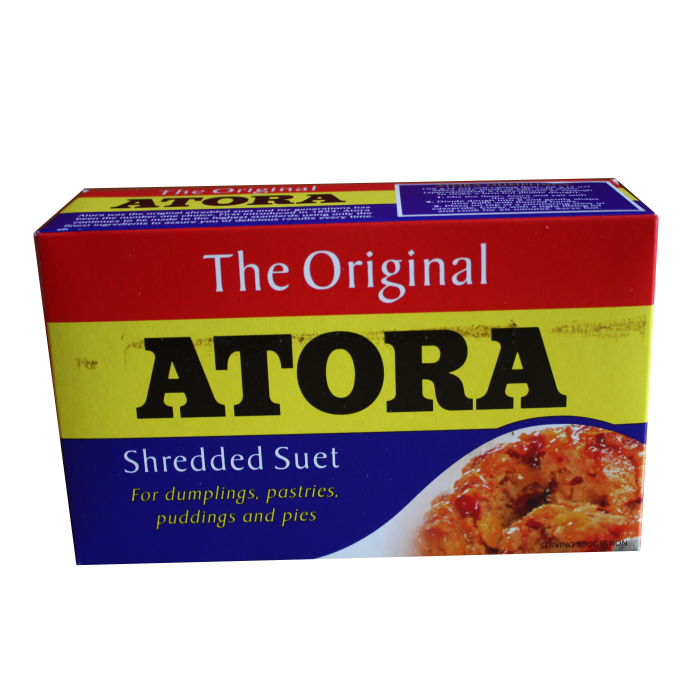
suet
We don't have a description for this ingredient yet.
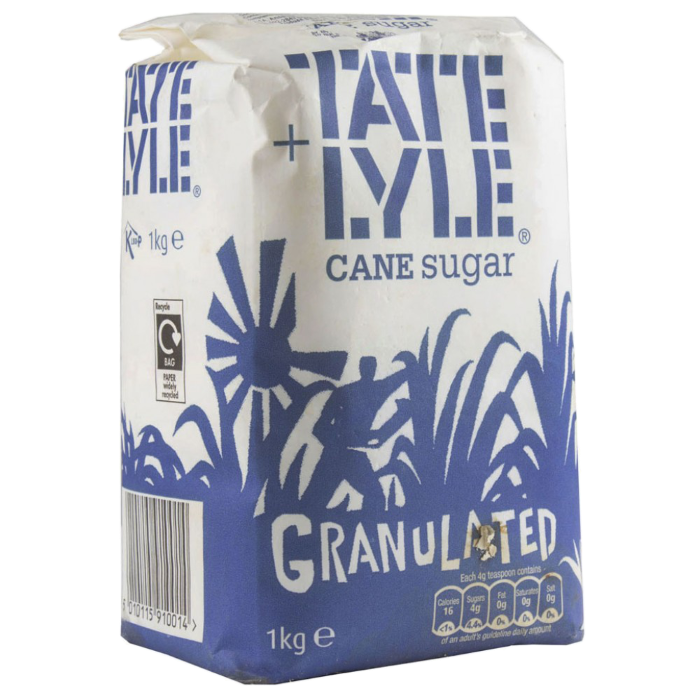
sugar
We don't have a description for this ingredient yet.
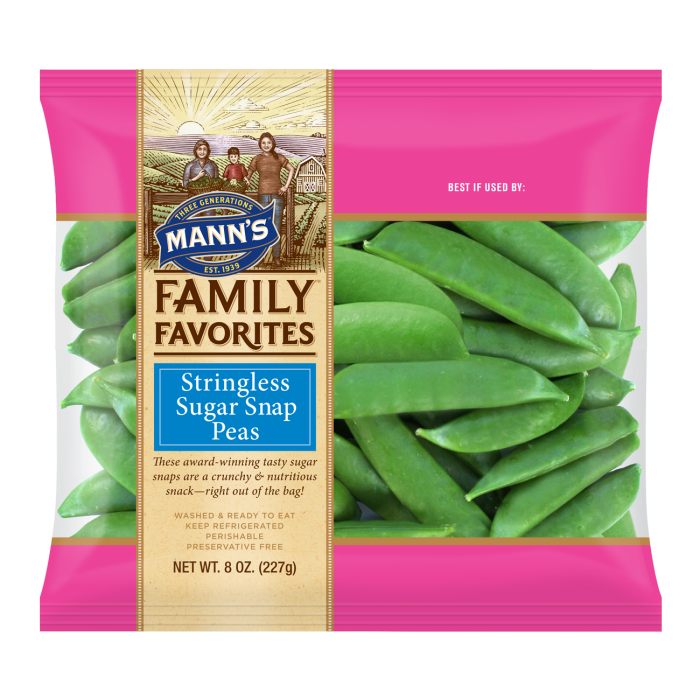
sugar snap peas
We don't have a description for this ingredient yet.

sugar syrup
Dressing
Sugar syrup, or simple syrup, is a liquid sweetener made by dissolving sugar in water. It's commonly used in cocktails, coffee, and desserts because it mixes more easily and smoothly into cold drinks than granulated sugar. It can be made with a simple 1:1 ratio of sugar and water, heated gently until the sugar dissolves completely.
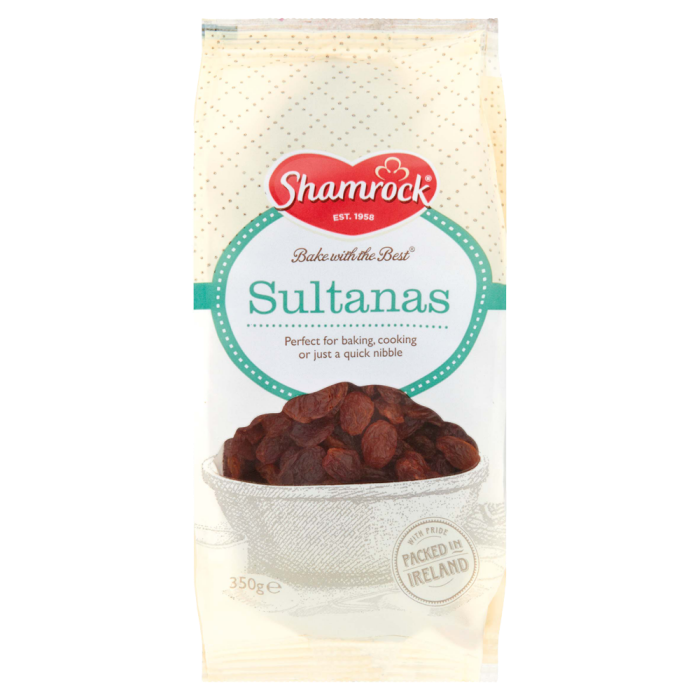
sultanas
We don't have a description for this ingredient yet.
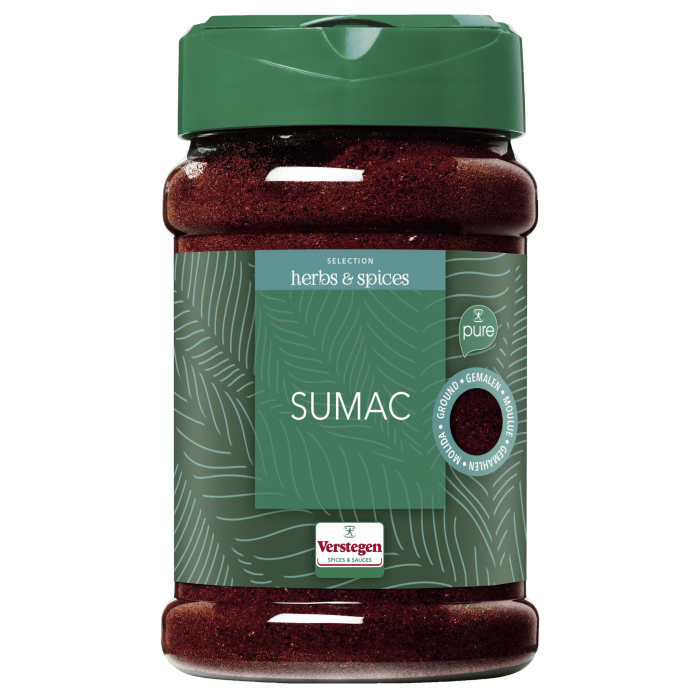
sumac
Seasoning
Sumac is a tangy, reddish-purple spice made from the ground berries of the Rhus genus of plants, native to the Mediterranean and Middle East. It has a sour, citrus-like flavor that is used to add a bright, tart taste to dishes, as a souring agent, or as a colorful garnish for dishes like hummus, salads, and grilled meats.
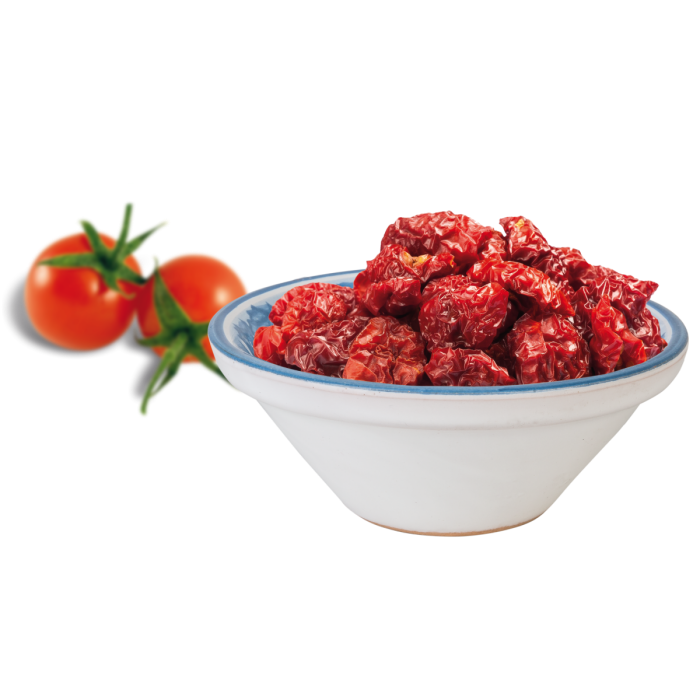
sun-dried tomatoes
We don't have a description for this ingredient yet.
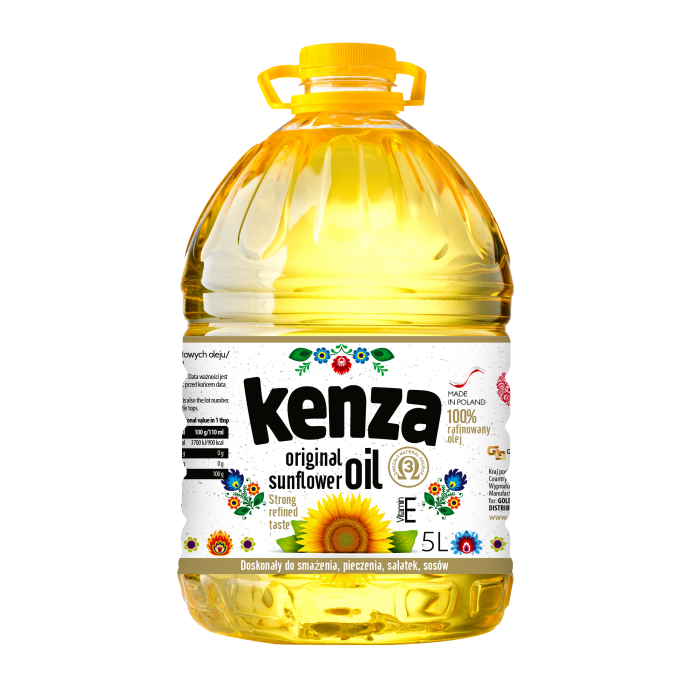
sunflower oil
We don't have a description for this ingredient yet.
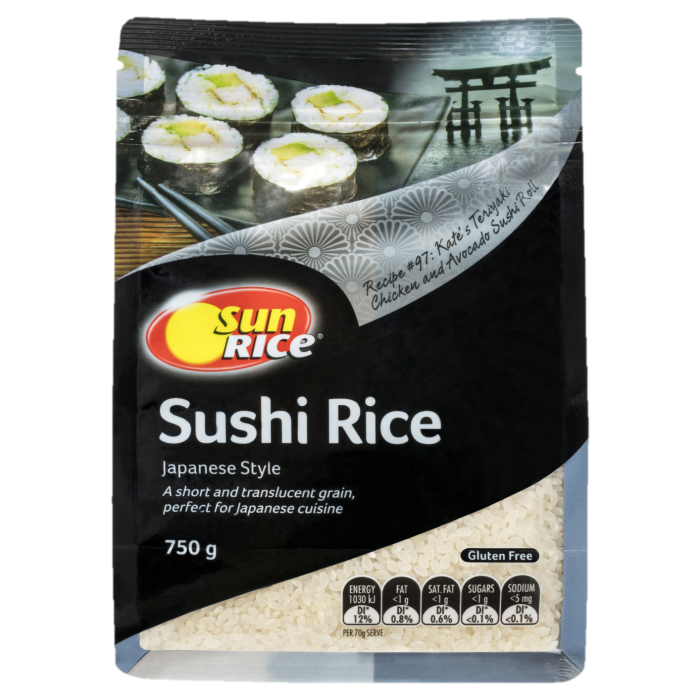
sushi rice
Rice
As the dietary staple of Japan, knowing how to cook Japanese rice is an important first step to becoming a Japanese cooking master. Perfectly prepared Japanese rice should be light, fluffy, and slightly sticky when cooked