Ingredients
Explore all the little things that make our recipes tasty.
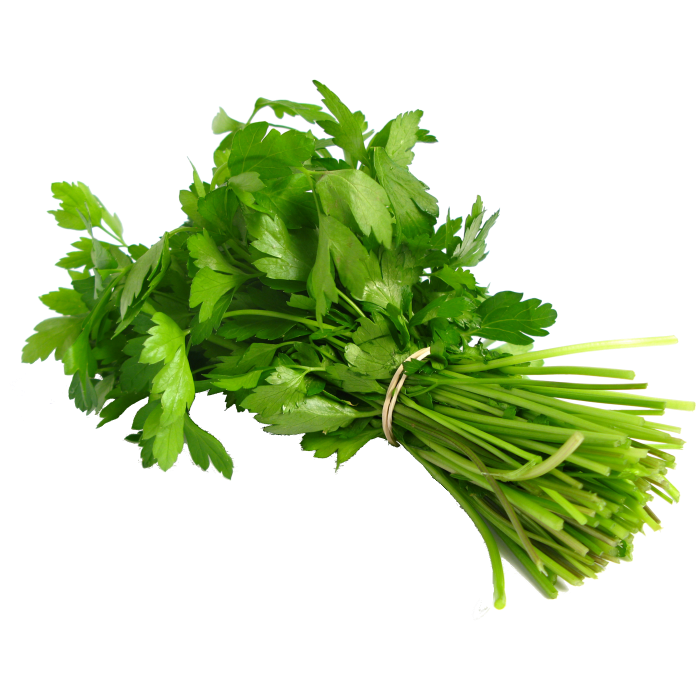
coriander seeds
We don't have a description for this ingredient yet.
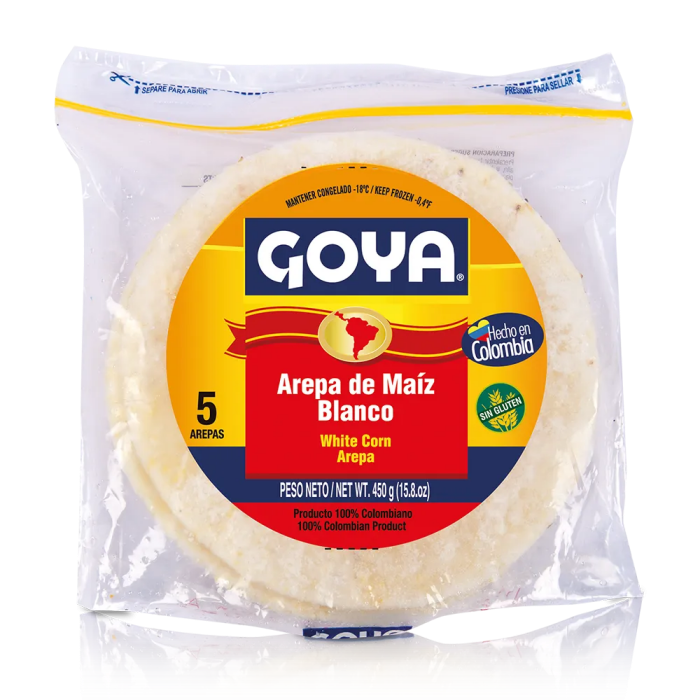
corn arepa filled with mozarella cheese
Cheese
A corn arepa filled with mozzarella cheese is a warm, crispy, golden-brown corn cake with a gooey, melty mozzarella center. This version of the popular Latin American street food is a favorite in both Colombia and Venezuela. Key characteristics Crispy on the outside, tender inside: The arepa patty is cooked on a griddle or skillet, giving it a toasted, golden exterior while the inside remains soft. Stuffed with cheese: A generous portion of mozzarella is stuffed into the center of the cornmeal dough before cooking, so it melts as the arepa heats up. Simple ingredients: This dish is made from a few basic ingredients, including pre-cooked cornmeal (masarepa), water, salt, and mozzarella cheese. Versatile: Cheese arepas can be eaten for breakfast, lunch, or a snack. They can be enjoyed plain or with other toppings and condiments. Colombian vs. Venezuelan versions The way the cheese is prepared inside the arepa can vary slightly depending on the regional style: Colombian style: In some Colombian cheese arepas, the mozzarella is mixed into the dough itself before cooking. Sometimes, extra cheese is also added as a filling. Venezuelan style: Venezuelan arepas are often split open after cooking to create a pocket for the filling, including mozzarella or other ingredients like shredded meat and avocado. Arepas con queso vs. Arepas de choclo There are two main types of cheese arepas: Arepas con queso: These are savory arepas made from pre-cooked white or yellow cornmeal. They have a more traditional, toasted corn flavor. Arepas de choclo: These are Colombian arepas made with fresh sweet corn kernels in addition to masarepa. The addition of sweet corn gives them a sweeter flavor profile that balances the salty cheese.
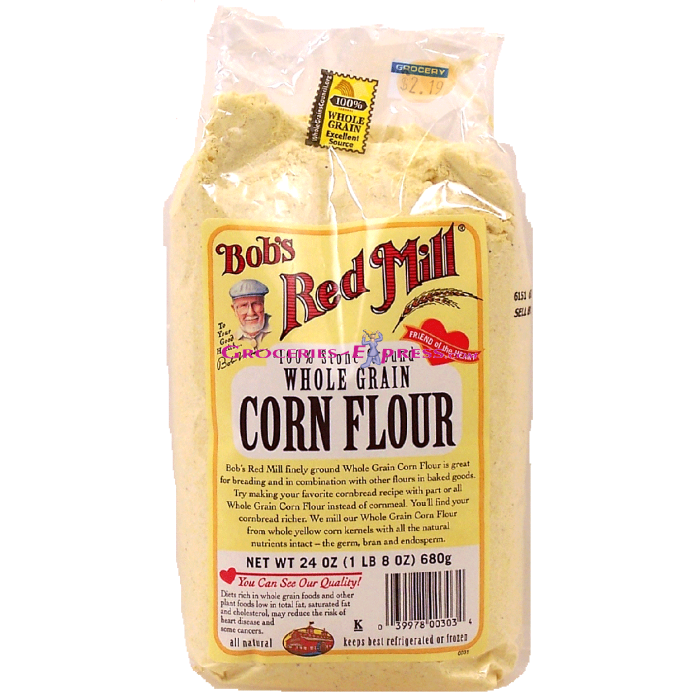
corn flour
We don't have a description for this ingredient yet.
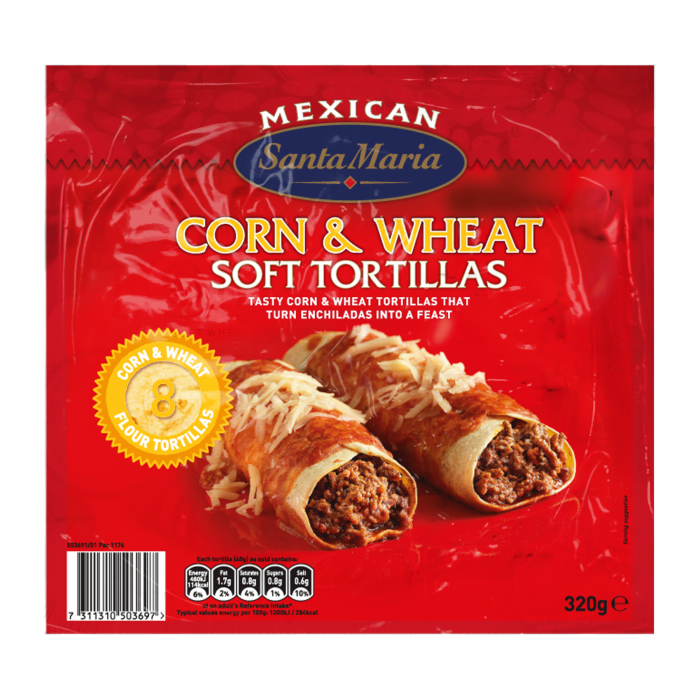
corn tortillas
We don't have a description for this ingredient yet.

corned beef
Meat
Corned beef is salt-cured beef, traditionally a brisket, that has been preserved in a seasoned brine. The name "corned" comes from the large, "corn-sized" grains of salt historically used. It is now a popular dish often prepared by slow cooking or boiling, and its salty, savory flavor makes it a key ingredient in sandwiches and hashes.
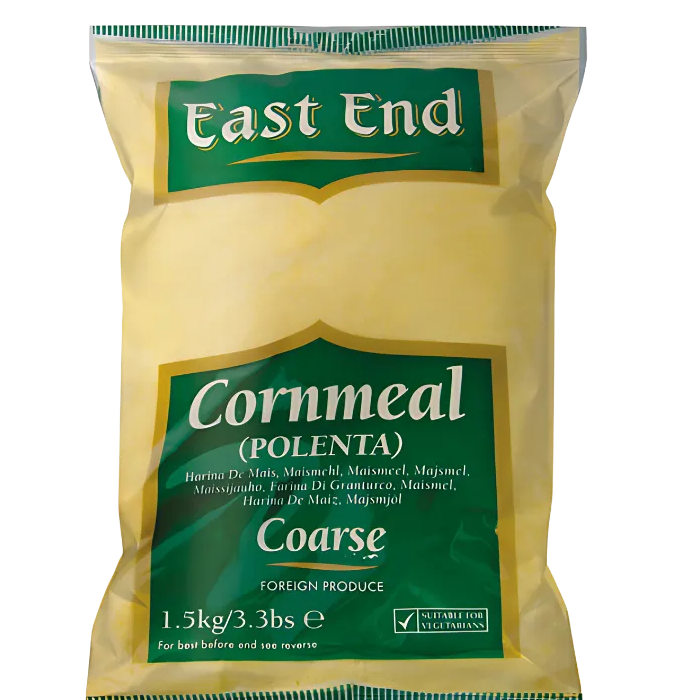
cornmeal
Sauce
Cornmeal is a coarse flour made from dried maize (corn) kernels, which comes in fine, medium, and coarse grinds. It is a staple food used in dishes like cornbread, polenta, and tortillas, and is naturally gluten-free. Composition: It is made from whole dried corn kernels, though commercial cornmeal is often "degerminated," meaning the oily germ and bran are removed during processing. Texture and types: The texture varies from fine to coarse and can be white or yellow, depending on the type of corn used. Corn flour: Extremely finely ground cornmeal is sometimes called corn flour. Masa harina: When cornmeal is made from corn soaked in an alkaline solution (a process called nixtamalization), it is called masa harina, used for making tortillas and tamales. Polenta: The term "polenta" refers to boiled cornmeal, often served as a porridge or bread substitute. Uses: It is used in a wide variety of recipes, including quick breads, muffins, and as a coating for fried foods. Dietary notes: Cornmeal is naturally gluten-free, making it suitable for those with gluten allergies or celiac disease.
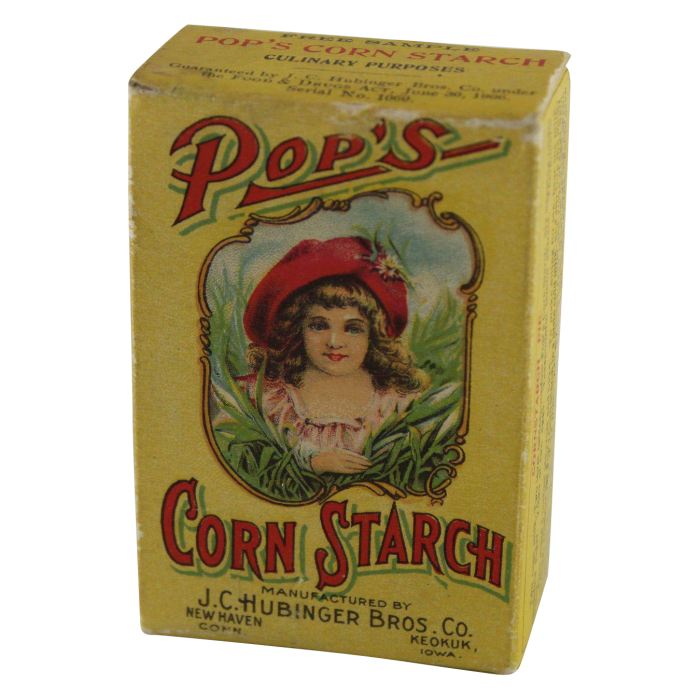
cornstarch
We don't have a description for this ingredient yet.
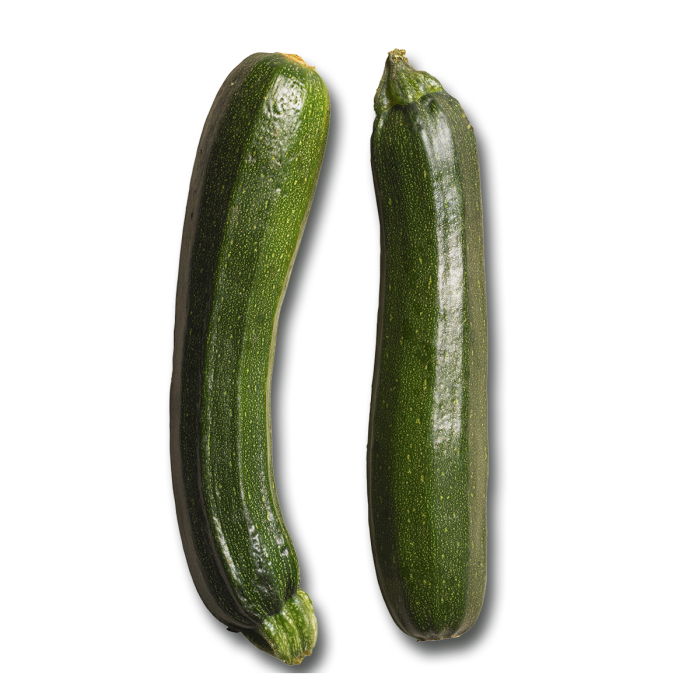
courgettes
We don't have a description for this ingredient yet.
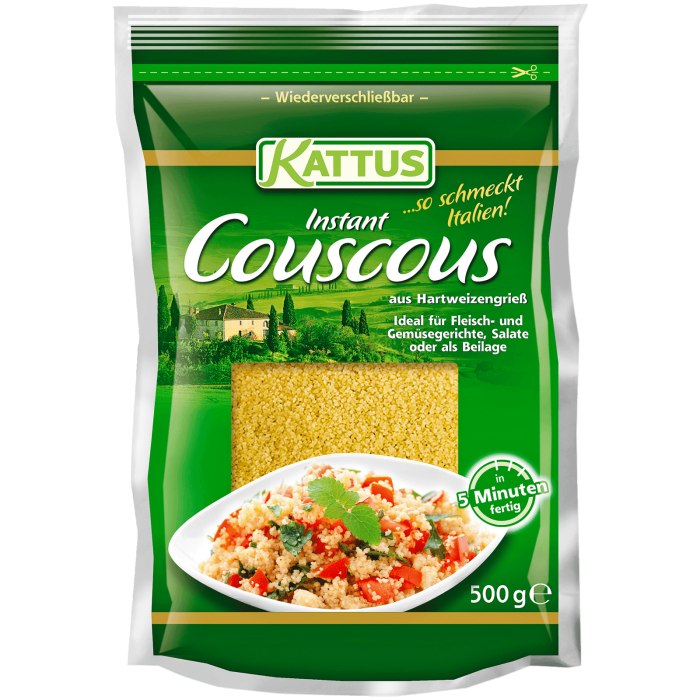
couscous
We don't have a description for this ingredient yet.
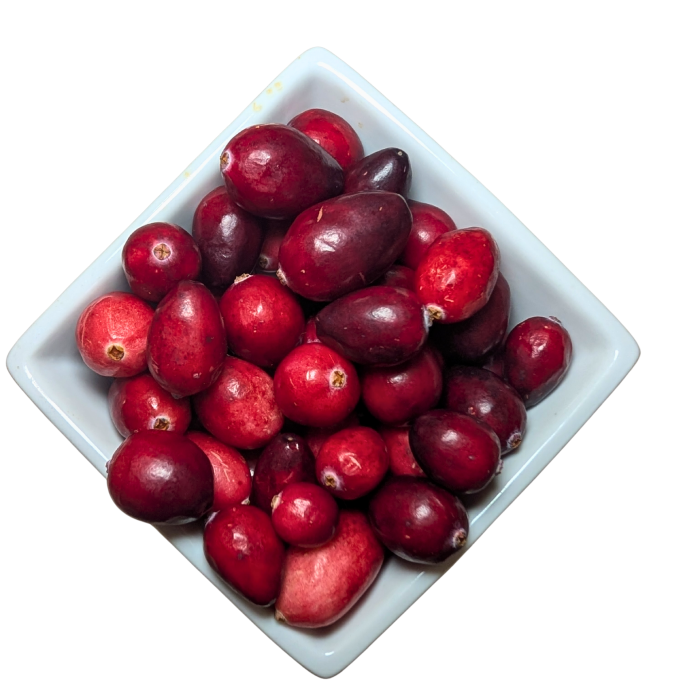
cranberry
Fruit
A cranberry is a small, sour, red berry that grows on vines in bogs and is a good source of antioxidants, vitamins, and minerals like vitamin C. Due to its tart taste, it is often consumed in products like juice, sauce, or dried, and is commonly used to help prevent urinary tract infections (UTIs). Cranberries are botanically true berries and are related to blueberries. Characteristics and cultivation Appearance: Small, round, and deep red when ripe.Taste: Sharp and sour, making it rarely eaten raw.Growth: Grows on low-lying, vine-like plants in freshwater bogs.Harvest: Usually harvested between September and November.Types: The common species are the American cranberry ((Vaccinium) (macrocarpon)), which is larger, and the European species ((Vaccinium) (oxycoccos)). Common uses and benefits Beverages: Often processed into juice.Condiments: Used to make sauces, especially for holidays like Thanksgiving.Snacks: Dried cranberries are a popular snack.Baking: Incorporated into muffins and other baked goods.Health:Preventing UTIs: Contains compounds called A-type proanthocyanidins (PACs) that may prevent bacteria from sticking to the lining of the urinary tract. It is important to note that cranberries are for prevention, not treatment, of active UTIs.Antioxidants: Rich in antioxidant compounds and other nutrients like vitamins C, K, and E, and manganese.Other potential benefits: Studies suggest possible benefits for heart health, skin health, and anti-aging properties.
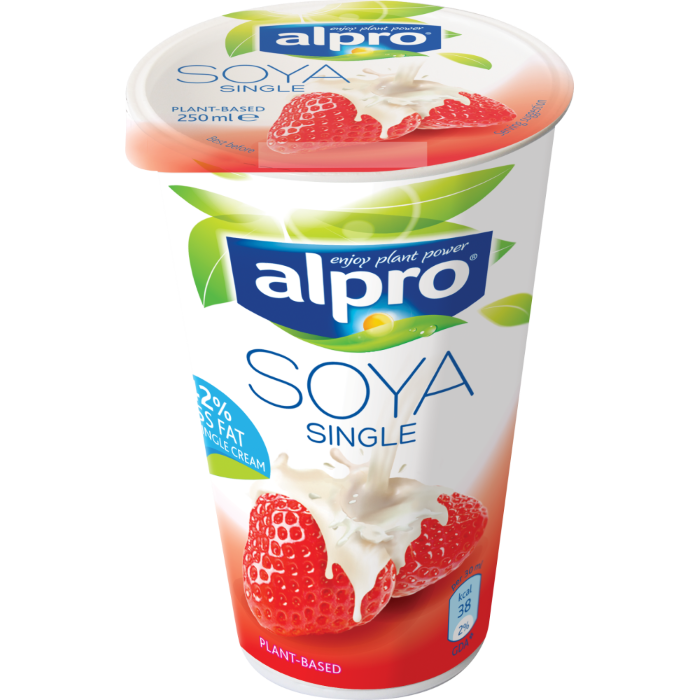
cream
We don't have a description for this ingredient yet.
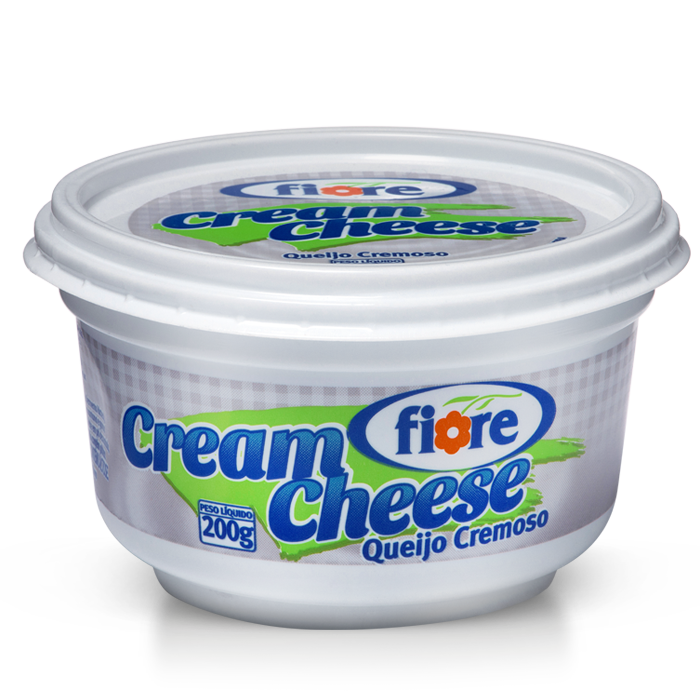
cream cheese
We don't have a description for this ingredient yet.
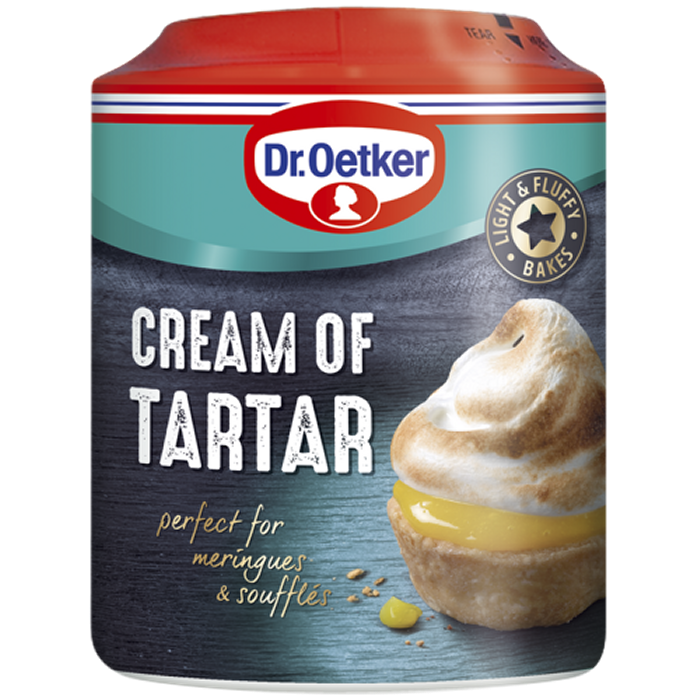
cream of tartar
Preserve
Cream of tartar, or potassium bitartrate, is an acidic white powder that is a byproduct of winemaking, primarily used in baking to stabilize egg whites for meringues and to activate baking powder. It helps prevent sugar from crystallizing, adds volume to baked goods, and can be used in some cleaning applications. Culinary uses Stabilizes egg whites: It helps egg whites hold their structure, making them fluffier and more stable for recipes like meringues and frosting. Activates leavening: It is a key component in baking powder, which makes baked goods rise. Prevents sugar crystallization: When making candy or frosting, it helps prevent sugar from forming large crystals. Adds unique flavor: In certain recipes like snickerdoodles, it can provide a slightly tangy flavor. Other uses Cleaning: Its acidic properties make it useful for cleaning and polishing surfaces. DIY projects: It is often used in bath bombs to create a fizzing effect. Where it comes from Cream of tartar is a refined by-product of winemaking, formed from tartaric acid that precipitates on the inside of wine barrels.
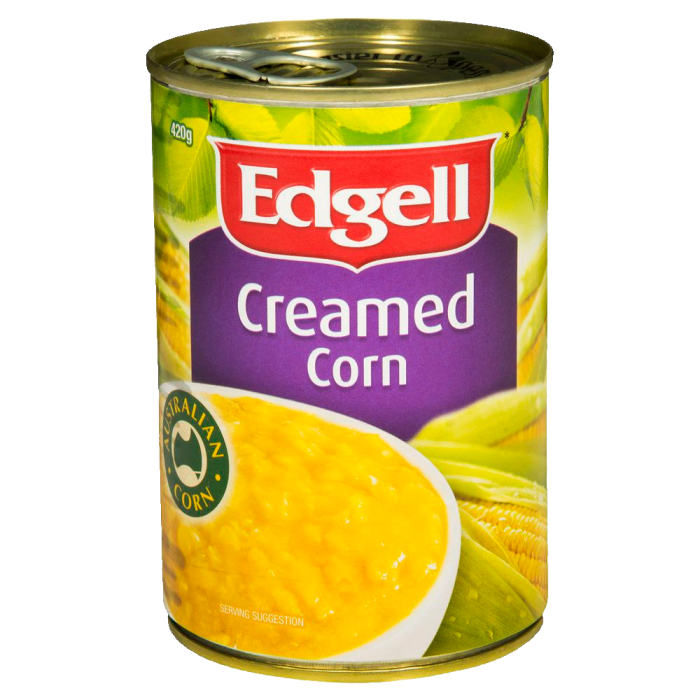
creamed corn
We don't have a description for this ingredient yet.
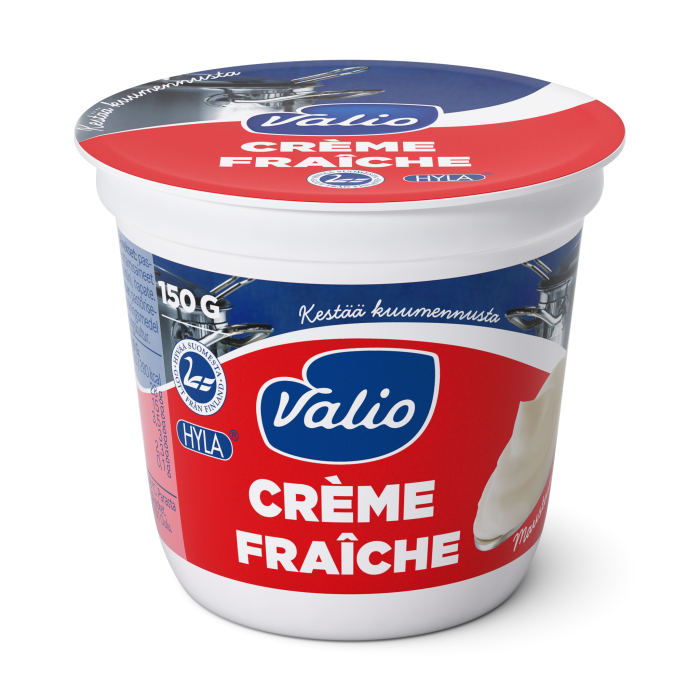
creme fraiche
We don't have a description for this ingredient yet.
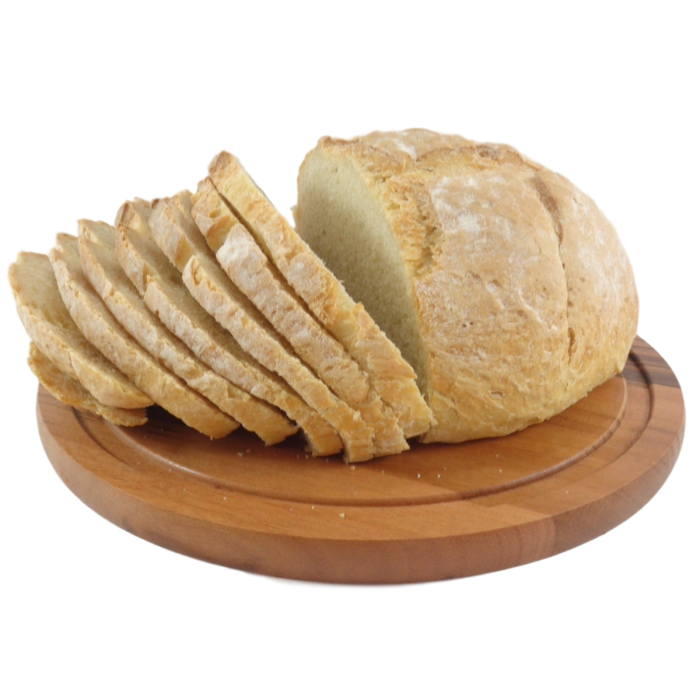
crusty bread
We don't have a description for this ingredient yet.
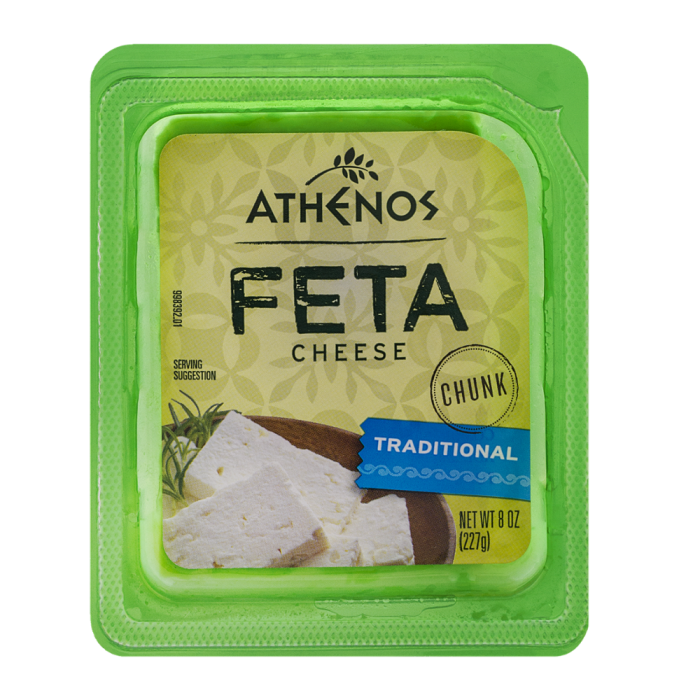
cubed feta cheese
We don't have a description for this ingredient yet.
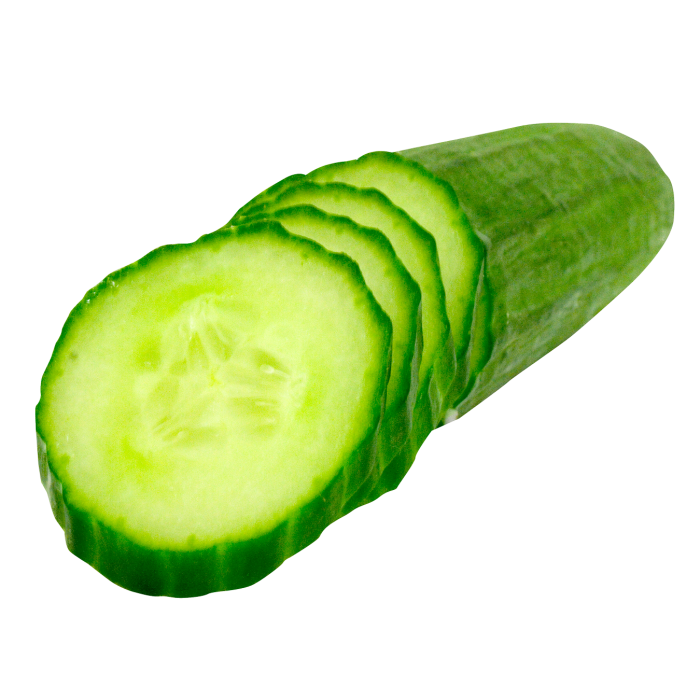
cucumber
We don't have a description for this ingredient yet.
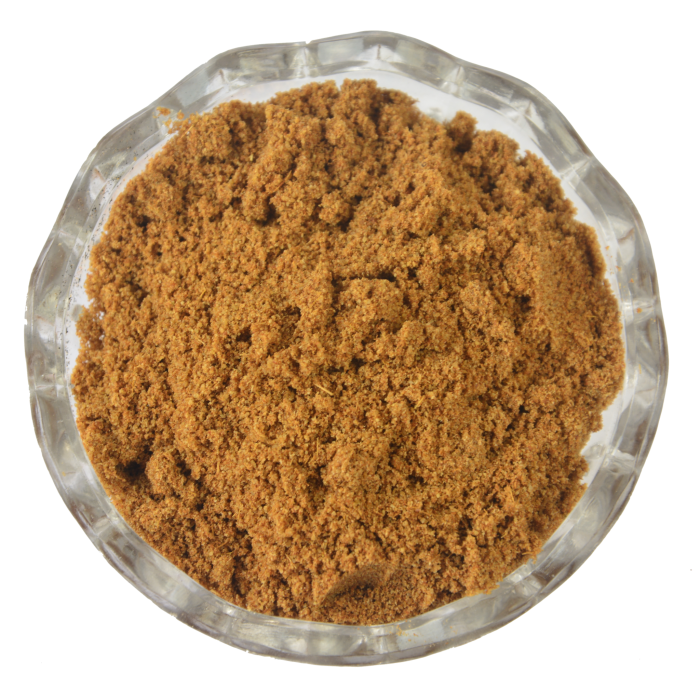
cumin
We don't have a description for this ingredient yet.
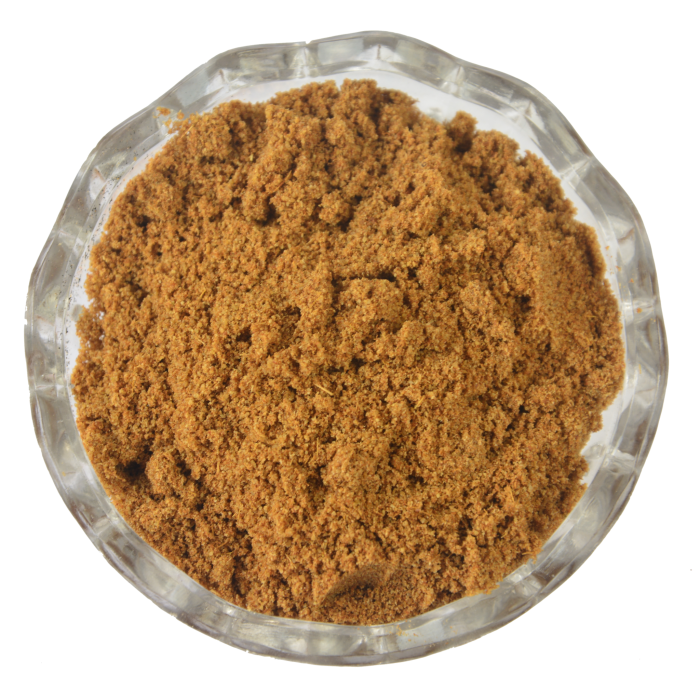
cumin seeds
We don't have a description for this ingredient yet.
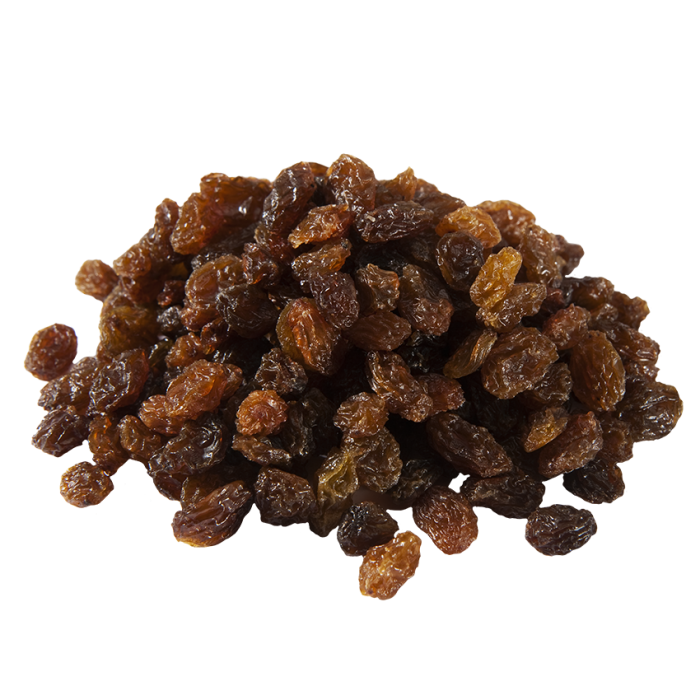
currants
We don't have a description for this ingredient yet.
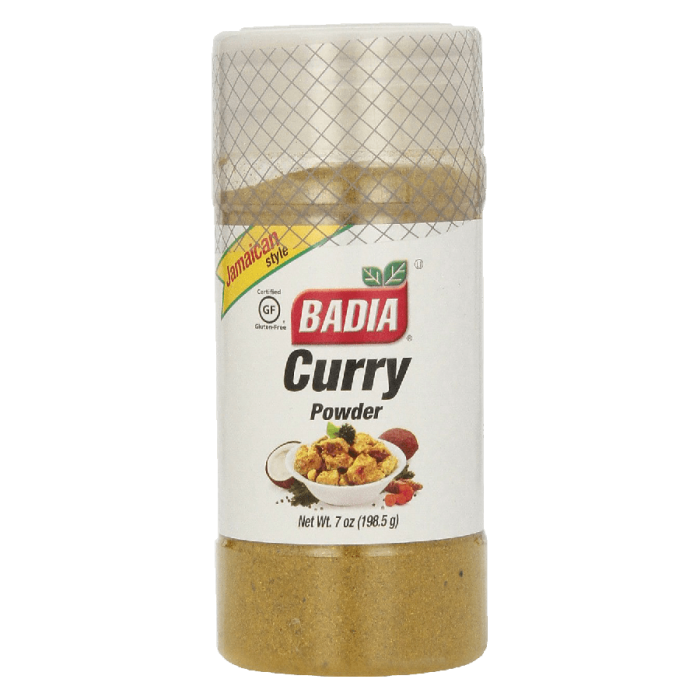
curry powder
We don't have a description for this ingredient yet.
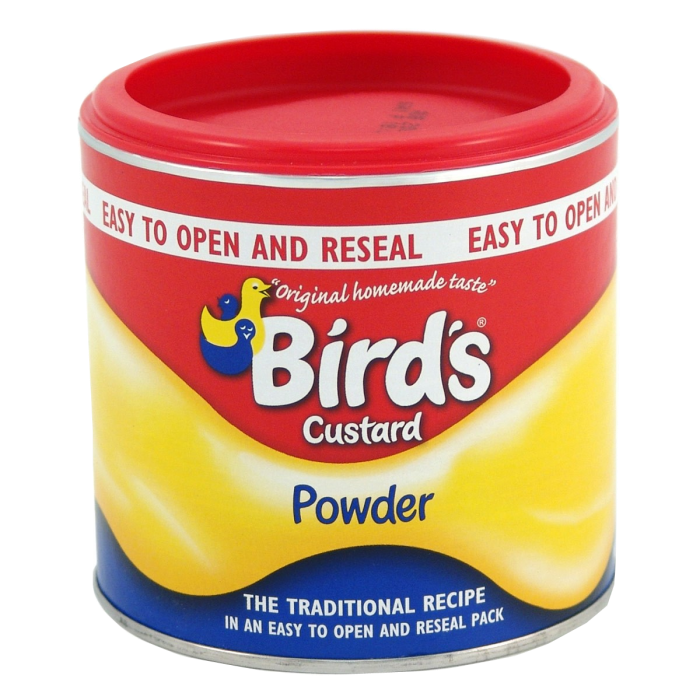
custard
We don't have a description for this ingredient yet.
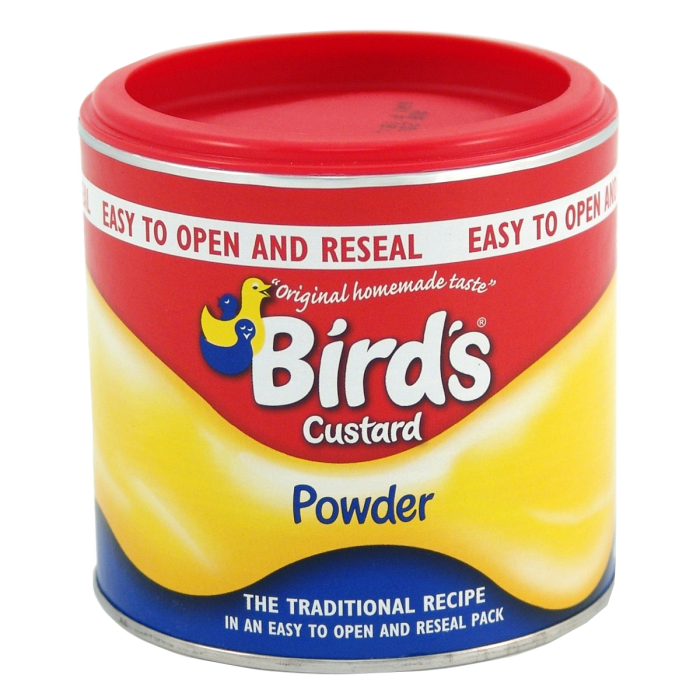
custard powder
We don't have a description for this ingredient yet.