Ingredients
Explore all the little things that make our recipes tasty.
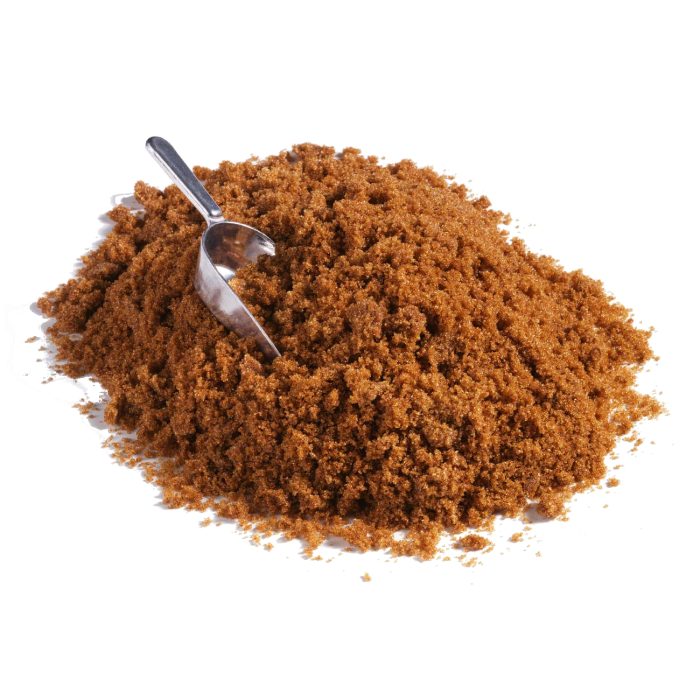
dark brown soft sugar
We don't have a description for this ingredient yet.
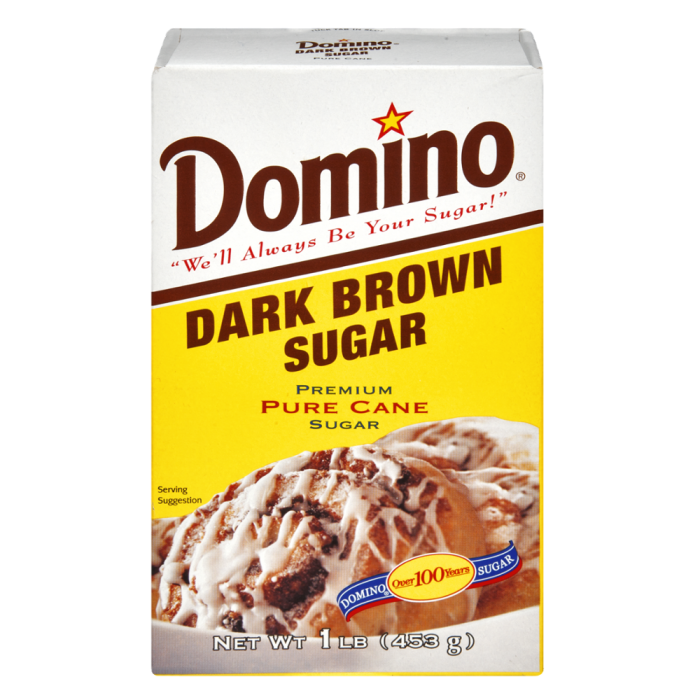
dark brown sugar
We don't have a description for this ingredient yet.

dark chocolate
We don't have a description for this ingredient yet.
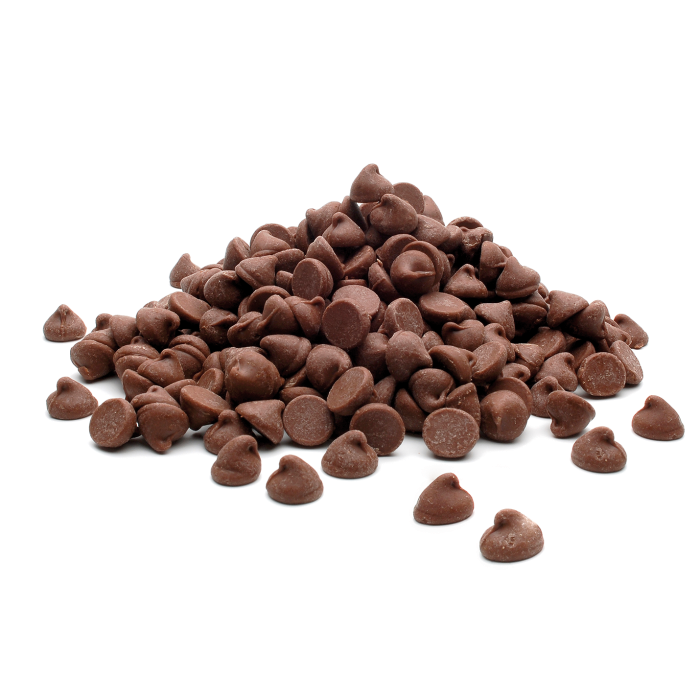
dark chocolate chips
We don't have a description for this ingredient yet.

dark rum
Spirit
Rum is a distilled alcoholic drink made from sugarcane byproducts, such as molasses, or directly from sugarcane juice, by a process of fermentation and distillation. The distillate, a clear liquid, is then usually aged in oak barrels. The majority of the world's rum production occurs in the Caribbean and Latin America. Rum is also produced in Australia, Portugal, Austria, Canada, Fiji, India, Japan, Mauritius, Nepal, New Zealand, the Philippines, Reunion Island, South Africa, Spain, Sweden, Taiwan, Thailand, the United Kingdom and the United States. Rums are produced in various grades. Light rums are commonly used in cocktails, whereas "golden" and "dark" rums were typically consumed straight or neat, on the rocks, or used for cooking, but are now commonly consumed with mixers. Premium rums are also available, made to be consumed either straight or iced. Rum plays a part in the culture of most islands of the West Indies as well as in The Maritimes and Newfoundland. This drink has famous associations with the Royal Navy (where it was mixed with water or beer to make grog) and piracy (where it was consumed as bumbo). Rum has also served as a popular medium of economic exchange, used to help fund enterprises such as slavery (see Triangular trade), organized crime, and military insurgencies (e.g., the American Revolution and Australia's Rum Rebellion).
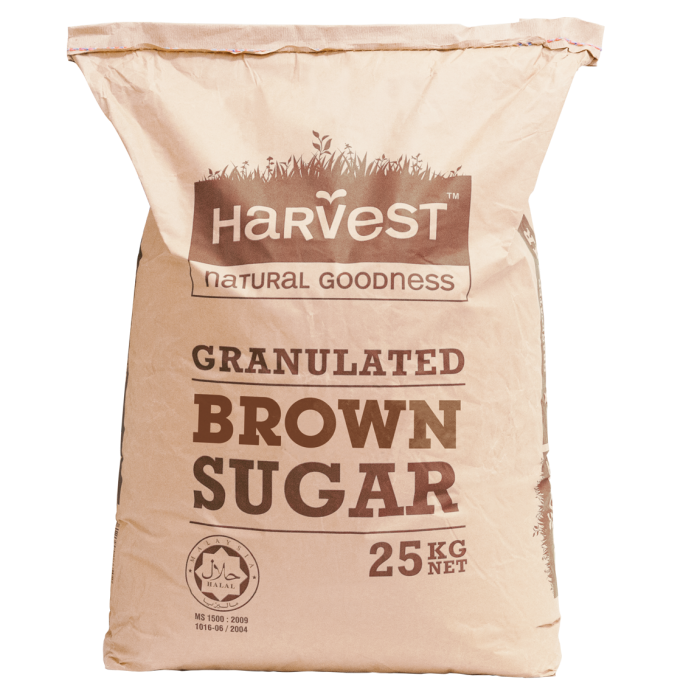
dark soft brown sugar
We don't have a description for this ingredient yet.
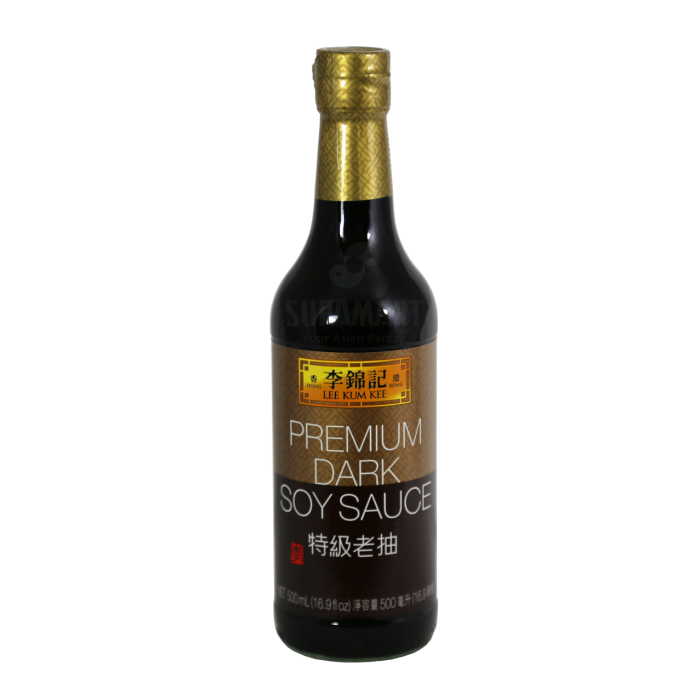
dark soy sauce
We don't have a description for this ingredient yet.
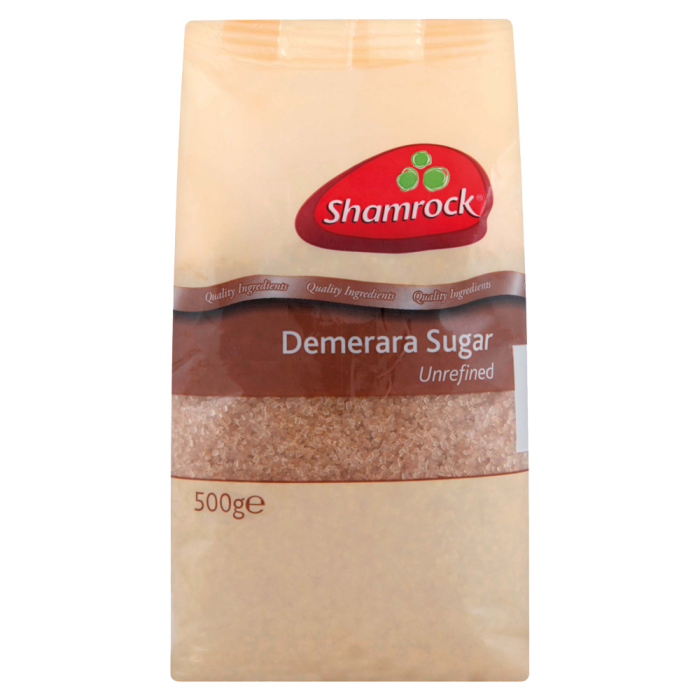
demerara sugar
We don't have a description for this ingredient yet.
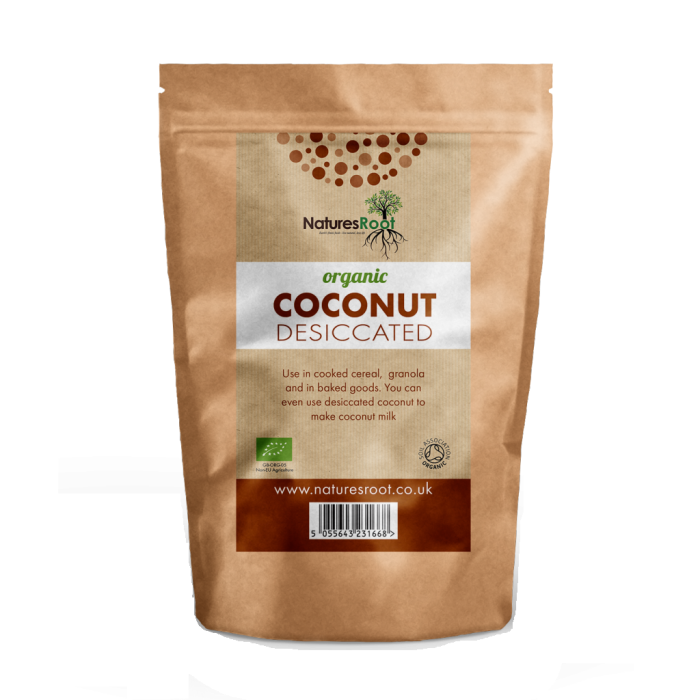
desiccated coconut
We don't have a description for this ingredient yet.
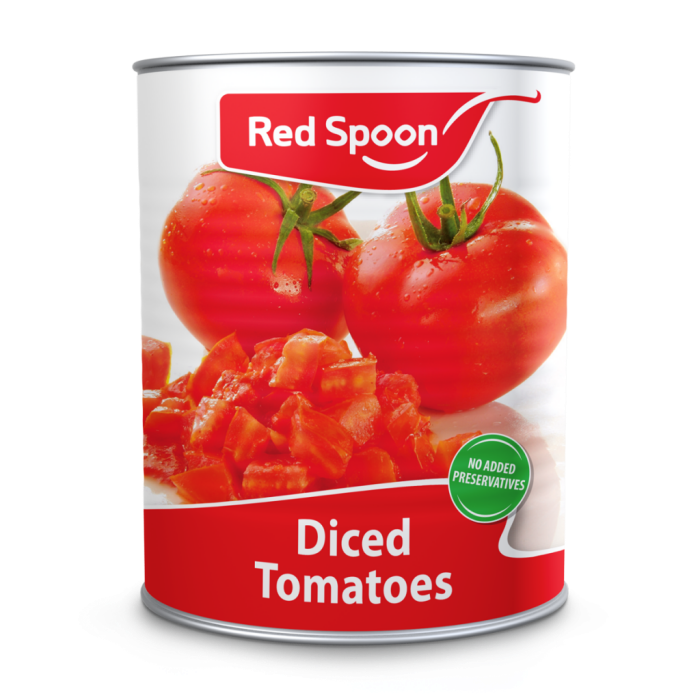
diced tomatoes
We don't have a description for this ingredient yet.

digestive biscuits
We don't have a description for this ingredient yet.
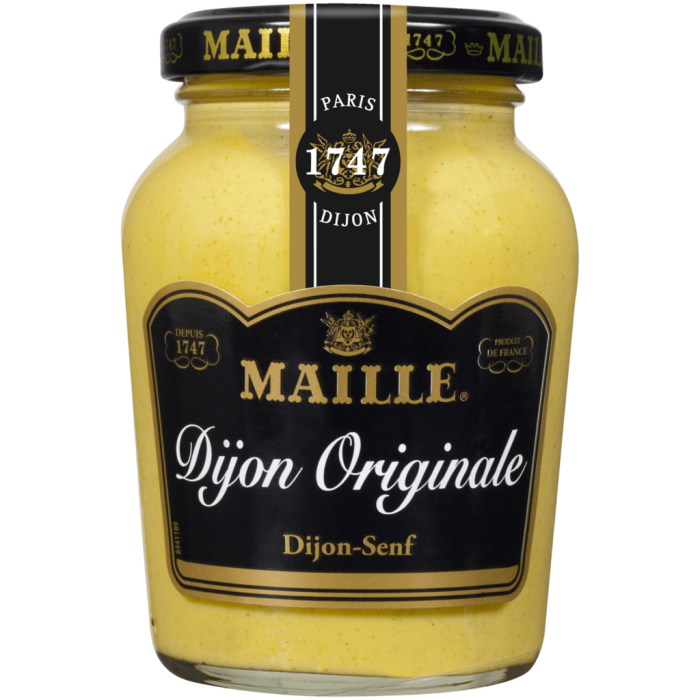
dijon mustard
We don't have a description for this ingredient yet.
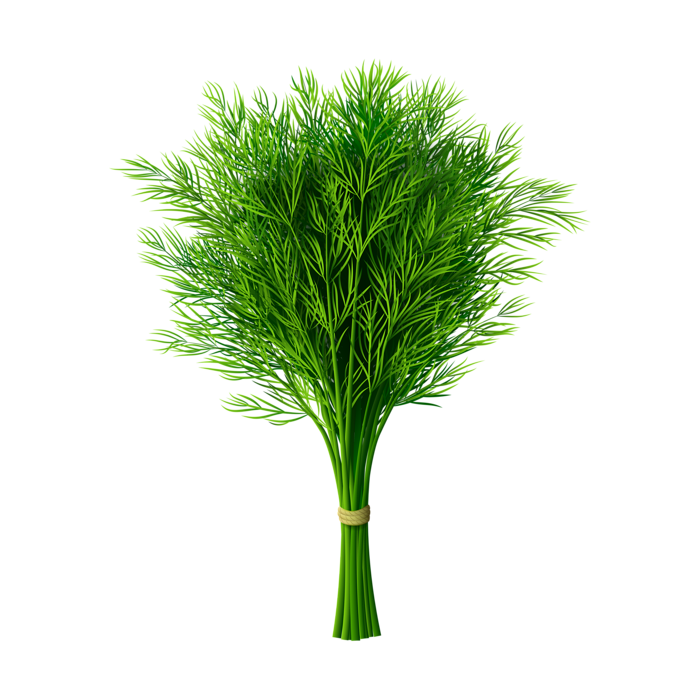
dill
We don't have a description for this ingredient yet.
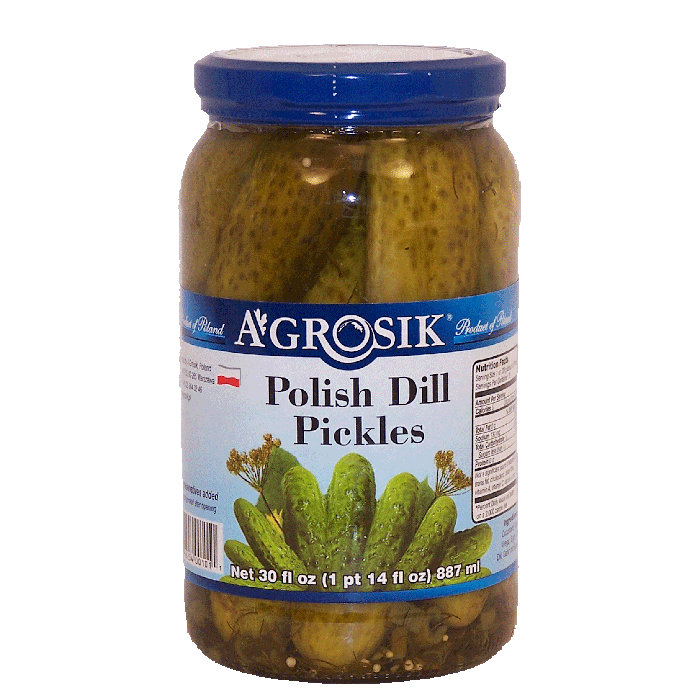
dill pickles
Vegetable
A pickled cucumber is a cucumber that has been pickled in a brine, vinegar, or other solution and left to ferment for a period of time, by either immersing the cucumbers in an acidic solution or through souring by lacto-fermentation. Pickled cucumbers are often part of mixed pickles.
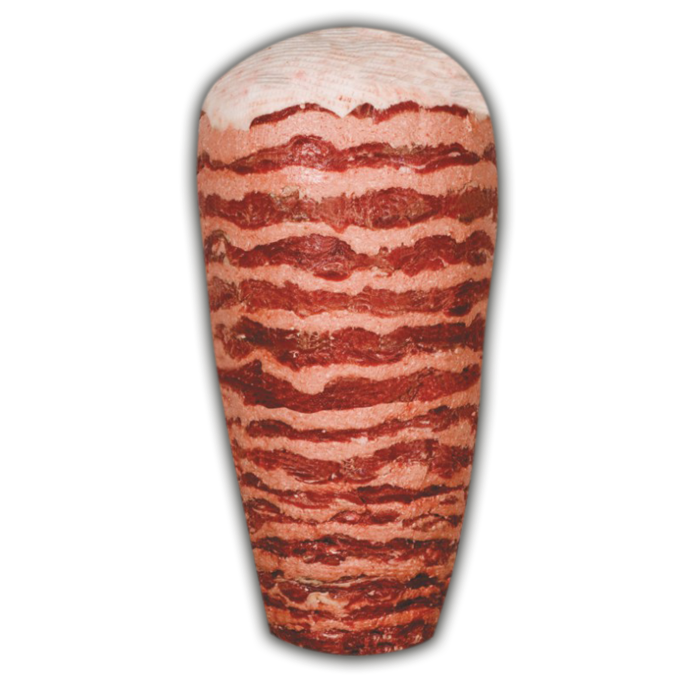
doner meat
We don't have a description for this ingredient yet.
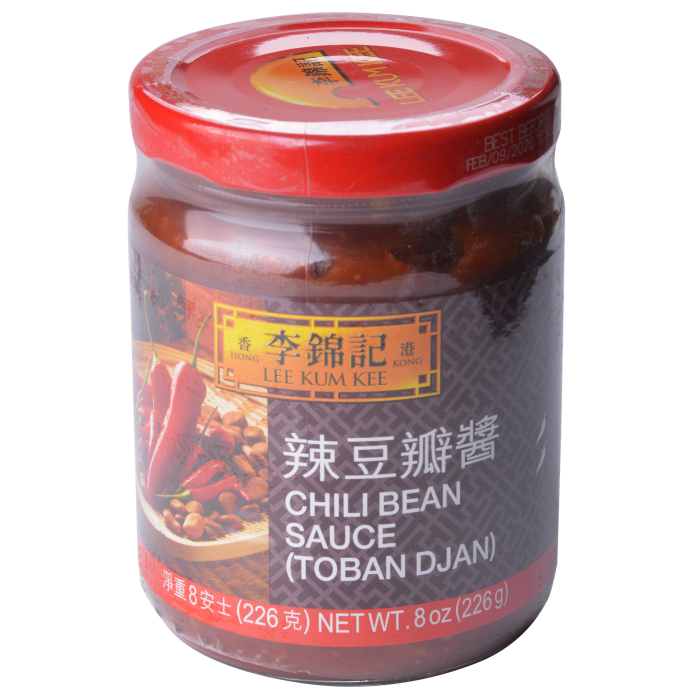
doubanjiang
Sauce
Doubanjiang (IPA: [tôupântɕjâŋ]), or simply Douban, or Toban-djan, Chili bean sauce, is a spicy, salty paste made from fermented broad beans, soybeans, salt, rice, and various spices. Doubanjiang exists in plain and spicy versions, with the latter containing red chili peppers and called la doubanjiang (辣豆瓣酱; pinyin: là dòubànjiàng; là meaning "hot" or "spicy"). It is used particularly in Sichuan cuisine, and in fact, the people of the province commonly refer to it as "the soul of Sichuan cuisine". A particularly well-known variety is called Pixian Douban (simplified Chinese: 郫县豆瓣; traditional Chinese: 郫縣豆瓣; pinyin: Píxiàn dòubàn), named after the district of Pixian, Sichuan.[1] This sauce is sometimes stir-fried with oil and eaten with rice or noodles as a quick meal, and is also commonly used as a primary flavoring for fried tofu dishes and cold tofu salads. It is also frequently mixed with instant noodles. In many Chinese communities and food factories, doubanjiang is produced with only soybeans and salt, and does not contain the broad beans or chili peppers typical of Sichuan-style doubanjiang. In Korean cuisine, a similar form of bean paste is called doenjang.
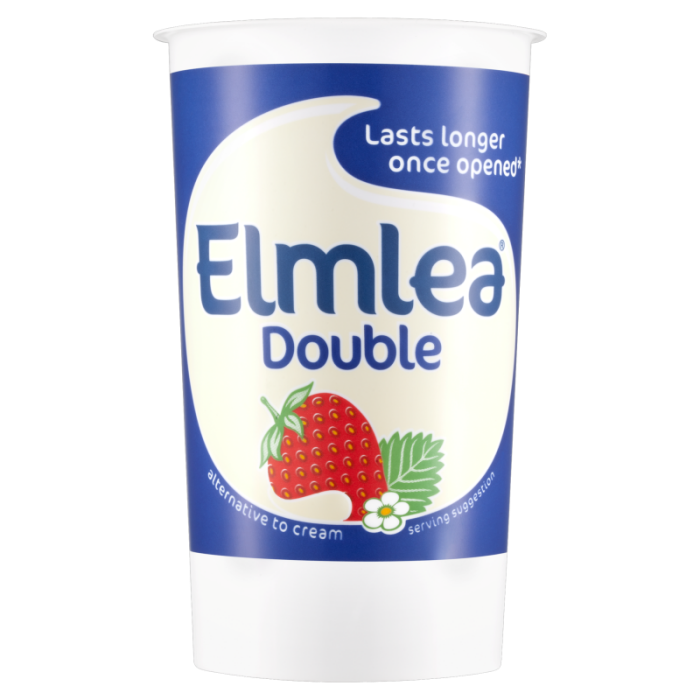
double cream
We don't have a description for this ingredient yet.
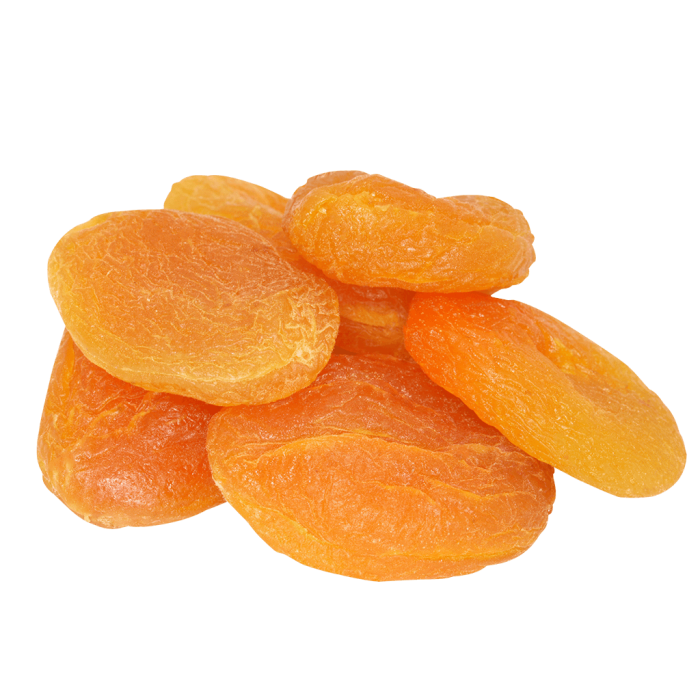
dried apricots
We don't have a description for this ingredient yet.
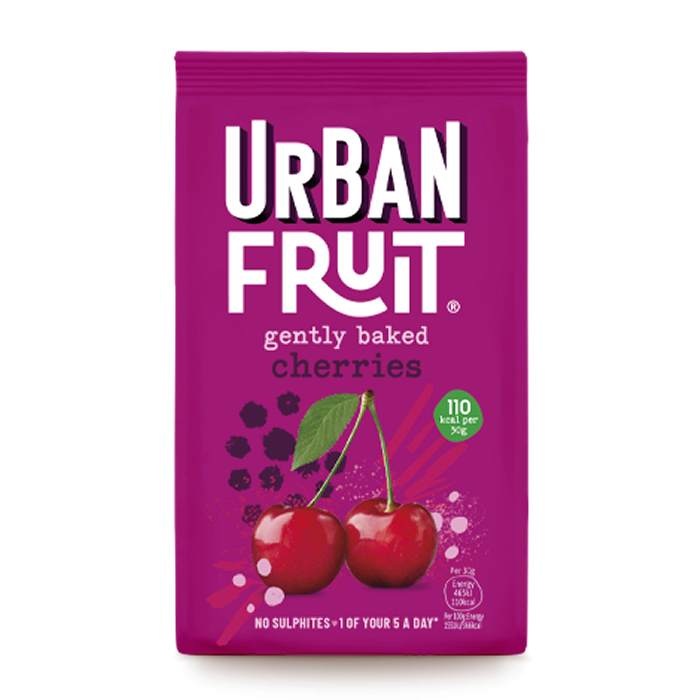
dried cherries
Fruit
Dried cherries are fresh cherries that have had most of their water content removed through a drying process. This results in a shelf-stable, chewy fruit that retains its flavor, and they are used as a healthy snack or as an ingredient in many dishes. They can be made from sweet or sour cherries and are rich in antioxidants, vitamins, and minerals. Characteristics Chewy texture: The dehydration process creates a chewy texture that makes them a satisfying snack. Intense flavor: Removing the water concentrates the natural flavors, making them sweeter or tarter depending on the original cherry type. Shelf-stable: The drying process makes them last longer than fresh cherries. Nutrient-dense: They are a good source of antioxidants, fiber, and minerals like potassium and vitamin C. How they are made Harvesting: Cherries are harvested when fully ripe. Pitting: The pits are removed from the cherries. Drying: The pitted cherries are then dehydrated, often at a low temperature, until they reach the desired level of dryness. Optional additions: Some dried cherries may have added sugar or other ingredients, but many are sold with no additives. Common uses Snacks: They are a popular, portable, and mess-free snack on their own or mixed with nuts and other dried fruits for trail mix. Baking: They add flavor and texture to baked goods like muffins, cakes, and scones. Breakfast: Sprinkle them on top of oatmeal, yogurt, or granola for a sweet and nutritious start to the day. Savory dishes: Dried sour cherries can complement savory foods like tagines, salads, and grain dishes.
dried chillies
Legume
Dried chillies are fresh chili peppers that have had their moisture removed through sun-drying, air-drying, or smoking, concentrating their vibrant color, intense heat, and complex, earthy, or fruity flavors, making them a staple spice in global cuisines for adding depth to dishes like moles, curries, and sauces. Unlike fresh, dried chillies offer a longer shelf life and transform into unique ingredients, with examples like smoky chipotles (smoked jalapeños) or rich, raisin-flavored Pasillas, notes Mextrade. Key Characteristics & Uses Flavor Transformation: Drying brings out new tastes—sweet, smoky, fruity (like raisins), or chocolatey—that differ from the fresh pepper, notes Saveur and Don Day in SMA. Heat Profile: Heat from dried chillies builds slowly and lingers, creating a deep, rich warmth rather than the immediate burst of fresh ones, says Asian Inspirations. Preparation: They are often cleaned, stems and seeds removed (though sometimes left in), toasted, rehydrated in hot water, ground into powder, or blended into pastes and sauces. Variety: Popular types include Ancho (dried poblano), Mulato (darker poblano), and Pasilla (rich, mild). Popular Examples Chipotle: A smoke-dried jalapeño, intensely smoky and spicy. Ancho: A sweet, mild, dried poblano with fruity notes. Pasilla: Deep, rich flavor, often with raisin or plum notes, great in moles. In essence, dried chillies are versatile, flavour-packed ingredients that unlock a world of complex tastes in cooking.
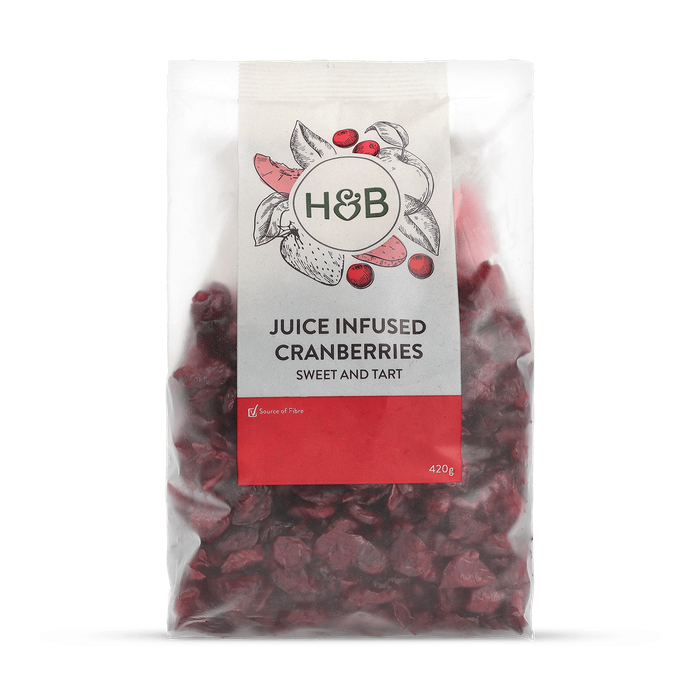
dried cranberries
Fruit
Dried cranberries are fresh cranberries that have been partially dehydrated to remove water content, making them shelf-stable and concentrated in flavor. Because fresh cranberries are very tart, they are typically sweetened with sugar or a sugar alternative during processing, and are often coated in oil to prevent sticking. They are commonly used as a snack or an ingredient in dishes like salads, baked goods, and trail mixes. Production and characteristics Dehydration: The process of drying fresh cranberries is similar to how grapes become raisins. Sweetening: To balance their natural tartness, dried cranberries are often infused with a sugar solution during production. Added ingredients: Many commercial products contain added sugar and may be coated in vegetable oil. Some unsweetened versions are available. Texture and flavor: Dried cranberries have a chewy texture and a sweet, tangy flavor, with a color that ranges from deep red to burgundy. How they are used Snacks: They can be eaten on their own as a convenient snack. Baking: They are a popular addition to muffins, breads, cookies, and granola bars. Salads: Dried cranberries can add a sweet and tangy element to fresh green salads. Trail mixes: They are a staple in trail mix, combined with nuts and seeds. Breakfast: They can be used as a topping for cereal or porridge.
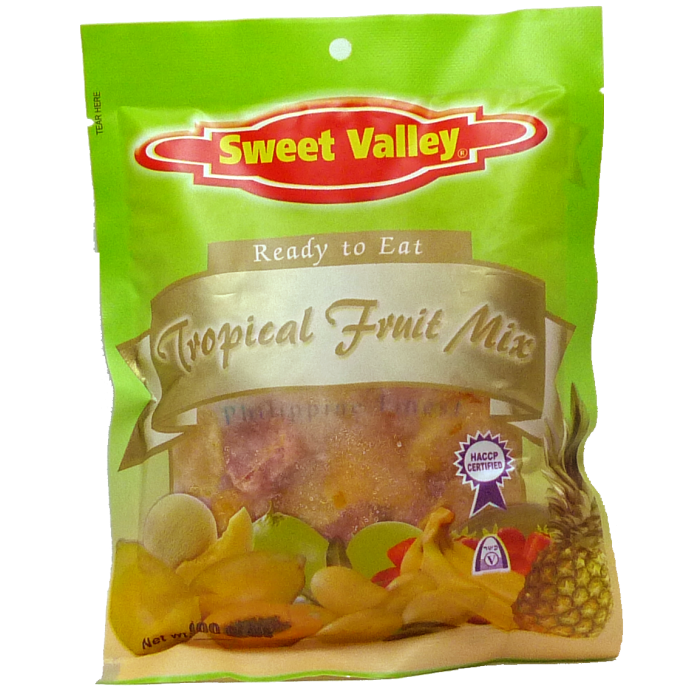
dried fruit
We don't have a description for this ingredient yet.
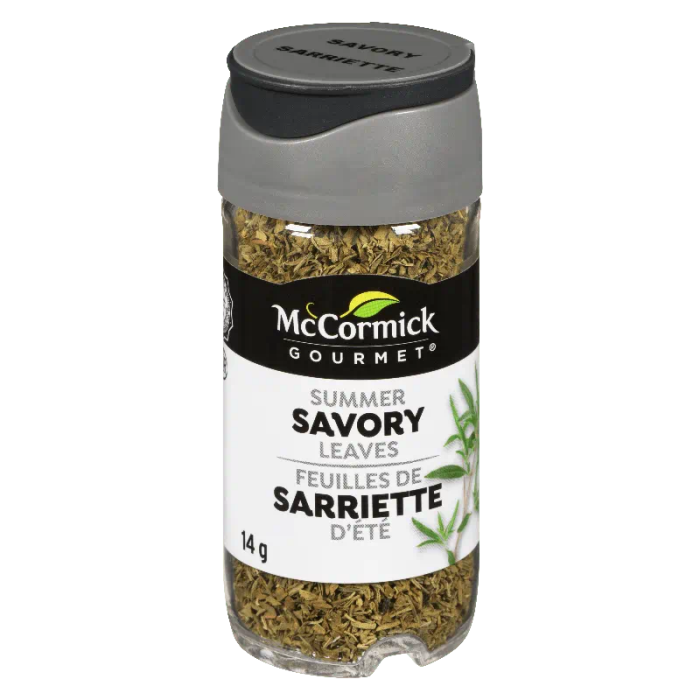
dried leaves of summer savoury
Seasoning
Dried summer savory is a fragrant herb from the mint family with a warm, peppery flavor, similar to thyme or marjoram. It's commonly used in soups, stews, and sauces, and is particularly good with beans, poultry, and other meats. The drying process intensifies its flavor, making it a popular choice for a variety of savory dishes, and in some regions, it's used in place of sage in dressings. Flavor profile Aromatic and pungent: It has a strong, peppery aroma when crushed. Warm and peppery: The taste is herby with a distinct peppery bite that gets stronger when dried. Notes of thyme and marjoram: It's often compared to the flavors of thyme and marjoram. Culinary uses Soups, stews, and sauces: Add to slow-cooked dishes and remove the sprigs before serving. Beans and pulses: It has a natural affinity for beans and can help make them easier to digest. Meats and poultry: Use as a rub for chicken or pork, or in stuffing for fowl. Vegetables: Sprinkle on cabbage, sauerkraut, or add to the water when steaming vegetables. Other dishes: It works well in egg dishes like omelets and frittatas and is a key ingredient in herb mixes like Herbes de Provence.
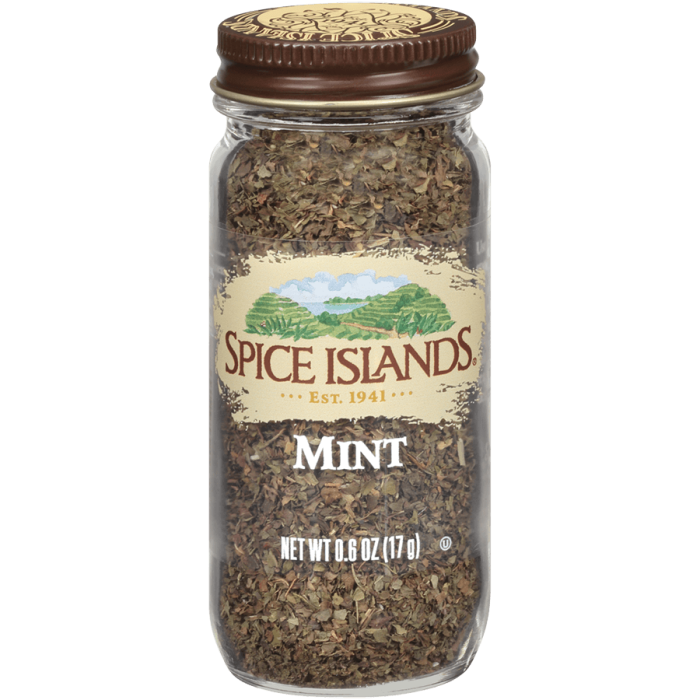
dried mint
Seasoning
How To Dry Mint (3 Methods for Dried Mint) - AlphafoodieDried mint is mint leaves that have been dehydrated, resulting in a longer shelf life and a more concentrated, earthy flavor compared to fresh mint. It is used as a versatile seasoning and flavoring in a wide range of sweet and savory dishes, sauces, teas, and cocktails. Characteristics Flavor: Stronger and more concentrated, with a slightly sharper and less sweet taste than fresh mint. Texture: Rougher and drier than fresh mint leaves. Aroma: Less fragrant than fresh mint, but still aromatic. Common uses Savory dishes: Adds a bright flavor to lamb dishes, marinades, sauces, and stews. Vegetables and salads: Sprinkle over roasted vegetables, feta, or add to salads and couscous. Dips and sauces: Mix into yogurt dips like tzatziki or use to create mint sauce. Beverages: Brew into a comforting tea or muddle in cocktails for a burst of flavor. Soups: Add a refreshing twist to soups, such as pea soup. How it's different from fresh mint Flavor intensity: The drying process concentrates the oils, leading to a stronger flavor profile. Usage: While fresh mint is often used raw for its bright, fresh flavor, dried mint is typically used in cooking where its concentrated flavor can better stand up to heat and other ingredients. Shelf life: Dried mint has a much longer shelf life and is a convenient pantry staple, while fresh mint is perishable.