Ingredients
Explore all the little things that make our recipes tasty.
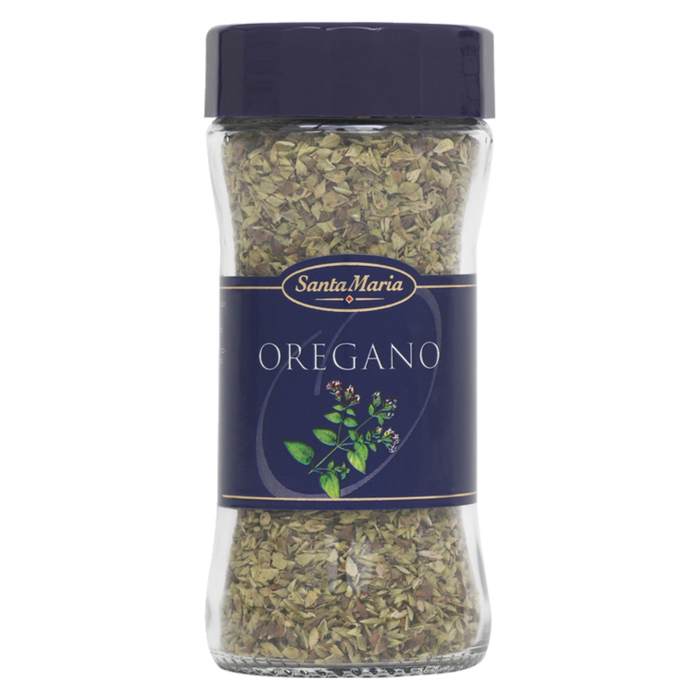
dried oregano
We don't have a description for this ingredient yet.
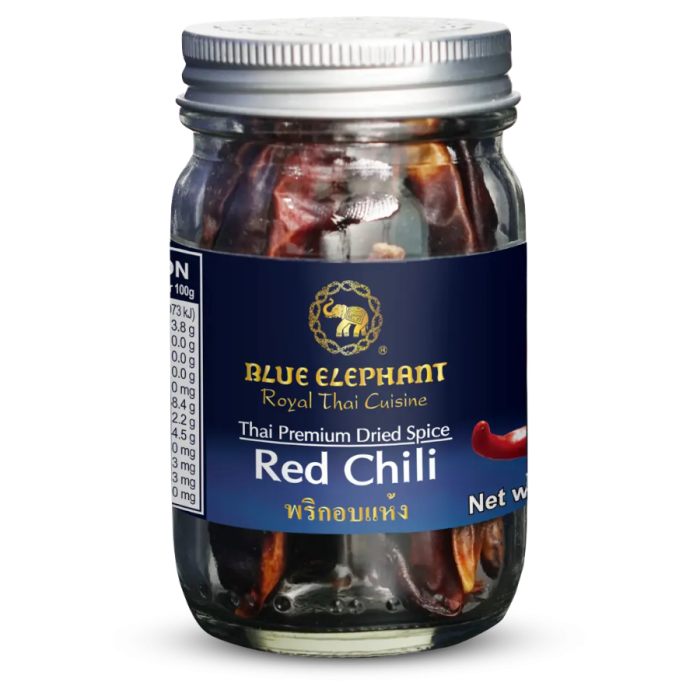
dried red chillies
Root Vegetable
Dried red chillies are mature red chili peppers that have had their moisture removed, typically through sun or air drying, to preserve them and concentrate their heat and flavor. They are a staple spice used worldwide to add heat, color, and a complex, sometimes smoky, flavor to a wide range of dishes like curries, soups, stews, and sauces. Key characteristics Preservation: Drying is a method for preserving chili peppers for year-round use. Flavor: They can have an intense, fiery flavor that adds a slow-burn heat to food. The flavor can be adjusted by removing the seeds and pith, which contain a lot of the heat. Color: They add a vibrant red hue to dishes. Versatility: They can be used whole, crushed (as chili flakes), or ground into a powder. Common uses Soups and stews: They can elevate soups, stews, and braised dishes. Stir-fries: They are used to create the core flavor in many stir-fries. Curries and sauces: They are a key ingredient in many curries, sauces, and pastes. Spice blends: They are used to make spice blends, such as garam masala or chili powder. Infused oils: They can be used to make chili-infused oils.
dried shrimp
Fish
Dried shrimp are small, sun-dried shrimp with a concentrated, salty, and savory (umami) flavor, used as a flavor base in many Asian, African, and Latin American cuisines for dishes like stir-fries, soups, and pastes, often rehydrated before use but sometimes used whole or ground for snacks and seasonings. They come in various sizes, with larger ones often being higher grade and smaller ones used whole, imparting intense seafood flavor to dishes.
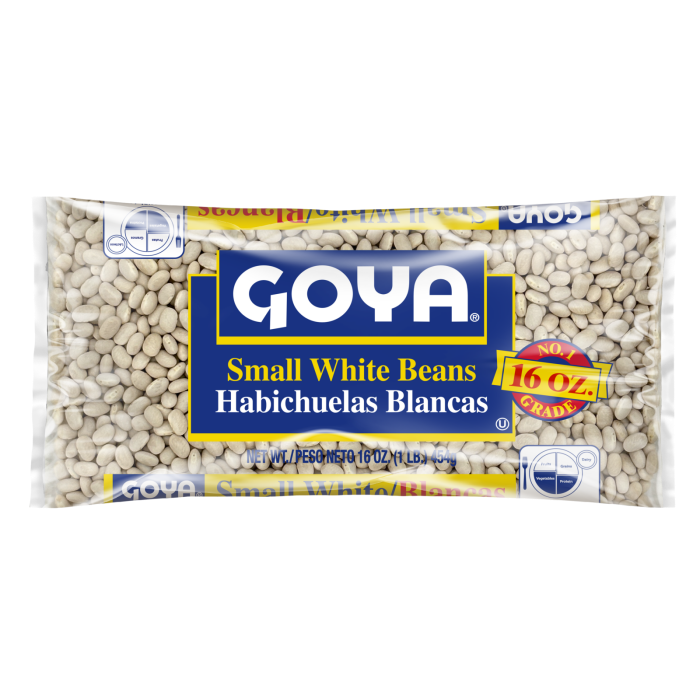
dried white beans
Grain
Dried white beans are a type of legume that has been harvested and dehydrated, and include varieties like cannellini, navy, and great northern beans. They are a good source of protein, fiber, and complex carbohydrates, and they must be rehydrated and cooked for a significant amount of time before they can be eaten. What they are Types: Dried white beans are a category that includes several varieties, such as: Cannellini beans (also called white kidney beans) Navy beans (also called pea beans) Great Northern beans Baby lima beans Characteristics: When dried, they are hard and have a mild, starchy interior. They are a versatile ingredient used in many dishes. Nutritional value: They are a healthy, gluten-free food that provides protein, fiber, and complex carbohydrates. How to use them Soaking: Before cooking, you must soak dried white beans in cold water for at least 5 hours, or overnight, as they expand. Cooking: After soaking, they need to be simmered in water for 1 to 1.5 hours, or until they are tender. They are not safe to eat if not fully cooked. Versatility: They can be added to soups, stews, salads, and other dishes. Preparation for recipes: Once cooked, they can be used in many recipes that call for white beans. Canned beans are pre-cooked, but dried beans require time and effort to prepare.
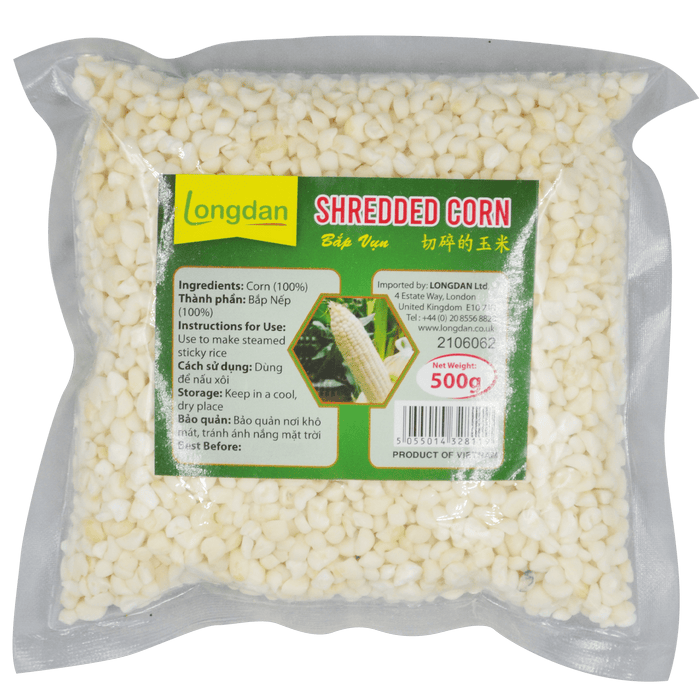
dried white corn
Grain
Buy Dried Corn (Maize) – white or yellow - Buildrestfoods ...Dried white corn is a type of corn kernel that has been dried for preservation and can be prepared in two main ways: either as hominy (also called nixtamalized corn) or as dried corn kernels to be ground into meal. Hominy is made by soaking and simmering dried corn in an alkaline solution, which softens the hull and increases its nutritional value. These kernels can be cooked and used whole in stews and soups, such as the Mexican dish pozole, or ground into white cornmeal. Hominy (Nixtamalized) Preparation: This process involves soaking the dried kernels in an alkaline solution (like lime) which softens the hard outer hull and germ. Texture: After the process, the kernels become soft, puffy, and easy to cook. Nutrition: The nixtamalization process also makes niacin (vitamin B3) more available to the body, and lime adds calcium. Uses: A staple in many Latin American dishes, it is used in soups and stews like pozole. Dried corn kernels (to be cooked or ground) Preparation: Dried kernels can be used directly, but they require soaking and simmering for about an hour or more until tender. Uses: They can be ground to make white cornmeal or grits, which are versatile ingredients. Texture: When cooked, they have a chewy, soft texture and an earthy-sweet flavor. Other dishes: They can also be cooked whole and used as a side dish or a thickener for stews.
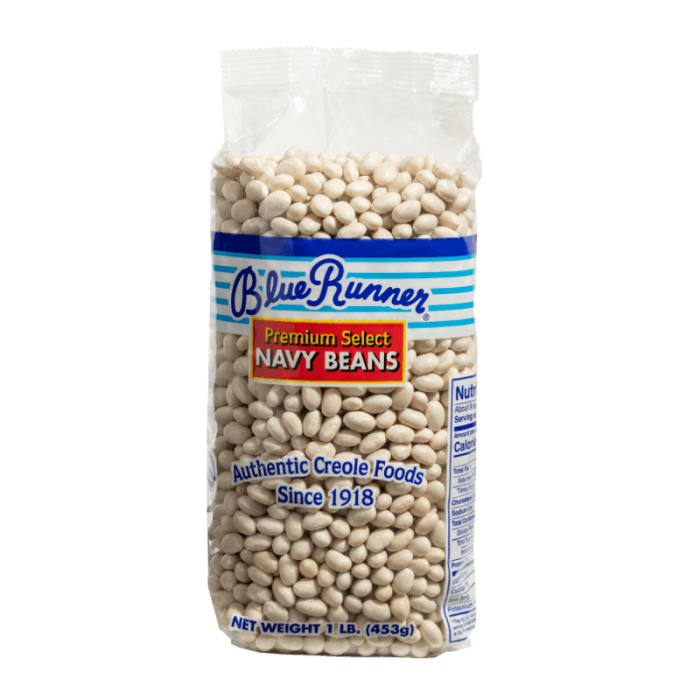
dried white navy beans
Legume
Dried white navy beans are small, oval, and creamy-white legumes, also known as haricot beans or pea beans, that are a staple in dishes like baked beans and soups. They have a mild flavor and soft texture when cooked, and are a nutritious source of protein and fiber. Characteristics and culinary uses Appearance: Small, oval, and creamy-white in color. Flavor: Mild and slightly nutty. Texture: Soft and buttery or velvety once cooked. Culinary uses: Boston baked beans and other slow-cooked bean dishes. Soups, such as Senate bean soup. Dips and spreads when mashed. Can be used in chilis and stews. Nutritional information Protein: High in protein. Fiber: An excellent source of dietary fiber. Other nutrients: Also a good source of iron, folate, and potassium. Other properties: Naturally low in fat and cholesterol-free. How to use them Preparation: Dried navy beans should be rinsed before use. Soaking them beforehand is optional but will reduce cooking time. Cooking: They can be boiled on the stovetop until tender, which typically takes about an hour after pre-soaking. Using a pressure cooker is another method that can cook them in about two hours. Storage: When stored properly, both dried and canned white beans are nonperishable.
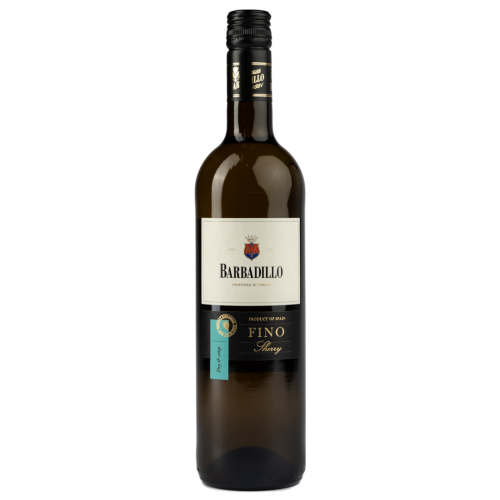
dry sherry
Drink
Dry sherry is a fortified white wine produced in the Jerez region of Spain, characterized by its lack of sweetness because fermentation is complete, leaving minimal residual sugar. There are four main types of dry sherry, categorized by their aging process: Fino, aged under a layer of yeast (flor); Manzanilla (a sub-type of Fino), also aged under flor but in a coastal town giving it a brinier taste; Amontillado, which starts with flor but continues aging oxidatively; and Oloroso, which is aged entirely oxidatively without flor. Key characteristics Flavor profile: Dry sherry ranges from light and delicate to rich and nutty, depending on the style. Production: It is made from Palomino grapes and the base wine is fortified with distilled spirit after fermentation. Aging: The aging process determines the final style: Fino: Aged under a layer of flor yeast, resulting in a light, crisp, and floral wine with almond notes. Manzanilla: A sub-type of Fino aged in the coastal town of Sanlúcar de Barrameda, giving it a slightly brinier, more maritime flavor. Amontillado: A middle style that starts as a Fino but loses its flor layer to age oxidatively, resulting in a richer, nuttier profile. Palo Cortado: Another intermediate style where the flor dies off naturally during aging, giving it a complex profile between Amontillado and Oloroso. Oloroso: Aged oxidatively without any flor, leading to a darker, richer, and more robust wine with flavors of dried fruit and nuts. Serving and pairing Serving: Serve Fino and Manzanilla chilled, while darker sherries like Oloroso can be served at cellar temperature. Pairing: Dry sherry pairs well with a variety of foods. Fino is great with olives and almonds, Manzanilla is excellent with seafood, and Oloroso complements rich meats and cheeses.
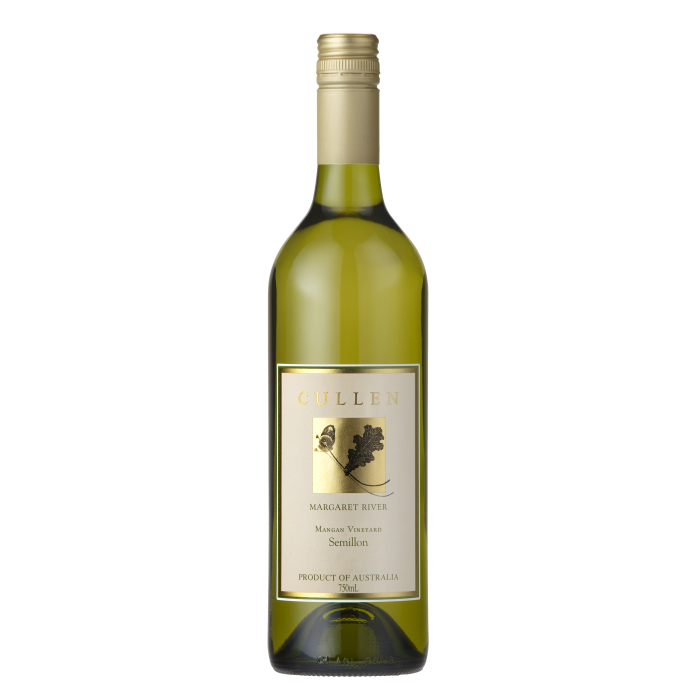
dry white wine
We don't have a description for this ingredient yet.
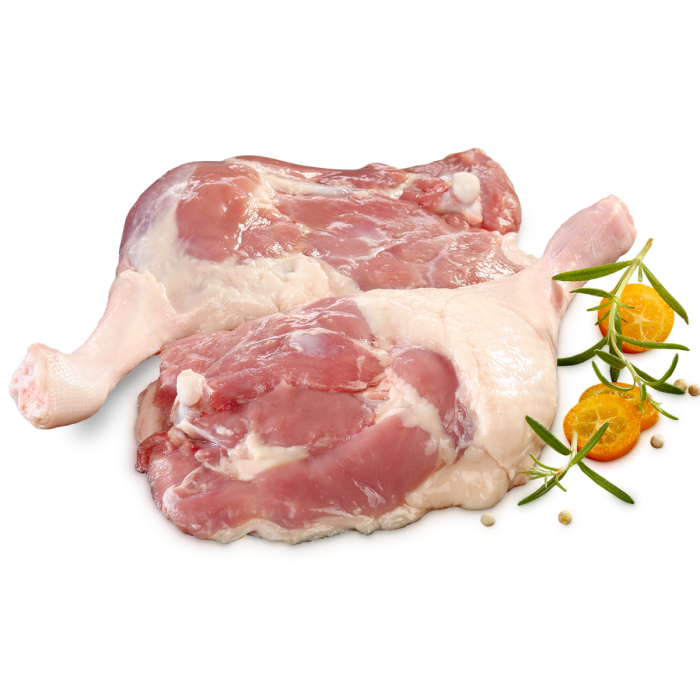
duck legs
We don't have a description for this ingredient yet.
duck sauce
Sauce
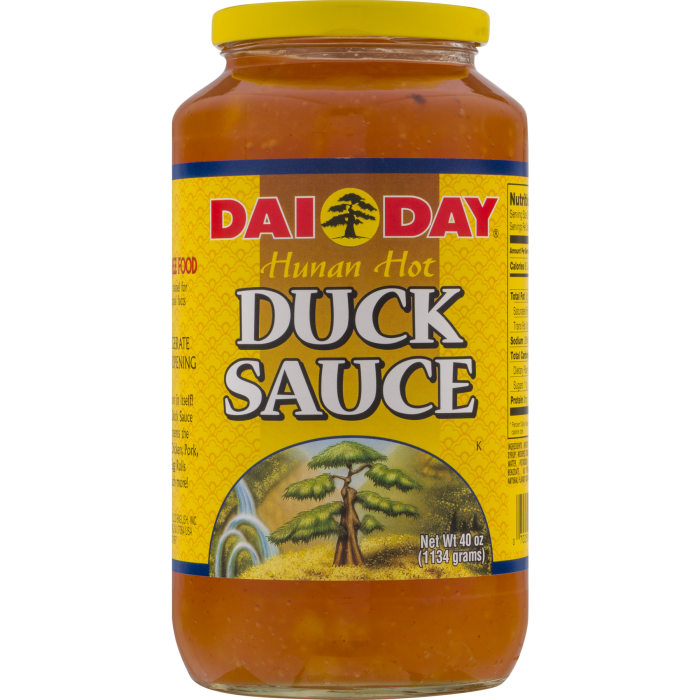
Duck sauce (or orange sauce) is a condiment with a sweet and sour flavor and a translucent orange appearance similar to a thin jelly. Offered at Chinese-American restaurants, it is used as a dip for deep-fried dishes such as wonton strips, spring rolls, egg rolls, duck, chicken, fish, or with rice or noodles. It is often provided in single-serving packets along with soy sauce, mustard, hot sauce or red chili powder. It may be used as a glaze on foods, such as poultry. Despite its name the sauce is not prepared using duck meat.
dulce de leche
Dressing
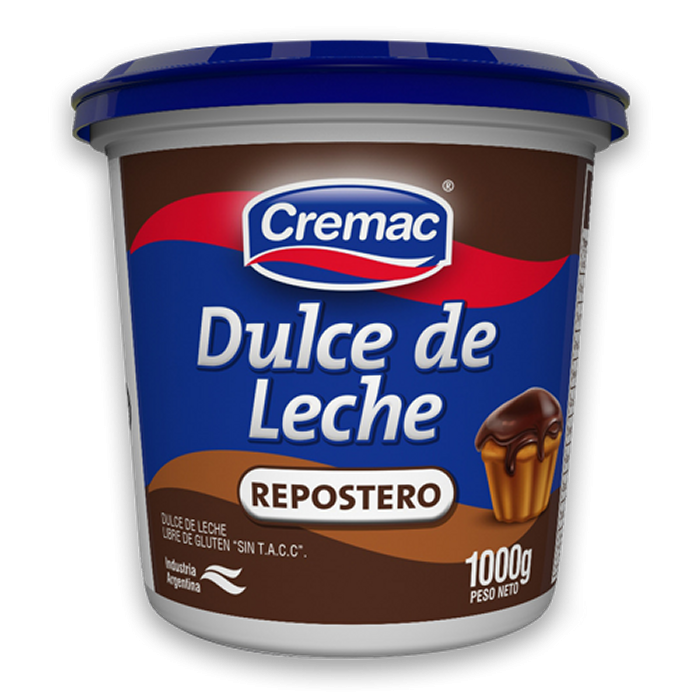
Dulce de leche sauce is a rich, creamy, and sweet caramel sauce made from slowly simmering sweetened milk until it thickens and caramelizes. It has a deep golden-brown color and a flavor that is a mix of sweet milk and caramel. This popular South American condiment is used to top desserts, fill pastries, and can be drizzled over ice cream or fruit. How it's made Stovetop method: Slowly heating and stirring milk and sugar for several hours to reduce the liquid and caramelize the sugars. Baking method: Baking sweetened condensed milk in a water bath until it thickens and darkens in color. Common uses As a dessert topping In baked goods like cakes, pies, and brownies As a filling for pastries Drizzled over ice cream, crepes, or toast In drinks like coffee or tres leches cake
dutch stroop
Dressing
Dutch stroop (pronounced "strohp") simply means syrup in Dutch, but it refers to a specific, thick, caramel-like syrup made from sugar beet or cane sugar, used as the sweet, gooey filling in the famous stroopwafels, or syrup waffles, which are two thin waffles sandwiched together with this rich filling. Traditionally, stroop has a deep, molasses-like flavor, offering a complex sweetness rather than just pure sugar, and it's perfect for warming over a hot drink to soften. Key Characteristics of Stroop: Source: Traditionally derived from sugar beet syrup or reduced treacle, sometimes with added brown sugar and fructose. Flavor: Rich, deep, slightly tangy, and malty, distinct from standard caramel. Texture: Thick, sticky, and gooey when warm. Stroopwafels (Syrup Waffles): Origin: Invented in Gouda, Netherlands, centuries ago. How to Eat: The classic way is to place a stroopwafel on top of a hot cup of coffee or tea for a few minutes, allowing the heat to soften the stroop filling, creating a gooey, delightful treat. In essence, stroop is the essential sweet heart of the beloved stroopwafel, providing its signature texture and flavor.

egg
We don't have a description for this ingredient yet.
egg noodles
Pasta
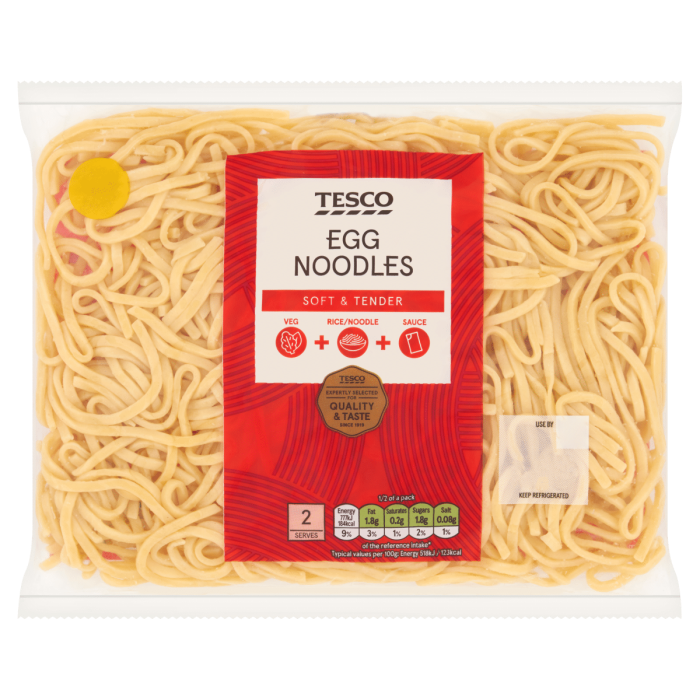
Egg noodles are a type of noodle made from a mixture of wheat flour and eggs, formed into flat strips and cooked in boiling water. They are a staple in many cuisines and can be used in a wide variety of dishes, including soups, stir-fries, and casseroles. Unlike many other pastas made with only flour and water, their defining feature is the addition of eggs, which contributes to their soft, tender texture.
egg plants
We don't have a description for this ingredient yet.
egg roll wrappers
Dairy
Egg roll wrappers are thick, doughy wrappers made from wheat flour and eggs, designed to be deep-fried until golden, crispy, and chewy. They are distinct from the thinner wrappers used for spring rolls and are typically found in the refrigerated or frozen sections of grocery stores. Their main ingredients are flour, water, and eggs, along with salt and other additives for preservation. Characteristics and ingredients Thick and chewy: Unlike the delicate skin of spring rolls, egg roll wrappers are noticeably thicker and have a chewier texture once cooked. Pebbled texture: They often have a slightly rough or "pebbly" surface. Key ingredients: The primary components are wheat flour, water, and eggs. Some variations may include other ingredients like salt, starches, or preservatives. Preparation: They are usually fried, which causes them to blister and become crispy, but they can also be steamed.
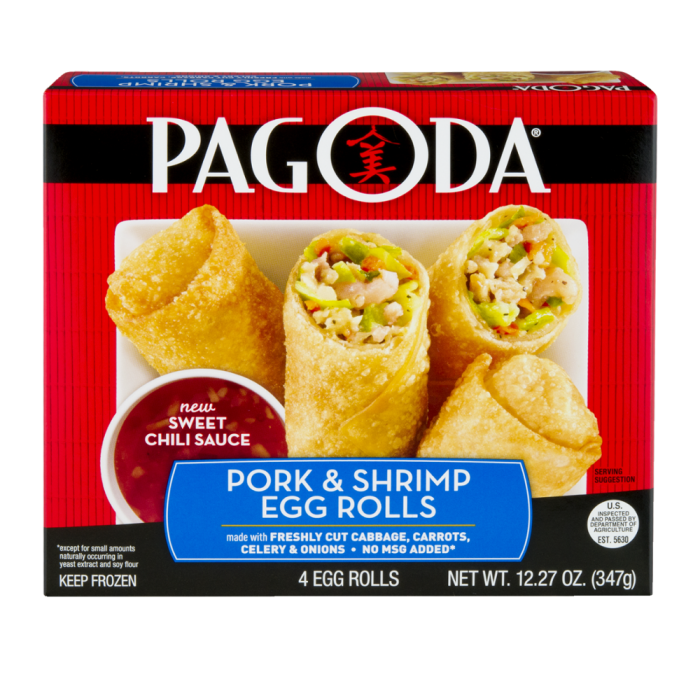
egg rolls
We don't have a description for this ingredient yet.
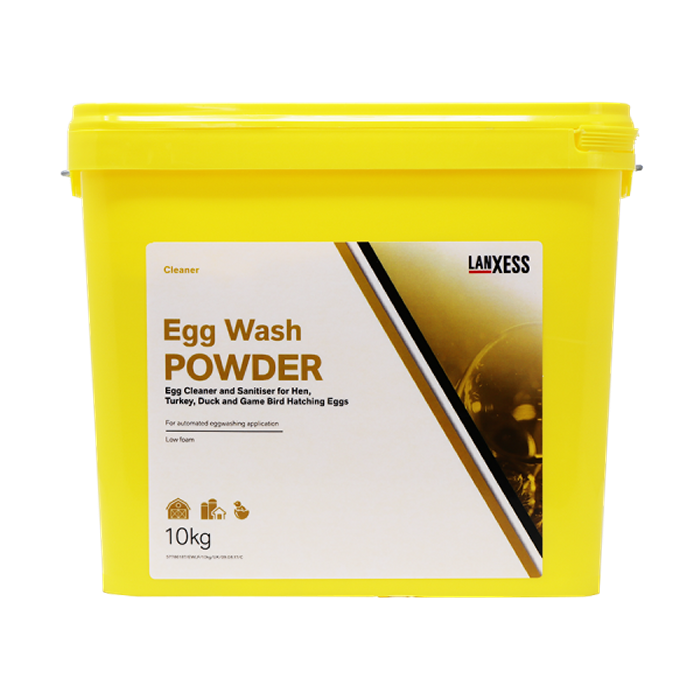
egg wash
Dairy
How to Make an Egg Wash - The BakerMamaEgg wash is a mixture of beaten eggs, sometimes with a liquid like water or milk, that is brushed onto baked goods like pastries and bread before baking. It is used to create a golden-brown color, a shiny finish, and a crispier crust. It also helps seal the edges of filled pastries and acts as a binder to help toppings like seeds or sugar adhere to the dough.

egg white
We don't have a description for this ingredient yet.
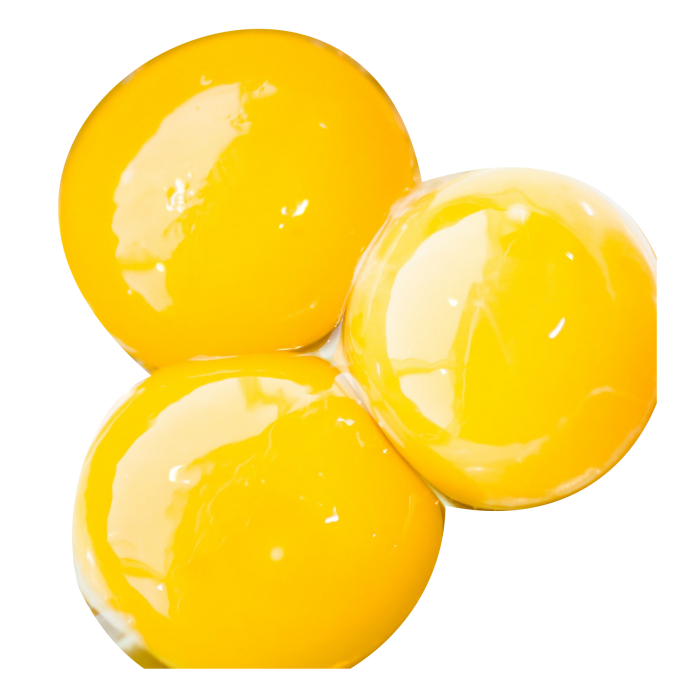
egg yolks
We don't have a description for this ingredient yet.

eggs
We don't have a description for this ingredient yet.
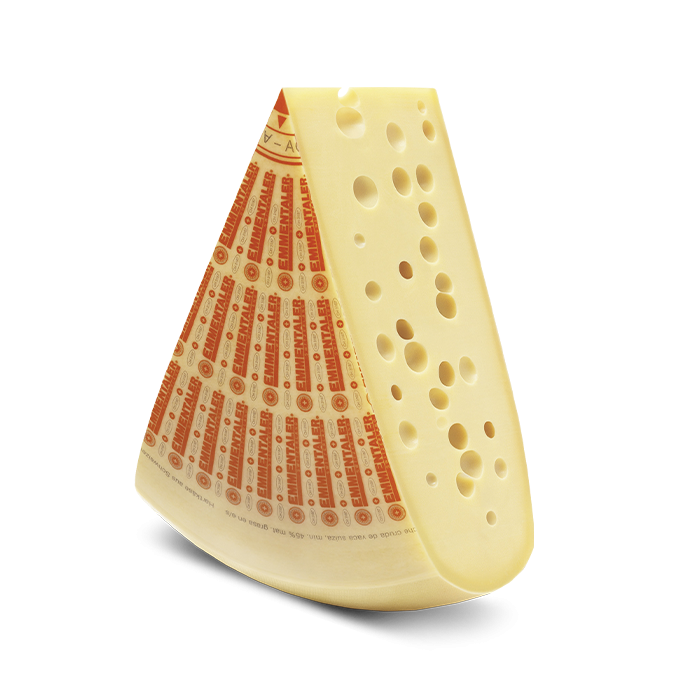
emmentaler cheese
Cheese
Emmental is a traditional Swiss cheese, originating from the Emme Valley, known for its large, distinctive holes ("eyes"), nutty and sweet flavor, and versatility. It is made from cow's milk and has a hard, golden rind. The holes are created by gases produced during the fermentation process, and the flavor and texture can change depending on how long it's aged. Characteristics Appearance: A hard, golden rind with a straw-colored, firm, and dense paste containing large, irregular holes. Flavor and Aroma: Mild, nutty, and slightly sweet, with fruity aromas and a rich aftertaste. A more mature cheese will have a stronger, more pronounced flavor. Texture: Smooth and dense, becoming drier and more crumbly with age. How it's made Emmental is a "cooked" cheese, meaning the curds are heated during production. It is made from cow's milk and traditionally produced in large wheels, some weighing up to 130 kg. The characteristic holes are formed by bacteria that consume lactic acid and release carbon dioxide gas during fermentation. The cheese is aged for months, with its flavor becoming more complex as it matures. Uses Snacking: It can be eaten on its own, with bread, or on a cheese board. Melting: Its excellent melting properties make it ideal for dishes like gratins, fondues, and toasties. Baking: It can be used in baking, such as for savory tarts. Substitutions: It is often a good substitute for other Swiss cheeses like Gruyère or Jarlsberg.
enchilada sauce
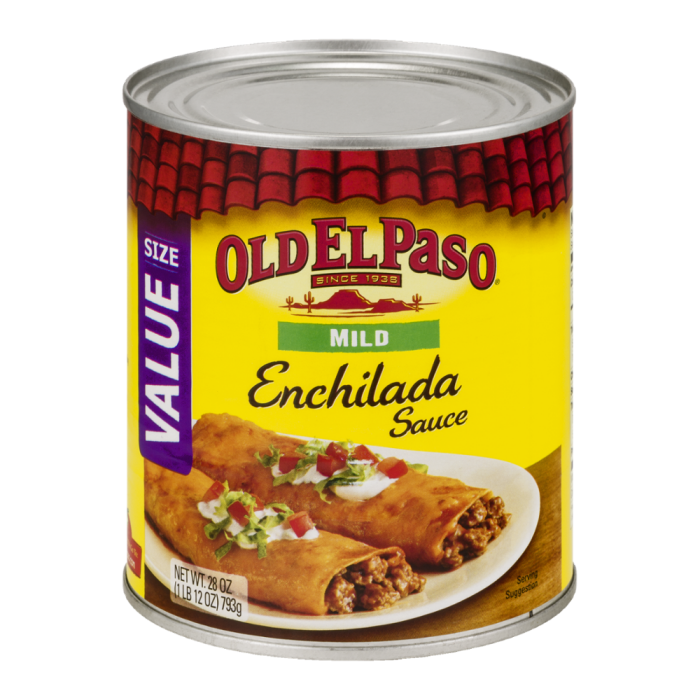
We don't have a description for this ingredient yet.
english muffins
Bread
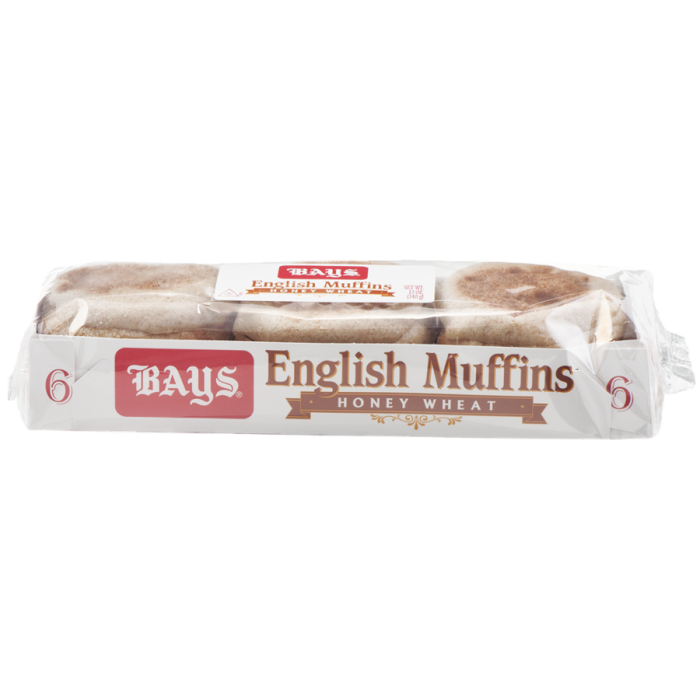
English muffins are a small, round, flat yeast-leavened bread which is commonly sliced horizontally, toasted, and buttered.[2] Toasted English muffins, which are often used in the United States as a breakfast food, may be served with sweet toppings (e.g., fruit jam, or honey) or savoury toppings (e.g., eggs, sausage rounds, bacon, or cheese). English muffins are also used as the bread in a variety of breakfast sandwiches, and are an essential ingredient in Eggs Benedict and most of its variations. In the United States and U.S.-influenced territories, they are called English muffins to distinguish them from U.S. muffins, which are larger and sweeter miniature baked quick breads. They are very similar to bolo do caco in Portuguese cuisine.