Ingredients
Explore all the little things that make our recipes tasty.
english mustard
We don't have a description for this ingredient yet.
extra virgin olive oil
We don't have a description for this ingredient yet.
fajita seasoning
We don't have a description for this ingredient yet.
falafel
Bread
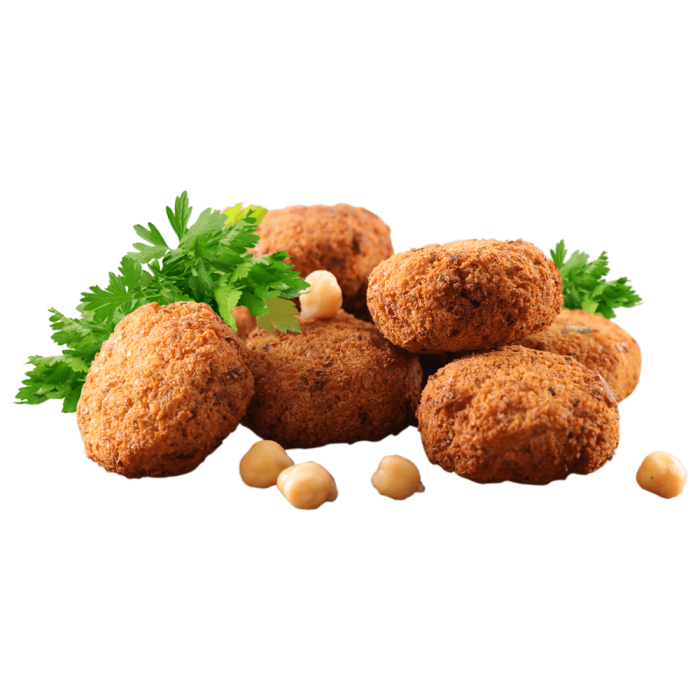
Falafel are deep-fried fritters made from ground chickpeas or fava beans, herbs, and spices, popular in Middle Eastern cuisine. They are often served as a street food, stuffed into a pita or flatbread with vegetables, tahini sauce, and pickles. Falafel can be made at home by shaping the mixture into balls or patties and frying them until golden brown and crispy.
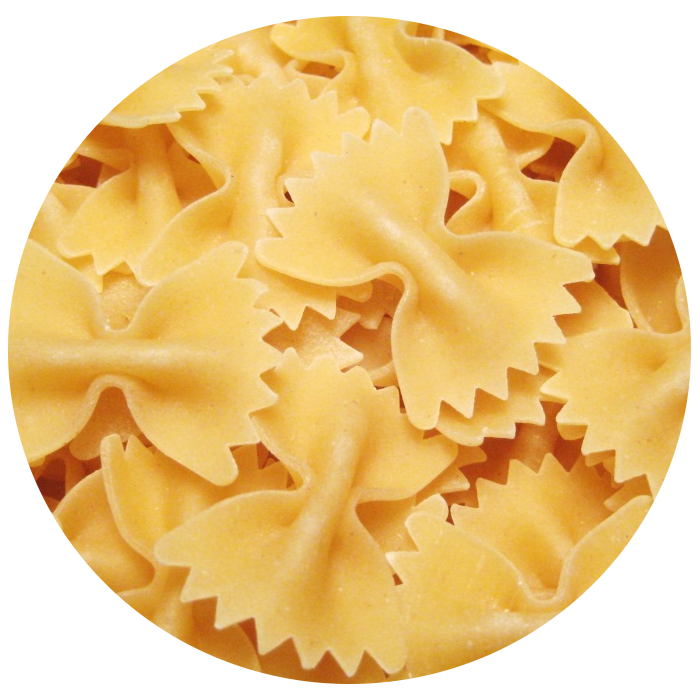
farfalle
We don't have a description for this ingredient yet.

fast action yeast
Grain
Fast action yeast, also known as instant or quick-rise yeast, is a type of baker's yeast with smaller granules that can be added directly to dry ingredients without pre-dissolving in liquid. It rises faster than active dry yeast because it is milled into finer particles and may contain additives like ascorbic acid to speed up fermentation. This makes it ideal for recipes that require quick baking and a single rise. How it works Smaller granules: It is milled into much smaller particles than active dry yeast, which allows it to dissolve and activate faster in dough. No proofing needed: You can mix it directly with the flour and other dry ingredients. It will activate when the wet ingredients are added. Added boosters: Some brands add enzymes like ascorbic acid (Vitamin C) to further enhance its speed and leavening power. Usage examples Quick breads: It's perfect for recipes that need to be made quickly, such as quick-rise breads or rolls. Bread machines: It is suitable for use in bread machines, as the yeast is added directly to the dry ingredients. Recipes with one rise: Because it works so quickly, it allows for a single rise, cutting down on overall baking time.
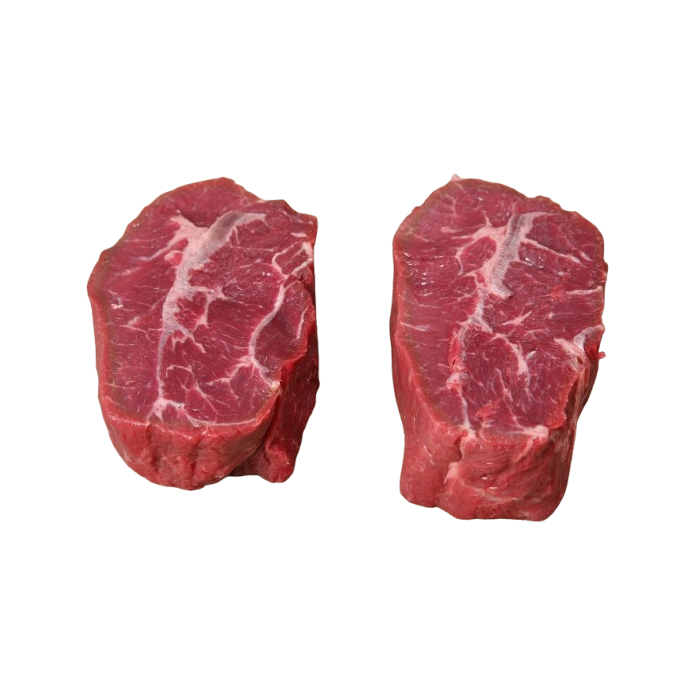
feather blade beef
Meat
Braising cut of beef
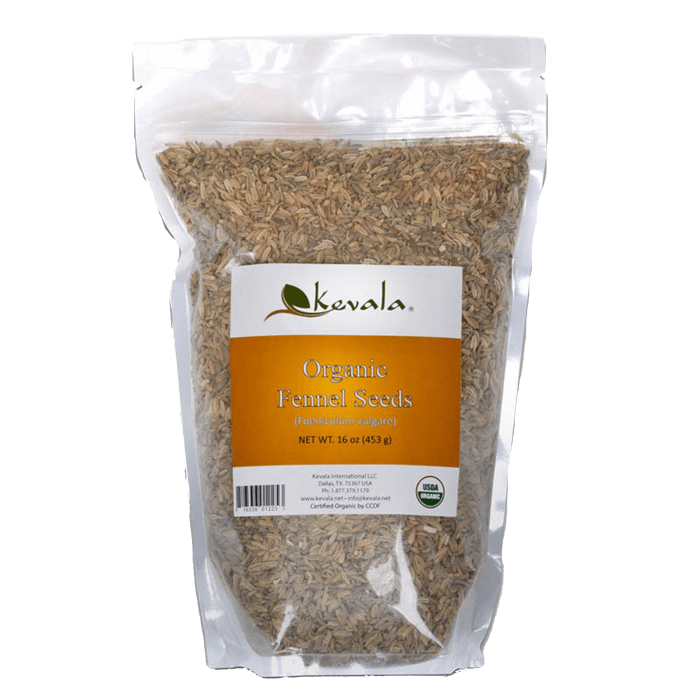
fennel
We don't have a description for this ingredient yet.
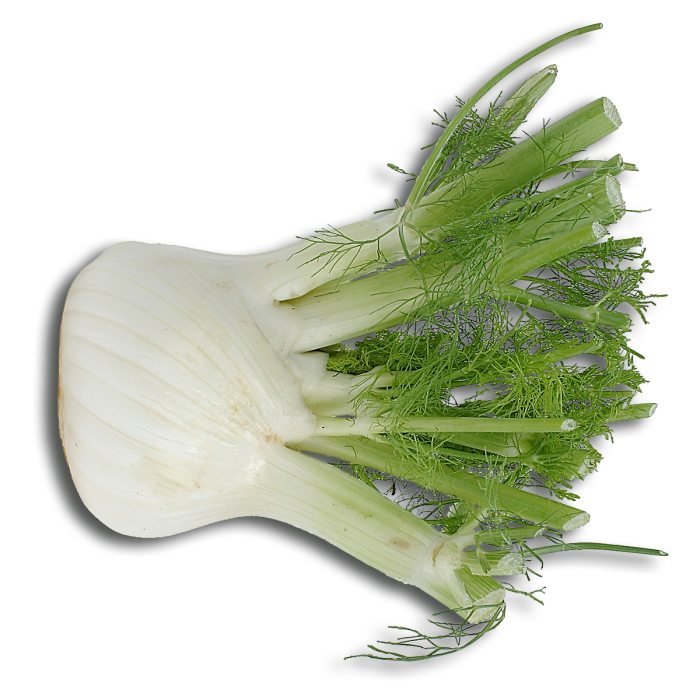
fennel bulb
We don't have a description for this ingredient yet.
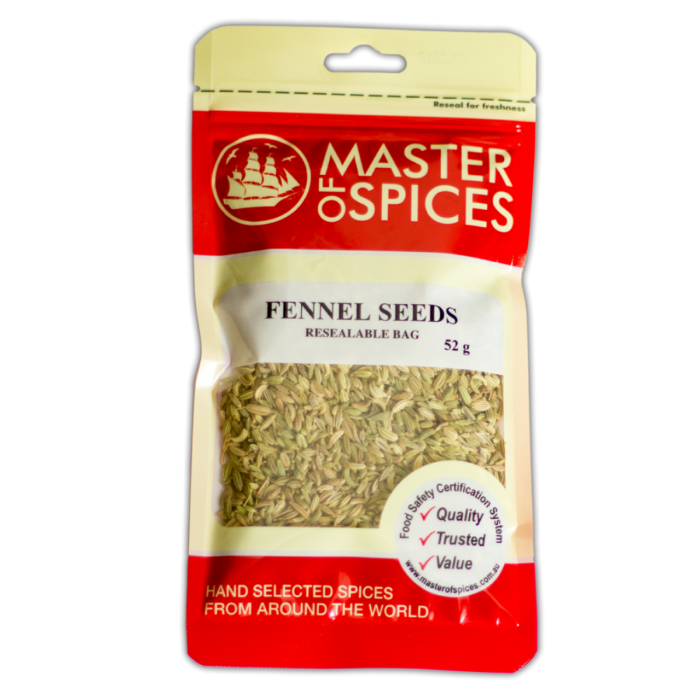
fennel seeds
We don't have a description for this ingredient yet.
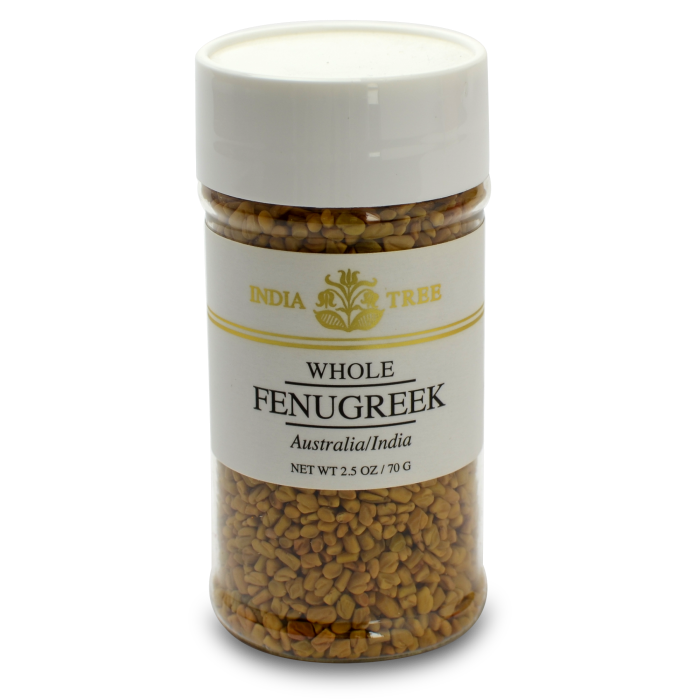
fenugreek
We don't have a description for this ingredient yet.
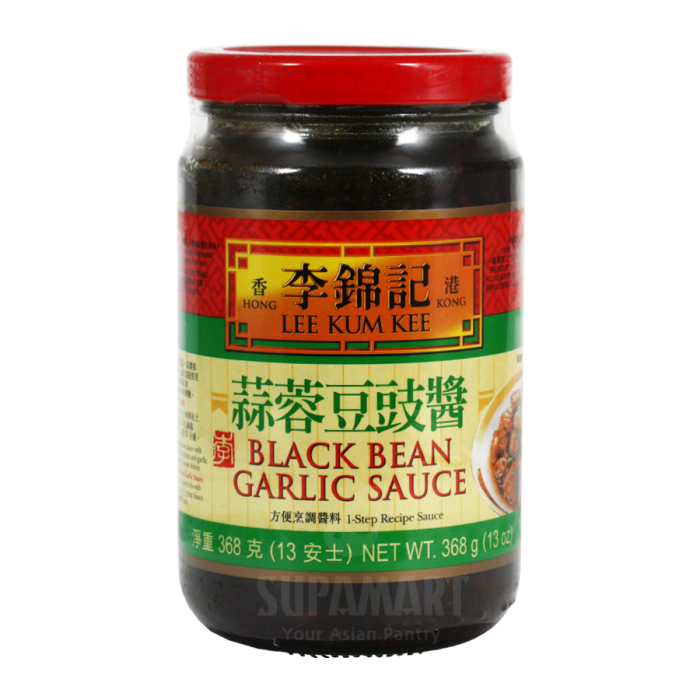
fermented black beans
Bean
Douchi (Chinese: 豆豉; pinyin: dòuchǐ), or tochi is a type of fermented and salted black soybean. In English, it is known as fermented black soybeans, Chinese fermented black beans (Chinese: 黑豆豆豉; pinyin: hēidòu dòuchǐ), salted black beans, salty black beans, or just black beans. They are a flavoring most popular in the cuisine of China, where they are most widely used for making black bean sauce dishes.[1][page needed] Douchi is made by fermenting and salting black soybeans. The black type soybean is most commonly used and the process turns the beans soft, and mostly semi-dry (if the beans are allowed to dry). Regular soybeans (white soybeans) are also used, but this does not produce "salted black beans"; instead, these beans become brown. The smell is sharp, pungent, and spicy; the taste is salty, somewhat bitter and sweet.[citation needed] The product made with white soybeans is called mianchi. The process and product are similar to ogiri and iru, both being African fermented bean products[citation needed]. Douchi, "Chinese salted black beans", and "black soybeans" should not be confused with the black turtle bean, a variety of common bean that is commonly used in the cuisines of Central America, South America, and the Caribbean.
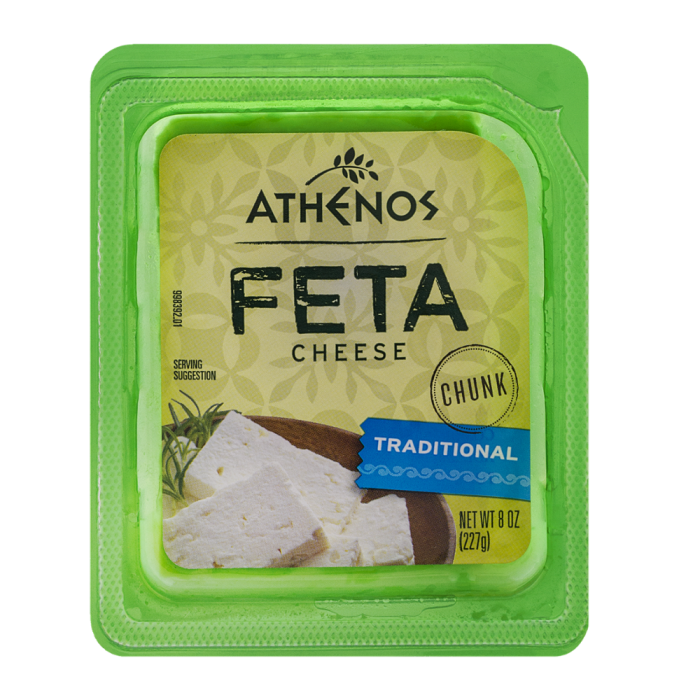
feta
We don't have a description for this ingredient yet.
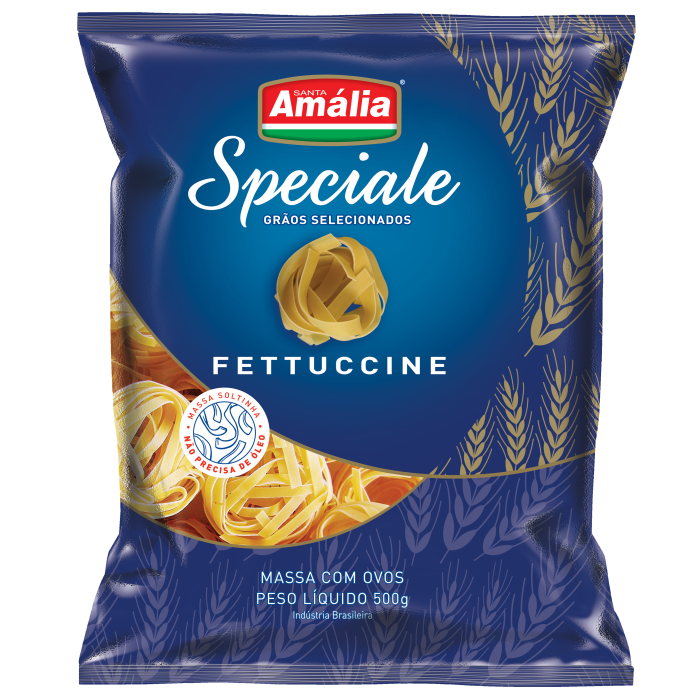
fettuccine
We don't have a description for this ingredient yet.
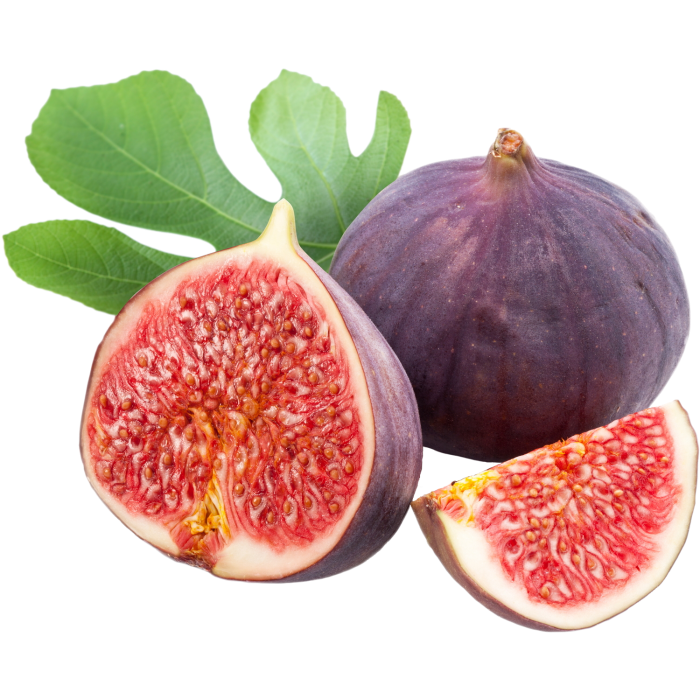
figs
Fruit
Ficus carica is an Asian species of flowering plant in the mulberry family, known as the common fig. It is the source of the fruit also called the fig and as such is an important crop in those areas where it is grown commercially.
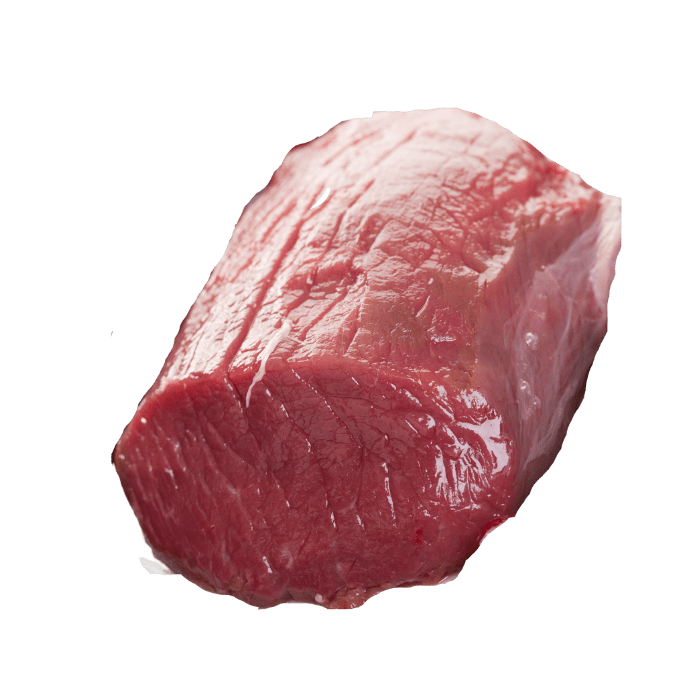
fillet of steak
Meat
Fillet steak, also known as the tenderloin, is a cut from the lower middle of a cow's back known for being the most tender and lean cut of beef. Because the muscle does very little work, it has a melt-in-your-mouth texture and a delicate flavor. It is a premium cut often served rare to medium and can be cooked by grilling or pan-searing. Source: The fillet steak is cut from the tenderloin, a long muscle that runs along the spine of the cow. Texture: It is exceptionally tender due to the muscle being largely inactive during the animal's life. Flavor: Fillet is lean with minimal fat and connective tissue, resulting in a more delicate flavor compared to other steaks. Cooking: Best enjoyed rare to medium to preserve its tenderness. It can be cooked by grilling or pan-searing, and it's crucial to rest it after cooking. Serving: It is a luxury cut often reserved for special occasions. Variations: The thickest part of the tenderloin is called Chateaubriand, while the tapered end is known as fillet mignon.
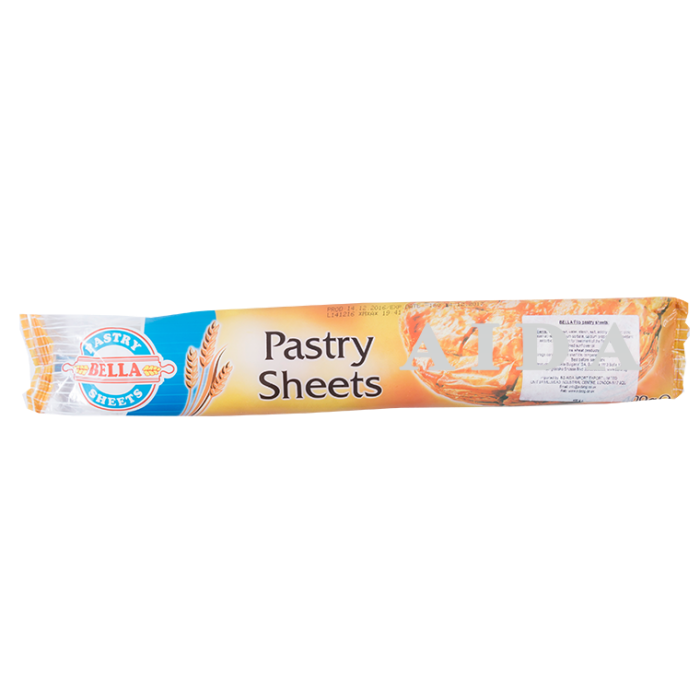
filo pastry
Pastry
Filo or phyllo (Greek: φύλλο "leaf") is a very thin unleavened dough used for making pastries such as baklava and börek in Middle Eastern and Balkan cuisines. Filo-based pastries are made by layering many sheets of filo brushed with oil or butter; the pastry is then baked.

fine yellow cornmeal
Grain
Fine yellow cornmeal is dried yellow corn ground to a smooth, flour-like consistency, offering a mild sweetness and golden color, ideal for soft cornbread, muffins, pancakes, polenta, or as a light coating for fried foods, providing texture without grittiness. It's more refined than coarse meal, creating a softer crumb in baked goods, and is a versatile staple for various sweet and savory dishes, differing from coarse polenta or corn flour. Key Characteristics: Texture: Finely ground, smoother than traditional coarse cornmeal, but not as powdery as wheat flour or cornstarch. Flavor: Mildly sweet with a distinct corn taste. Color: Golden yellow, from the yellow corn used. Ingredients: Made from yellow dent corn, sometimes with the germ removed for a longer shelf life and finer texture. Common Uses: Baking: Soft cornbread, muffins, quick breads, cakes. Porridges/Cereals: Polenta (Italian-style) or creamy porridge. Coatings: For frying fish or chicken to add a delicate crispness. Other: Pancakes, hushpuppies, or added to recipes for richness. How it Differs: From Coarse Meal: Creates a softer, less toothsome result. From Corn Flour: While similar, "corn flour" can be even finer (like wheat flour), whereas fine cornmeal still has some texture. From Masa Harina: Masa harina is cornmeal treated with lime (nixtamalization) for tortillas, while fine yellow cornmeal isn't.
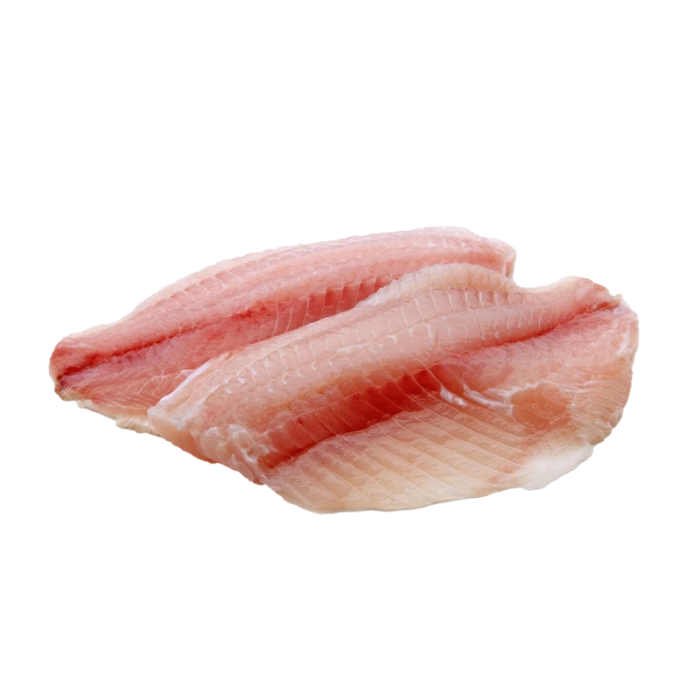
fish fillet
Fish
A fish fillet is the flesh of a fish cut away from the bone by slicing lengthwise along the backbone. This "boneless" cut is the most common form of fish preparation, though some fish contain small "pin" bones that may need to be removed. It is the result of the process called filleting, where a portion of the fish is removed, unlike a fish steak which is a thick slab cut perpendicular to the spine. Key characteristics Cut: A fillet is a long, side-piece of fish, essentially half of the total meat from the fish. Bones: The large bones along the spine are removed, making it a convenient cut to eat. However, some fillets, particularly from certain species like the common carp, may still contain small intramuscular bones called "pins". Preparation: The process of filleting involves carefully slicing the fish parallel to the spine. The skin may be left on or removed. Contrast with a steak: A fish fillet is different from a fish steak, which is a thick cut across the body that includes the larger bones. Variations: Fillets can be further cut into smaller, more uniform "portions" or left as "off-cuts," which are smaller, less uniform pieces.
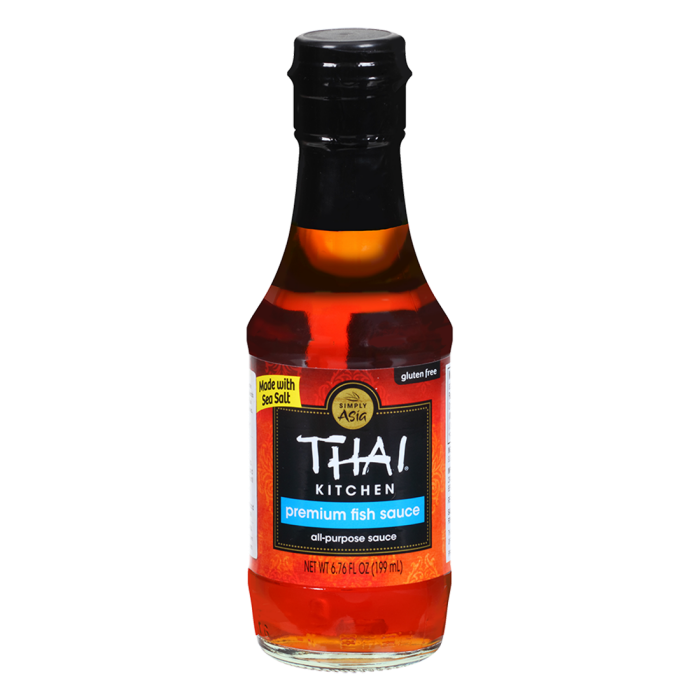
fish sauce
We don't have a description for this ingredient yet.
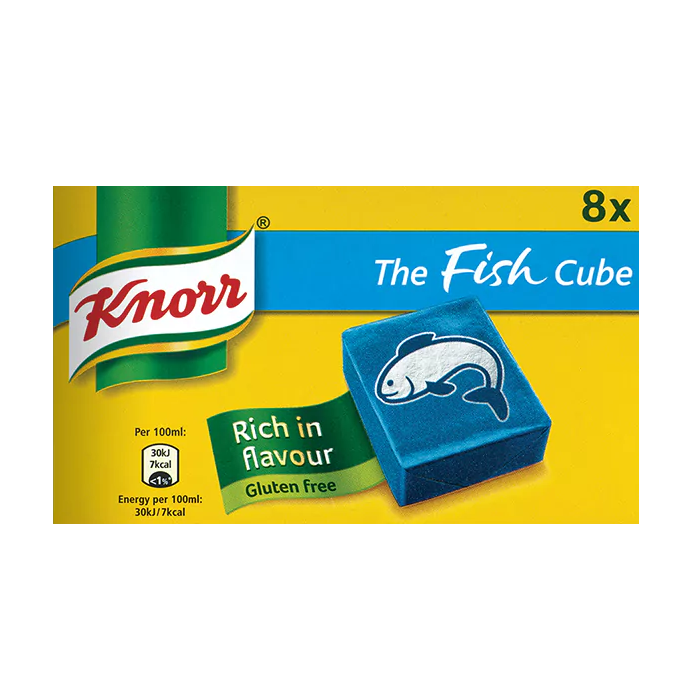
fish stock
We don't have a description for this ingredient yet.
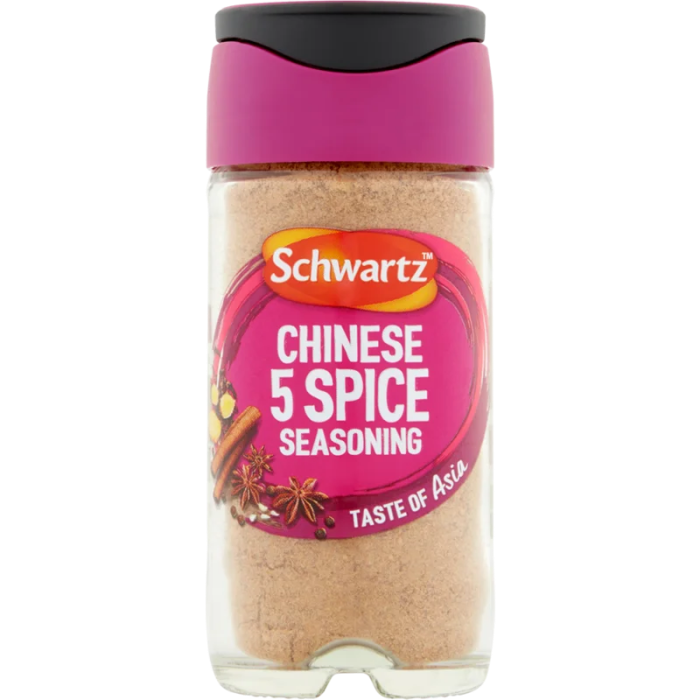
five spice powder
Seasoning
Five-spice powder is a traditional Chinese seasoning blend of five or more spices, commonly including star anise, cloves, cinnamon, Sichuan peppercorns, and fennel seeds. While named for five ingredients, the exact mix can vary and often includes other spices like ginger, nutmeg, or cardamom. It adds a complex, sweet, and savory flavor, particularly to fatty meats like pork and duck.
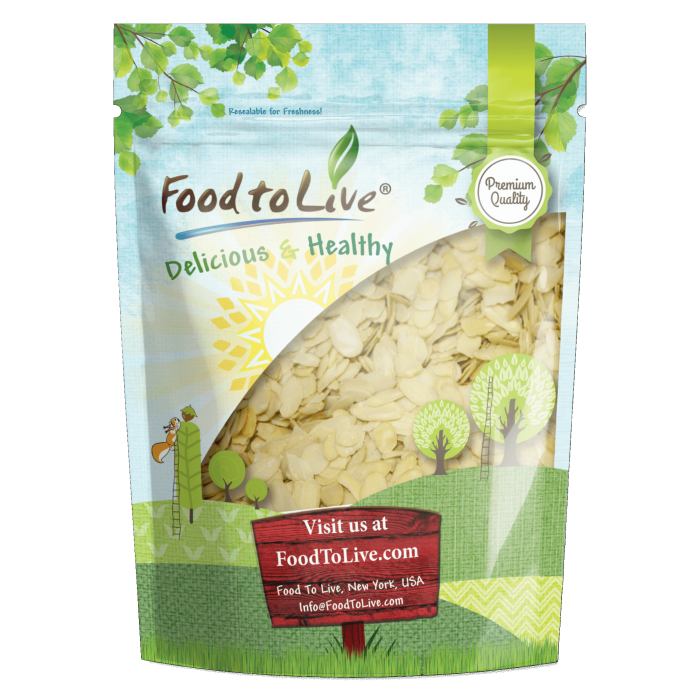
flaked almonds
We don't have a description for this ingredient yet.
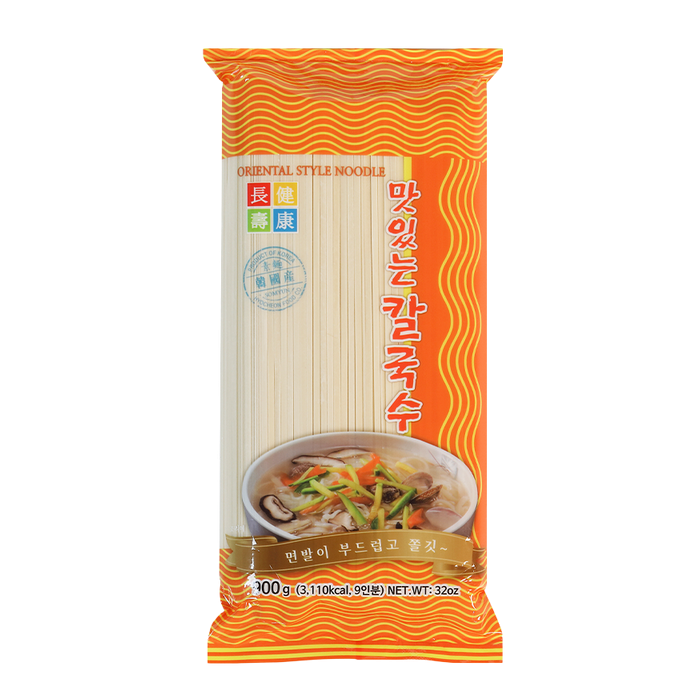
flat rice noodles
Pasta
Flat rice noodles are a type of rice noodle that are wide and flat, with a soft and chewy texture. They are a staple in many Asian cuisines and are used in dishes like stir-fries (such as Pad Thai, Pad See Ew, or Beef Chow Fun) or noodle soups. Ingredients: They are primarily made from rice flour and water, though some recipes and store-bought versions may add potato, tapioca, or corn starch to improve their texture. Variations: They can be found fresh, dried, or frozen, and their thickness can vary, with common names including Hor Fun, Shahe fen, and Kuey Teow. Characteristics: Fresh versions are often coated in a light oil to prevent sticking and are best used the same day they are made, as refrigeration can make them brittle. They are known for their ability to absorb the flavors of sauces and other ingredients. Cooking: They are typically cooked by soaking them in warm water until soft, rather than boiling, and are then added to stir-fries or soups.