Ingredients
Explore all the little things that make our recipes tasty.
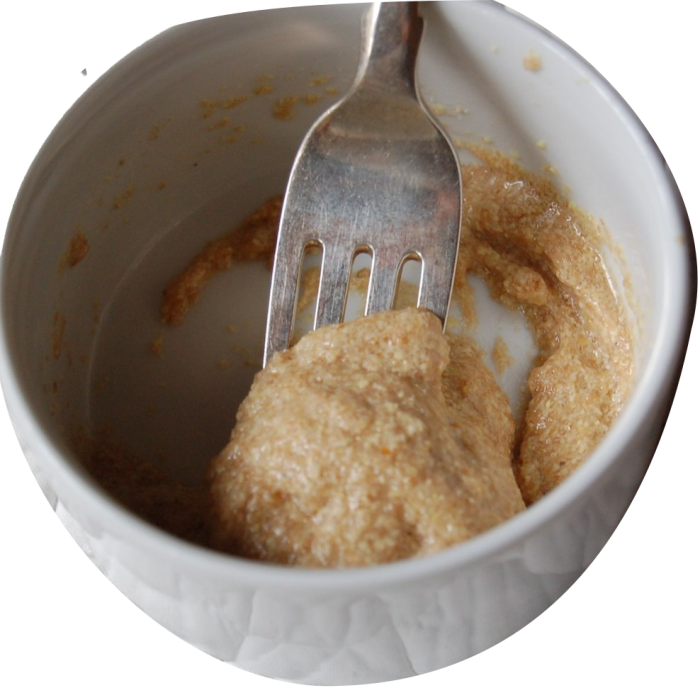
flax eggs
We don't have a description for this ingredient yet.
flour
We don't have a description for this ingredient yet.
flour tortilla
We don't have a description for this ingredient yet.
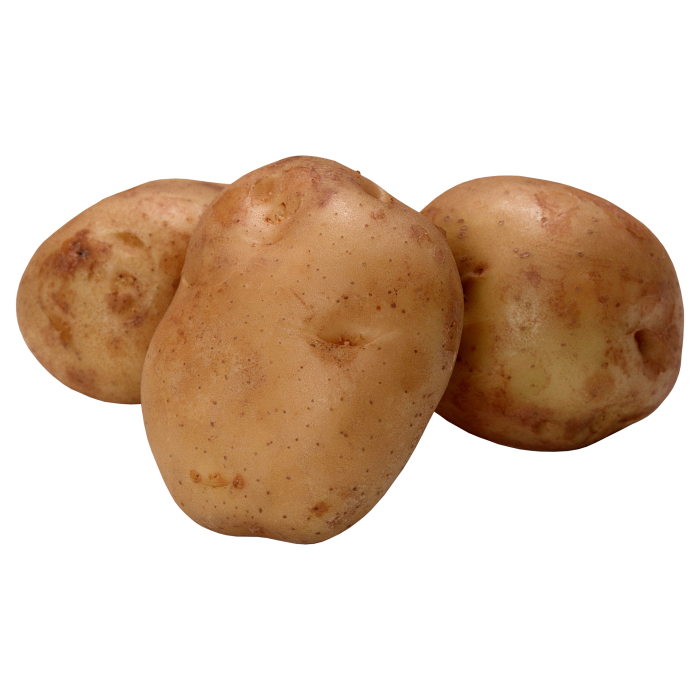
floury potatoes
We don't have a description for this ingredient yet.

free-range egg, beaten
We don't have a description for this ingredient yet.

free-range eggs, beaten
We don't have a description for this ingredient yet.
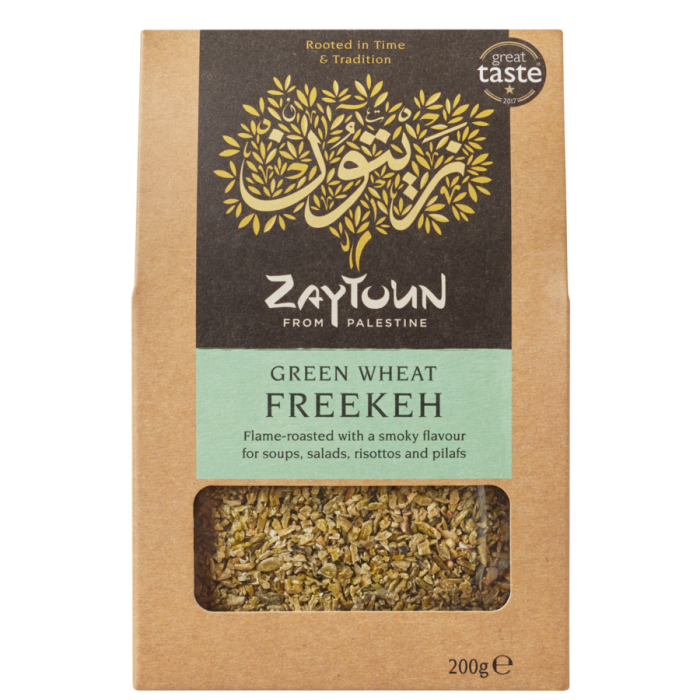
freekeh
Grain
What is Freekeh? (And How Do You Cook It?)Freekeh is an ancient Middle Eastern and North African grain made from young green durum wheat that is roasted, rubbed, and polished. This process gives it a smoky, nutty flavor and a slightly chewy texture, similar to bulgur wheat. It is available as whole or cracked grains and is used in a wide variety of dishes, such as salads, soups, and stews. How it's made Harvesting: The wheat is harvested while the grains are still young, green, and soft. Roasting: The harvested wheat is piled and set on fire, which burns off the straw and chaff while the high moisture content in the green seeds prevents them from burning. Rubbing: The roasted wheat is then rubbed to remove the remaining hulls and char. The name "freekeh" comes from the Arabic word farik, meaning "rubbed". Cracking: The grains can be sold whole or cracked into smaller pieces. Nutritional benefits Freekeh is a good source of protein, fiber, and prebiotics. It contains several minerals, including manganese, zinc, and magnesium. It has a low glycemic index (GI). How to use it Cooking: Whole grains take about 45 minutes to cook, while cracked grains cook in about 20 minutes. They can be boiled in water or broth, similar to how you would cook rice. Serving: Use it as a base for salads, pilafs, or stuffings. It also works well as a hearty side dish or a way to thicken soups and stews.
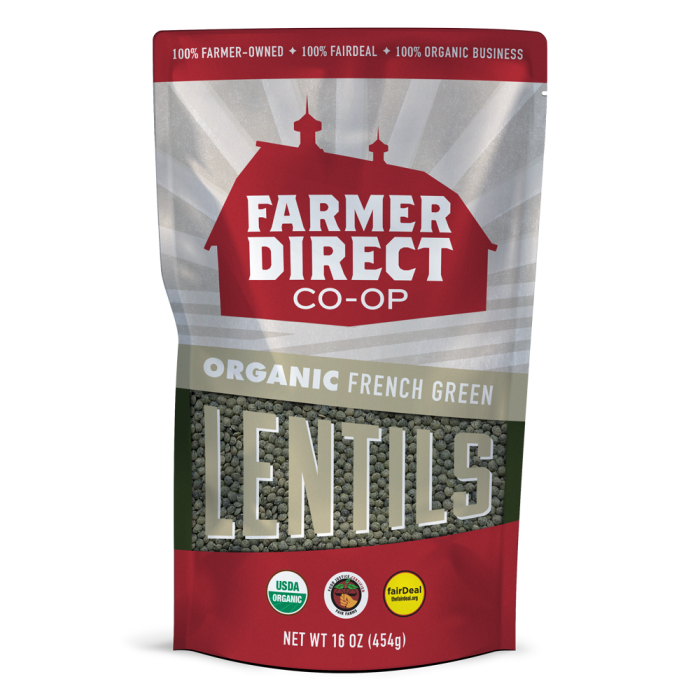
french lentils
We don't have a description for this ingredient yet.
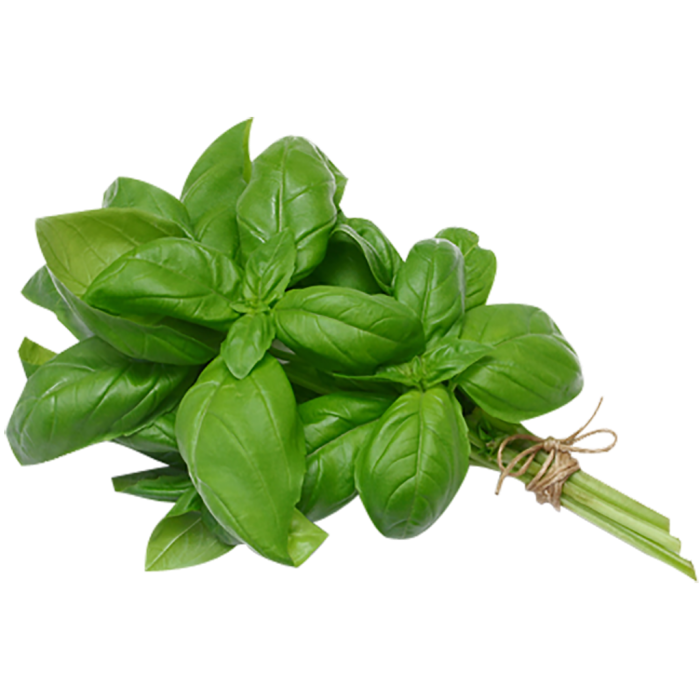
fresh basil
We don't have a description for this ingredient yet.
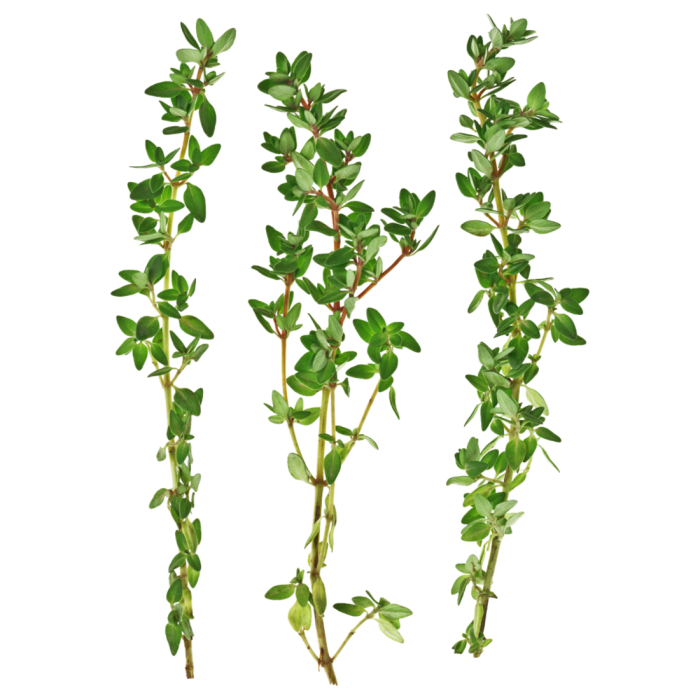
fresh thyme
We don't have a description for this ingredient yet.
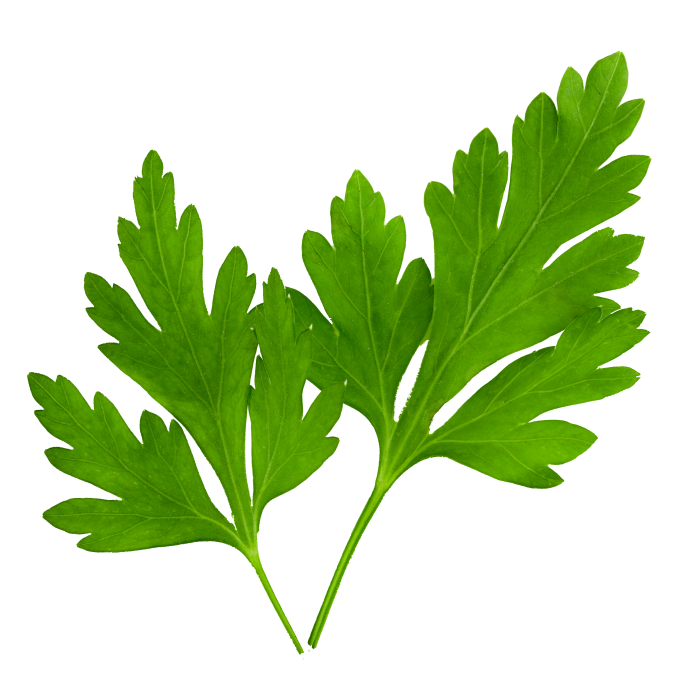
freshly chopped parsley
We don't have a description for this ingredient yet.
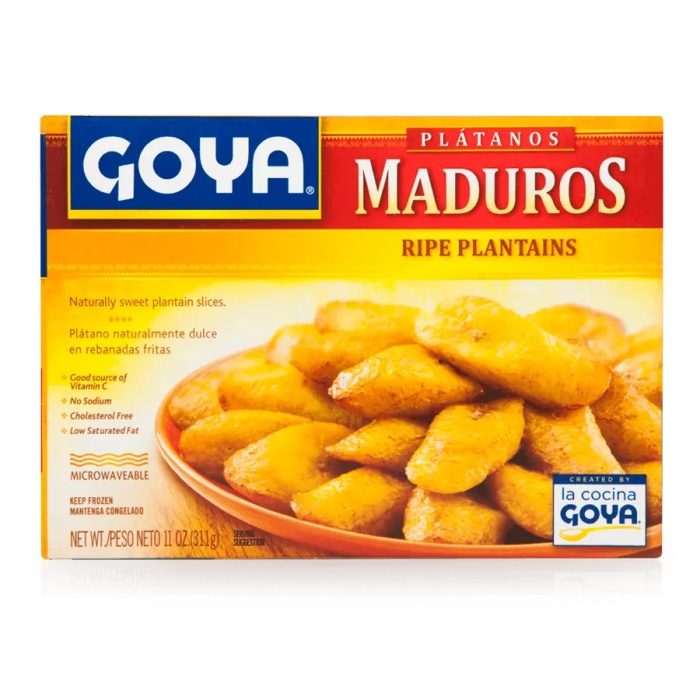
fried ripe bananas
Fruit
Fried ripe bananas are a dish where ripe bananas are cooked in a pan or deep-fried, resulting in a sweet, tender inside and a crispy exterior. They can be served as a dessert, snack, or breakfast and are often coated in a batter or fried with sugar and cinnamon. Preparation methods Pan-fried: Sliced or whole bananas are fried in butter or oil until golden brown and caramelized. They are often tossed in cinnamon and sugar before or after frying. Deep-fried: Sliced bananas are dipped in a batter made of ingredients like flour, cornstarch, and sugar, then deep-fried until golden and crispy. Common ingredients and variations Spices and seasonings: Cinnamon and sugar are common additions, but you can also use cardamom, sesame seeds, or a drizzle of honey or syrup. Batter: A simple batter can be made with flour, cornstarch, sugar, baking powder, and a liquid like water or milk. Some recipes add ingredients like coconut milk and toasted sesame seeds for extra flavor. Serving suggestions: They are often served with ice cream, yogurt, or as a topping for pancakes, French toast, or waffles.
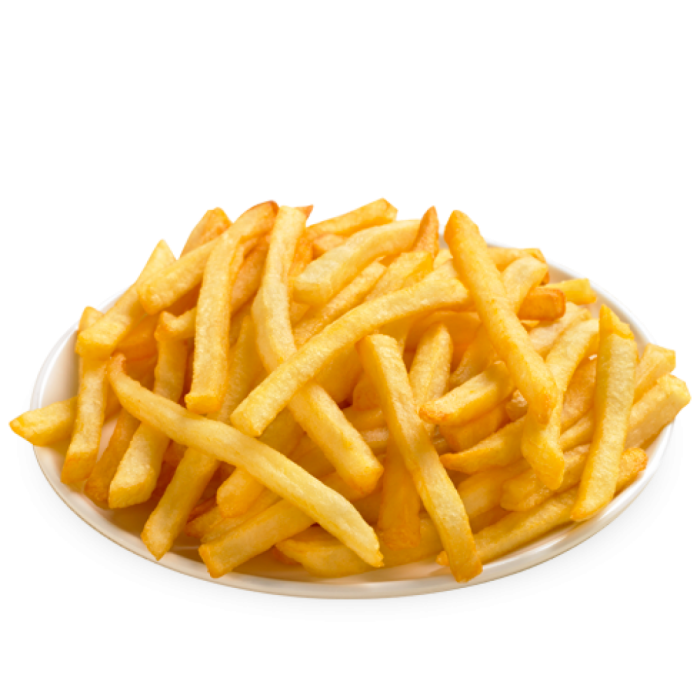
fries
We don't have a description for this ingredient yet.
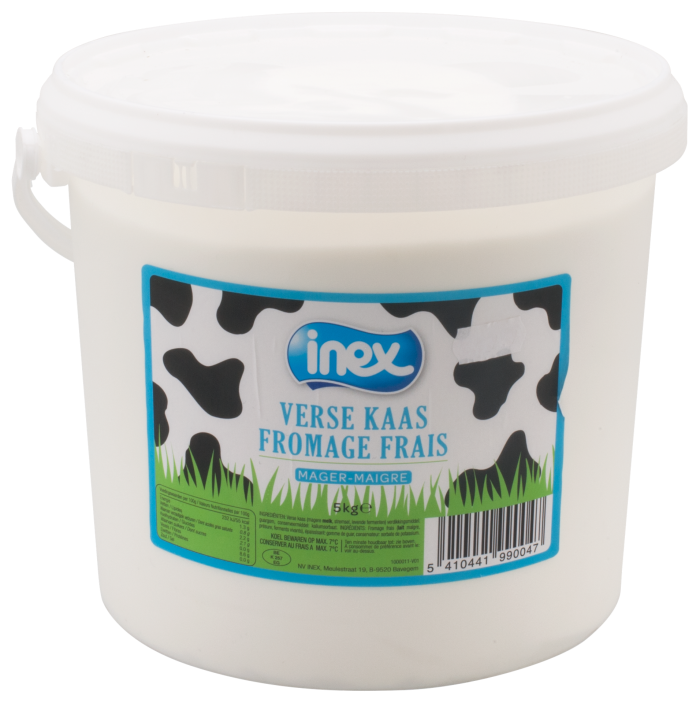
fromage frais
We don't have a description for this ingredient yet.
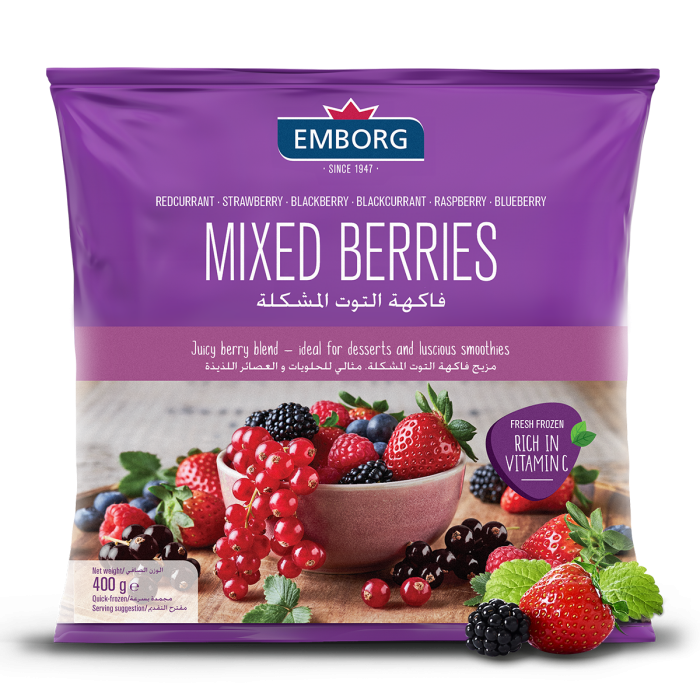
frozen mixed berries
Fruit
Mixed berries are a combination of several edible berries, most commonly including strawberries, blueberries, raspberries, and blackberries. This mix is popular because it offers a blend of sweet and tart flavors and is available fresh or frozen year-round. It's frequently used in desserts, smoothies, yogurts, and as a breakfast topping.
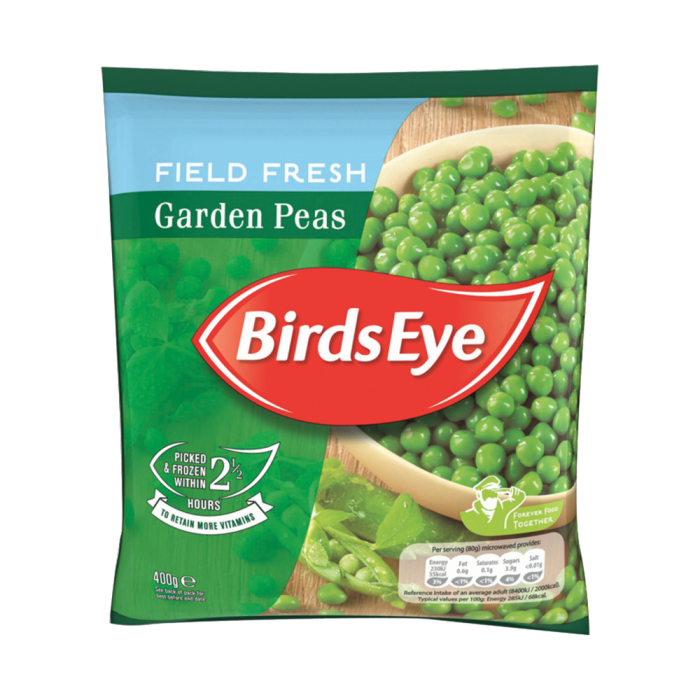
frozen peas
We don't have a description for this ingredient yet.
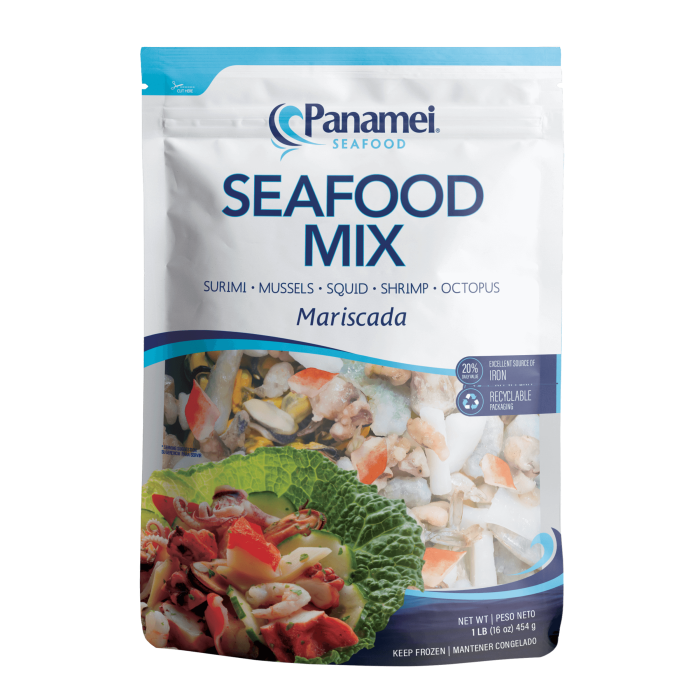
frozen seafood mix
Fish
A frozen seafood mix is a convenient blend of various pre-cleaned and frozen seafood products like shrimp, mussels, squid, and clams, ready to be cooked. It is designed for quick and easy preparation in dishes such as paella, pasta, stir-fries, and risottos. The products are typically frozen at their peak freshness to lock in flavor and texture. Key features of frozen seafood mix Convenience: It saves time as the seafood is already cleaned, portioned, and ready to cook, with no preparation needed beyond defrosting. Variety: It contains a mix of different seafood types in one package, offering a combination of textures and flavors. Common ingredients: Common components include shrimp, squid, mussels, clams, and sometimes octopus. Some mixes may also contain surimi or white fish. Versatility: It can be used in a wide range of dishes, from Spanish paellas and risottos to stir-fries and pasta sauces. Freshness preservation: Freezing at the point of harvest or soon after helps preserve the quality and flavor, similar to fresh seafood.
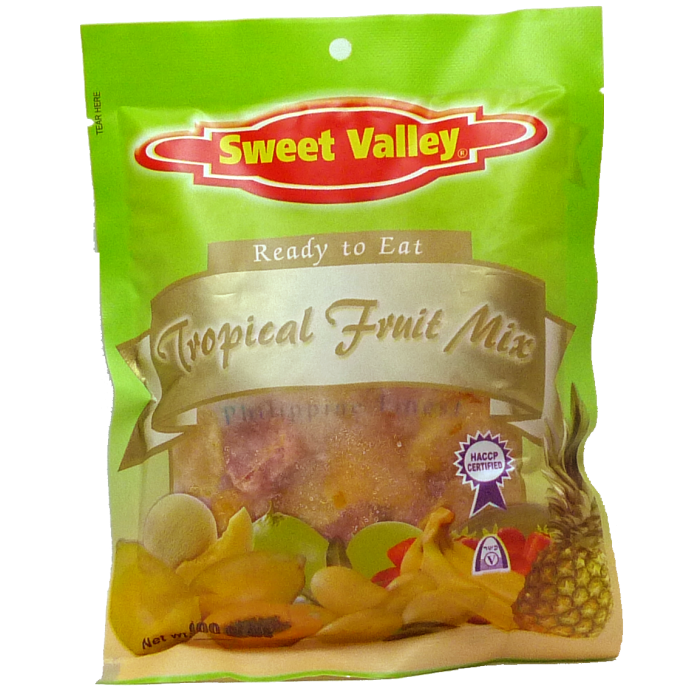
fruit mix
We don't have a description for this ingredient yet.
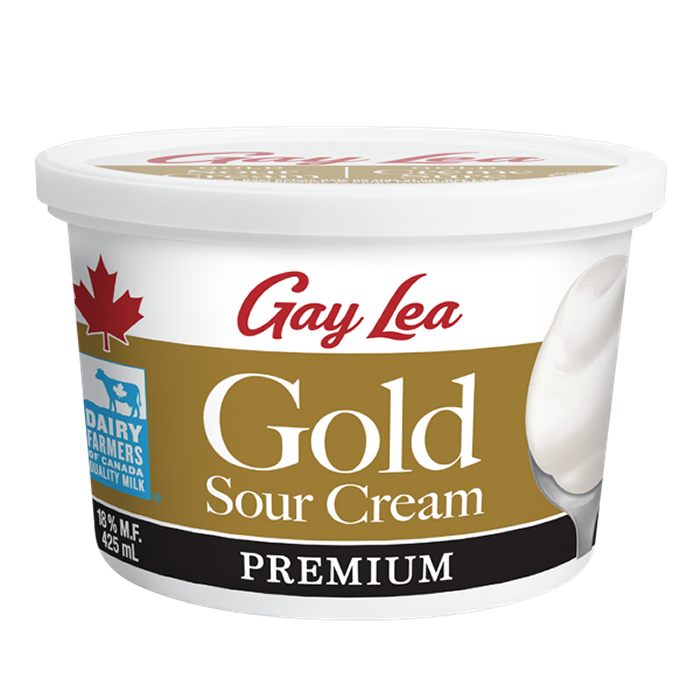
full fat sour cream
Dairy
Full-fat sour cream is a dairy product made by fermenting cream with lactic acid bacteria, resulting in a higher milk fat content (typically 18%) than low-fat versions. This higher fat content gives it a richer flavor, a creamier texture, and makes it more stable in heat, though it should still not be boiled. It can be used in a wide range of dishes, from baked goods and creamy sauces to dips, toppings for baked potatoes, and in recipes where mayonnaise is typically used. Characteristics and uses Flavor and texture: It has a richer, creamier taste and smoother texture compared to lower-fat versions. Fat content: Typically contains at least 18% milk fat. Heat stability: The higher fat content provides better heat resistance, but it should not be boiled and is best used below $160^circ$F to prevent curdling. Usage examples: Topping: A dollop on hot or spicy foods, baked potatoes, or tacos. Baking: Used in quick breads, cakes, and cheesecakes for moisture and richness. Sauces and dips: A base for creamy dips, salad dressings, and creamy sauces. Mashed potatoes: Adds a rich flavor and smooth texture to mashed potatoes and puréed vegetables. Other uses: Can be incorporated into pasta salads or used in place of mayonnaise.
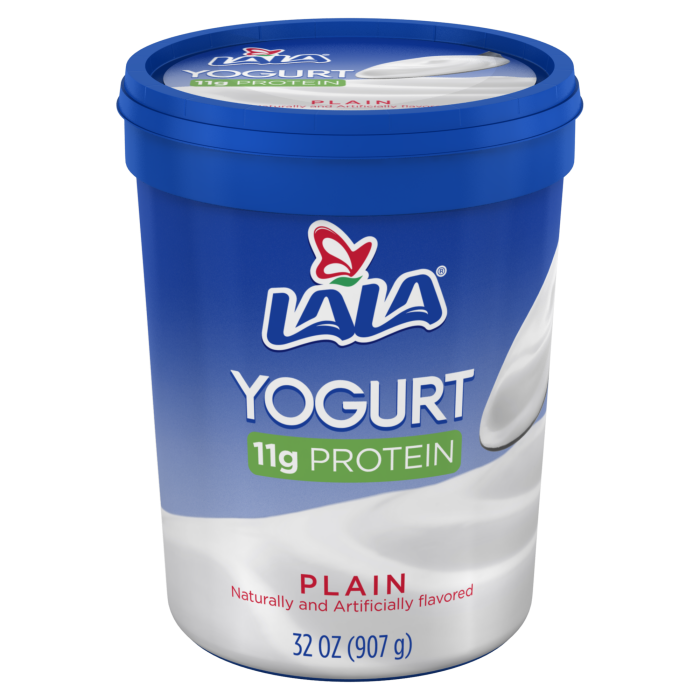
full fat yogurt
We don't have a description for this ingredient yet.
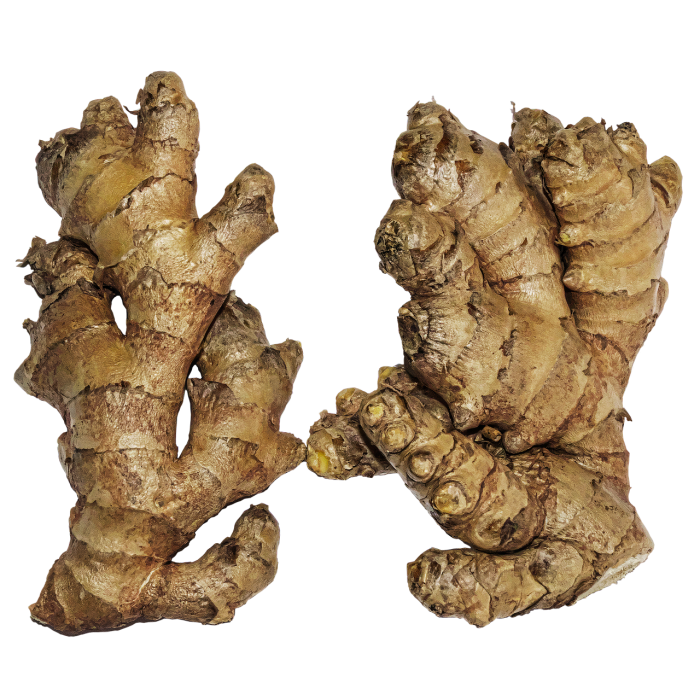
galangal
Seasoning
Galangal is an aromatic root from the same family as ginger and turmeric, used as a key ingredient in many Southeast Asian cuisines like Thai, Indonesian, and Malaysian food. It has a tougher, more fibrous texture and a sharper, more citrusy and piney flavor compared to ginger, which is earthier. It is often used in dishes like curries, soups, and broths and can be purchased fresh, dried, or ground. Key characteristics and uses Family: Galangal is part of the Zingiberaceae family, which also includes ginger and turmeric. Appearance: It resembles ginger but is typically rounder, smoother, and paler, with a harder flesh. Flavor: It has a pungent, citrusy, and piney flavor, which is more pronounced than ginger's milder, earthier taste. Culinary uses: Curries and pastes: It is a staple in Thai curry pastes, often pounded into a paste with other ingredients. Soups and broths: Thin slices can be simmered in broths to infuse flavor before being removed, as it is too tough to eat in large pieces. Stir-fries and stews: It can be diced or sliced and added to stir-fries, stews, and sauces. Availability: It can be found fresh, dried (in slices or powdered form), and is often available in Asian grocery stores. Traditional medicine: It has been used for centuries in traditional medicine and is believed to have benefits like reducing inflammation and fighting infections.
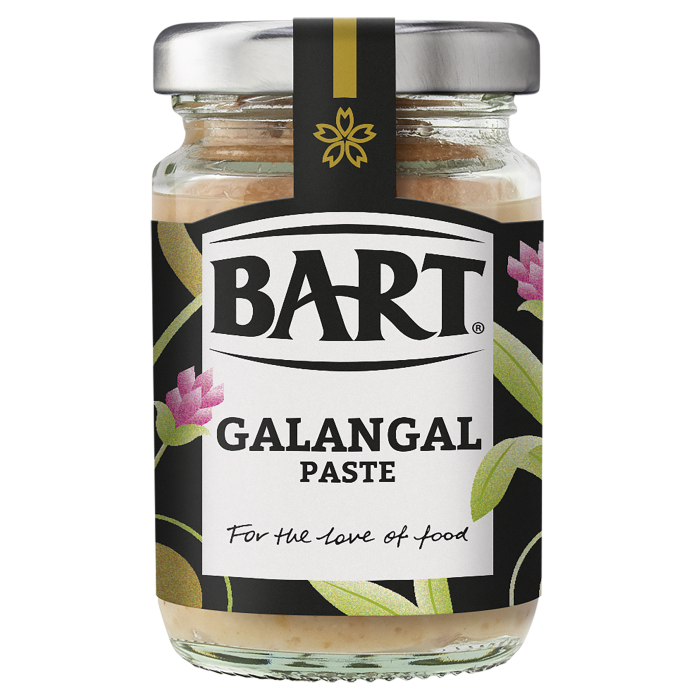
galangal paste
Fish
Galangal paste is a pre-made blend of galangal, a pungent root from the ginger family, mixed with other ingredients like water, oil, and spices. It is used as a convenient way to add the distinct, peppery, and citrusy flavor of galangal to Southeast Asian dishes like curries, soups, and marinades. The paste has a flavor profile that is sharper and more citrusy than ginger. What it is Based on galangal: The primary ingredient is galangal, a root similar in appearance to ginger but with a more pungent, sharp, and citrusy taste. It is also known as "Thai ginger". Convenient and ready-to-use: Galangal paste is a convenient alternative to fresh or dried galangal, with the hard work of peeling and mincing done for you. Mixture of ingredients: Besides galangal, it typically contains water, oil (such as rapeseed oil), salt, sugar, and sometimes cornflour or citric acid to preserve it. How to use it In curries: It's a staple ingredient in Thai curry pastes, providing a key flavor component. In soups: Add it to soups for an authentic, sharp, and spicy flavor, notes Oriental Mart. In other dishes: It can also be used for sautéing, in marinades, or added to other dishes that require the distinct galangal flavor, explains Socilink. Why it's useful Longer shelf life: As a pre-made paste, it is less likely to spoil than fresh galangal, making it a great pantry staple. Balanced flavor: It helps to balance the sweet, sour, and fresh notes in dishes, according to Oriental Mart.
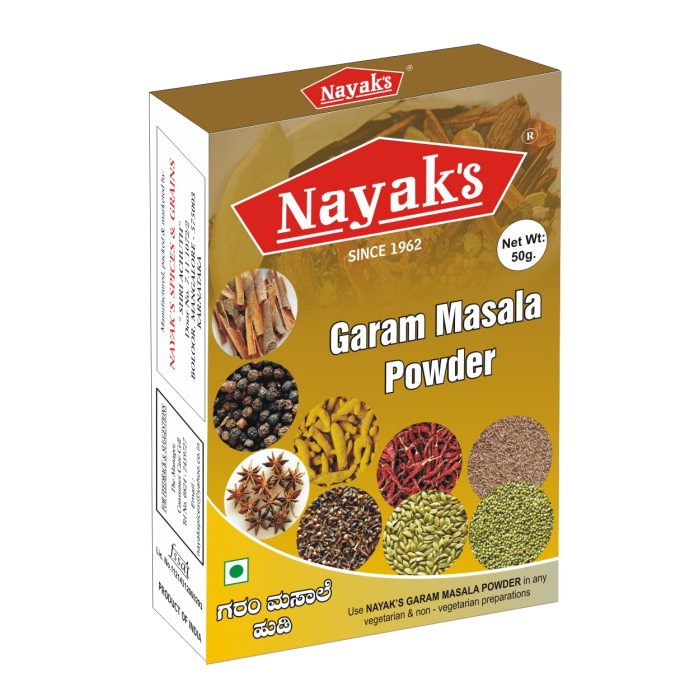
garam masala
We don't have a description for this ingredient yet.
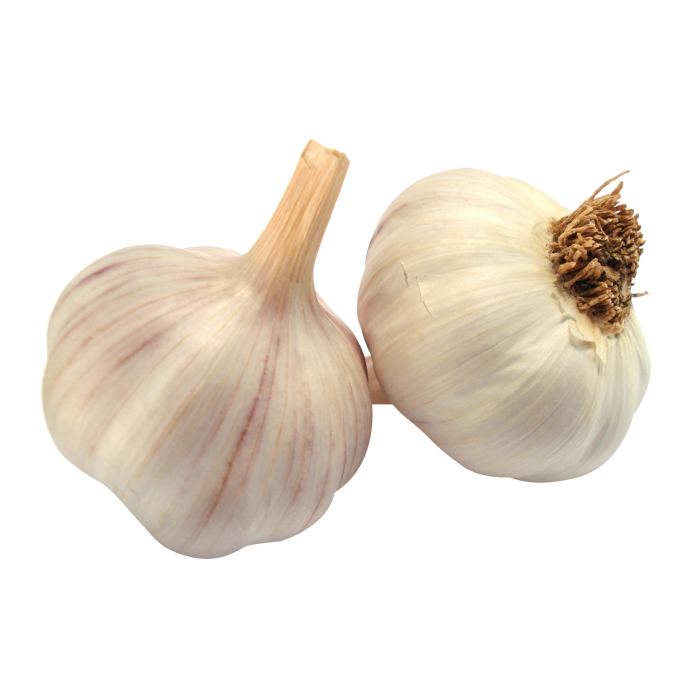
garlic
We don't have a description for this ingredient yet.