Ingredients
Explore all the little things that make our recipes tasty.
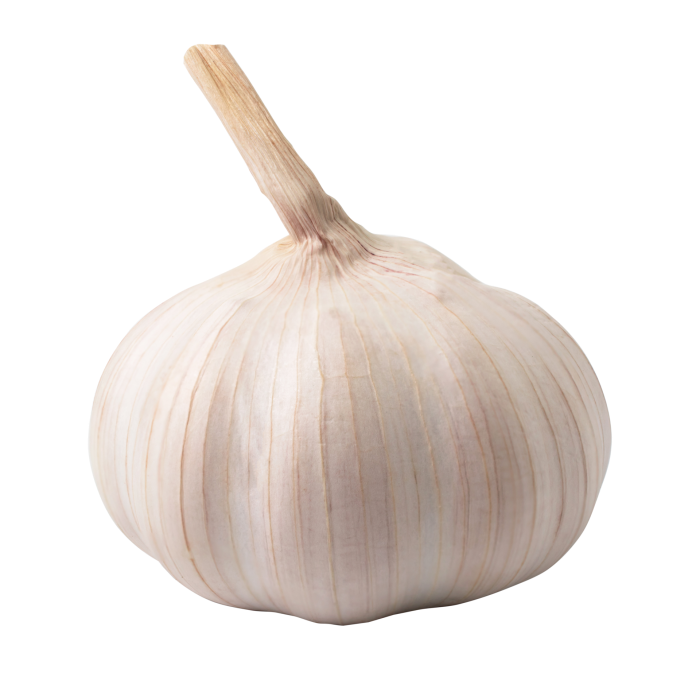
garlic bulb
Seasoning
Garlic Clove vs Garlic Bulb: Easy Guide to Garlic -A garlic bulb, also known as a head of garlic, is the entire reproductive structure of the garlic plant, which is made up of individual sections called cloves. The bulb is the main part of the plant that is used in cooking and is covered in a papery skin, with each clove inside also having its own protective skin. What it is A storage organ: The bulb is a modified underground stem that stores nutrients for the plant. A "head" of garlic: It is the whole "head" or "bulb" that is typically sold in stores. Composed of cloves: A single bulb contains multiple individual cloves, which are the fleshy, tear-drop-shaped segments. Key facts Number of cloves: A bulb typically has between 10 and 20 cloves, though this can vary by variety and size. Structure: The cloves are arranged in irregular rings around a central stem. Individual growth: Each clove can grow into a new garlic plant. Usage: The individual cloves are used in cooking, and they can be pungent and fiery when raw, becoming sweeter and creamier when cooked.
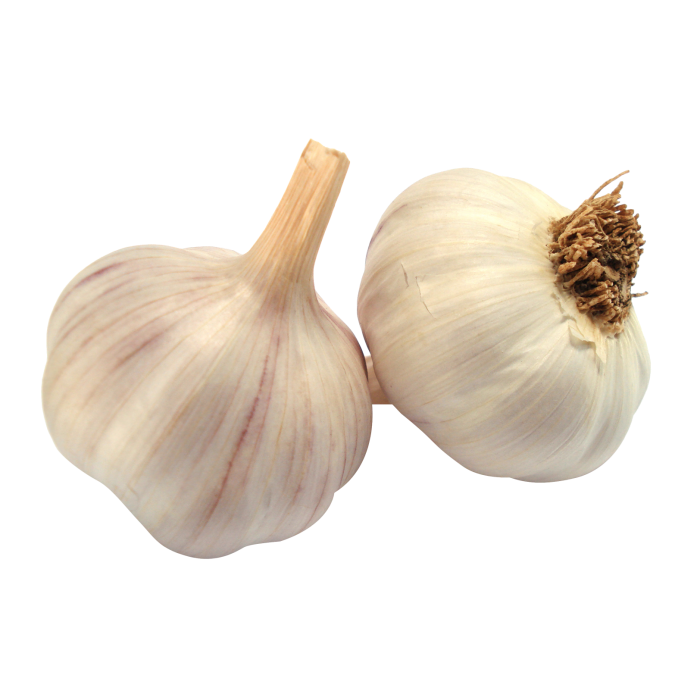
garlic clove
We don't have a description for this ingredient yet.
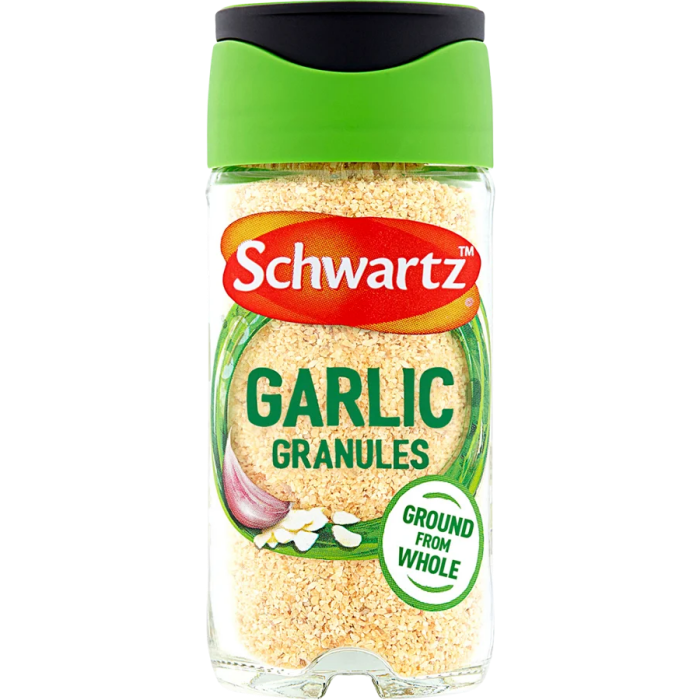
garlic granules
Seasoning
Granulated garlic is dehydrated garlic cloves that are coarsely ground to a sand-like or cornmeal-like consistency. It is a versatile seasoning for adding garlic flavor without moisture and is ideal for dry rubs, spice blends, and dishes like sauces, soups, and marinades because it hydrates more slowly than garlic powder. How it's made Fresh garlic cloves are peeled, minced, and then dried. Once dried, they are ground into granules that are coarser than garlic powder. Key characteristics Texture: Coarse and grainy, often compared to cornmeal or sand. Flavor: Pungent, savory, and slightly sweet, with a mild burn. Dissolves: Takes longer to rehydrate than garlic powder, making it a good choice for dishes with longer cooking times. Shelf life: A longer shelf life than fresh garlic, but its flavor is more stable than garlic powder, which can degrade faster due to a larger surface area. Uses Dry rubs and spice blends: The granules help the seasoning adhere to food without clumping. Soups, stews, and sauces: It adds a consistent garlic flavor that integrates well without adding extra moisture. High-heat cooking: It doesn't burn as quickly as fresh garlic, making it a safer option for roasting or other high-heat cooking.
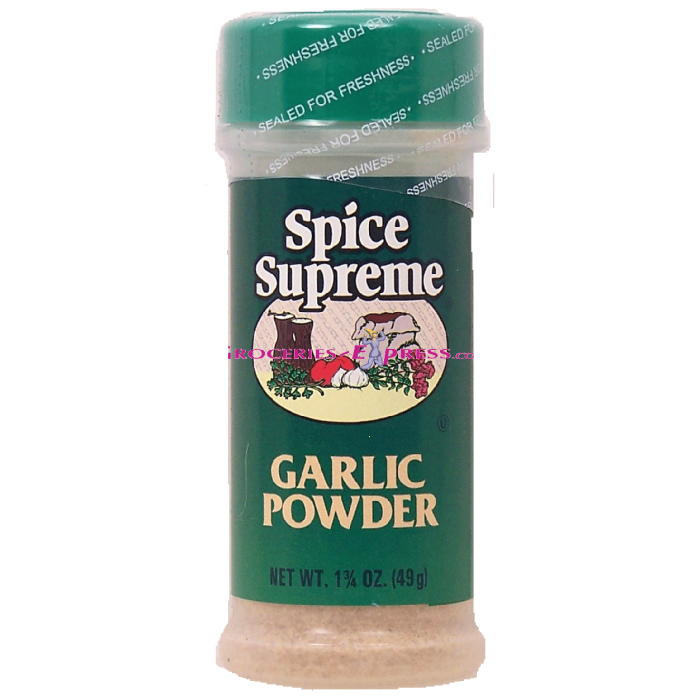
garlic powder
We don't have a description for this ingredient yet.
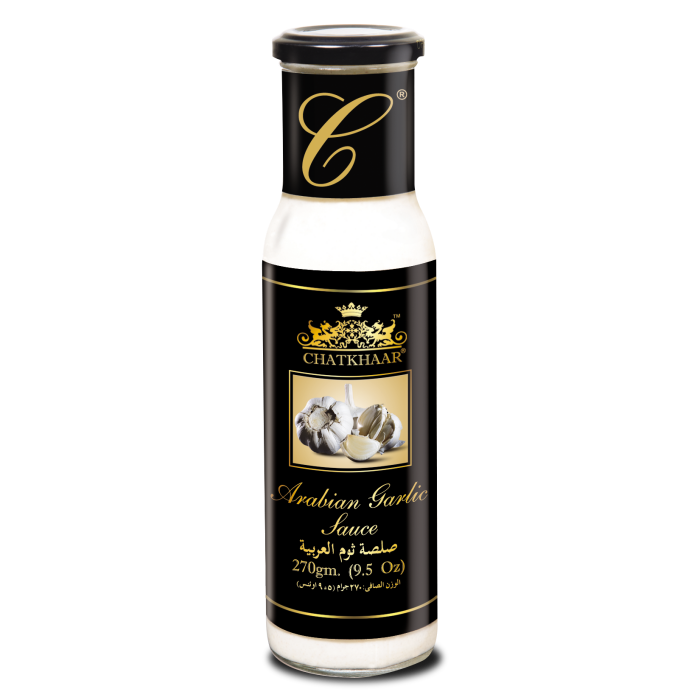
garlic sauce
We don't have a description for this ingredient yet.
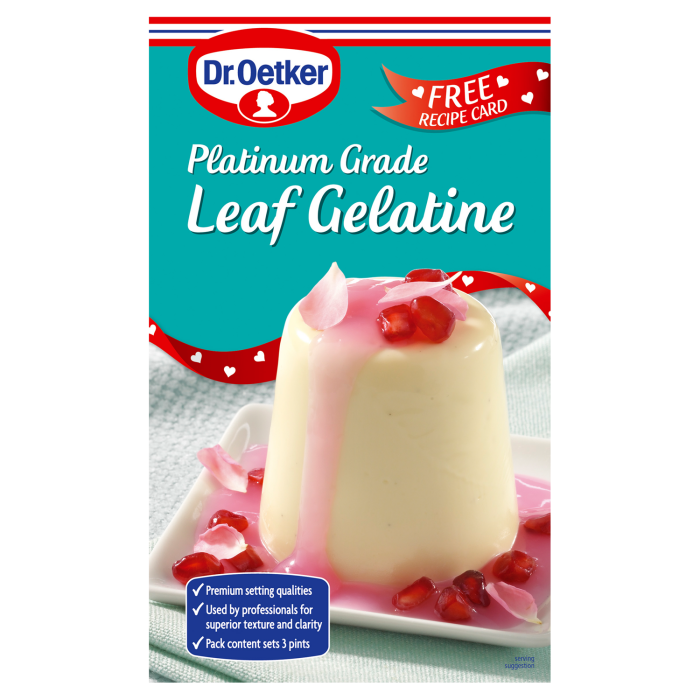
gelatine leafs
We don't have a description for this ingredient yet.
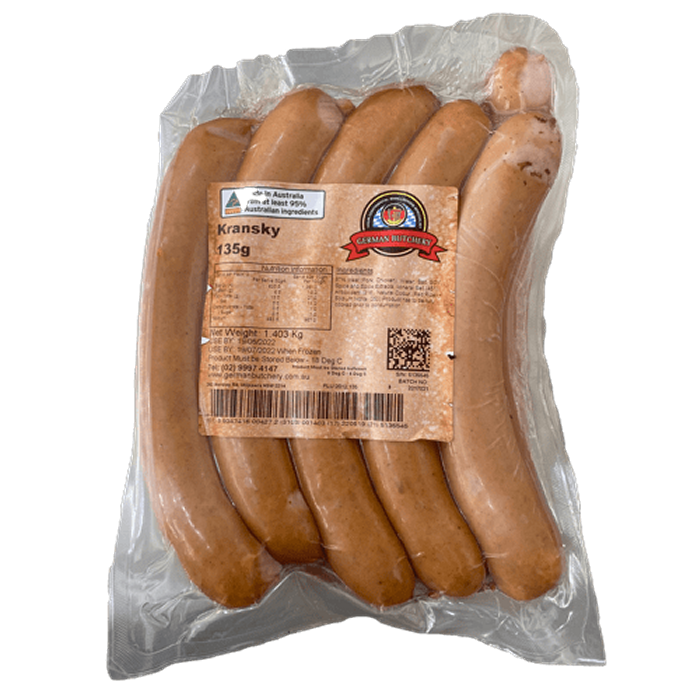
german sausages
Meat
German sausage refers to a diverse category of over 1,200 types of sausages, with key characteristics including the use of premium meat (often pork), specific seasonings, and traditional preparation methods like smoking or boiling. Popular examples include the grilled Bratwurst, the boiled Bavarian Weisswurst, and the smoked and sliced Teewurst. Key characteristics Meat: Typically made from pork or pork and beef blends, though other meats like veal and even wild game are used. Seasoning: A distinct blend of spices is used, with variations depending on the regional recipe. Preparation: Often prepared through traditional methods like pan-frying, grilling, or gentle boiling to preserve flavor and texture. Popular types of German sausage Bratwurst: One of the most famous types, it can be made from various meats and is traditionally grilled or pan-fried. Weisswurst: A Bavarian sausage made from minced veal and back bacon, it is a boiled sausage traditionally eaten by noon. Blutwurst: A type of blood sausage made from pork rind and blood, often cooked down with barley. Currywurst: A steamed or fried pork sausage, cut into slices and served with a curried ketchup sauce. Teewurst: A soft, spreadable, and smoked sausage made from pork and bacon, often served with tea.
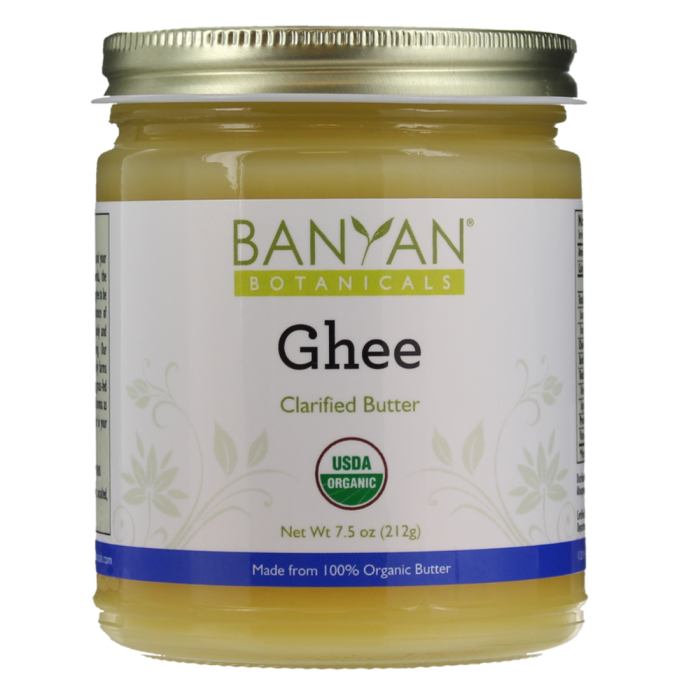
ghee
We don't have a description for this ingredient yet.
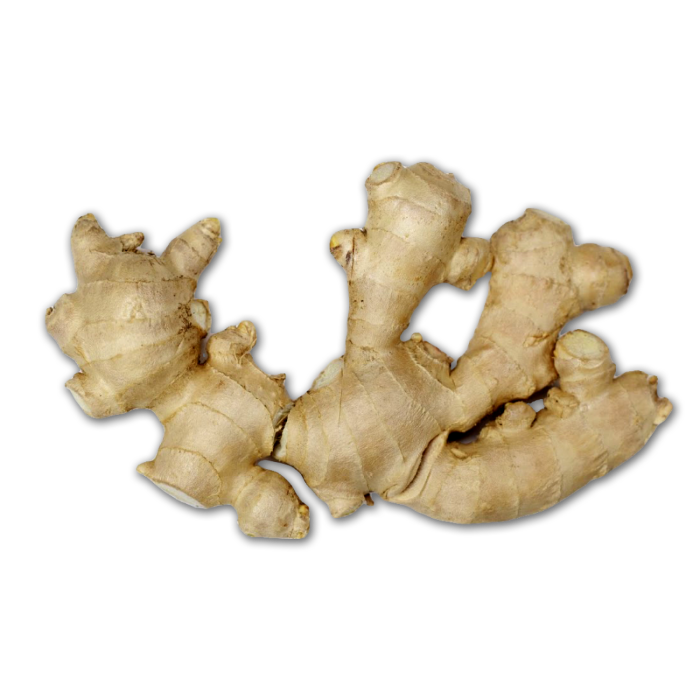
ginger
We don't have a description for this ingredient yet.
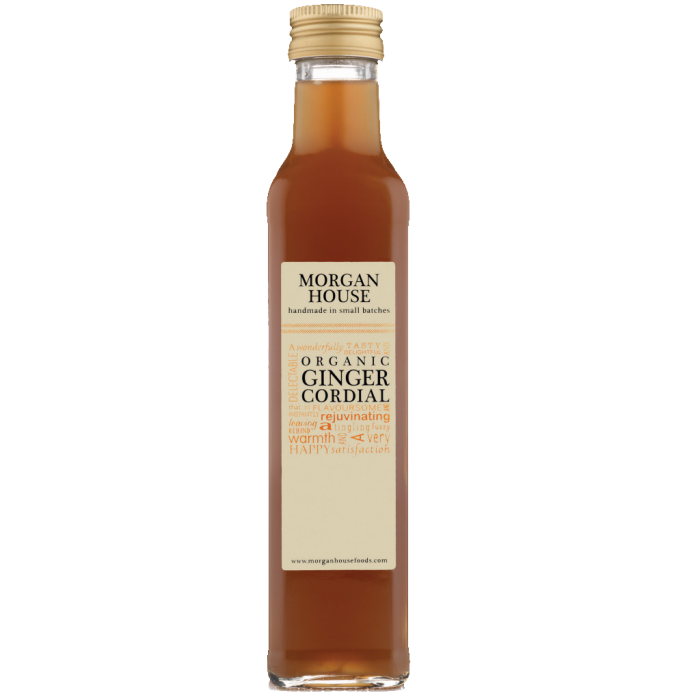
ginger cordial
We don't have a description for this ingredient yet.
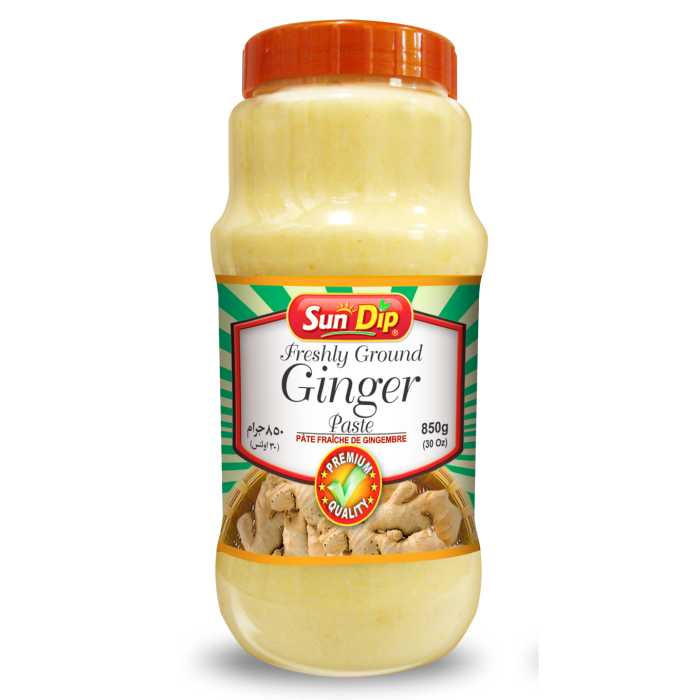
ginger garlic paste
We don't have a description for this ingredient yet.
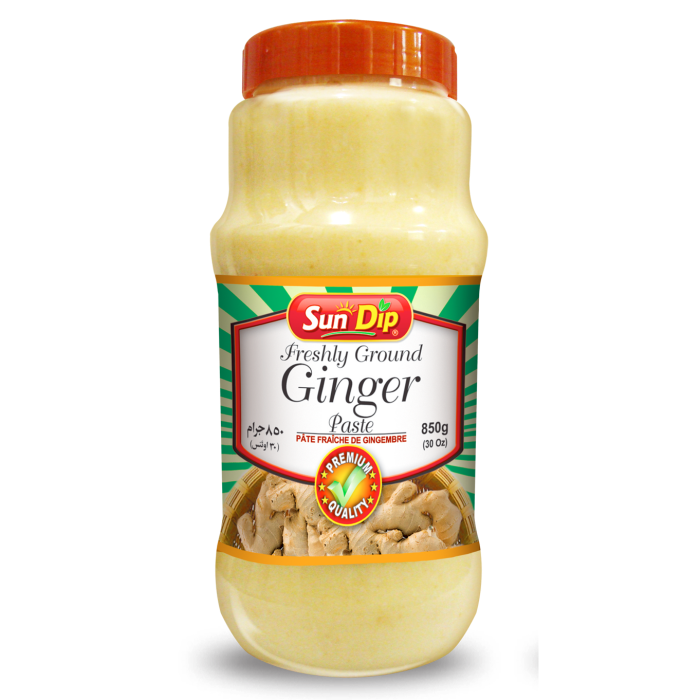
ginger paste
We don't have a description for this ingredient yet.
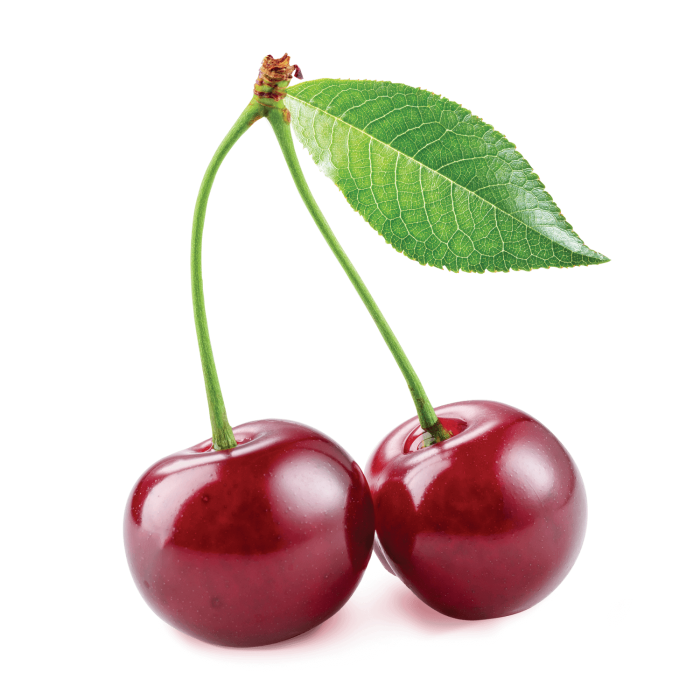
glace cherry
We don't have a description for this ingredient yet.
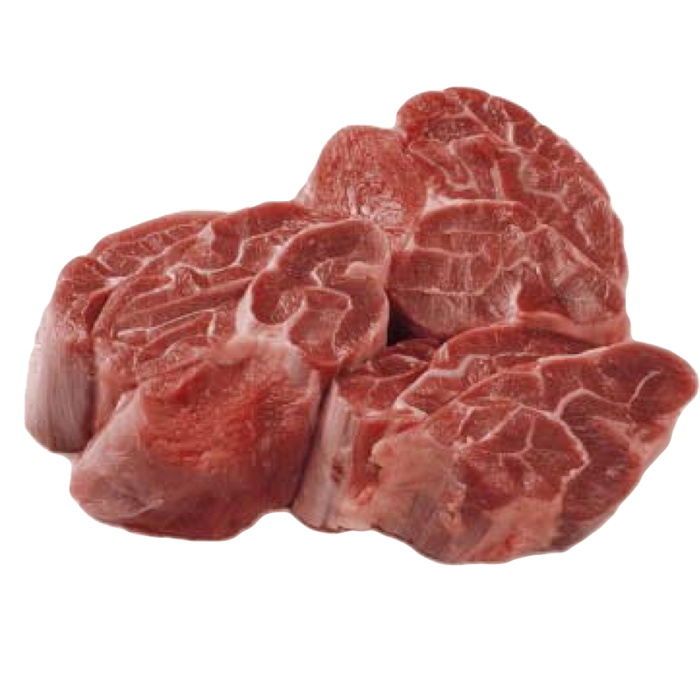
goat meat
Meat
The domestic goat or simply goat (Capra aegagrus hircus) is a subspecies of C. aegagrus domesticated from the wild goat of Southwest Asia and Eastern Europe. The goat is a member of the animal family Bovidae and the goat—antelope subfamily Caprinae, meaning it is closely related to the sheep. There are over 300 distinct breeds of goat. Goats are one of the oldest domesticated species of animal, and have been used for milk, meat, fur, and skins across much of the world. Milk from goats is often turned into goat cheese.
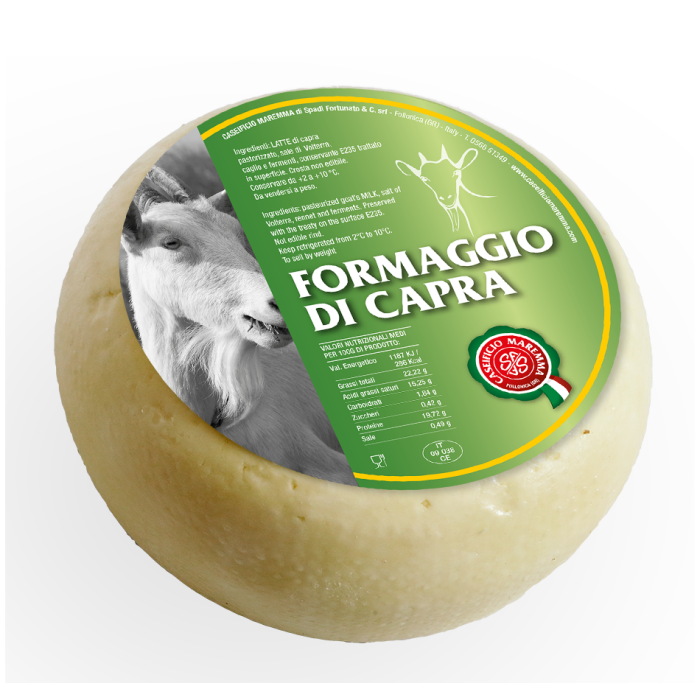
goats cheese
We don't have a description for this ingredient yet.
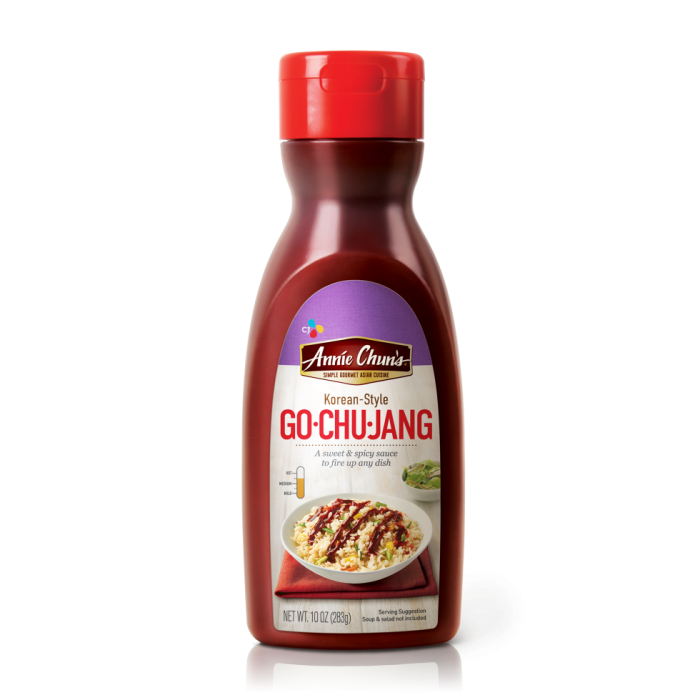
gochujang
Sauce
Gochujang or red chili paste is a savory, sweet, and spicy fermented condiment made from chili powder, glutinous rice, meju powder, yeotgireum, and salt.
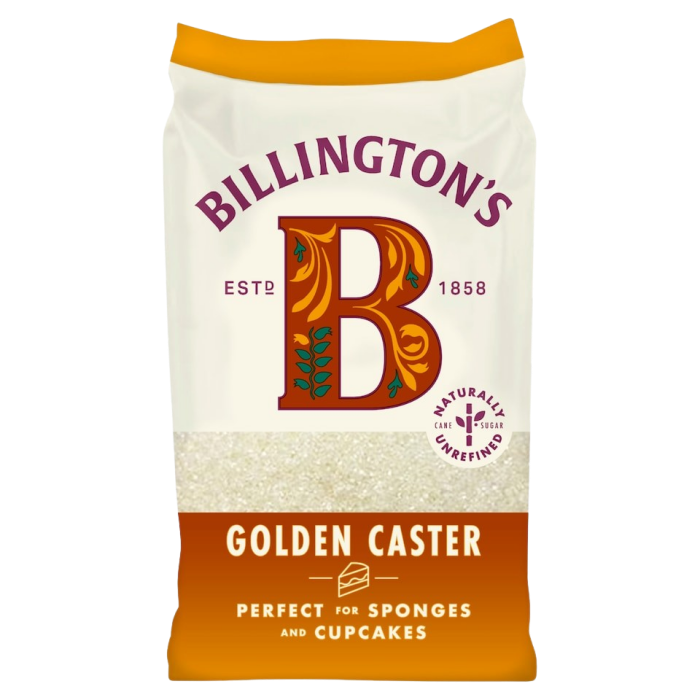
golden caster sugar
Seasoning
Golden caster sugar is a fine-grained, unrefined sugar with a warm, golden color and a delicate honeyed flavor due to the natural molasses content. It is ideal for baking light sponges, meringues, and shortbread, and is similar to regular caster sugar but with a richer taste. Characteristics Texture: Loosely packed and sandy in texture, with a finer crystal size than granulated sugar. Color: A warm, golden hue from the natural molasses. Flavor: A subtle, honeyed taste and caramel notes due to being less refined than white caster sugar. Ingredients: Made from natural cane sugar, with the natural molasses locked in during production. Uses Baking: Excellent for creamed sponge cakes, light sponges, meringues, shortbread, and icings. Other uses: Can be used on porridge and in other baking and cooking applications. How to store Store in a cool, dry place in an airtight container. If the sugar hardens, it can be softened by placing it in a basin with a damp cloth overnight.
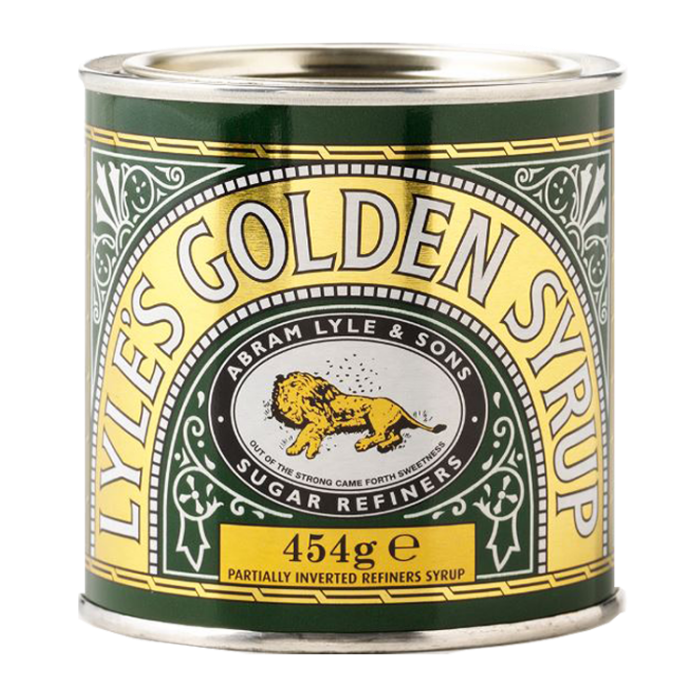
golden syrup
We don't have a description for this ingredient yet.
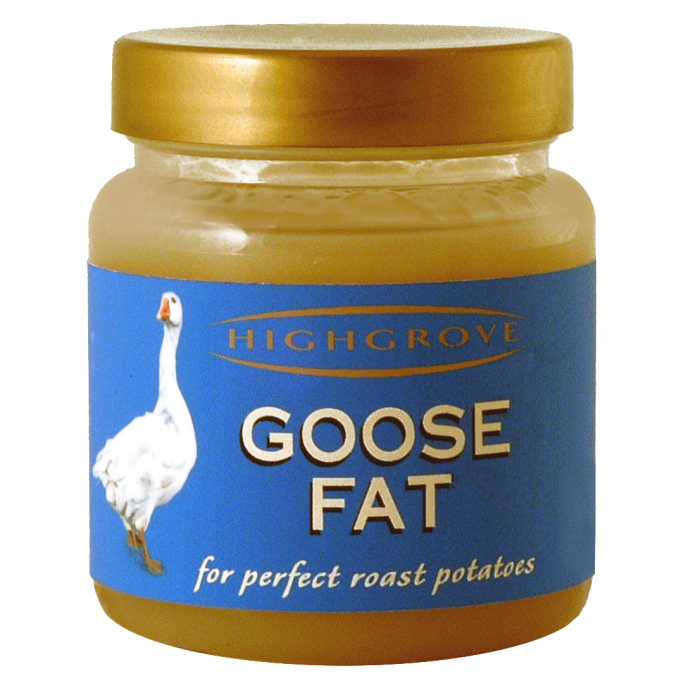
goose fat
We don't have a description for this ingredient yet.
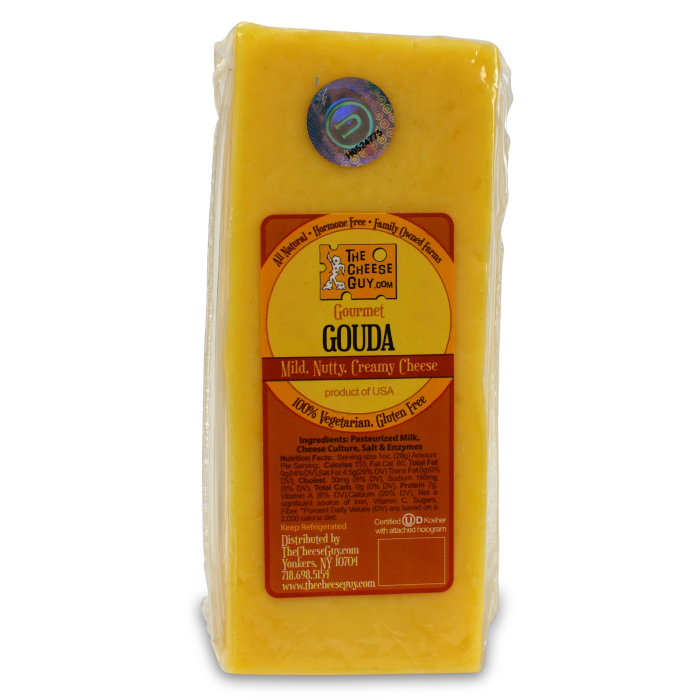
gouda cheese
We don't have a description for this ingredient yet.

graham cracker crumbs
Grain
Cracker crumbs are crushed or ground crackers used as a versatile ingredient in cooking and baking. They are made from various types of crackers, such as saltines, graham crackers, or Ritz, and add flavor, texture, and binding qualities to dishes. Common uses include breading for fried foods, toppings for casseroles, and binders in meatloaves and stuffings.
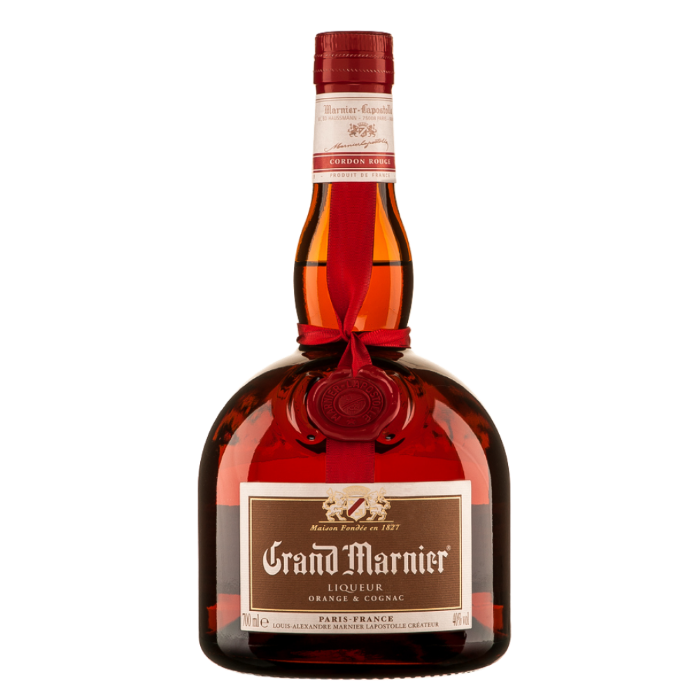
grand marnier
Liqueur
Grand Marnier is a French brand of liqueurs. The brand's best-known product is Grand Marnier Cordon Rouge, an orange-flavored liqueur created in 1880 by Alexandre Marnier-Lapostolle. It is made from a blend of Cognac brandy, distilled essence of bitter orange, and sugar. Grand Marnier Cordon Rouge is 40% alcohol.
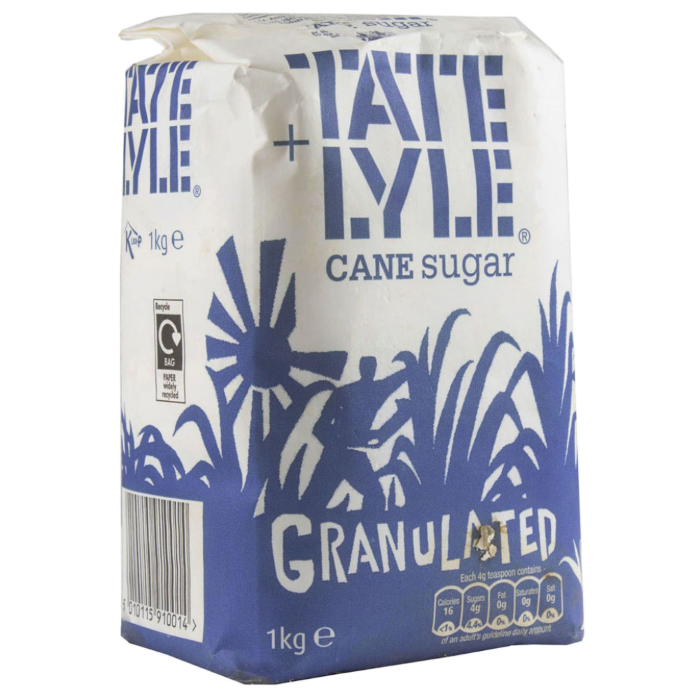
granulated sugar
We don't have a description for this ingredient yet.
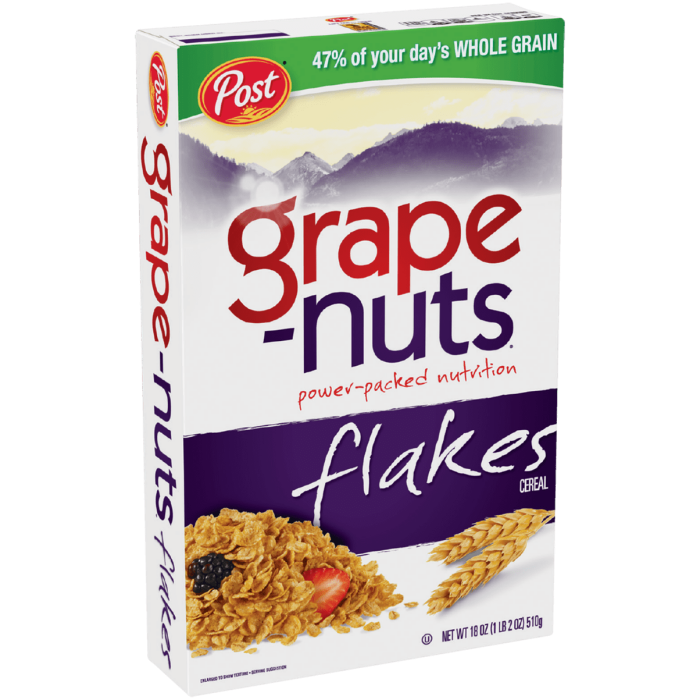
grape nut cereal
Grain
Grape-Nuts is a crunchy, high-fiber breakfast cereal made from baked whole grain wheat and malted barley flour. Despite its name, it contains no grapes or nuts; the name comes from the creator's belief that the baking process created "grape sugar" and that the pieces had a nutty flavor. The cereal is fortified with essential vitamins and minerals like iron and B vitamins. Ingredients: Whole grain wheat flour, malted barley flour, salt, dried yeast, and added vitamins and minerals. Characteristics: It is known for its distinct crunchiness, high fiber content, and low fat. Nutrition: It's a good source of fiber and is fortified with nutrients like iron, niacin, zinc, and various B vitamins. Serving suggestions: It can be eaten with milk or water, or used as a crunchy topping for yogurt, fruit, or ice cream. History: Created by Charles William Post in 1897, it is one of the oldest cereals still on the market.