Ingredients
Explore all the little things that make our recipes tasty.
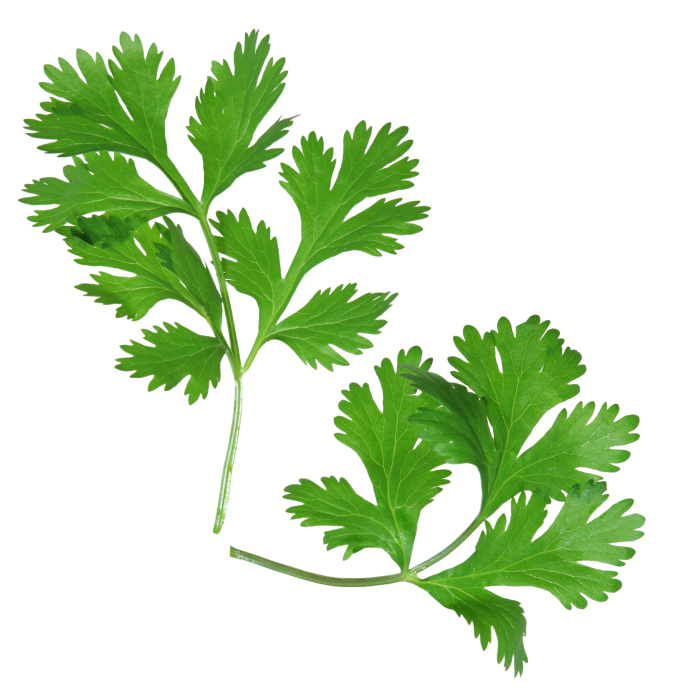
cilantro
We don't have a description for this ingredient yet.
cilantro leaves
Seasoning
Cilantro leaves are the vibrant green, aromatic leaves and stems of the coriander plant (Coriandrum sativum), a member of the parsley family, known for its distinct pungent, citrusy, herbaceous flavor, essential in Mexican, Asian, and Latin American cuisines, often used fresh as a garnish or flavoring, while the plant's seeds are called coriander and used as a spice. Key characteristics: Flavor: Strong, bright, and pungent; some people perceive it as soapy due to genetics. Appearance: Delicate, flat leaves, similar to flat-leaf parsley. Other names: Fresh coriander, Chinese parsley, Mexican parsley. Culinary uses: Essential in salsas, curries, tacos, and soups, adding zest to both hot and cold dishes. Plant distinction: "Cilantro" refers to the leaves, while "coriander" usually means the dried seeds, but the terms are often used interchangeably for the fresh herb.
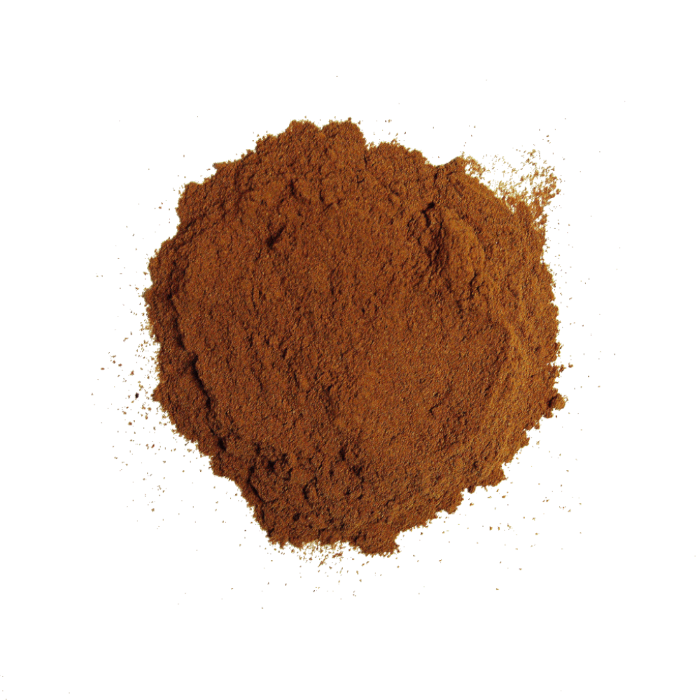
cinnamon
We don't have a description for this ingredient yet.
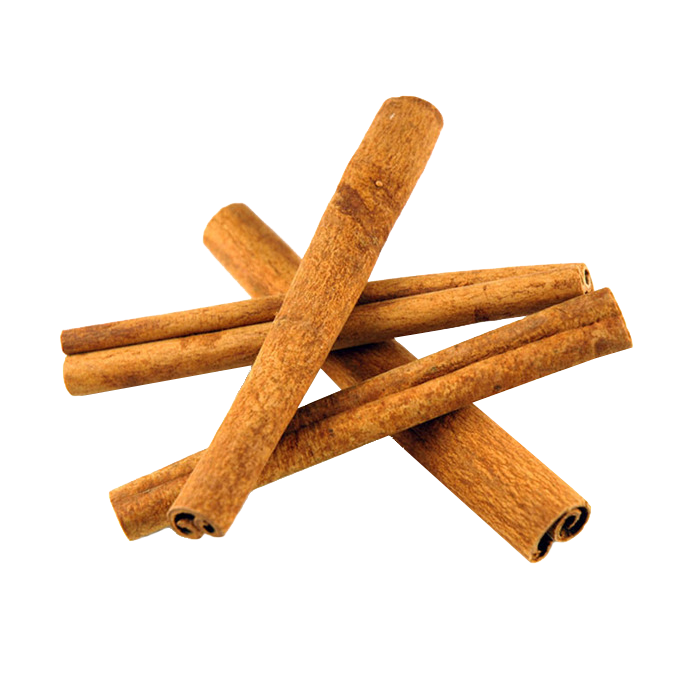
cinnamon stick
We don't have a description for this ingredient yet.
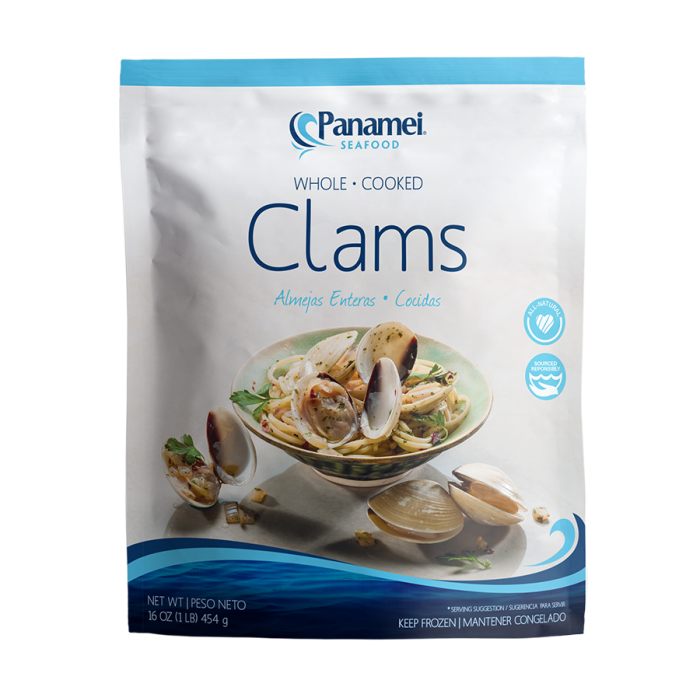
clams
We don't have a description for this ingredient yet.
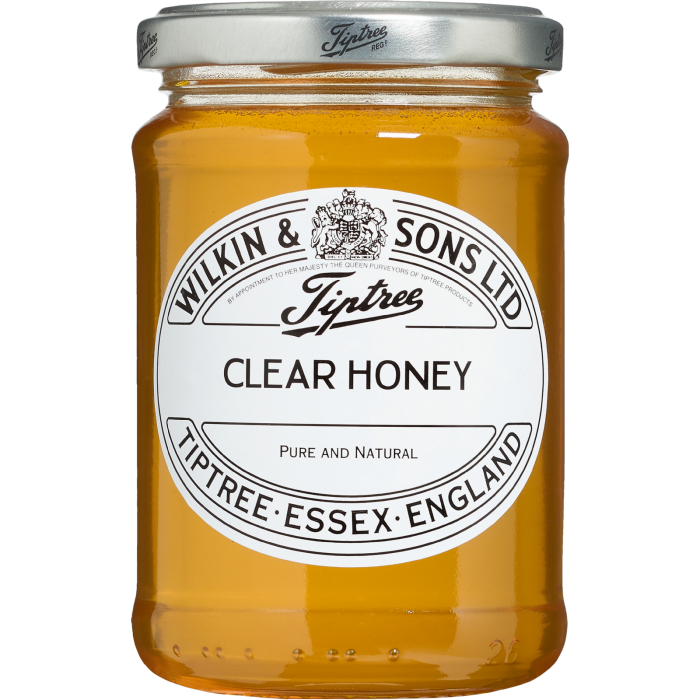
clear honey
Seasoning
Clear honey is liquid, transparent honey that has been gently heated and filtered to remove particles like pollen, which prevents it from crystallizing quickly. This process results in a smooth, runny texture that is popular for drizzling over foods or sweetening drinks. Processing and texture Processing: Clear honey undergoes a filtration process, which often involves gentle heating and straining. This removes fine particles, like pollen, that would otherwise cause the honey to crystallize over time. Texture: The filtration process gives it a smooth, runny consistency, making it ideal for spreading or drizzling. This is different from set honey, which is usually whipped, creamy, and unfiltered. Flavor and use Flavor: Clear honey typically has a mild, often floral, taste. Uses: It is very versatile and commonly used for drizzling on toast, porridge, or fruit, and for sweetening tea and other beverages. Important note on "clear" vs. "raw" While some clear honey can be raw and unpasteurized, the term "clear" specifically refers to its filtered, liquid state. Filtering to achieve clarity can remove some of the natural beneficial enzymes and pollen found in unfiltered honey.
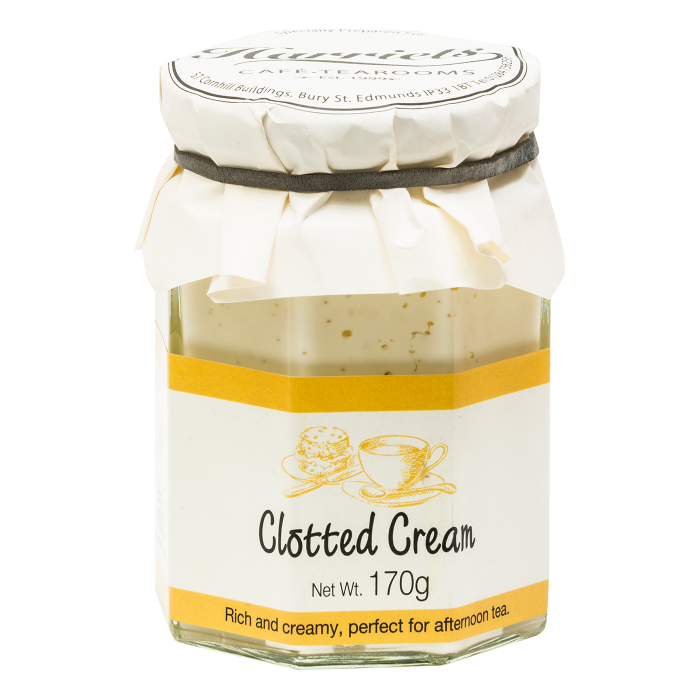
clotted cream
We don't have a description for this ingredient yet.
clove
We don't have a description for this ingredient yet.
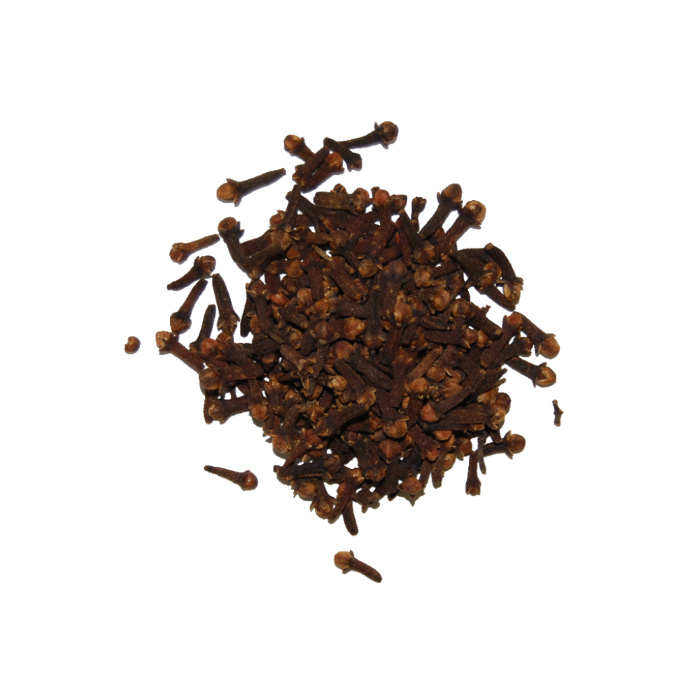
cloves
We don't have a description for this ingredient yet.
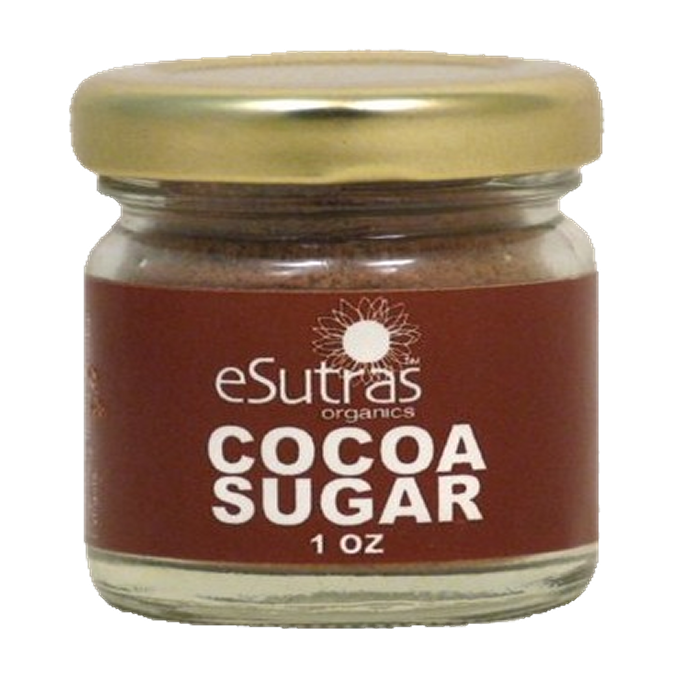
coco sugar
We don't have a description for this ingredient yet.
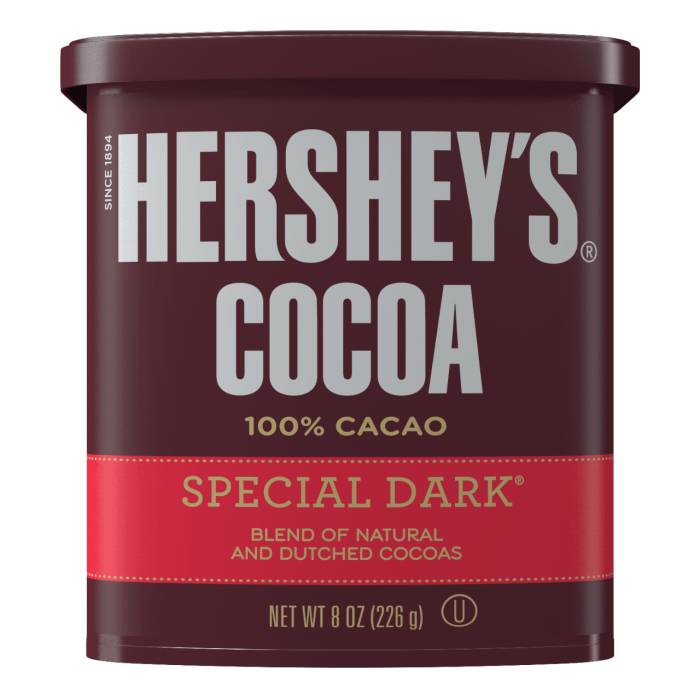
cocoa
We don't have a description for this ingredient yet.
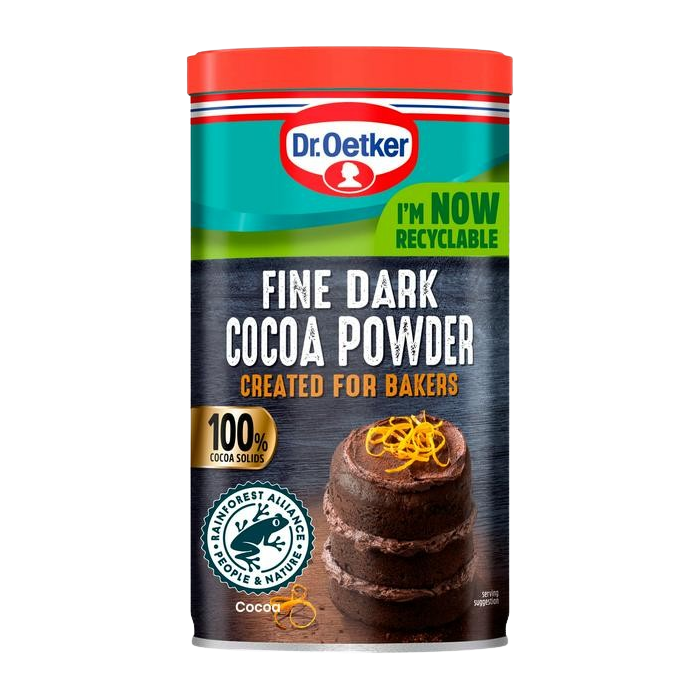
cocoa powder
Confectionery
Cocoa powder is made from roasted and fermented cacao beans that are ground into a powder after most of the fat (cocoa butter) has been extracted. The process involves roasting the beans, separating the shells from the inner nibs, and then pressing the nibs to remove the fatty cocoa butter, leaving a solid "cake" that is then pulverized into powder. Roasting: The cacao beans are roasted to develop their flavor. Winnowing: The roasted beans are cracked and the outer shells are removed, leaving the inner nibs. Grinding and pressing: The nibs are ground into a paste called "chocolate liquor," which contains both solids and cocoa butter. A hydraulic press is used to squeeze out most of the cocoa butter, resulting in a "cocoa cake". Powdering: The remaining cocoa cake is then pulverized into a fine powder to create cocoa powder. There are two main types of cocoa powder: Natural cocoa powder: This is the result of the process described above and has a more acidic and bitter taste. Dutch-processed cocoa powder: This has been treated with an alkaline solution to neutralize its acidity, resulting in a darker color and milder flavor.
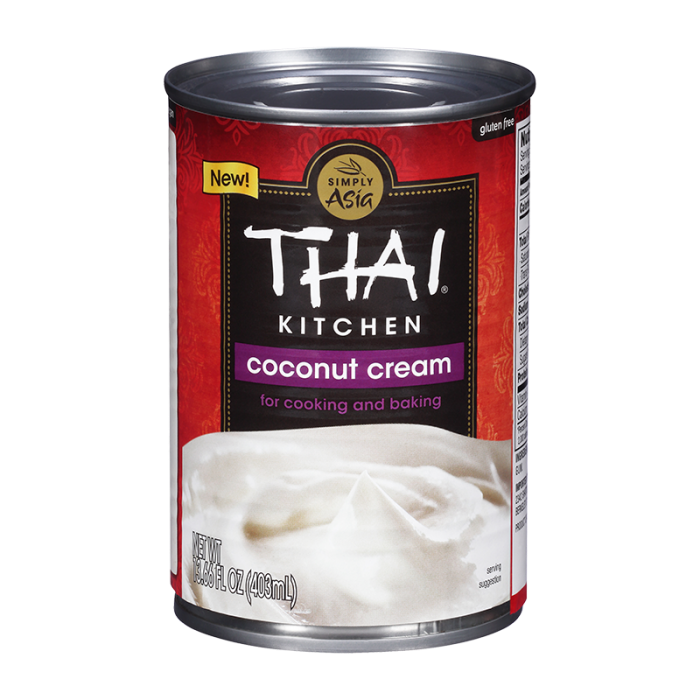
coconut cream
We don't have a description for this ingredient yet.

coconut flakes
Fruit
Coconut flakes are shredded pieces of dried coconut flesh, prized for their versatility in both sweet and savory dishes. They have a chewy texture and a sweet, nutty flavor that can be enhanced by toasting. They are a good source of fiber, protein, and nutrients like manganese and vitamin E, and can be used in baking, as a topping for breakfast foods, or added to snacks and curries. Uses Baking: Sprinkle on top of or mix into muffins, cookies, and cakes for added texture and flavor. Breakfast: Top oatmeal, yogurt, or granola with coconut flakes for a crunchy addition. Snacks: Incorporate into trail mixes, energy balls, or eat them plain after toasting. Savory dishes: Add to curries, stir-fries, or salads for a tropical twist. Topping: Garnish desserts, smoothies, and smoothie bowls. Types Unsweetened: Plain coconut with no added sugar, which tends to be drier and chewier. Sweetened: Has added sugar, making it moister and sweeter. Toasted: The flakes have been toasted to bring out a nuttier flavor and a golden-brown color. Benefits Source of nutrients: Contains manganese, vitamin E, and fiber. Promotes health: Can help with reducing inflammation, promoting heart health, and balancing glucose levels.
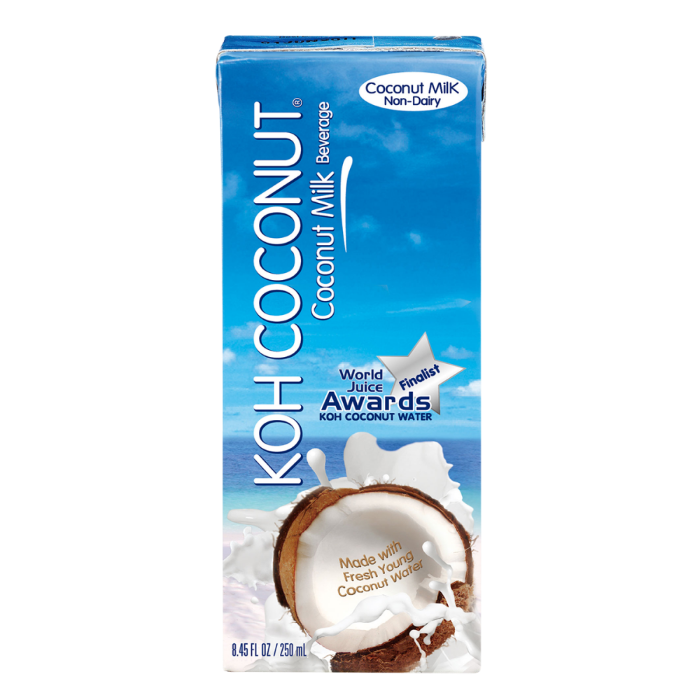
coconut milk
We don't have a description for this ingredient yet.
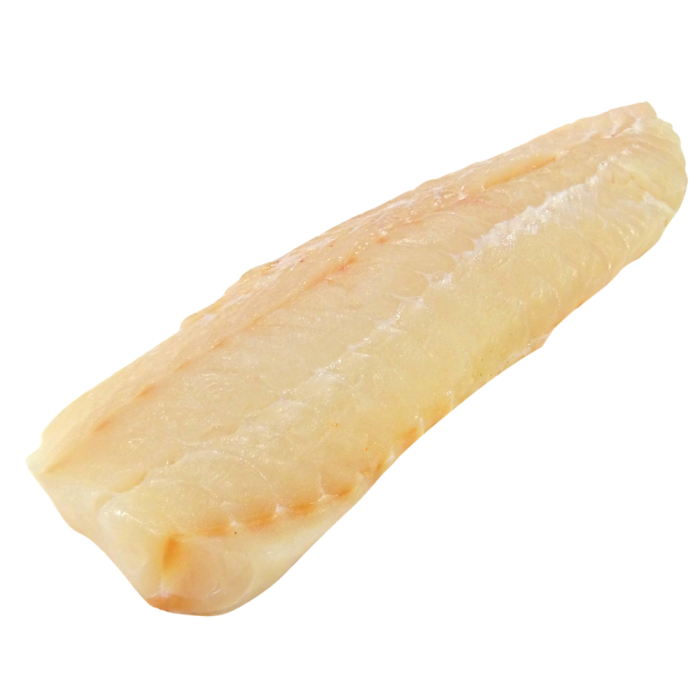
cod
We don't have a description for this ingredient yet.
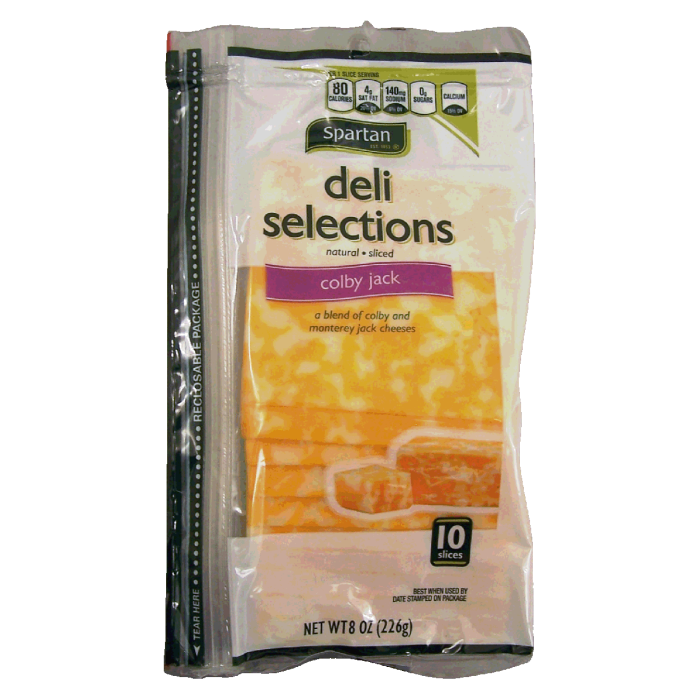
colby jack cheese
We don't have a description for this ingredient yet.

cold water
We don't have a description for this ingredient yet.
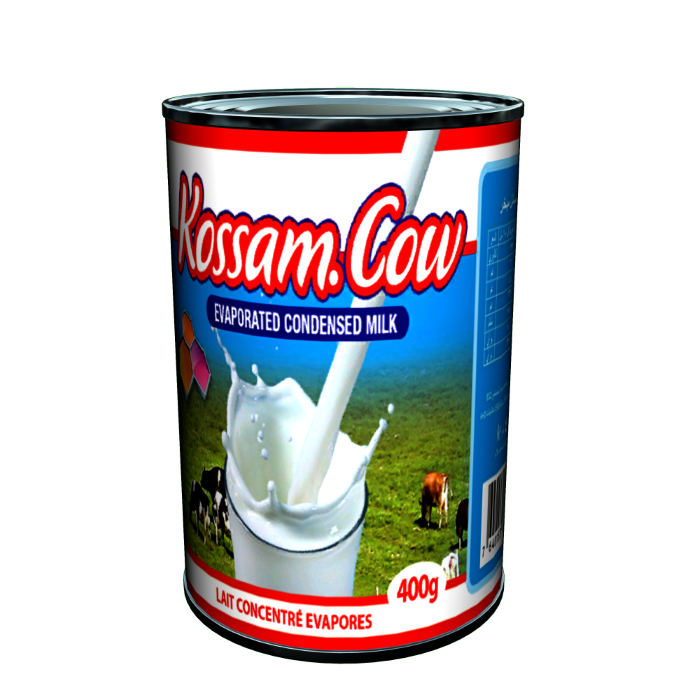
condensed milk
We don't have a description for this ingredient yet.
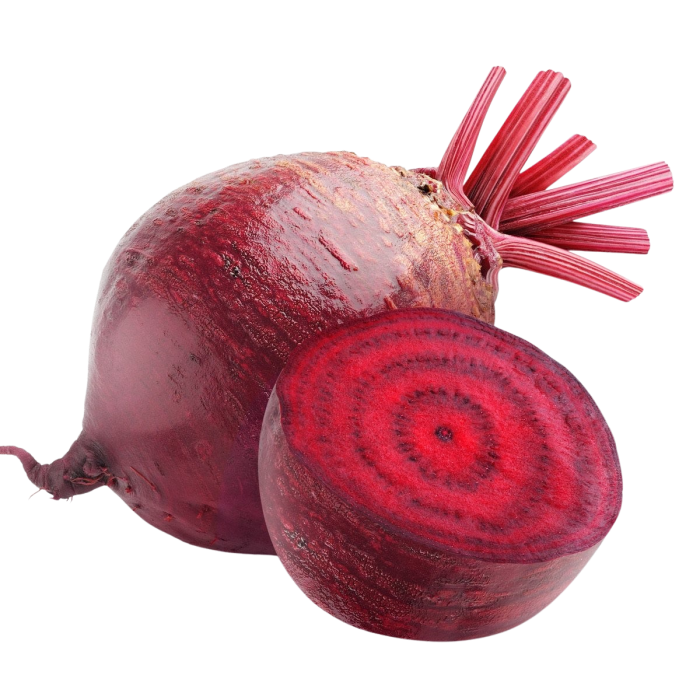
cooked beetroot
Root Vegetable
Beetroot is a versatile root vegetable known for its sweet, earthy flavor and vibrant color, which can be used in a wide range of dishes like soups, stews, and salads. Beyond the root, the plant's leaves (beet greens) are also edible, and the vegetable is highly nutritious, containing vitamins, minerals, and fiber. It can be cooked in various ways, including roasted, boiled, or pickled, and some varieties are even used in desserts.
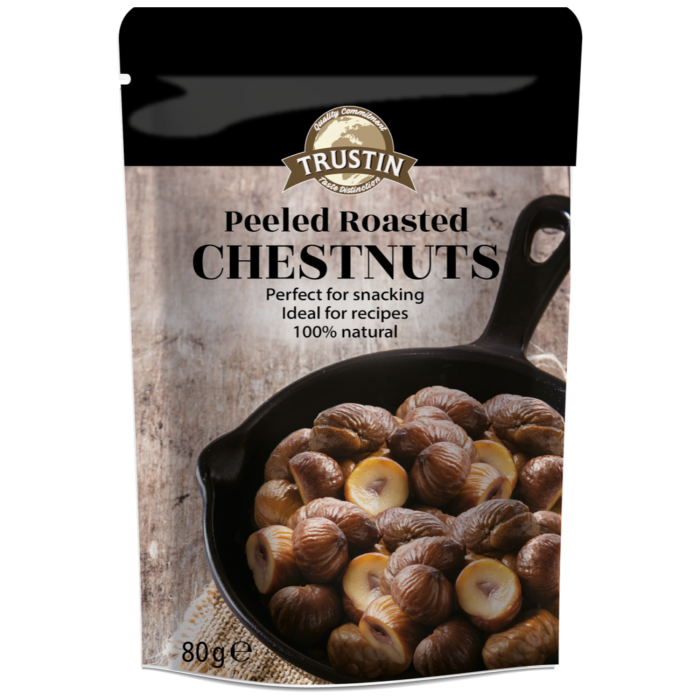
cooked chestnut
Nut
Cooked chestnuts are edible tree nuts with a sweet, nutty, and earthy flavor and a soft, creamy texture. Unlike most other nuts, they are high in starch and moisture but low in fat and protein. Their unique texture is often compared to a potato or a sweet potato. Chestnuts must be cooked before they are eaten. How they are cooked The most common cooking methods for chestnuts are: Roasting: Usually done in an oven, on an open fire, or in an air fryer after scoring the shell. Roasting caramelizes the nuts, bringing out their sweetness and giving them a smoky flavour. Boiling: This method produces a tender, creamy texture and is often used for chestnuts that are difficult to peel. Microwaving: A fast way to cook small batches of chestnuts. Culinary uses Cooked chestnuts are a versatile ingredient that can be used in both sweet and savory dishes, such as: Savory dishes: Stuffing, soups, stews, risottos, and vegetable side dishes like Brussels sprouts. Sweet dishes: Desserts like tarts and cakes. Candied chestnuts, known as marrons glacés, are a classic French sweet. Standalone snack: They can be enjoyed hot or cold straight from the shell or from a pre-cooked pouch. Where to buy cooked chestnuts While fresh chestnuts are primarily in season from autumn to winter, you can find them pre-cooked year-round. They are sold whole and peeled in ready-to-eat pouches or jars from brands like Merchant Gourmet and Grape Tree. You can find these products at major supermarkets like Tesco, Ocado, and Waitrose & Partners, or from online retailers such as Amazon. Nutritional profile Cooked chestnuts are a nutritious food that is high in fibre and antioxidants while being low in fat and calories compared to other nuts. They offer a range of health benefits, including: Good source of vitamins and minerals: Including Vitamin C, B vitamins, potassium, and manganese. Improved digestion: The high fibre content supports a healthy gut. Heart health: Their antioxidants and potassium may help reduce the risk of heart disease. Blood sugar control: The combination of fibre and antioxidants helps regulate the release of sugar into the bloodstream.
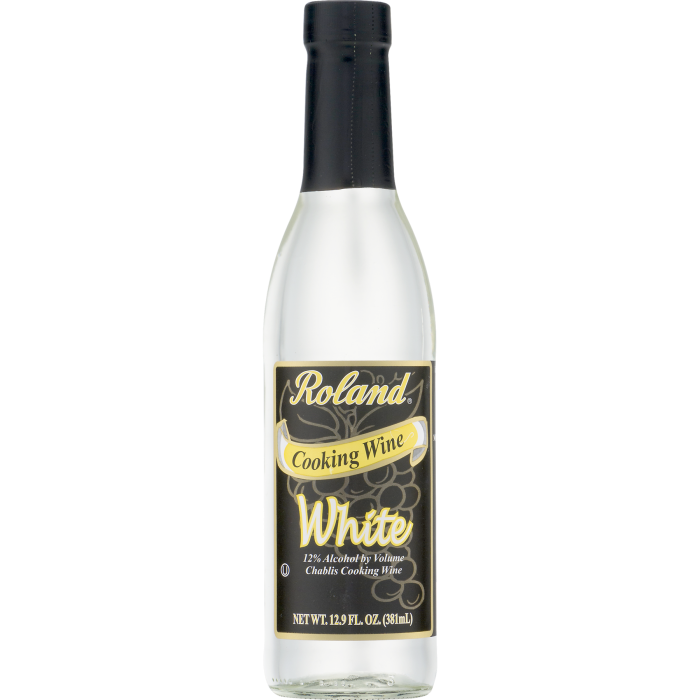
cooking wine
Wine
Splash into casseroles, sauces and marinades for a rounded vibrant flavour.
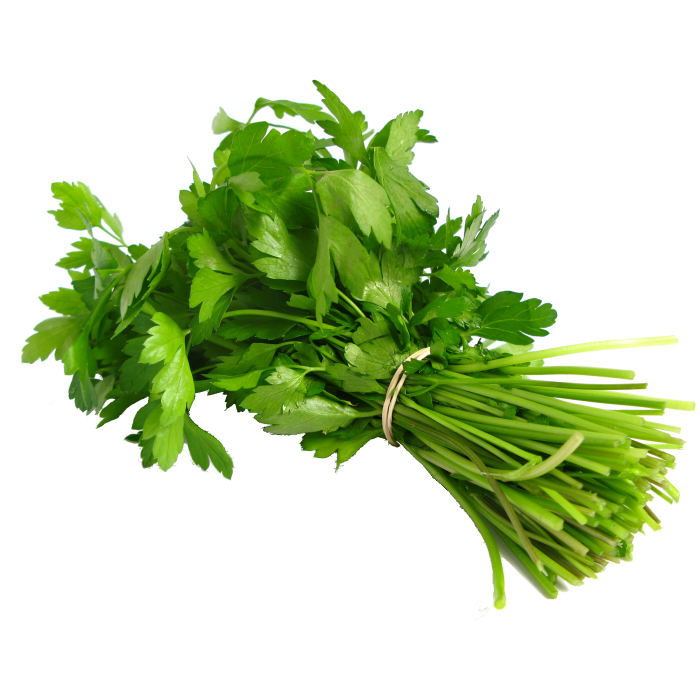
coriander
We don't have a description for this ingredient yet.
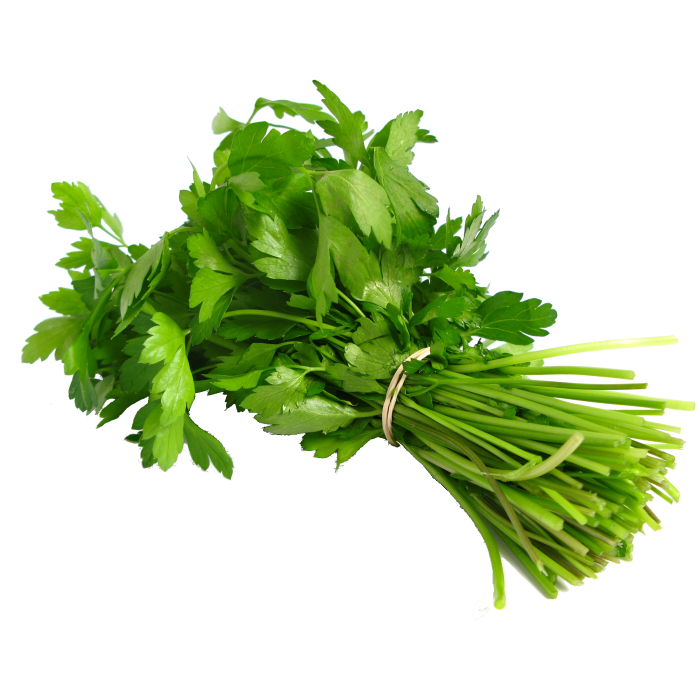
coriander leaves
We don't have a description for this ingredient yet.