Ingredients
Explore all the little things that make our recipes tasty.
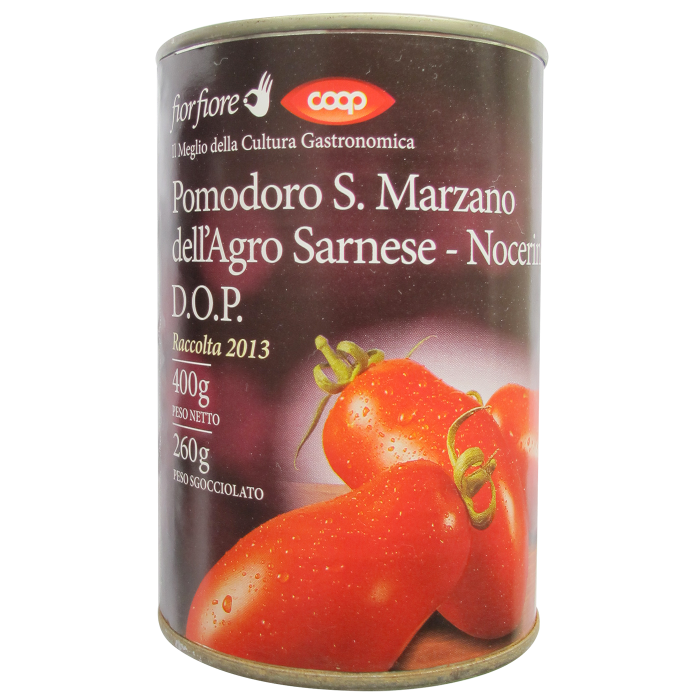
tinned tomatos
We don't have a description for this ingredient yet.

toast
Bread
Toast is sliced bread that has been browned by exposure to radiant heat, which makes it crispier and gives it a richer flavor. It is often eaten with toppings like butter or jam, but can also be served plain. Preparation: Toast is made by heating bread with radiant heat using a toaster, a grill, or an open fire. Process: The browning is caused by the Maillard reaction, which alters the bread's flavor and texture. Serving: It can be served with a wide variety of condiments, such as butter, jam, cheese, or honey. Other meanings: The word "toast" can also refer to the act of raising a glass to honor someone or something, or a person who is highly admired.
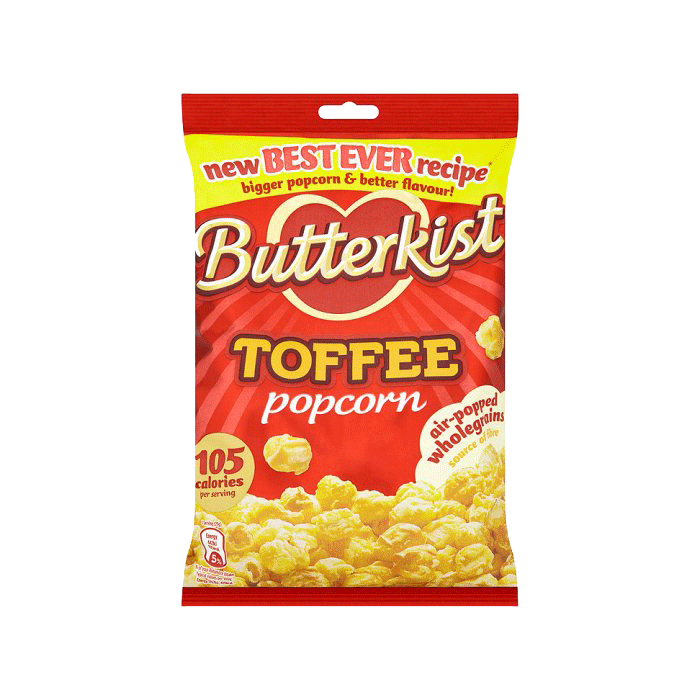
toffee popcorn
We don't have a description for this ingredient yet.
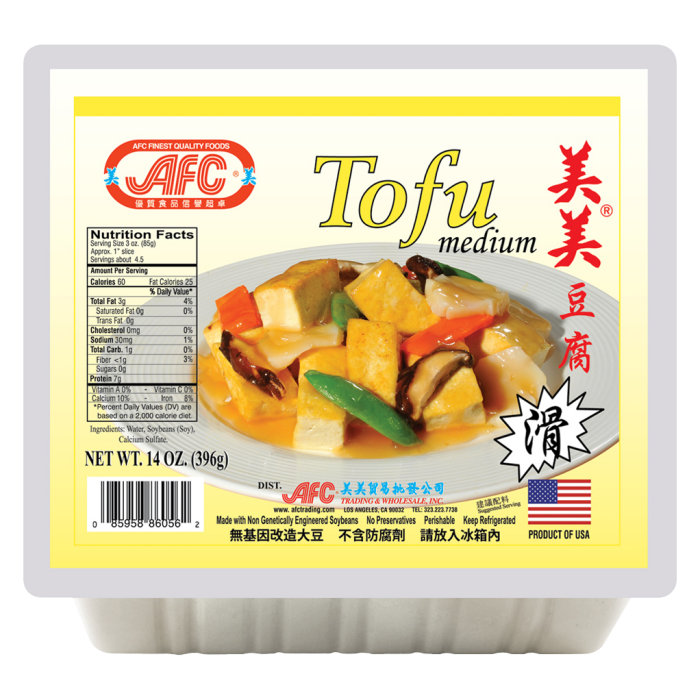
tofu
Curd
Tofu, also known as bean curd, is a food cultivated by coagulating soy milk and then pressing the resulting curds into soft white blocks. It is a component in East Asian and Southeast Asian cuisines. Tofu can be soft, firm, or extra firm. Tofu has a subtle flavor and can be used in savory and sweet dishes. It is often seasoned or marinated to suit the dish. Tofu has a low calorie count and relatively large amounts of protein. It is high in iron, and it can have a high calcium or magnesium content, depending on the coagulants used in manufacturing (e.g. calcium chloride, calcium sulfate, magnesium sulfate).
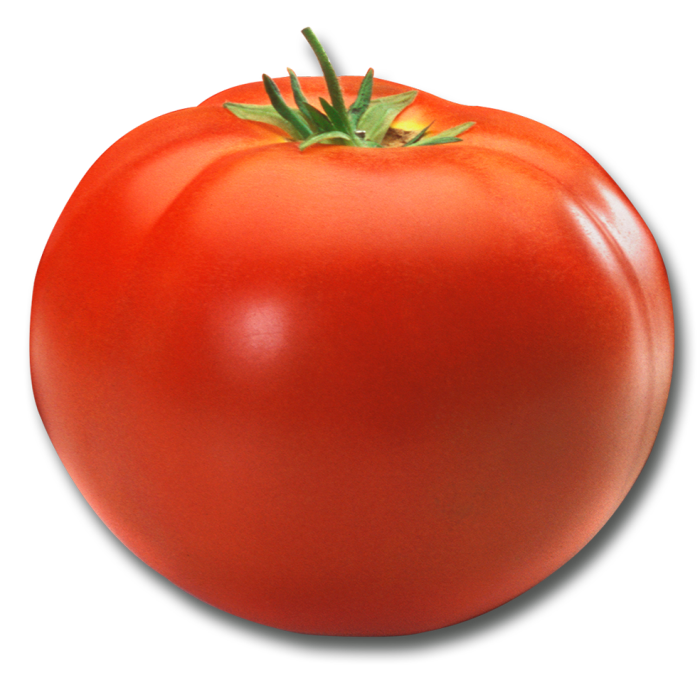
tomato
We don't have a description for this ingredient yet.
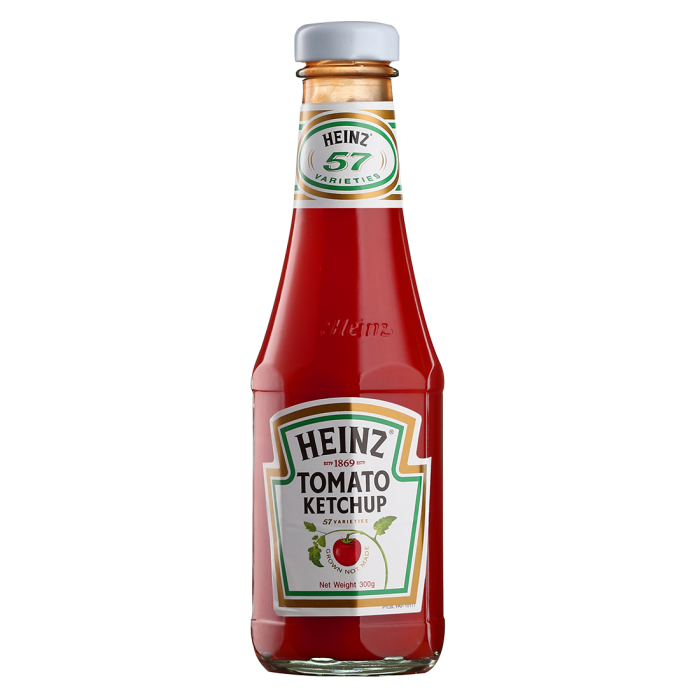
tomato ketchup
We don't have a description for this ingredient yet.
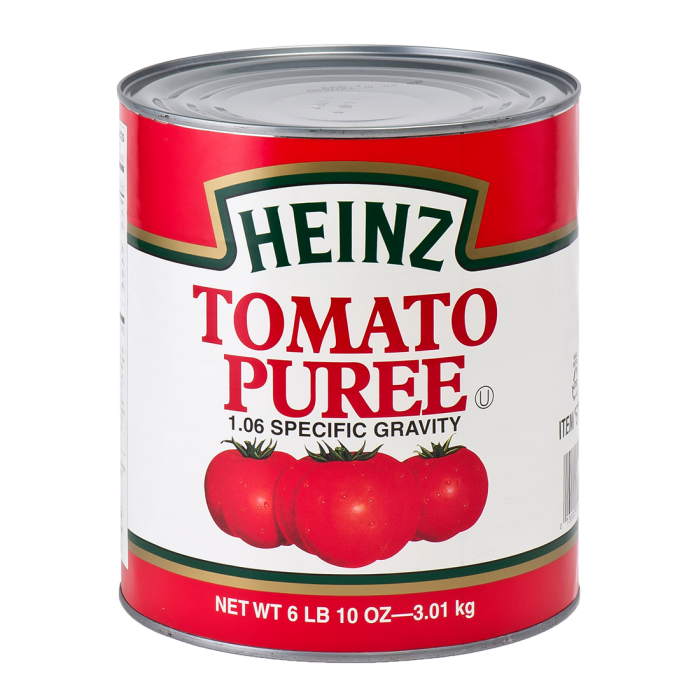
tomato puree
We don't have a description for this ingredient yet.
tomato purée
We don't have a description for this ingredient yet.
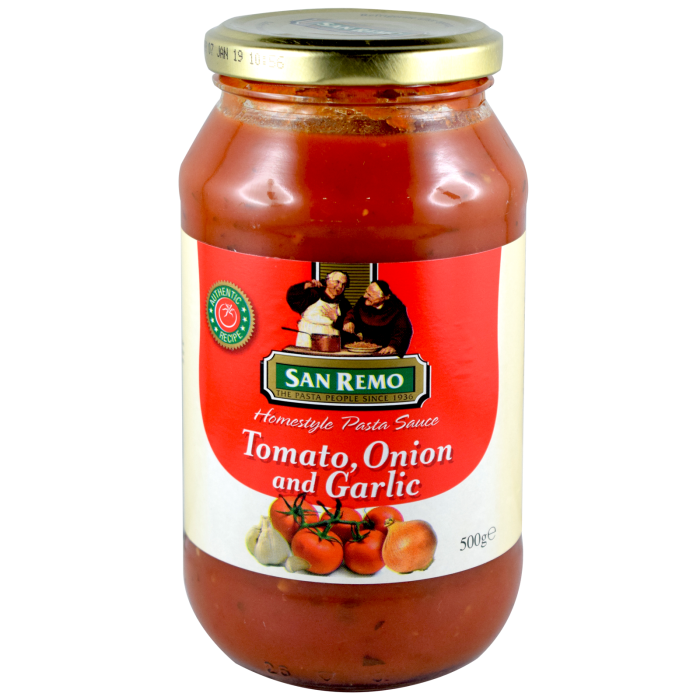
tomato sauce
We don't have a description for this ingredient yet.
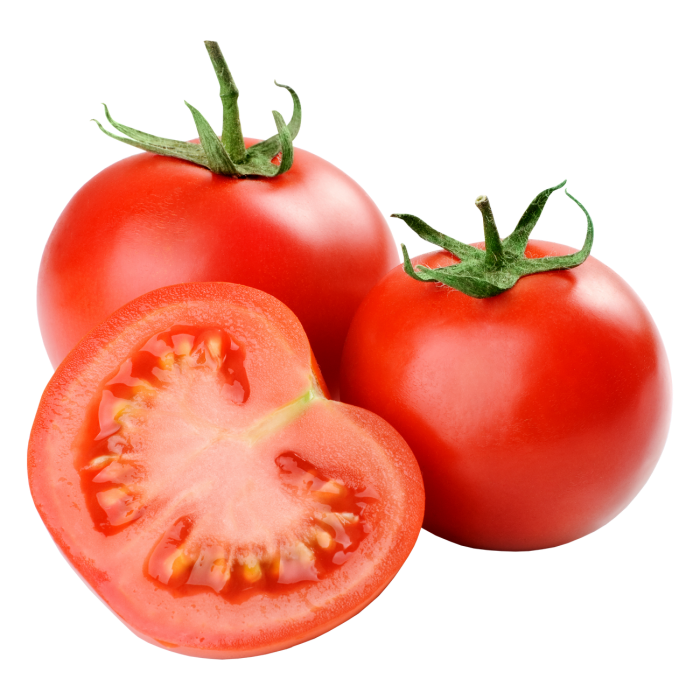
tomatoes
We don't have a description for this ingredient yet.
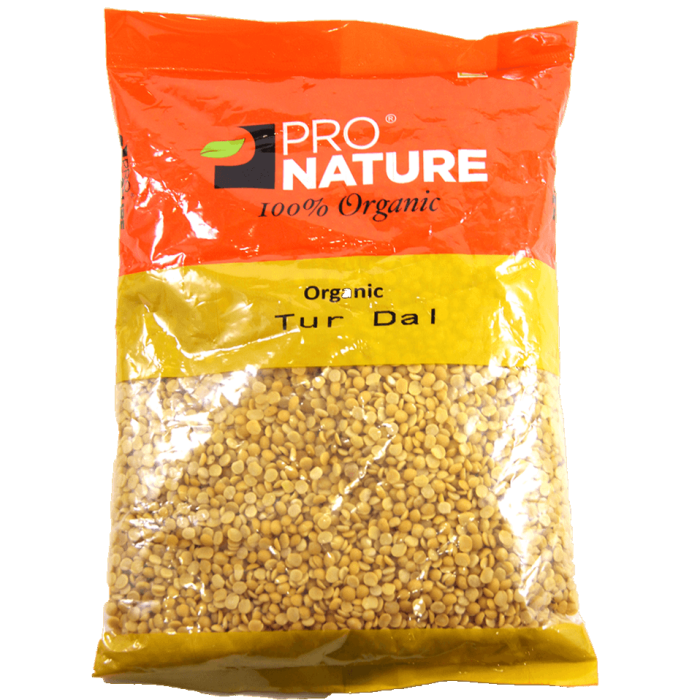
toor dal
We don't have a description for this ingredient yet.
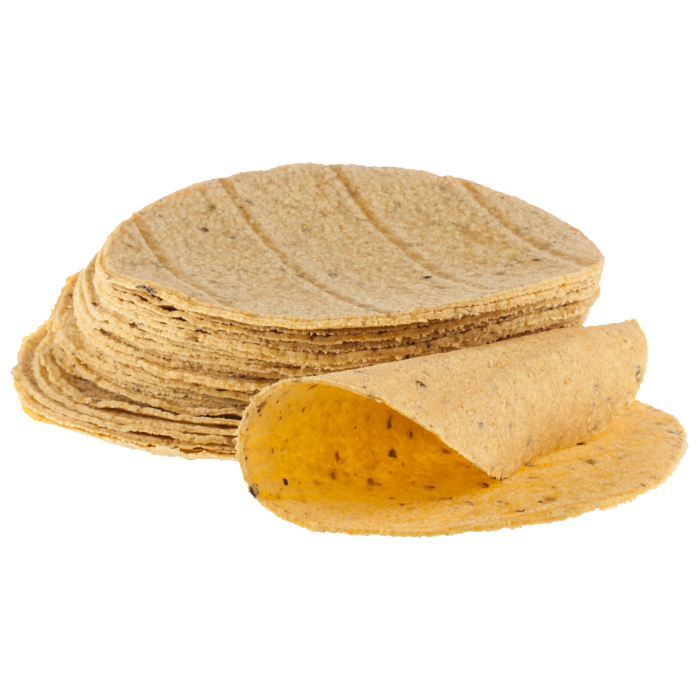
tortillas
We don't have a description for this ingredient yet.
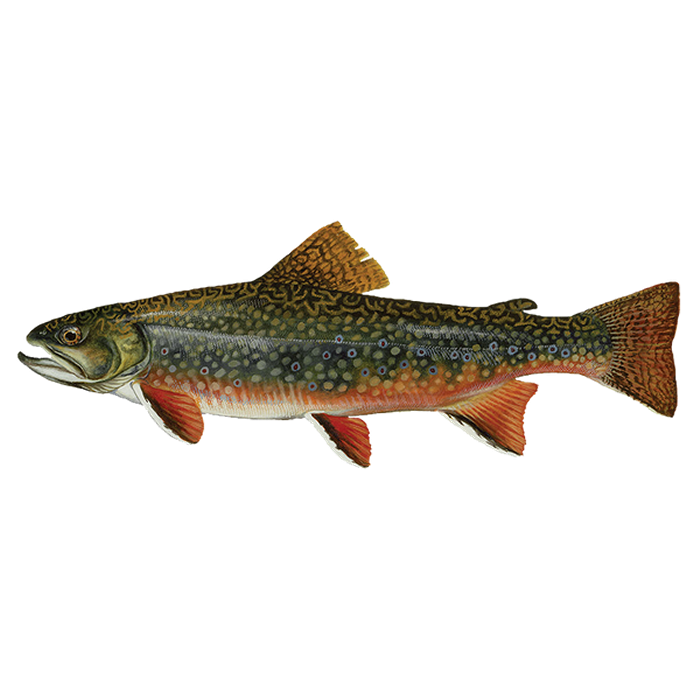
trout
Fish
Trout are a group of freshwater fish belonging to the salmon family, known for being a popular game and food fish. They are carnivorous, feeding on insects, small fish, and other invertebrates, and are often distinguished from salmon by the presence of teeth on the roof of their mouth in a double row and an adipose fin. Trout are adaptable fish, with species living in various habitats, from clear rivers and lakes to the sea, and are an indicator of healthy aquatic environments.
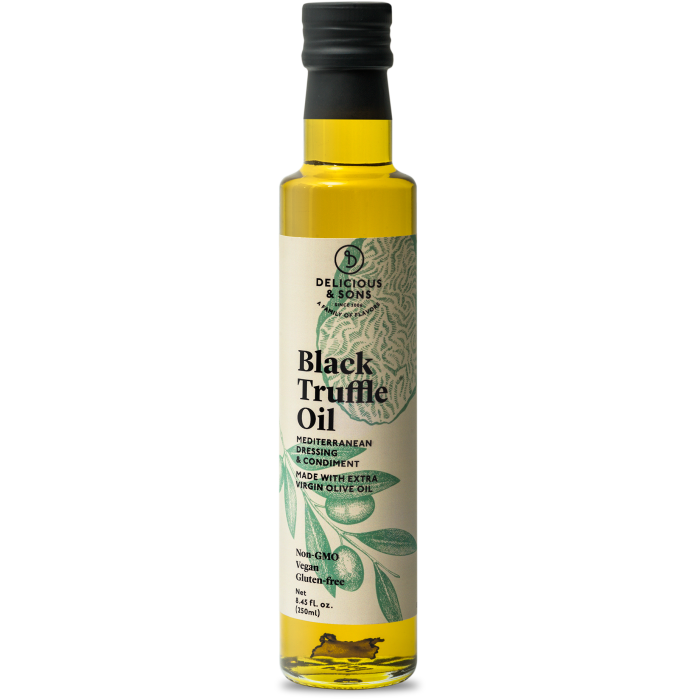
truffle oil
We don't have a description for this ingredient yet.
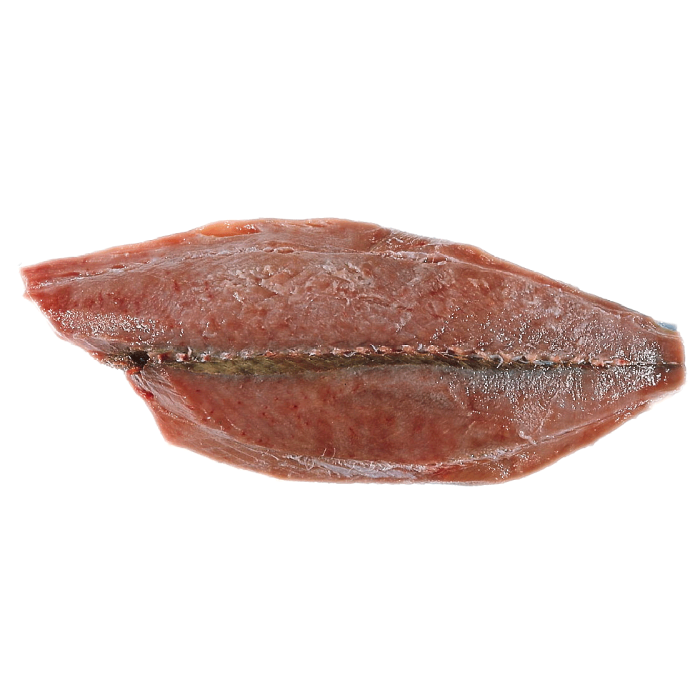
tuna
We don't have a description for this ingredient yet.
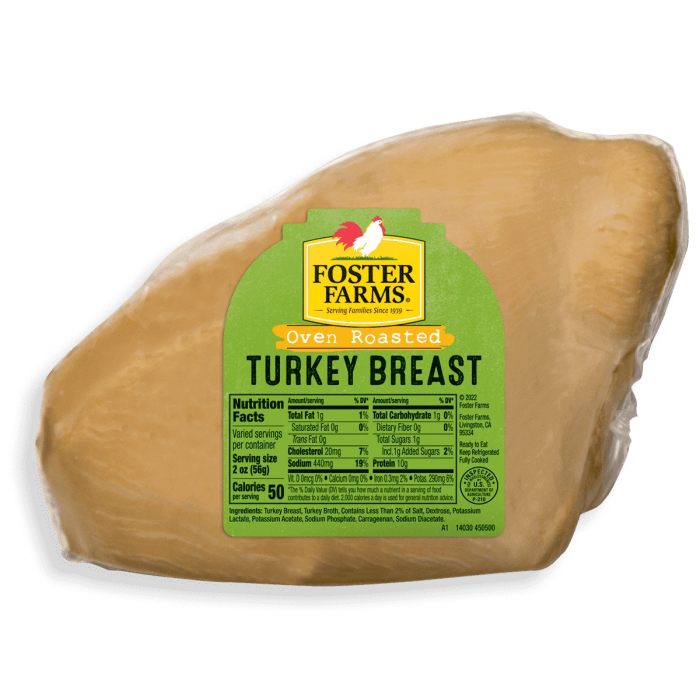
turkey
Meat
8 Wild Facts About Wild Turkeys - Lake Erie Nature & Science ..."Turkey" can refer to a country in West Asia and Southeast Europe, officially the Republic of Türkiye, or a large domesticated bird. The country is a transcontinental nation known for its unique location bridging Europe and Asia, its history as the center of the Ottoman Empire, and its capital, Ankara. The bird is a popular form of poultry raised for its meat.
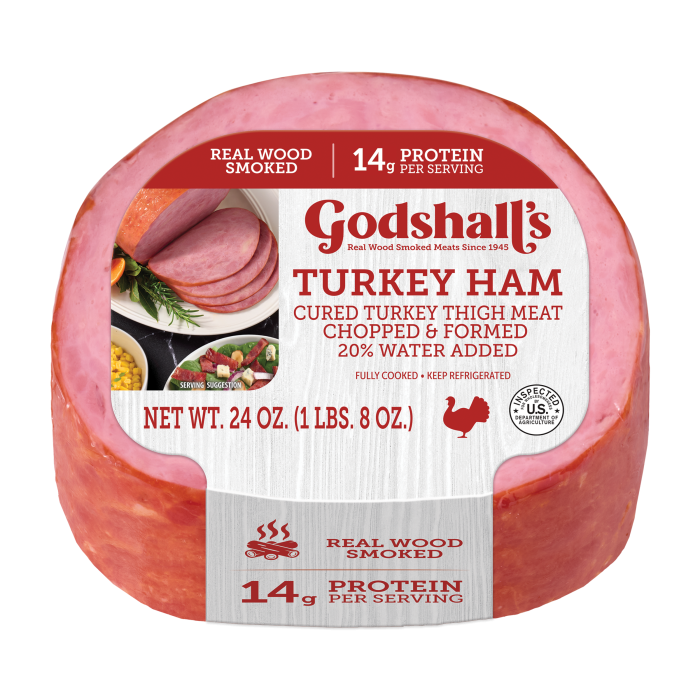
turkey ham
Meat
Turkey ham is a processed meat product made primarily from cooked or cured turkey meat, water, and seasonings that is shaped and flavored to resemble traditional ham. It is a leaner, lower-fat alternative to pork ham and contains no actual ham or pork, though some brands may include pork protein. The product is typically sold pre-sliced and can be eaten cold or heated. Key characteristics Ingredients: It is made from cured turkey meat, often thigh meat, and includes water to add moisture and weight. Some products may also contain binders to improve texture or, less commonly, pork protein. Flavor: It is seasoned to taste like ham but is a milder, leaner option. Appearance: It is formed into a block shape similar to traditional ham and is often sold in thin, pre-sliced packages for convenience. Usage: It is ready-to-eat and can be used in sandwiches, wraps, salads, and other dishes, either cold or heated. Dietary considerations: It is popular with people who avoid pork for religious or health reasons, such as those who follow a kosher or halal diet or are looking for a lower-fat option.
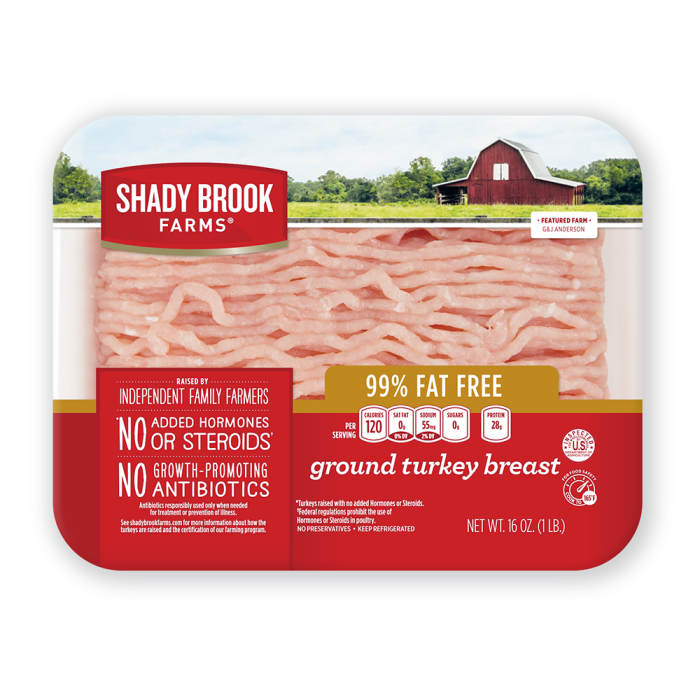
turkey mince
We don't have a description for this ingredient yet.
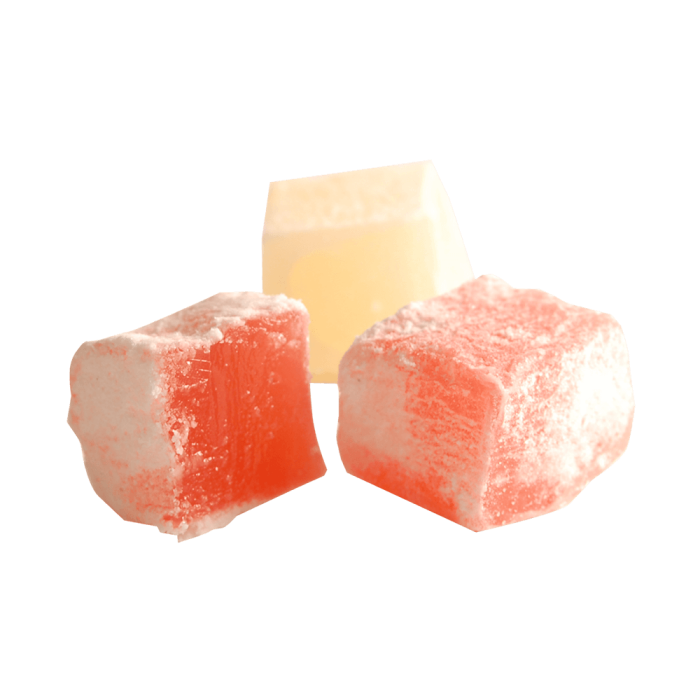
turkish delight
Confectionery
Turkish delight, or lokum, is a traditional confection made from a gel of starch and sugar, with flavors like rosewater, lemon, or orange blossom water. It is cut into small, jelly-like cubes and often coated in powdered sugar or coconut to prevent them from sticking. Nuts like pistachios are also frequently added, and it is traditionally served with coffee or tea. Ingredients: The base is made of sugar and starch, typically cornstarch, boiled slowly together. Flavoring: Traditional flavors include rosewater, mastic gum, bergamot, or lemon. Other common additions are nuts such as pistachios, walnuts, or hazelnuts. Texture: It has a soft, dense, jelly-like texture, sometimes described as squishy. Presentation: It is typically cut into cubes and dusted with powdered sugar or shredded coconut to keep the pieces from sticking together. Origin: Turkish delight originated in the Ottoman Empire, with its creation dating back over 500 years. Serving: It is often served as a sweet treat alongside tea or coffee.
turmeric
We don't have a description for this ingredient yet.
turmeric powder
We don't have a description for this ingredient yet.
turnips
We don't have a description for this ingredient yet.
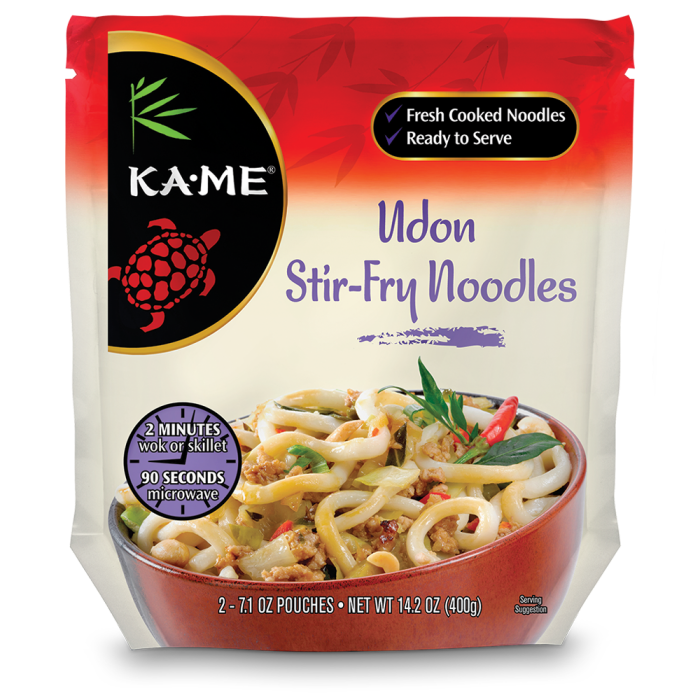
udon noodles
We don't have a description for this ingredient yet.
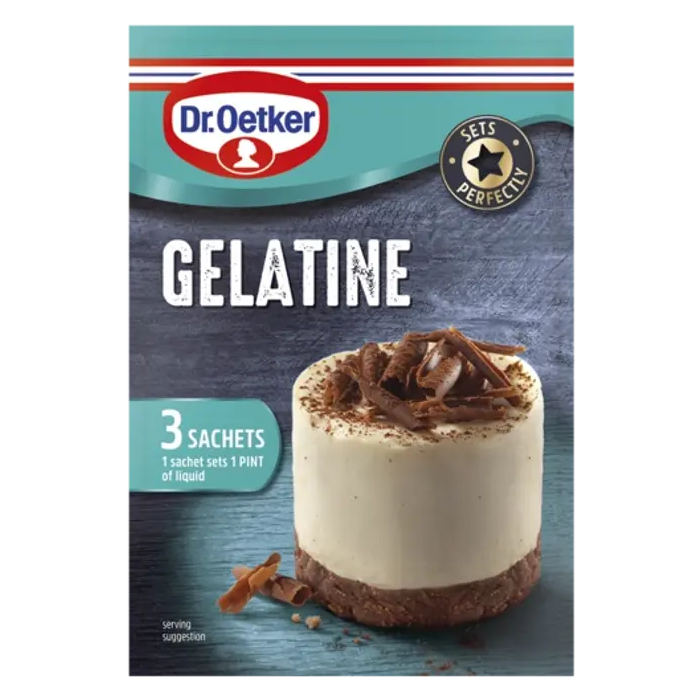
unflavoured gelatin
Curd
Unflavoured gelatin is a colorless, odorless, and flavorless gelling agent made from animal collagen, commonly used in both sweet and savory dishes. It is created by processing animal parts like bones and skin, and its primary function is to thicken or set liquids into a jelly-like consistency. What it is Composition: Unflavoured gelatin is a protein derived from animal collagen, which is found in connective tissues, bones, and hides. Properties: It is brittle when dry but becomes a flexible, jelly-like substance when hydrated and heated. It does not add any color or flavor to the recipe. Uses: It is a versatile ingredient for thickening and stabilizing, found in products like jams, jellies, panna cotta, marshmallows, and even savory dishes like aspic. How to use: It must be "bloomed" or softened in cold water before being heated to dissolve and activate its gelling properties. Other considerations Vegan alternatives: Since it comes from animals, it is not suitable for a vegan diet. Vegan alternatives include agar-agar, pectin, and carrageenan. Health benefits: Gelatin is made of 18 amino acids and may offer some health benefits, though consuming it as a supplement in high doses is not recommended without further research.