Ingredients
Explore all the little things that make our recipes tasty.
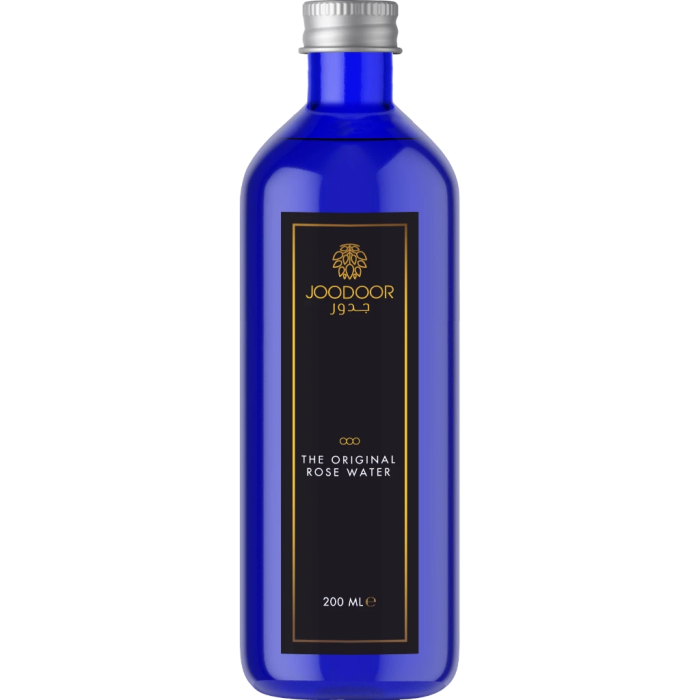
rose water
Drink
Rose water is a flavoured water made by steeping rose petals in water. Additionally, it is the hydrosol portion of the distillate of rose petals, a by-product of the production of rose oil for use in perfume. It is used to flavour food, as a component in some cosmetic and medical preparations, and for religious purposes throughout Europe and Asia.
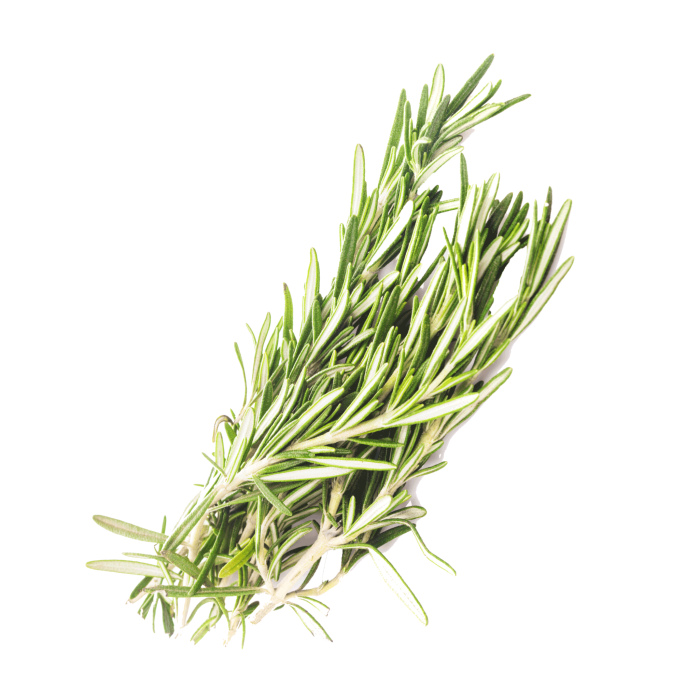
rosemary
We don't have a description for this ingredient yet.
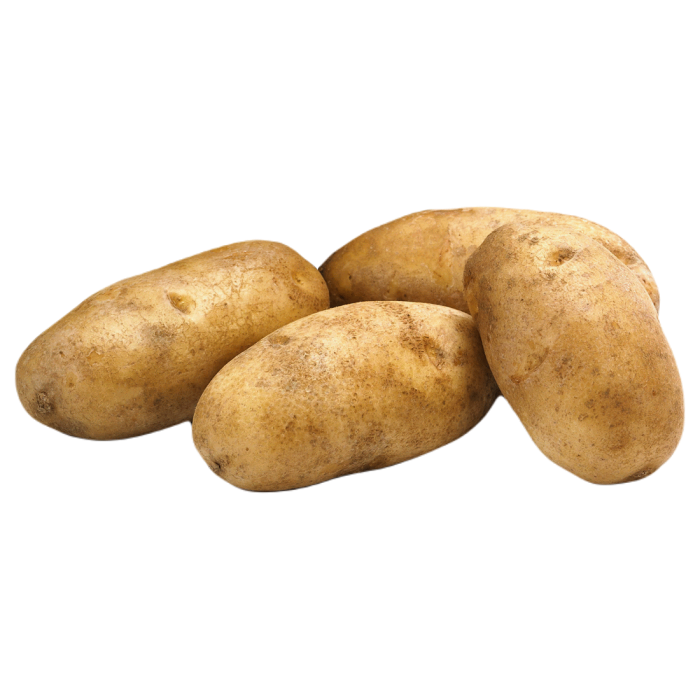
russet potato
Root Vegetable
A russet potato is a large, starchy potato with a rough, dark brown skin and white, mealy flesh that is ideal for baking, mashing, and frying. Also known as an Idaho potato, it is a versatile all-purpose potato with a thick skin that crisps up when baked and an interior that becomes light and fluffy.
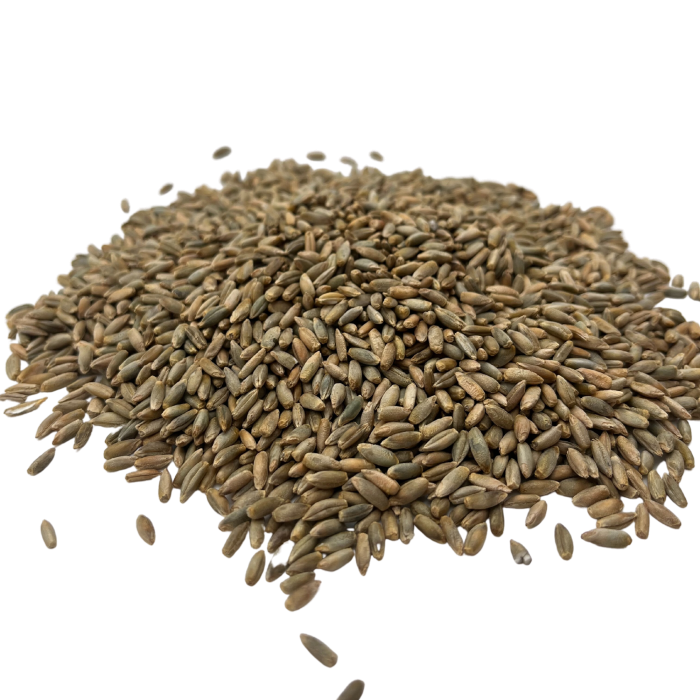
rye
Meat
Rye is a cereal grain similar to wheat and barley that is primarily used to make bread, and is also used for alcoholic beverages like whiskey and beer, or as animal feed. It is a nutritious grain, high in fiber and rich in B vitamins and minerals. Rye flour contains less gluten than wheat flour, resulting in denser, richer-tasting bread that can have a long shelf life. Uses Bread: A key ingredient in many breads, especially in Eastern and Northern Europe. It is often mixed with wheat flour to give the dough elasticity for a better rise. Popular examples include dense, dark pumpernickel and lighter rye breads. Beverages: The grain is a key ingredient in rye whiskey, and is also used to make other alcoholic drinks like German Roggenbier and kvass. Animal feed: Rye is widely used for feeding livestock. Other uses: Whole rye berries can be cooked for cereal or added to salads and soups. The tough straw can be used for thatching, and the flour can be used as an adhesive. Nutritional benefits High in fiber: Rye is one of the highest-fiber cereal grains, containing both water-soluble and insoluble fiber that is beneficial for digestion. Rich in nutrients: It is a good source of B vitamins, and minerals such as iron, manganese, phosphorus, and selenium. Phytonutrients: Whole-grain rye contains phytonutrients that may offer health benefits, such as protecting against heart disease and type 2 diabetes. Growing conditions Rye can grow in cooler climates and poorer soil than wheat. The main growing regions are in Europe, particularly Germany, Poland, Russia, and the Nordic countries, with some cultivation also in North America.
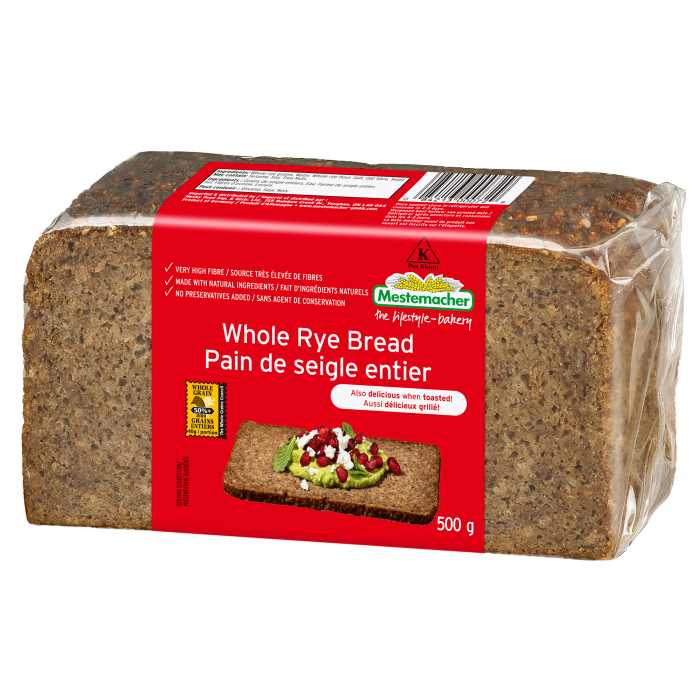
rye bread
Bread
Rye bread is a type of bread made from flour milled from rye grains, giving it a denser texture and a distinct tangy or earthy flavor that can range from light to dark depending on the flour and ingredients used. It has a lower gluten content than wheat flour, which results in a more compact loaf, but can be mixed with wheat flour to achieve a lighter texture. Common additions include caraway seeds, molasses, or cocoa powder, and varieties like pumpernickel are well-known examples. Key characteristics and ingredients Primary ingredient: Rye flour, which can be light, medium, dark, or pumpernickel, depending on the type of rye grain used and how it's milled. Flavor: Typically has a tangy, sour, or earthy taste. Texture: Denser and heavier than wheat-based breads due to lower gluten content. Common additions: Other flours: Wheat flour is often mixed with rye flour to create a lighter loaf with a more developed structure. Flavorings: Caraway seeds, molasses, or cocoa powder are frequently added to enhance flavor and color. Variations: Light rye: Made from white rye flour, resulting in a lighter color and milder flavor. Dark rye: Made from whole rye grains, which is darker and more robust in flavor. Pumpernickel: A very dense, sweet bread traditionally made from coarsely ground whole rye.
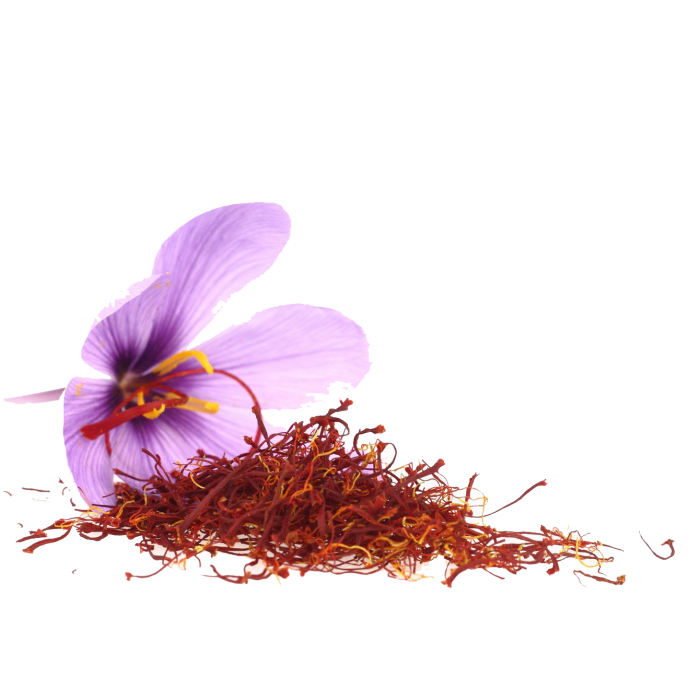
saffron
We don't have a description for this ingredient yet.
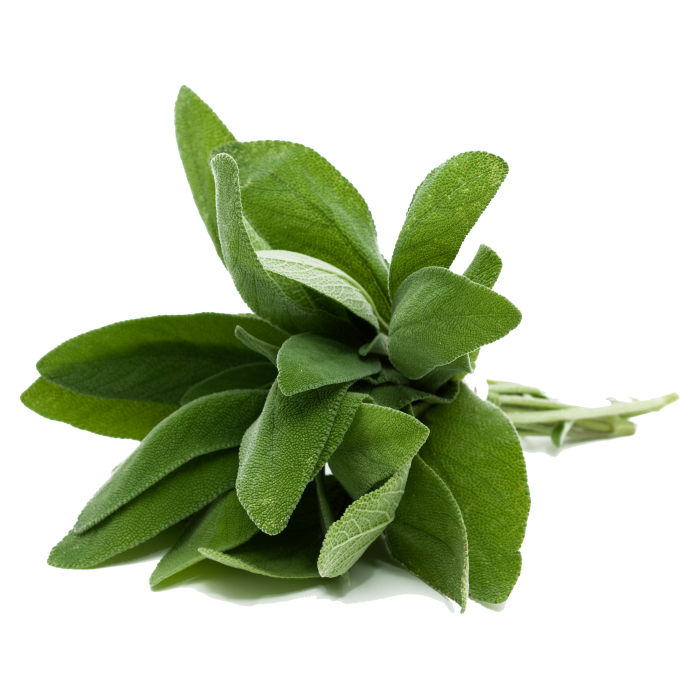
sage
We don't have a description for this ingredient yet.
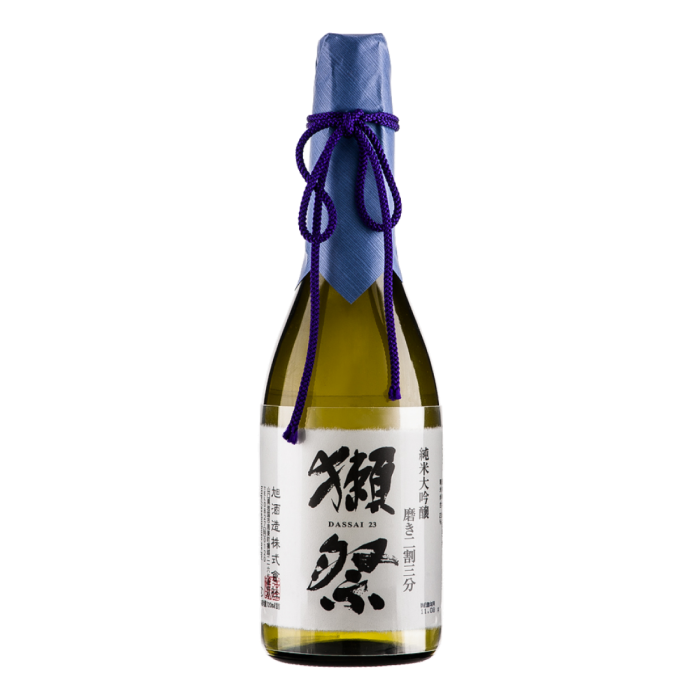
sake
We don't have a description for this ingredient yet.
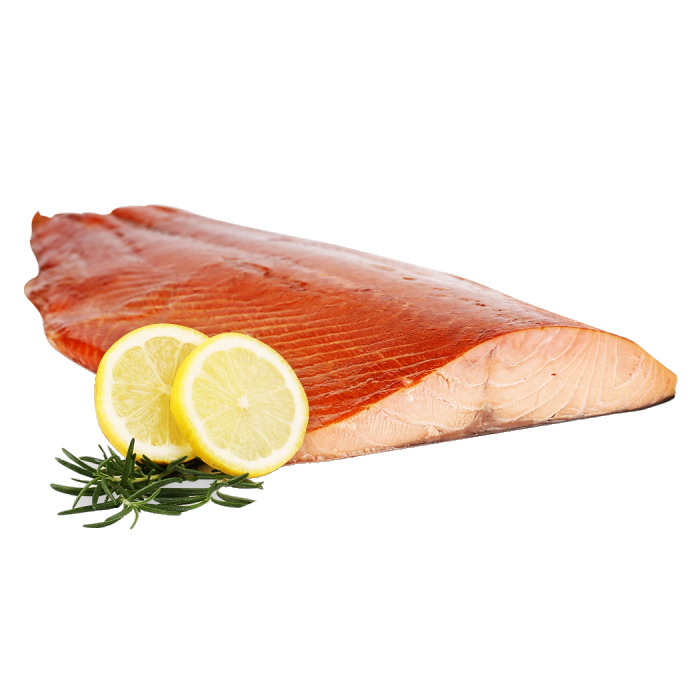
salmon
Salmon is the common name for several species of ray-finned fish in the family Salmonidae. Other fish in the same family include trout, char, grayling and whitefish. Salmon are native to tributaries of the North Atlantic (genus Salmo) and Pacific Ocean (genus Oncorhynchus). Many species of salmon have been introduced into non-native environments such as the Great Lakes of North America and Patagonia in South America. Salmon are intensively farmed in many parts of the world. Typically, salmon are anadromous: they hatch in fresh water, migrate to the ocean, then return to fresh water to reproduce. However, populations of several species are restricted to fresh water through their lives. Folklore has it that the fish return to the exact spot where they hatched to spawn. Tracking studies have shown this to be mostly true. A portion of a returning salmon run may stray and spawn in different freshwater systems; the percent of straying depends on the species of salmon. Homing behavior has been shown to depend on olfactory memory. Salmon date back to the Neogene.
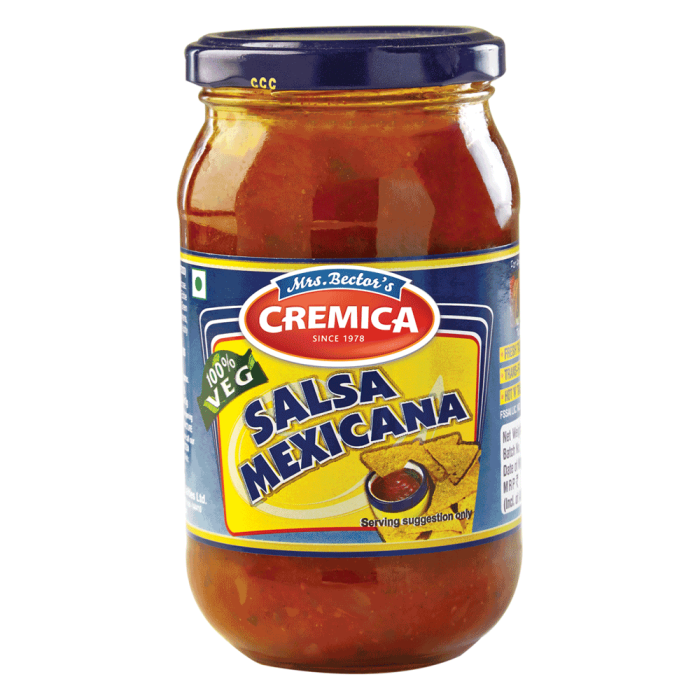
salsa
We don't have a description for this ingredient yet.
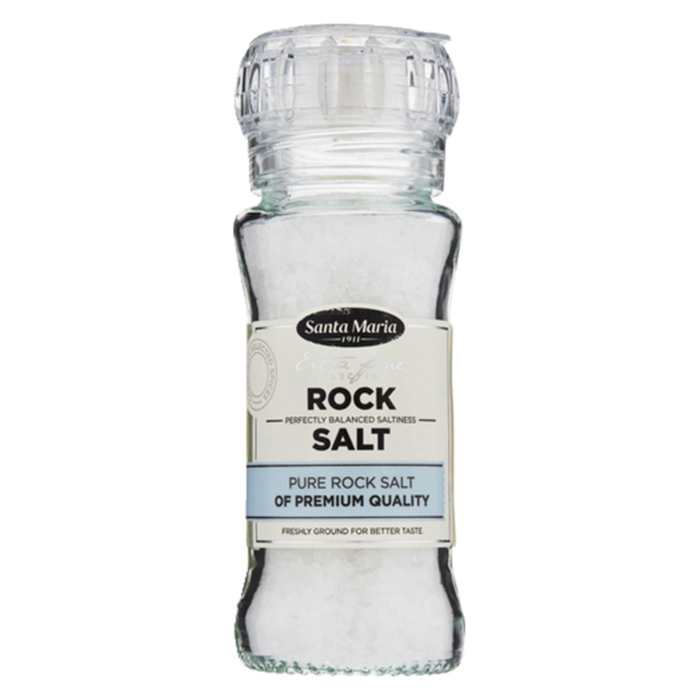
salt
We don't have a description for this ingredient yet.
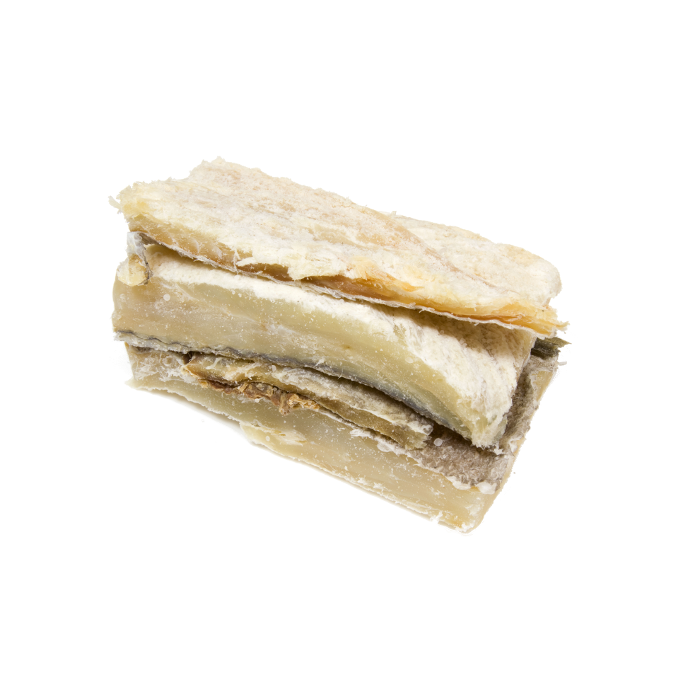
salt cod
We don't have a description for this ingredient yet.

salted butter
We don't have a description for this ingredient yet.
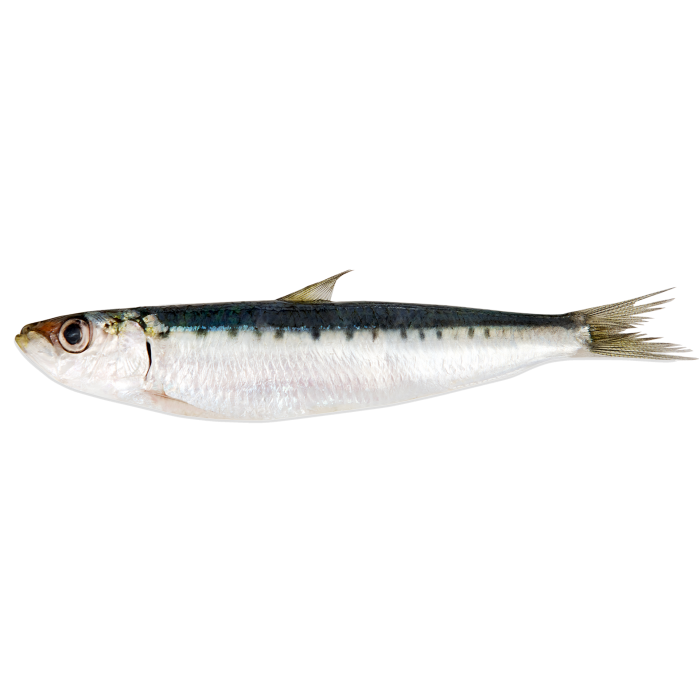
sardines
Seafood
"Sardine" and "pilchard" are common names that refer to various small, oily forage fish in the herring family Clupeidae. The term "sardine" was first used in English during the early 15th century and may come from the Mediterranean island of Sardinia, around which sardines were once abundant.

saskatoon berries
Fruit
Saskatoon berries are sweet, reddish-purple fruits that grow on a shrub native to North America and are known for their nutty, almond-like flavor and nutritional benefits. They are also called serviceberries or Juneberries and are a popular ingredient for jams, pies, and smoothies due to their high content of antioxidants, fiber, and various vitamins and minerals. Appearance: They are similar in appearance to blueberries, with a reddish-purple or deep blue color when ripe. Flavor: They have a unique sweet taste that is often described as a mix of blueberry and cherry with a hint of almond. Nutritional value: They are rich in antioxidants, vitamins (like vitamin C and B vitamins), and minerals (like iron, calcium, and manganese). Uses: They can be eaten fresh, used in baked goods, made into jams and jellies, or used to make syrups, wines, and dried snacks. They are a versatile substitute for blueberries in many recipes. Growing: Saskatoon berry shrubs are cold-hardy and can grow in various types of soil, making them easier to cultivate than some other berries. They are attractive plants, with white flowers in the spring and colorful foliage in the fall. Cultural significance: Saskatoon berries are a traditional food source for Indigenous peoples in North America and hold cultural importance for communities in regions like Saskatchewan.
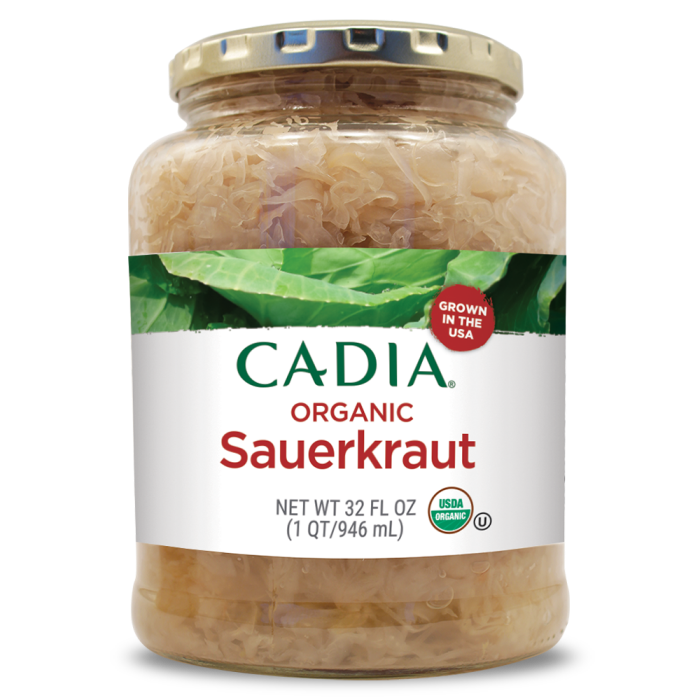
sauerkraut
Vegetable
Sauerkraut is finely cut raw cabbage that has been fermented by various lactic acid bacteria. It has a long shelf life and a distinctive sour flavor, both of which result from the lactic acid formed when the bacteria ferment the sugars in the cabbage leaves.

sausages
We don't have a description for this ingredient yet.
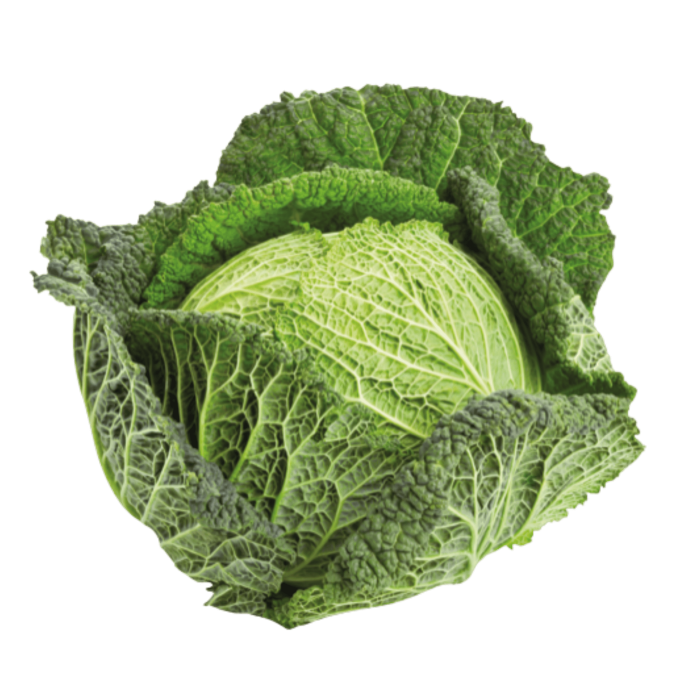
savoy cabbage
Root Vegetable
A savoy cabbage is a type of winter cabbage known for its dark green, crinkled, and ruffled leaves, which are more tender and have a milder, sweeter flavor than other cabbages. It is versatile and can be eaten raw in salads or cooked in dishes like soups, stir-fries, and stews. Key characteristics Appearance: It has a loose, rounded head with crinkled and ruffled leaves that are often dark green and sometimes have a yellowish core. Texture: The leaves are more tender and delicate than those of a white or red cabbage. When cooked, they become soft but still hold their shape. Flavor: It has a mild, sweet, and earthy flavor. Nutritional value: It is an excellent source of vitamin K and C, and a good source of fiber, manganese, and folate. How to use savoy cabbage Raw: Shred the leaves and add them to salads or coleslaws for a mild crunch. Cooked: Soups and stews: It holds up well in hearty, long-simmered dishes like soups and stews, adding a subtle sweetness. Stir-fries: The leaves are great in stir-fries, where they become tender but remain slightly firm. Sautéed: Sautéing slices in butter or bacon fat is a popular preparation. Stuffed: Use the blanched leaves to wrap around fillings for dishes like stuffed cabbage rolls. Braised: Braising the leaves with garlic and spices is another way to enjoy them.

sazon
Seasoning
Sazón is a savory Latin American spice blend that adds color and flavor to dishes such as rice, beans, stews, and meats. The name translates from Spanish to "seasoning". While specific ingredients and ratios vary by region and brand, the mix is well known for the golden-orange hue it imparts to food. Key ingredients While brands like Goya are widely known for commercial sazón packets, many cooks prefer to make their own to control the ingredients. Common ingredients include: Achiote (Annatto): This is a key component that provides the blend's distinct reddish-orange color and contributes an earthy, slightly peppery flavor. Cumin and coriander: These spices form the primary flavor base. Cumin adds warmth and earthiness, while coriander provides a mild, citrusy note. Garlic and onion powder: These provide a savory, aromatic foundation for the blend. Mexican oregano: This adds a warm, herbaceous, and slightly citrusy element. Salt and pepper: Included to enhance the overall flavor. Flavor profile Sazón is known for its savory and earthy flavor profile, which does not contain significant heat. Earthy and savory: The blend's primary notes come from cumin, coriander, and the onion and garlic powders. Mildly peppery: Annatto provides a subtle peppery undertone. Aromatic: A combination of ingredients like annatto, cumin, coriander, and oregano gives it a fragrant aroma. Uses in cooking Sazón is a versatile seasoning that can be used in many dishes to add authentic Latin American flavor. Rice and beans: It is widely used to season rice and beans, giving them both a rich flavor and a characteristic golden color. Meat and poultry: Sazón works well as a dry rub or marinade for chicken, pork, and beef. The spices penetrate the meat during cooking, creating a deep, savory taste. Soups and stews: A teaspoon or two of sazón can add depth and warmth to dishes like pollo guisado (stewed chicken) or habichuelas guisadas (stewed beans). Vegetables: It can be sprinkled on roasted or sautéed vegetables and is sometimes used on french fries or popcorn.
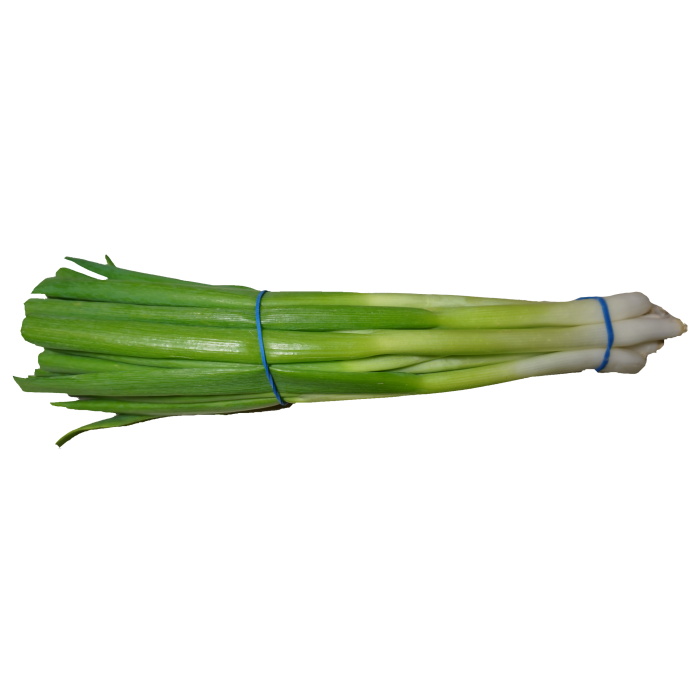
scallions
Vegetable
Scallions (green onion, spring onion and salad onion) are vegetables of various Allium onion species. Scallions have a milder taste than most onions. Their close relatives include the garlic, shallot, leek, chive, and Chinese onion. Although the bulbs of many Allium species are used as food, the defining characteristic of scallion species is that they lack a fully developed bulb. In common with all Allium species, scallions have hollow, tubular green leaves, growing directly from the bulb. These leaves are used as a vegetable; they are eaten either raw or cooked. The leaves are often chopped into other dishes, in the manner of onions or garlic. Also known as scallions or green onions, spring onions are in fact very young onions, harvested before the bulb has had a chance to swell.
scotch bonnet
Vegetable
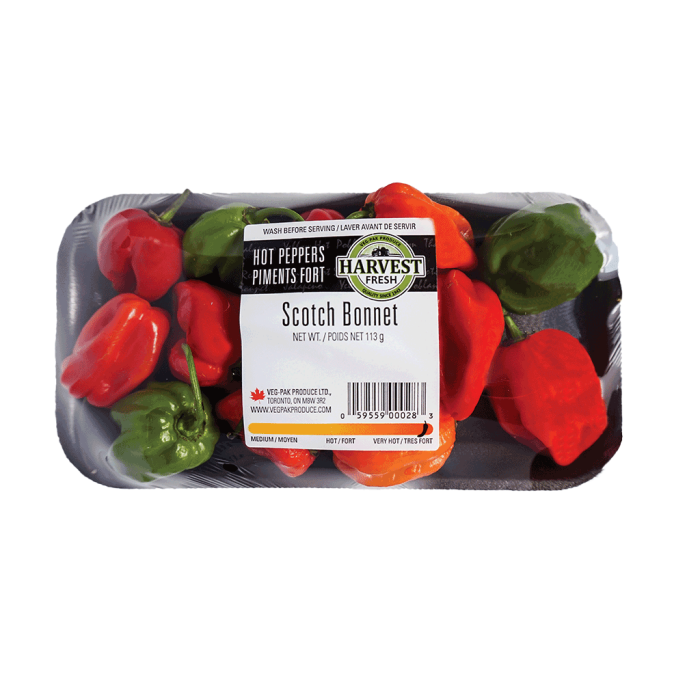
Scotch bonnet, also known as bonney peppers, or Caribbean red peppers, is a variety of chili pepper named for its resemblance to a tam o' shanter hat. Also called ata rodo by Yoruba speakers of Nigeria, it is found mainly in the Caribbean islands; it is also found in Guyana (where it is called the ball-of-fire pepper), the Maldives Islands (where it is called githeyo mirus), Panama (where it is called aji chombo) and West Africa. Most Scotch bonnets have a heat rating of 100,000–350,000 Scoville units. For comparison, most jalapeño peppers have a heat rating of 2,500 to 8,000 on the Scoville scale. However, completely sweet varieties of Scotch bonnet are grown on some of the Caribbean islands, called cachucha peppers. These peppers are used to flavour many different dishes and cuisines worldwide and are often used in hot sauces and condiments. The Scotch bonnet has a sweeter flavour and stouter shape, distinct from its habanero relative with which it is often confused, and gives jerk dishes (pork/chicken) and other Caribbean dishes their unique flavour. Scotch bonnets are mostly used in West African, Antiguan, Kittitian/Nevisian, Anguilan, Dominican, St. Lucian, St Vincentian, Grenadian, Trinidadian, Jamaican, Barbadian, Guyanese, Surinamese, Haitian and Cayman cuisines and pepper sauces, though they often show up in other Caribbean recipes. It is also used in Costa Rica and Panama for Caribbean-styled recipes such as rice and beans, Rondón, saus, beef patties, and Ceviche. Fresh, ripe Scotch bonnets can change from green to yellow to scarlet red, however many other breeds of this pepper can ripen to orange, yellow, peach, or even a chocolate brown.
sea bass fillets
Fish
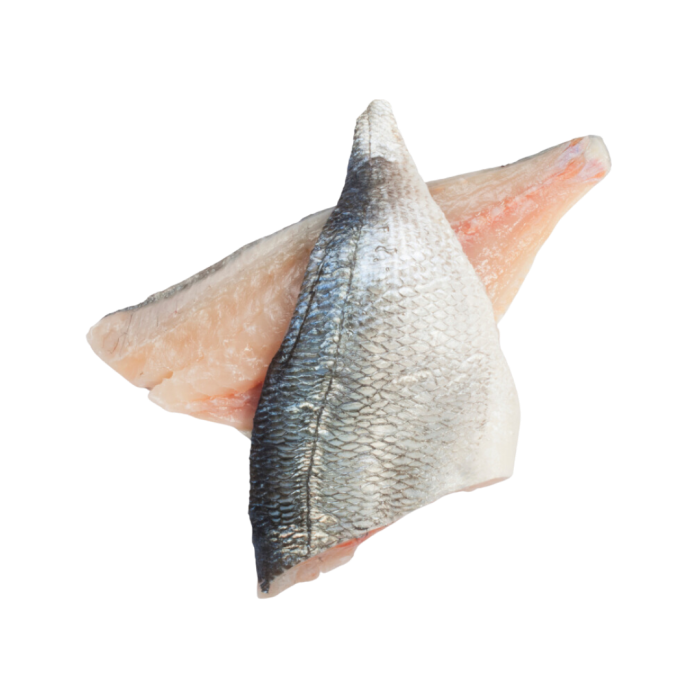
A sea bass fillet is a portion of sea bass fish that has been cut from the bone, leaving only the white, flaky meat. It is known for its mild, delicate flavor and buttery texture, making it a popular and versatile choice for cooking. Sea bass fillets are relatively low in fat and are good for pan-frying, grilling, or baking. Flavor and texture: Sea bass has a mild, slightly sweet taste, with moist, buttery, and tender flesh that flakes into medium-sized pieces. Its flavor is delicate, making it suitable for those who prefer a less "fishy" seafood. Cooking methods: Fillets are easy to cook using various methods such as pan-frying, baking, grilling, or broiling. Pan-frying is a simple option that can crisp the skin for added texture and flavor. Nutritional value: Sea bass is a good source of protein and is rich in nutrients like vitamin B12, niacin, phosphorus, and potassium. Origin: While the term "sea bass" can refer to several species, the fillets commonly sold are often from fish farmed in the eastern Mediterranean or wild-caught in areas like the British coast.
sea salt
We don't have a description for this ingredient yet.
seafood stock
Seasoning
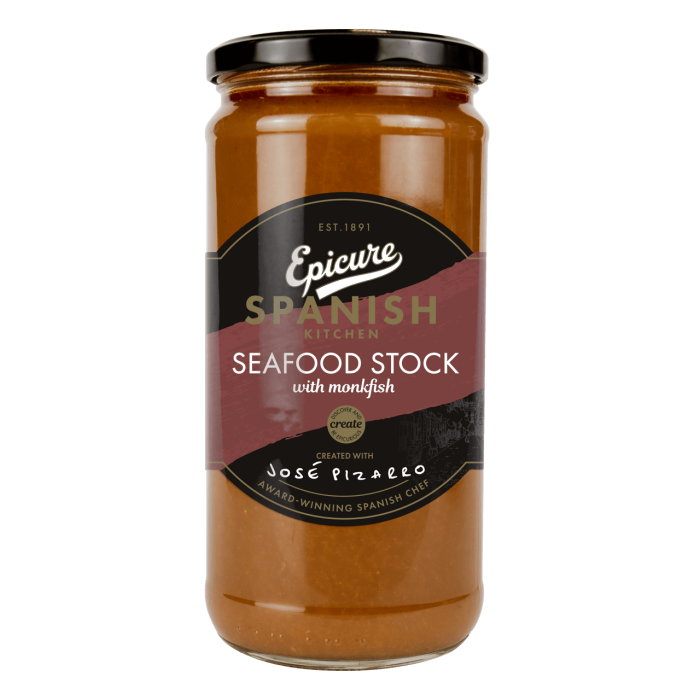
Seafood stock is a flavorful liquid made by simmering the bones and shells of fish and shellfish with aromatic vegetables like onion, celery, and carrots, along with herbs and spices. It serves as a versatile base for many seafood dishes, such as soups, stews, and risottos. To make it, the non-edible parts are simmered, then the liquid is strained to remove all solids, resulting in a rich, briny broth. Key ingredients Fish bones and heads: Use white-fleshed, salt-water fish for a clean flavor, but avoid oily fish like salmon. Crustacean shells: Shrimp, crab, and lobster shells add a rich, briny flavor. Aromatic vegetables: A classic combination includes onion, carrot, and celery. Garlic is also common. Herbs and spices: Bay leaves, parsley, and white peppercorns are popular choices, as they complement the seafood flavor without overpowering it. Other additions: Some recipes include white wine, tomato paste, or even the juices from clams or mussels. How it's made Sauté aromatics: Sautéing the vegetables can enhance their flavor. Add seafood parts: Add the fish bones, heads, and/or crustacean shells to the pot. Simmer: Cover everything with water and bring to a boil. Reduce the heat to a low simmer and let it cook for about 30 to 60 minutes, or until the flavors have infused the liquid. Skim any foam that rises to the surface. Strain: Strain the mixture through a fine-mesh sieve or a sieve lined with cheesecloth to remove all solids, leaving a clear, flavorful liquid. Cool and store: Cool the stock completely. It can be stored in the refrigerator for a few days or frozen for longer storage. Tips for a better stock Start with fresh ingredients: Use the freshest ingredients possible for the best flavor. Don't overcook: Simmering for too long can make the stock bitter or cloudy. Clean the bones: For fish stock, it's recommended to wash the bones to remove any dark blood, which can impart a fishy or bitter taste. Avoid strong herbs: Steer clear of strong-flavored herbs like rosemary or sage, which can overpower the delicate seafood flavor.