Ingredients
Explore all the little things that make our recipes tasty.
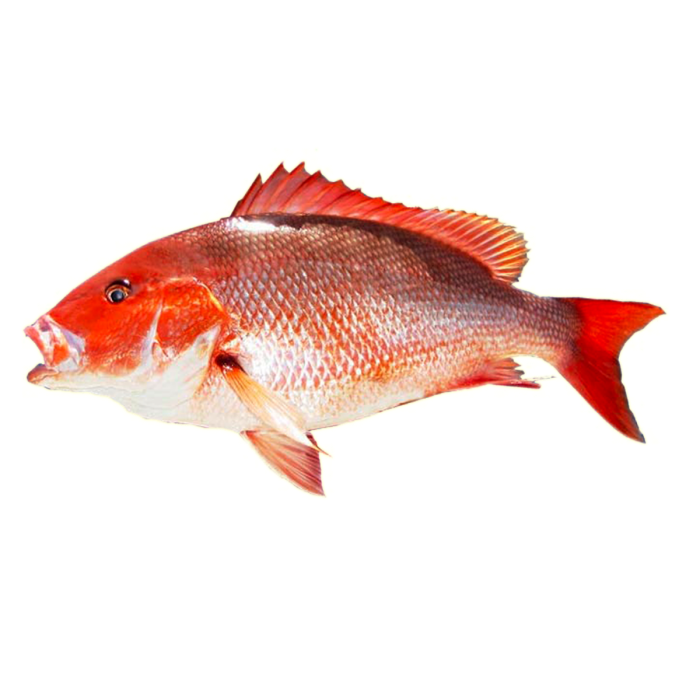
red snapper
Fish
The northern red snapper (Lutjanus campechanus) is a species of snapper native to the western Atlantic Ocean including the Gulf of Mexico, where it inhabits environments associated with reefs. This species is commercially important and is also sought-after as a game fish. The northern red snapper's body is very similar in shape to other snappers, such as the mangrove snapper, mutton snapper, lane snapper, and dog snapper. All feature a sloped profile, medium-to-large scales, a spiny dorsal fin, and a laterally compressed body. Northern red snapper have short, sharp, needle-like teeth, but they lack the prominent upper canine teeth found on the mutton, dog, and mangrove snappers. This snapper reaches maturity at a length of about 39 cm (15 in). The common adult length is 60 cm (24 in), but may reach 100 cm (39 in). The maximum published weight is 38 kg (84 lb), and the oldest reported age is 100+ years. Coloration of the northern red snapper is light red, with more intense pigment on the back. It has 10 dorsal spines, 14 soft dorsal rays, three anal spines and eight to 9 anal soft rays. Juvenile fish (shorter than 30–35 cm) can also have a dark spot on their sides, below the anterior soft dorsal rays, which fades with age.

red wine
We don't have a description for this ingredient yet.
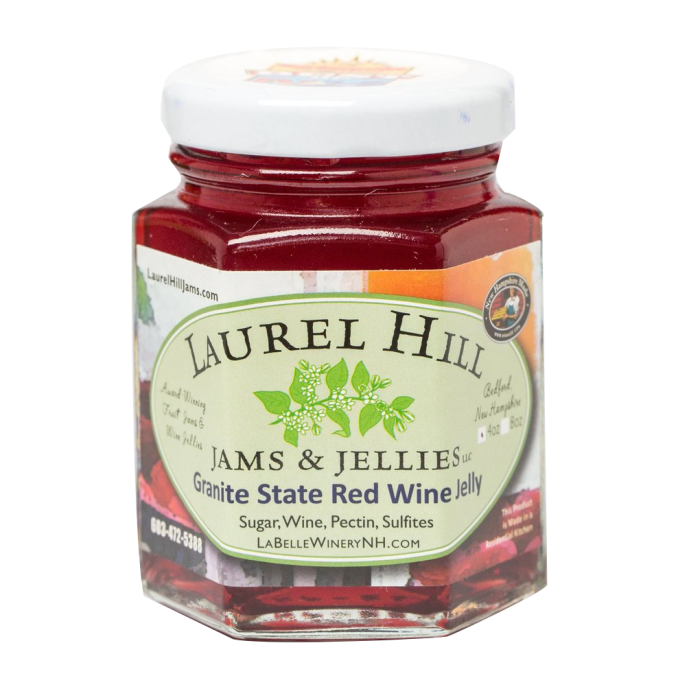
red wine jelly
We don't have a description for this ingredient yet.
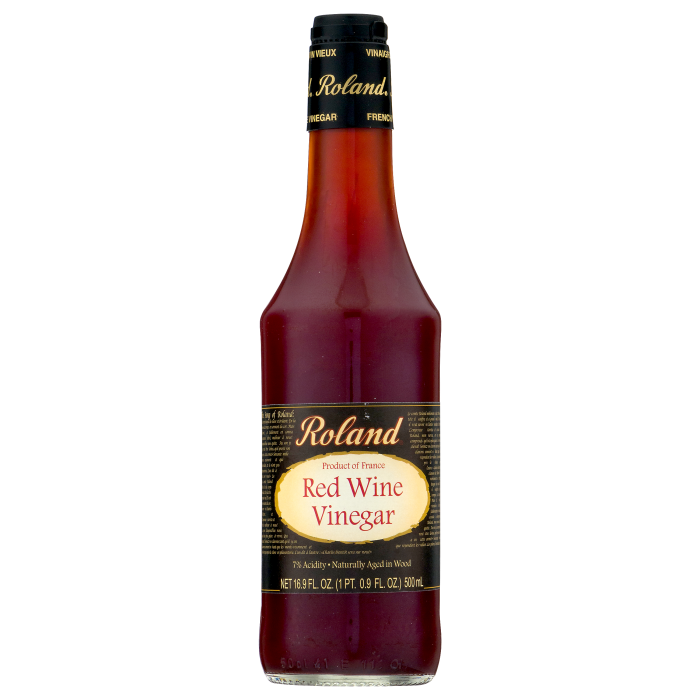
red wine vinegar
We don't have a description for this ingredient yet.
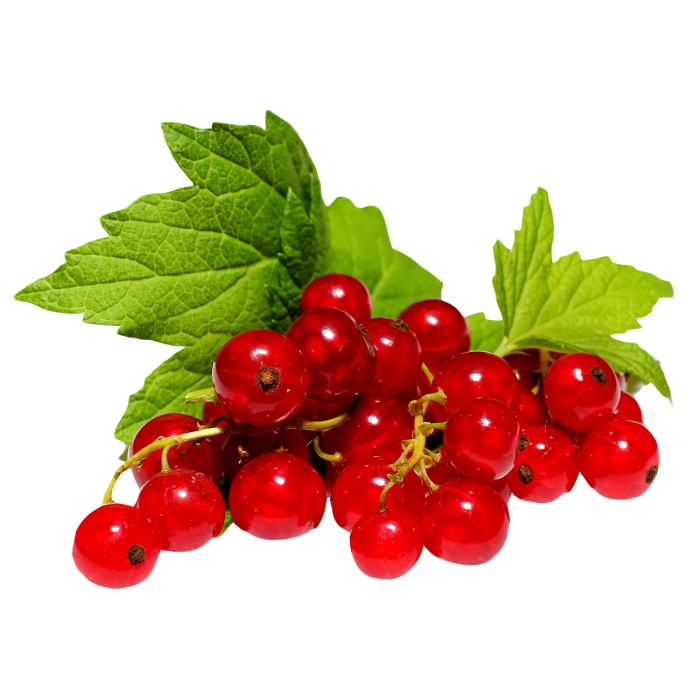
redcurrants
We don't have a description for this ingredient yet.
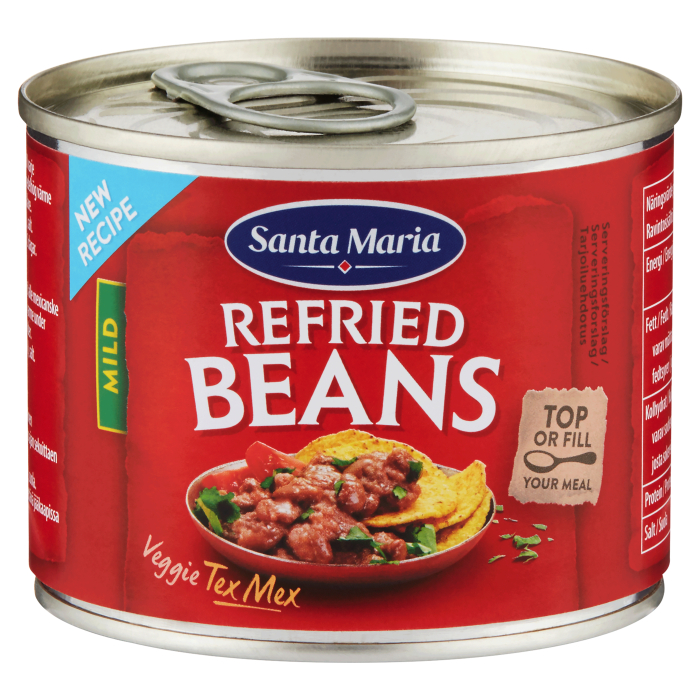
refried beans
We don't have a description for this ingredient yet.
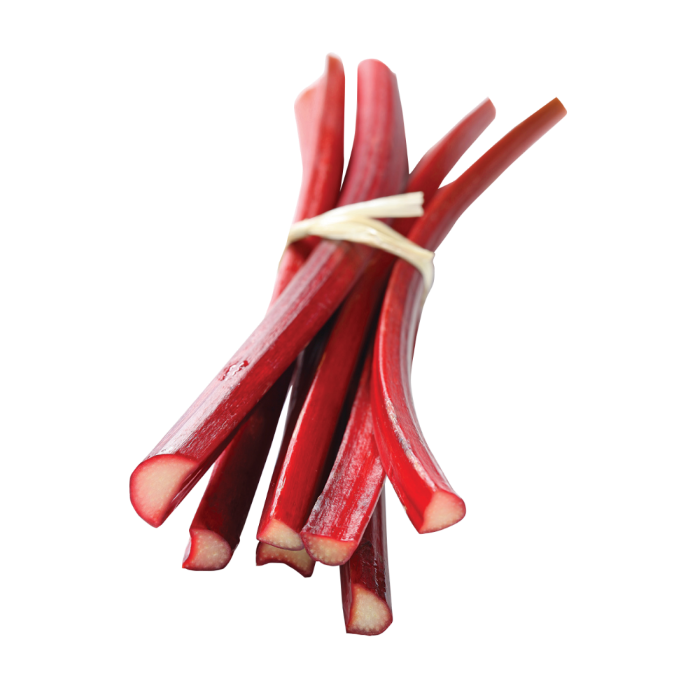
rhubarb
Vegetable
Rhubarb is a general term used for the cultivated plants in the genus Rheum in the family Polygonaceae. It is a herbaceous perennial growing from short, thick rhizomes. Historically, different plants have been called "rhubarb" in English.
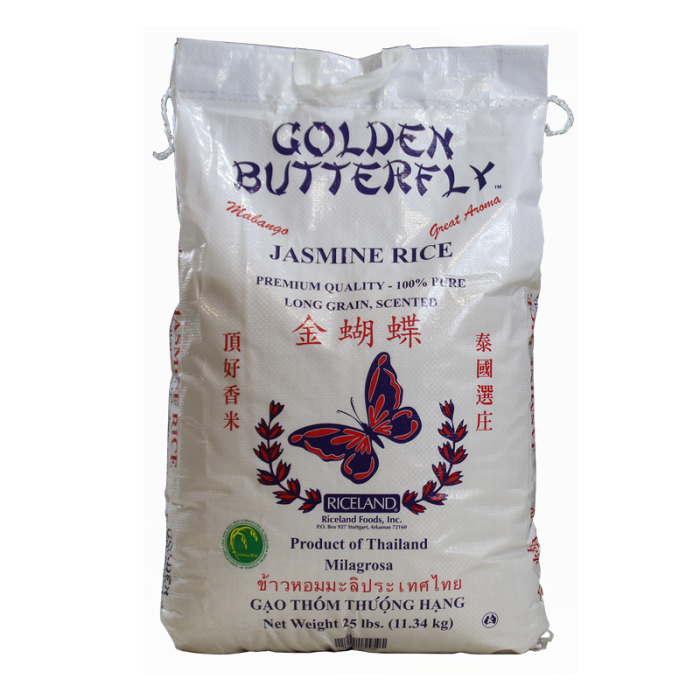
rice
We don't have a description for this ingredient yet.

rice flour pancakes
Rice
Rice flour pancakes are a gluten-free alternative to traditional pancakes made with wheat flour, using finely milled rice instead. They can be fluffy or chewy depending on the recipe, with a unique, slightly nutty flavor that pairs well with various sweet or savory toppings.
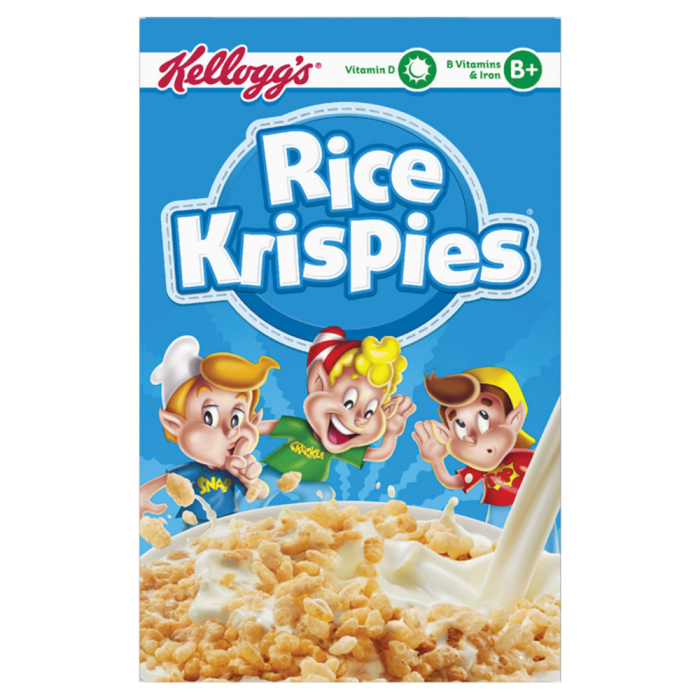
rice krispies
Cereal
Rice Krispies (also known as Rice Bubbles in Australia and New Zealand) is a breakfast cereal marketed by Kellogg's in 1927 and released to the public in 1928. Rice Krispies are made of crisped rice (rice and sugar paste that is formed into rice shapes or "berries", cooked, dried and toasted), and expand forming very thin and hollowed out walls that are crunchy and crisp. When milk is added to the cereal the walls tend to collapse, creating the "Snap, crackle and pop" sounds. Rice Krispies cereal has a long advertising history, with the elf cartoon characters Snap, Crackle and Pop touting the brand. In 1963, The Rolling Stones recorded a short song for a Rice Krispies television advertisement.
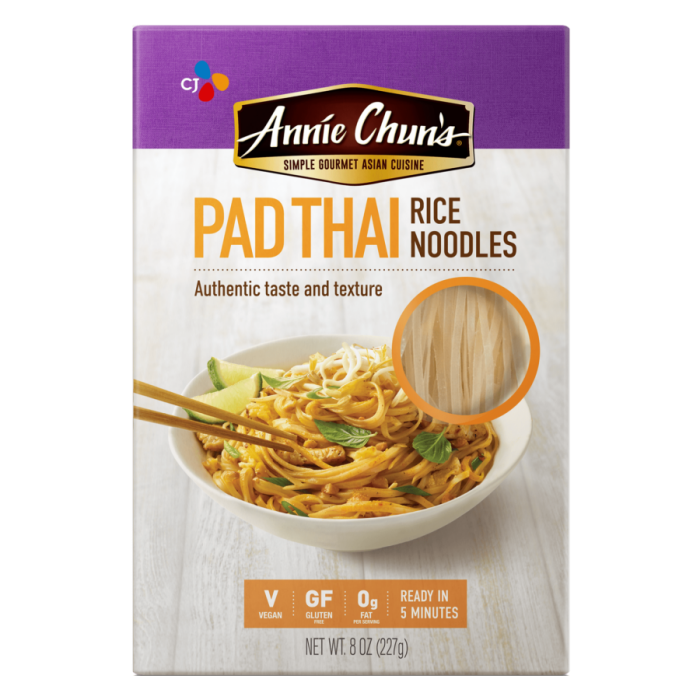
rice noodles
We don't have a description for this ingredient yet.
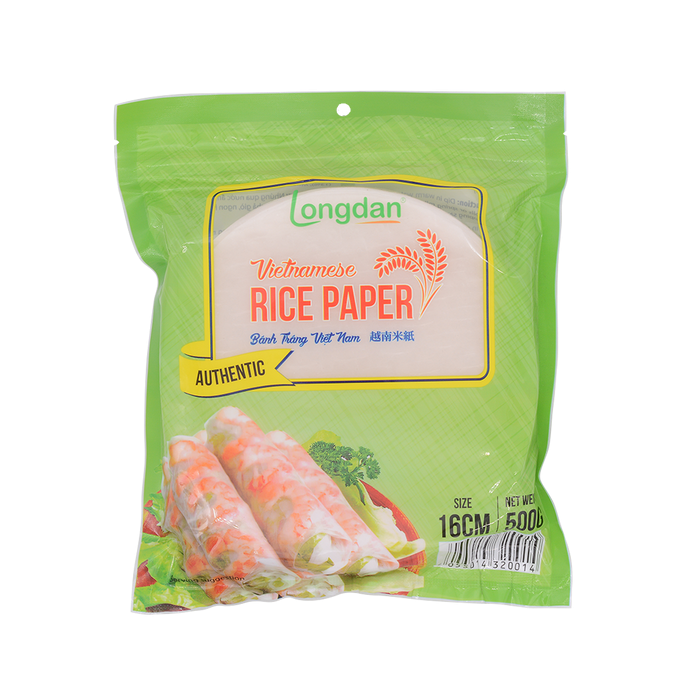
rice paper sheets
Rice
How to Use Rice Paper WrappersRice paper sheets are thin, edible wrappers made from a mix of rice flour, tapioca starch, water, and salt. They are sold dried and must be softened by dipping them in warm water before they can be used to wrap ingredients for dishes like fresh spring rolls or to be fried as crispy chips.
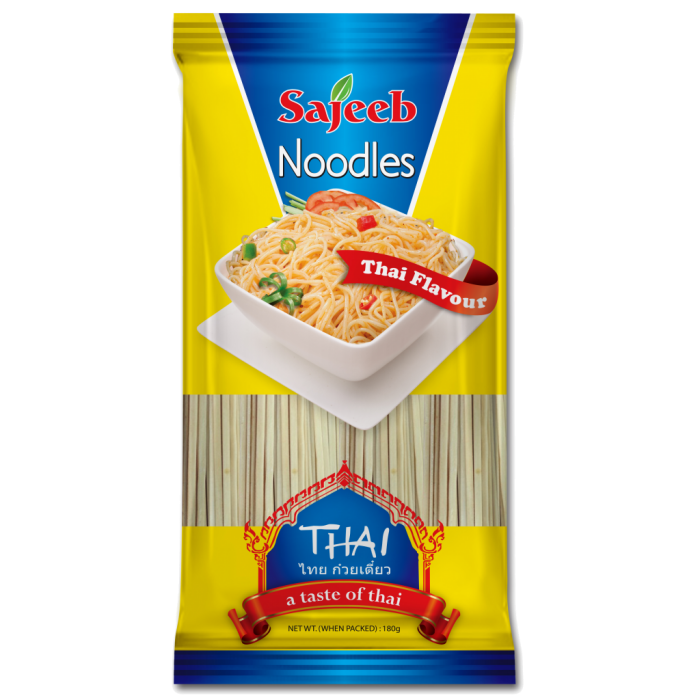
rice stick noodles
We don't have a description for this ingredient yet.
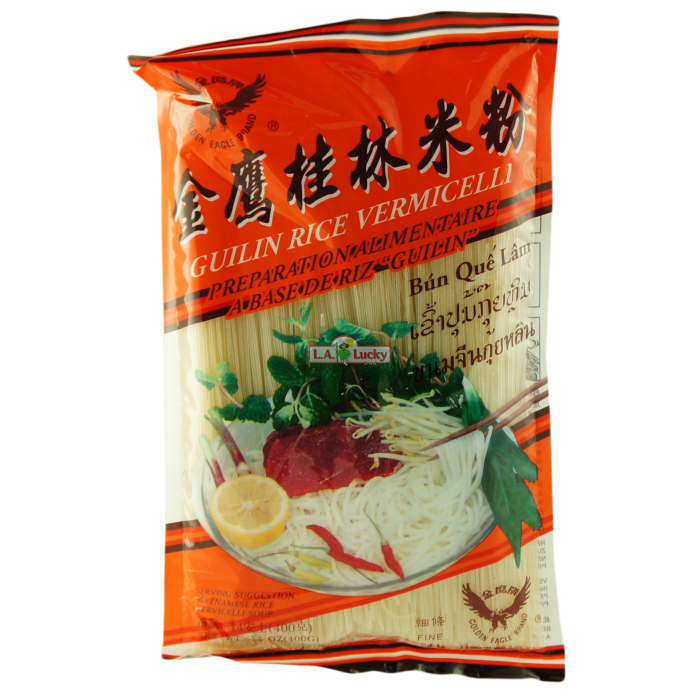
rice vermicelli
We don't have a description for this ingredient yet.
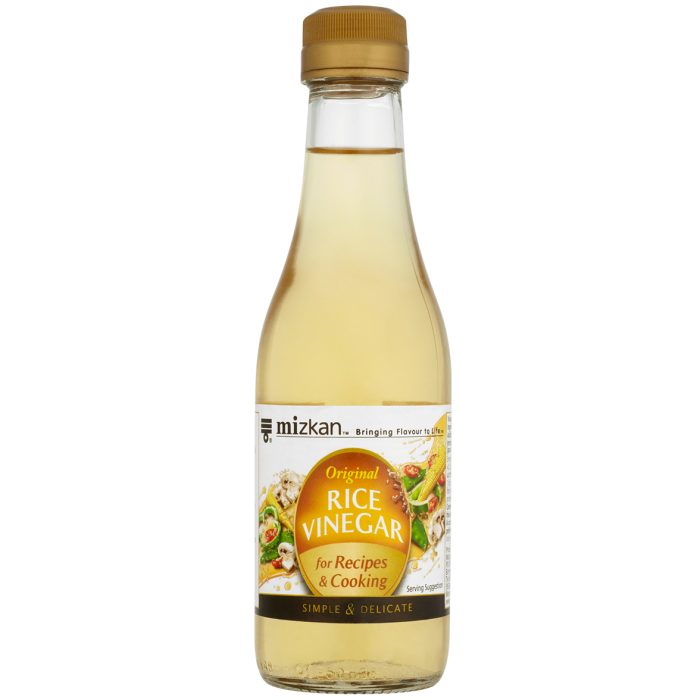
rice vinegar
Vinegar
Rice vinegar is a vinegar made from fermented rice in China, Japan, Korea, and Vietnam. Chinese rice vinegars are stronger than Japanese ones, and range in colour from clear to various shades of red, brown and black and are therefore known as rice wine vinegar. Chinese and especially Japanese vinegars are less acidic than the distilled Western vinegars which, for that reason, are not appropriate substitutes for rice vinegars. The majority of the Asian rice vinegar types are also more mild and sweet than vinegars typically used in the Western world, with black vinegars as a notable exception. Chinese rice vinegars are made from huangjiu, a type of rice wine.
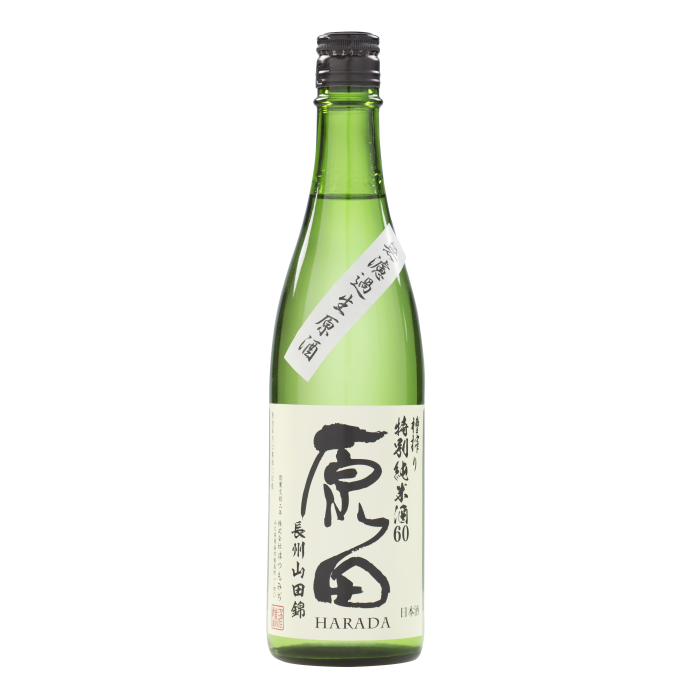
rice wine
Wine
Rice wine is an alcoholic beverage fermented and distilled from rice, traditionally consumed in East Asia, Southeast Asia and South Asia. Rice wine is made from the fermentation of rice starch that has been converted to sugars. Microbes are the source of the enzymes that convert the starches to sugar.[1] Rice wine typically has an alcohol content of 18–25% ABV. Rice wines are used in Asian gastronomy at formal dinners and banquets and in cooking. They are also used in a religious and ceremonial context.
ricotta
We don't have a description for this ingredient yet.
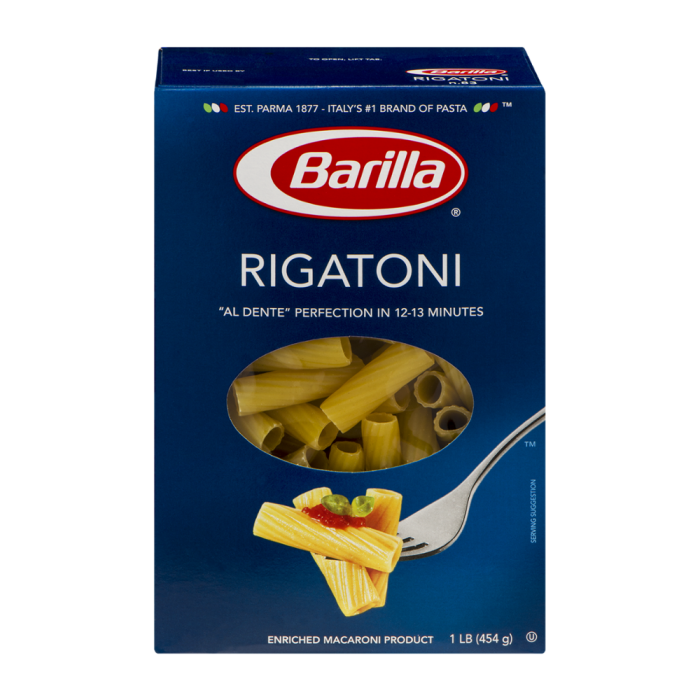
rigatoni
We don't have a description for this ingredient yet.
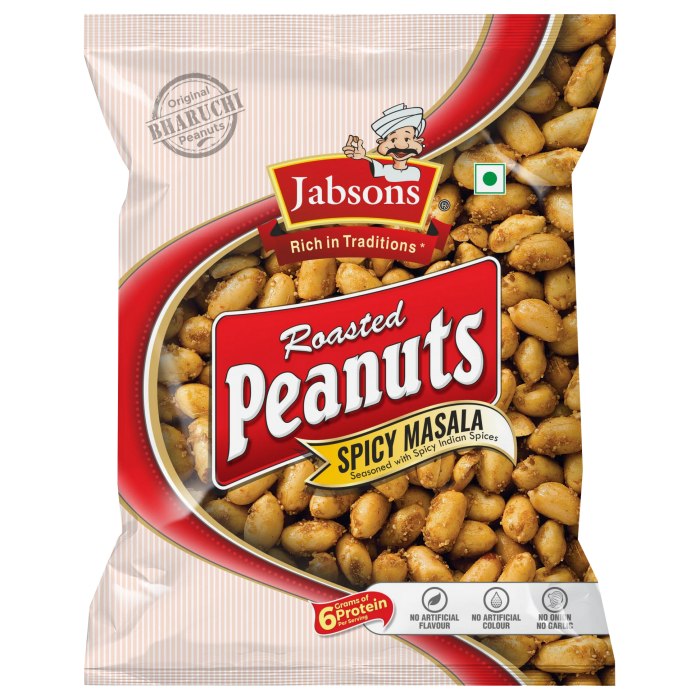
roasted peanut
Nut
A roasted peanut is a peanut that has been cooked with dry heat, either in an oven, using hot air, or in a pan, which intensifies its flavor and creates a crunchy texture. The roasting process can happen with or without the shell and is often done without oil or water. Roasting extends the shelf life of peanuts and is a popular method for preparing them as a snack, sometimes with added salt or seasonings.
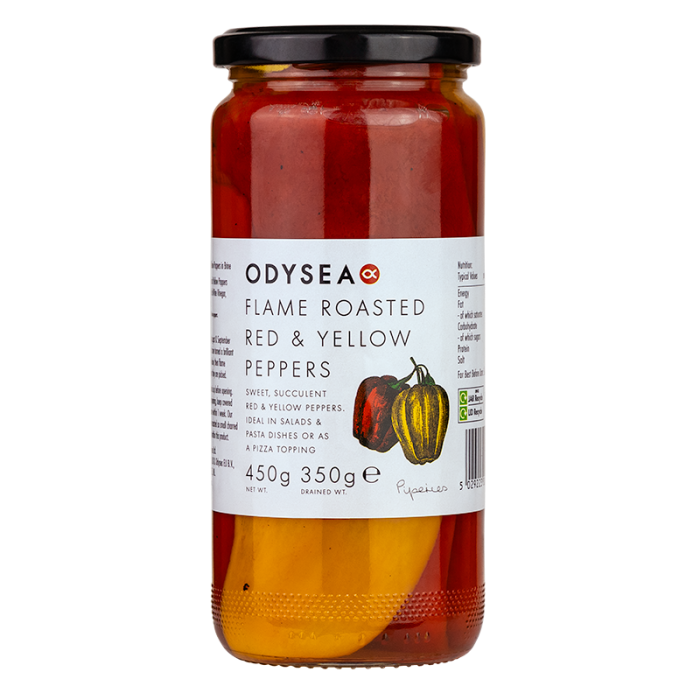
roasted pepper
Root Vegetable
Roasted pepper is a cooking method where bell peppers are cooked over high heat until the skin is blackened and blistered, making it easy to peel off and resulting in a soft, sweet, and smoky flesh. This process brings out the pepper's natural sweetness and can be done in an oven, under a broiler, on a grill, or even on a stovetop flame. How to roast peppers Prepare the peppers: Wash the peppers, then cut them in half lengthwise. Remove the stem, seeds, and white membranes.Roast:Oven/Broiler: Place the pepper halves skin-side down on a baking sheet. You can lightly oil them. Roast in a preheated oven (around (450^{circ }F)) or under the broiler until the skins are black and blistered.Grill: Place whole peppers on the grill over an open flame, turning frequently until charred on all sides.Steam: Place the hot peppers in a bowl, cover it with a lid or plastic wrap, and let them steam for about 15 minutes. This softens the skin, making it easier to peel.Peel: Once the peppers are cool enough to handle, peel off the charred skin. It should come off easily. Avoid rinsing them with water, as this will wash away some of the flavor.Serve or store: You can slice the roasted pepper flesh into strips and serve immediately with olive oil, salt, and other seasonings, or store them in an airtight container in the refrigerator for up to two weeks. Tips and uses Red bell peppers are the easiest to peel and sweetest for roasting, but you can use yellow or orange ones as well.Roasted peppers can be used in many dishes, such as in salads, pasta, sandwiches, or as a side dish.
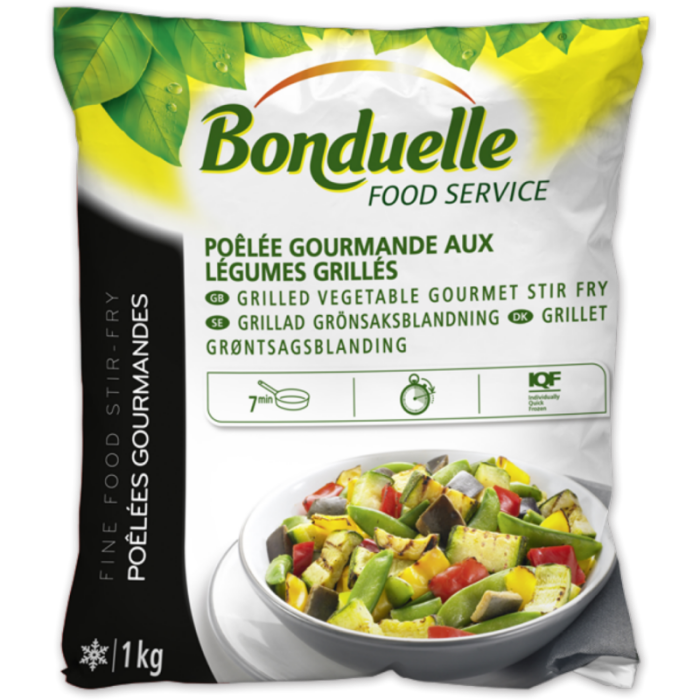
roasted vegetables
We don't have a description for this ingredient yet.
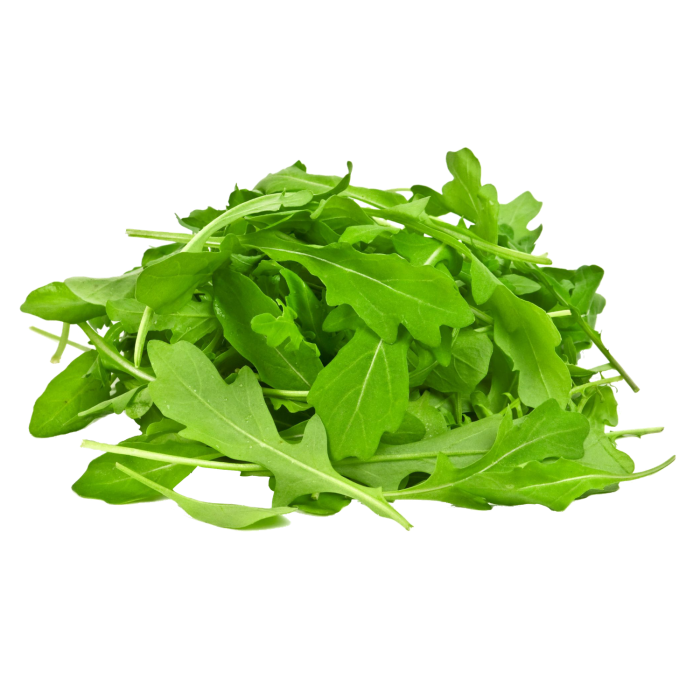
rocket
We don't have a description for this ingredient yet.
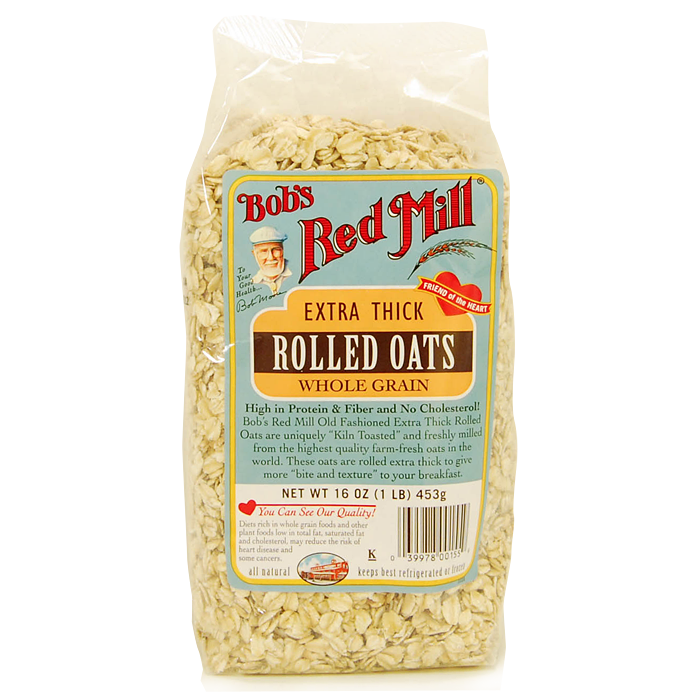
rolled oats
We don't have a description for this ingredient yet.
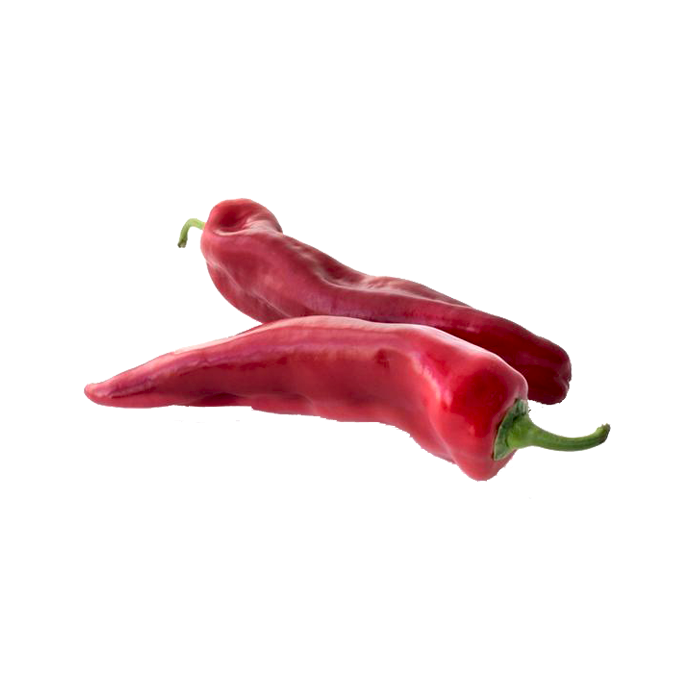
romano pepper
Root Vegetable
Romano peppers are a type of sweet, long, and tapering pepper that looks similar to a large chili but has a mild, sweet flavor like a bell pepper. They have a thin skin, which makes them ideal for roasting, and are very versatile, used raw in salads or as crudités, or cooked in stir-fries, sauces, and stews. Key characteristics Appearance: Long, slender, and pointed, often with a glossy red finish when ripe. Flavor: Sweet and mild, not spicy, with a flavor profile closer to bell peppers than to chili peppers. Texture: Crisp and juicy when raw, becoming soft and tender when cooked. Skin: Thin and smooth. Culinary uses Raw: Slice into strips for salads, wraps, or sandwiches, or serve as crudités with dips. Roasted: Roasting brings out their natural sweetness and can give them a smoky flavor. They can be roasted whole or in strips. Stuffed: The long shape is well-suited for stuffing with ingredients like rice, couscous, or cheese. Cooked: They are great for adding to stir-fries, soups, sauces, and stews.