Ingredients
Explore all the little things that make our recipes tasty.

pumpkin
We don't have a description for this ingredient yet.

purple sprouting broccoli
Root Vegetable
Purple sprouting broccoli is a variety of broccoli with a deep purple color and a sweet, nutty flavor that turns green when cooked. It features tender stems and leaves that are all edible, and unlike regular broccoli, it produces multiple slender spears over a long harvest period. This "cut-and-come-again" vegetable is rich in nutrients and can be prepared in various ways, including steaming, stir-frying, roasting, or boiling.

quinoa
Grain
Quinoa is a flowering plant in the amaranth family. It is an herbaceous annual plant grown as a crop primarily for its edible seeds; the seeds are rich in protein, dietary fiber, B vitamins, and dietary minerals in amounts greater than in many grains.

radish
Root Vegetable
A radish is a crunchy, peppery root vegetable in the mustard family that can be eaten raw or cooked. It grows underground and comes in various shapes and colors, including the common small red globe, long white daikon, and black radishes. Radishes are rich in vitamins and minerals, such as folate, vitamin C, and potassium.

rainbow trout
Fish
Rainbow trout ((Oncorhynchusmykiss)) is a species of freshwater fish native to North America, known for its silvery body, black spots, and a pink or reddish stripe along its sides. It is a popular game fish that eats insects, crustaceans, and small fish and has been introduced to many parts of the world, including the UK. Some populations are anadromous, meaning they migrate from the sea to freshwater to spawn and are called steelhead.

raisins
We don't have a description for this ingredient yet.

rapeseed oil
We don't have a description for this ingredient yet.

ras el hanout
Spice
Ras el hanout or rass el hanout (Arabic: راس الحانوت raʾs al-ḥānūt, pronounced [rɑʔs ælħɑːnuːt] (About this soundlisten)) is a spice mix found in varying forms in Tunisia, Algeria, and Morocco.[1] It plays a similar role in North African cuisine as garam masala does in Indian cuisine. The name in Arabic means "head of the shop" and implies a mixture of the best spices the seller has to offer. Ras el hanout is used in many savory dishes, sometimes rubbed on meat or fish, or stirred into couscous or rice. There is no definitive composition of spices that makes up ras el hanout. Each shop, company, or family may have their own blend. The mixture usually consists of over a dozen spices, in different proportions. Commonly used ingredients include cardamom, cumin, clove, cinnamon, nutmeg, mace, allspice, dry ginger, chili peppers, coriander seed, peppercorn, sweet and hot paprika, fenugreek, and dry turmeric. Some spices may be particular to the region, such as ash berries, chufa, grains of paradise, orris root, monk's pepper, cubebs, dried rosebud, fennel seed or aniseed, galangal, long pepper. Ingredients may be toasted before being ground or pounded in a mortar and mixed together. Some preparations include salt or sugar, but that is generally not the accepted practice. Garlic, saffron, nuts or dry herbs are generally not included, as they are usually added to dishes individually, but some commercial preparations, particularly in Europe and North America, may contain them. The composition of ras el hanout differs somewhat from the Baharat spice mix, but they differ more by the types of dishes they are associated with and by region rather than the ingredients in them. Although used by Berber people, it should not be confused with "berbere" spice mix from Ethiopia. Certain supposed aphrodisiacs, including the notoriously dangerous "green metallic beetles", cantharides, have appeared in many Moroccan prescriptions, but these seem to be irrelevant for flavouring purposes.

raspberries
We don't have a description for this ingredient yet.

raspberry jam
We don't have a description for this ingredient yet.

raw frozen prawns
Fish
Raw frozen prawns are prawns that have been caught and frozen while still raw, often within hours to lock in freshness. They can be sold either peeled and deveined, or with the shell on, and are a convenient and versatile option for cooking a wide variety of dishes. Characteristics Raw state: The prawns have not been cooked before being frozen. Frozen: They are preserved by freezing, often individually quick frozen (IQF) or packed with a protective ice glaze to maintain quality. Peeled and/or shell-on: They are available in different forms, such as peeled, headless, or with the shell on, for convenience and flavor. Pre-prepared: Some are sold pre-peeled and deveined, ready for immediate use after thawing. Freshness: Freezing them soon after catching helps to preserve their texture, flavor, and nutrients. Uses and cooking Versatile: Suitable for many recipes, such as curries, paellas, stir-fries, and grilled dishes. Thawing: For best results, it is recommended to defrost them in the refrigerator overnight before cooking. Cooking: They must be cooked thoroughly before serving and can be pan-fried, grilled, or added to sauces and stews.

raw king prawns
We don't have a description for this ingredient yet.

raw tiger prawns
Fish
Raw tiger prawns are a type of large, freshwater or marine crustacean that are sold uncooked, with a sweet flavor and firm texture. They are known for their characteristic stripes, which is where they get their name. These prawns are often sold whole, with the shell and head on, and are versatile in cooking, commonly being grilled, pan-fried, or added to dishes like stir-fries, curries, and paella. Appearance: When raw, they are typically blue-grey or translucent. Flavor and texture: They have a sweet and slightly nutty flavor with a firm, succulent texture. Variations: They can be bought with the head and shell on or peeled and deveined. Culinary uses: Raw tiger prawns are a great source of protein and are versatile. They can be marinated, grilled, sautéed, or used in many other cooked dishes. Preparation: They should be cooked briefly to prevent the flesh from becoming tough. Source: They are farmed or caught wild and are available from various sources.
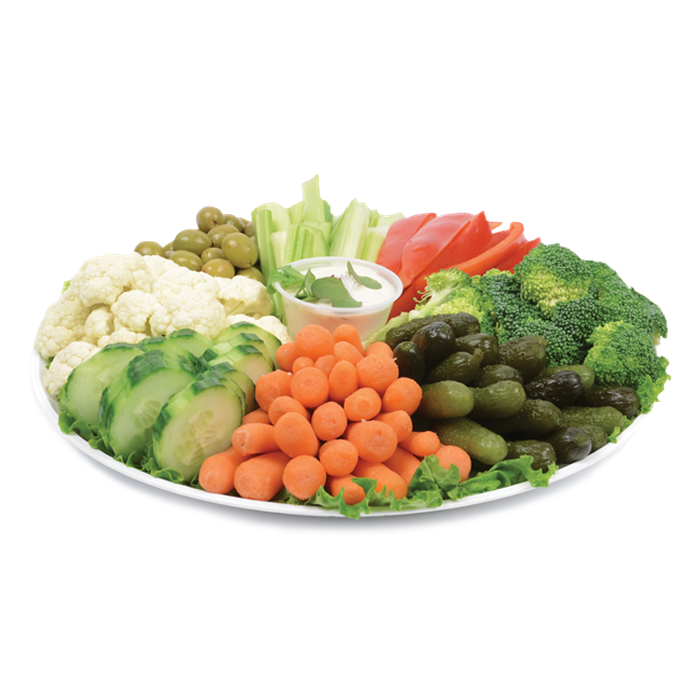
raw vegetables
Root Vegetable
Raw vegetables are plant-based foods that are consumed without being cooked. They retain their natural nutrients and enzymes, and include parts of herbaceous plants like roots, stems, leaves, and non-sweet fruits. While they are rich in fiber, vitamins, and minerals, some vegetables are not meant to be eaten raw, such as potatoes and eggplants. Examples of vegetables that can be eaten raw Root vegetables: Carrots, parsnips, beets, radishes Leafy greens: Lettuce, spinach, cabbage Fruits (used as vegetables): Tomatoes, bell peppers, cucumbers, zucchini Other: Broccoli, cauliflower, celery, peas, asparagus Benefits of eating raw vegetables Nutrient preservation: Cooking can diminish the levels of certain vitamins and antioxidants. Fiber content: Raw vegetables are rich in fiber, which supports gut health. Natural enzymes: They contain natural enzymes that are destroyed by heat. Things to consider Digestibility: Raw vegetables can be harder to digest for some people, especially those with sensitive digestive systems. Nutrient absorption: Cooking can actually make some nutrients more accessible and easier for the body to absorb. Safety: Some vegetables should never be eaten raw due to harmful compounds or bacteria. Examples include raw potatoes and eggplants, which contain toxins like solanine.

ready rolled shortcrust pastry
Pastry
Ready-rolled shortcrust pastry is a pre-made, uncooked sheet of shortcrust pastry that is thin and pliable, ready to use for baking without needing to be rolled out. It is a convenient option for quick and easy sweet or savory dishes like pies, tarts, quiches, and pasties, as it can be used straight from the pack. Key features Convenience: It is pre-rolled, eliminating the need for a rolling pin and saving preparation time. Form: It typically comes as a flat sheet in a chilled or frozen block. Versatility: It is used for both sweet and savory recipes, including pies, tarts, and quiches. Texture: It is designed to produce a flaky and crumbly pastry when baked. Preparation: Some versions come with their own baking paper to make it even easier to use. Common uses Topping for pies and quiches Lining for tart cases Wrapping for pasties Base for sweet treats like jam tarts For dishes with savory fillings, such as sausage rolls

red cabbage
Root Vegetable
Sweet and Sour German Red Cabbage RecipeRed cabbage, also known as purple cabbage, is a variety of cabbage in the brassica family with deep red or purple leaves. It has a peppery, earthy flavor when raw that becomes milder and sweeter when cooked. It is a nutritious, low-calorie vegetable rich in vitamins C, K, and B6, and is also a good source of antioxidants, fiber, and potassium.

red chilli
We don't have a description for this ingredient yet.

red chilli flakes
We don't have a description for this ingredient yet.

red chilli powder
We don't have a description for this ingredient yet.

red onions
We don't have a description for this ingredient yet.

red pepper
We don't have a description for this ingredient yet.

red pepper flakes
We don't have a description for this ingredient yet.

red pepper paste
Sauce
Red pepper paste is a condiment made from cooked and dehydrated red peppers, often a fundamental ingredient in cuisines like Turkish, Armenian, and Portuguese. It can be sweet or spicy, depending on the type of peppers used, and its consistency is similar to tomato paste. It adds depth and a rich color to dishes such as stews, sauces, marinades, and dips like muhammara.

red potatoes
Root Vegetable
Red potatoes are a type of waxy potato with thin, red skin and white or off-white flesh that hold their shape well when cooked. Due to their waxy texture, they are excellent for boiling, roasting, and using in salads or soups, as they do not become mealy or mushy. Common varieties include Red Bliss and Adirondack Red, and they are often left unpeeled for added texture and color. Key characteristics Texture: Waxy, not starchy, which helps them hold their shape during cooking. Skin: Thin and red, which can be left on for extra color, texture, and nutrients. Flesh: Typically white or off-white, though some varieties like Adirondack Red have pinkish-hued flesh. Uses: Ideal for salads, roasting, boiling, and soups because of their firm texture. Cooking and preparation Washing: It is recommended to wash them thoroughly but leave the skin on. Best for: Salads, roasted potatoes, boiled potatoes, and in soups and stews. Not ideal for: Mashing (though some still do it, leaving the skins on for a rustic texture) or getting them very crispy.