Ingredients
Explore all the little things that make our recipes tasty.

plum sauce
Sauce
Plum sauce is a sweet and sour condiment, traditionally used in Cantonese cuisine, made from plums, sugar, vinegar, and spices like ginger and chili. It is a versatile sauce used as a dip for fried foods, a glaze for roasted meats, or a sauce for stir-fries. What it is Flavor Profile: It has a complex, sweet, and tangy flavor that balances the palate. Ingredients: The core ingredients are sweet plums, sugar, vinegar, and salt. Recipes often add ginger, chili peppers, and other spices or fruits like apple, peach, or apricot. Appearance: It is a viscous, light-brown sauce. How it's used Dipping Sauce: It's a classic dip for fried dishes like spring rolls, egg rolls, and deep-fried chicken balls. Glaze or Basting Sauce: It can be used to coat and flavor roasted meats such as duck, pork, or chicken. Stir-fry Sauce: It can be an ingredient in stir-fries or other cooked dishes. Other Uses: It can also be drizzled over noodles, rice, or used as a dressing for salads. What it's not Not Hoisin Sauce: Plum sauce is not the same as hoisin sauce. Hoisin is much darker, more savory, and has a fermented soybean base, whereas plum sauce is lighter in color and fruitier.
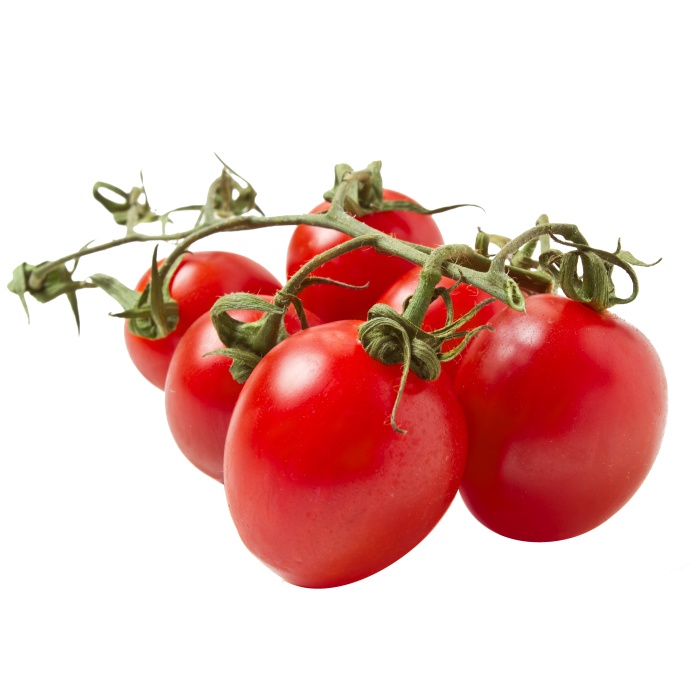
plum tomatoes
We don't have a description for this ingredient yet.
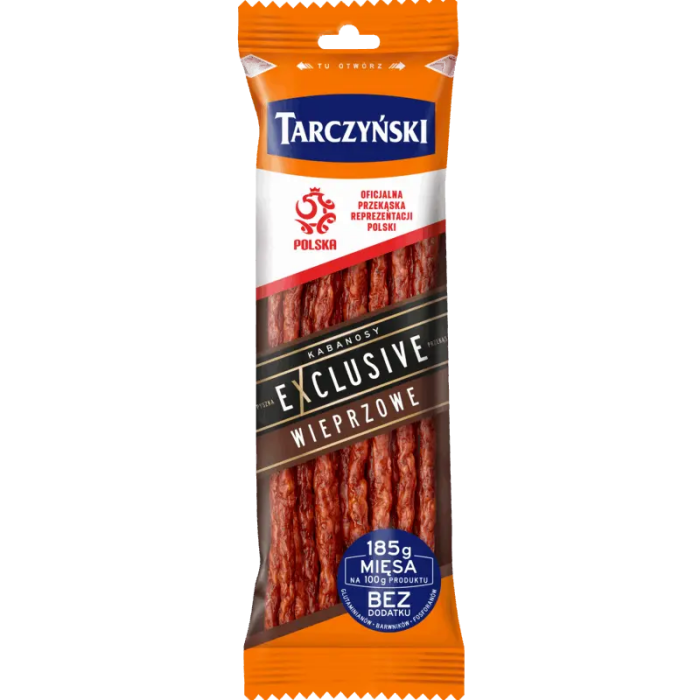
polish kabanos
Meat
Polish kabanos is a long, thin, and dry pork sausage known for its smoky flavor, which is intensified through air-drying and smoking. It is a popular and high-protein snack that can be enjoyed on its own or with other foods like mustard, cheese, or crackers. The name is derived from the Polish word for young pigs, "kabanek". Characteristics: Kabanos are long and slender sausages that are typically smoked and air-dried to create a concentrated, savory flavor. The texture can range from soft to very dry depending on the brand and freshness. Ingredients: They are made primarily from pork, though some varieties may include other ingredients like chicken, starch, and spices. Preparation: The drying and smoking process gives kabanos its distinctive taste and makes it a shelf-stable product. Serving: Kabanos can be eaten as a quick, portable, and high-protein snack on its own, or they can be served with mustard, cheese, bread, or pickles.

pomegranate
Fruit
A pomegranate is an ancient, round, fruit-bearing shrub with a hard, shiny red-yellow skin that contains hundreds of edible, ruby-red seeds called arils. Native to the region from modern-day Iran to northern India, this fruit is a good source of vitamins, minerals, and antioxidants, and its juice can be used in cooking and beverages. The seeds have a juicy, sweet-tart flavor and are often eaten raw or juiced, while the skin and pith are typically inedible. About pomegranates Description: Pomegranates are technically berries, with a fleshy, leathery skin and hundreds of jewel-like seeds inside.Origin: The fruit is native to the region spanning from Iran to northern India, with ancient civilizations using it for both food and medicine.Consumption: The juicy arils can be eaten raw, used to add flavor and texture to salads and desserts, or juiced. The juice is known for its tart flavor and staining properties. The outer skin and the white pith inside are not typically eaten, notes Medical News Today.Health benefits: Pomegranates are rich in antioxidants and vitamins, such as vitamin C, and may help protect against certain diseases and improve exercise endurance.Nutritional value: An 80g serving provides approximately (41) calories, (9.4)g of carbohydrates, (3.6)g of fiber, and $192$mg of potassium.Cultural significance: Pomegranates have been part of myths and religious traditions for thousands of years. The name "pomegranate" comes from the Latin for "seeded apple" and can be found in various historical and cultural narratives.
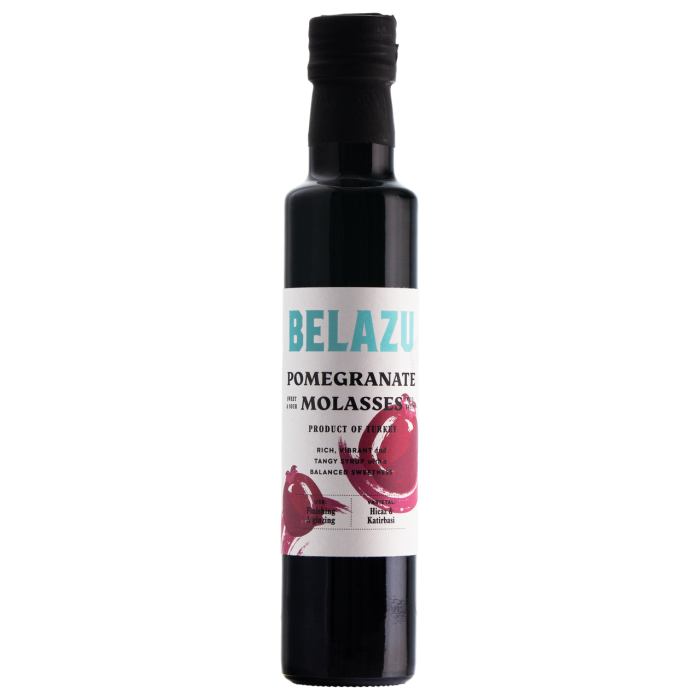
pomegranate molasses
Sauce
Pomegranate molasses is a thick, dark syrup made by reducing pomegranate juice, often with added sugar and lemon juice for preservation and flavor balance. It is a staple in Middle Eastern, Mediterranean, and African cuisines, used to add a tangy, sweet-sour flavor to both savory and sweet dishes like marinades, dressings, stews, and roasted meats. What it is A concentrated syrup: Pomegranate molasses is simply pomegranate juice that has been simmered and reduced until it becomes a thick, syrupy consistency. A condiment, not a sweetener: Despite the name "molasses," it is a tangy condiment, not a sugary sweetener like sugar cane molasses. A balanced flavor profile: It has a distinct sweet and sour taste that provides depth and complexity to dishes. How it's made Simple reduction: The most traditional versions are made with only pomegranate juice, relying on natural sugars to thicken the syrup. With added ingredients: Sugar is sometimes added to help the reduction process, balance the tartness, and act as a preservative. Lemon juice is also frequently added for extra shelf life and acidity. How to use it In savory dishes: Use it in marinades for chicken or meat, add it to stews, or drizzle it over roasted vegetables. In salads: Incorporate it into salad dressings to give them a tangy kick. For dips and spreads: It is a key ingredient in dips like muhammara and is delicious drizzled over hummus. In drinks: It can be used to add a unique flavor to cocktails and mocktails.
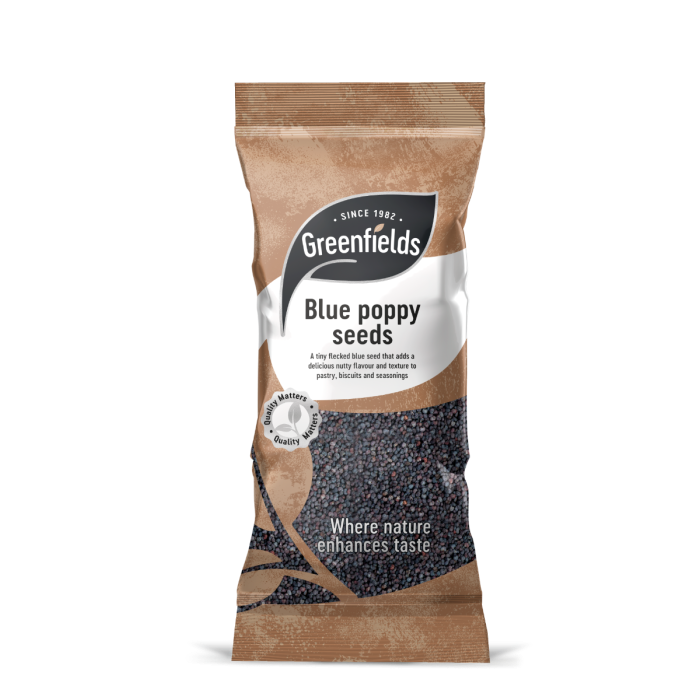
poppy seeds
Legume
Poppy seeds are tiny, kidney-shaped oilseeds from the Papaver somniferum poppy plant, used whole or ground in cooking for thousands of years, especially in Central Europe and South Asia. They are also pressed to create poppyseed oil. While Papaver somniferum is also the source of opium for the pharmaceutical industry, many varieties have been specifically bred to be low in opium content, making the seeds safe for culinary use.
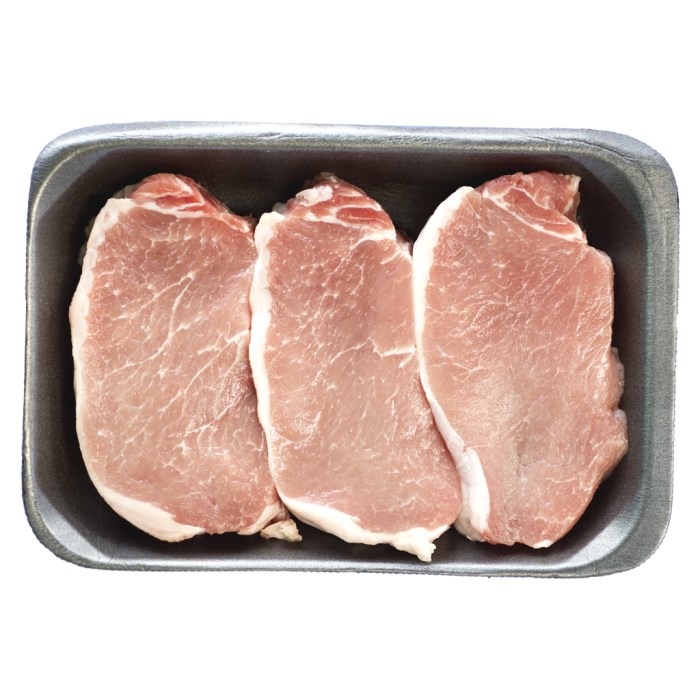
pork
Pork is the culinary name for the flesh of a domestic pig (Sus scrofa domesticus). It is the most commonly consumed meat worldwide,[1] with evidence of pig husbandry dating back to 5000 BC. Pork is eaten both freshly cooked and preserved. Curing extends the shelf life of the pork products. Ham, smoked pork, gammon, bacon and sausage are examples of preserved pork. Charcuterie is the branch of cooking devoted to prepared meat products, many from pork. Pig is the most popular meat in the Eastern and non-Muslim parts of Southeastern Asia (Indochina, Philippines, Singapore, East Timor) and is also very common in the Western world, especially in Central Europe. It is highly prized in Asian cuisines for its fat content and pleasant texture. Consumption of pork is forbidden by Jewish, Muslim and Rastafarian dietary law, for religious reasons, with several suggested possible causes.
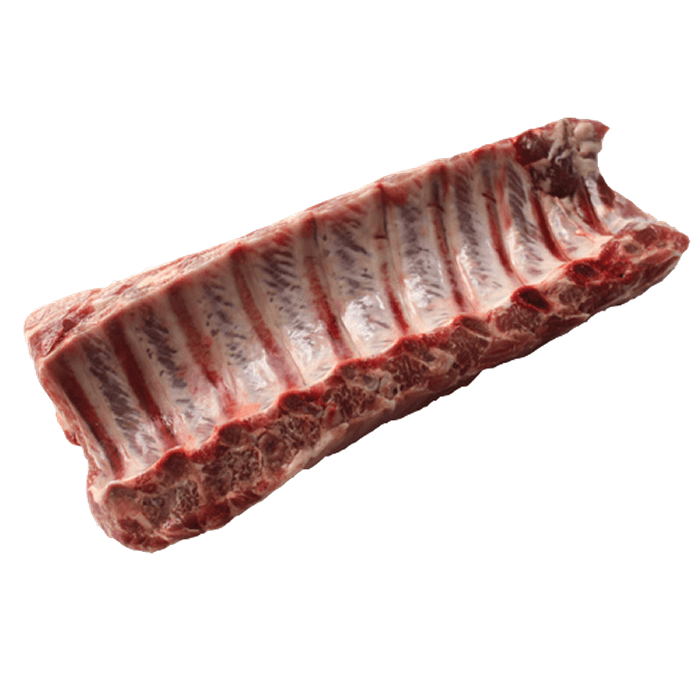
pork back ribs
Meat
Baby Back Ribs | Pork Loin Ribs | The Village ButchersPork back ribs, also known as baby back ribs, are a cut from the top of the pig's rib cage, near the spine, after the loin has been removed. They are known for being leaner and more tender than spare ribs and have a curved shape. This cut is highly prized for its flavor and tenderness, often prepared with slow cooking methods to make the meat juicy and tender.
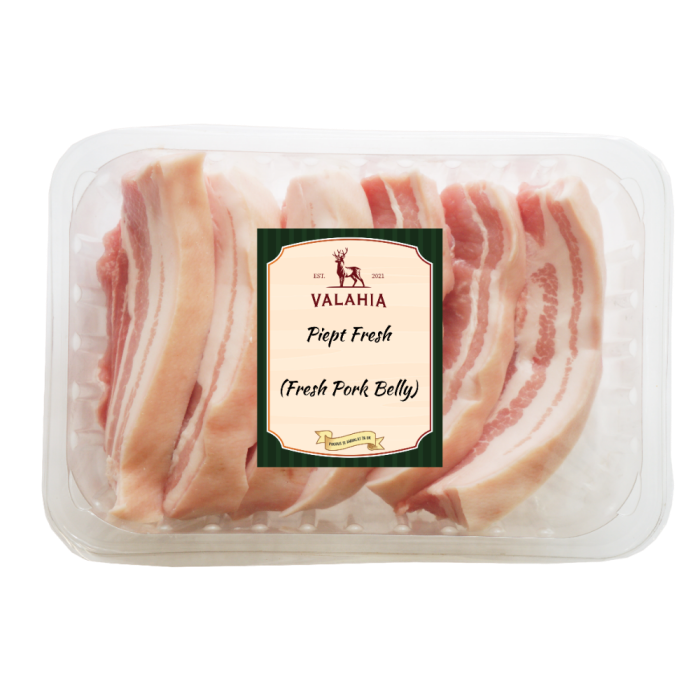
pork belly slices
Meat
Pork belly slices are cuts of pork from the belly, which are known for being fatty, rich, and flavorful. They are popular in many cuisines, like Korean barbecue, and can be prepared in various ways, such as grilling, frying, slow-roasting, or air-frying, often to achieve crispy crackling on the outside and tender meat on the inside. The slices are essentially the same cut of meat used for bacon, but are uncured and unsmoked. What they are Cut: Slices taken from the underside of the pig, which contains a high amount of fat and meat. Characteristics: Rich in flavor, succulent, and can become very crispy when cooked properly. Flavor Profile: Very rich and "porky". How they are cooked Grilling/Pan-frying: Often cooked to render the fat and create a crispy exterior. Slow-roasting: Can be slow-roasted to tenderize the meat, leaving it stringy and flavorful. Air-frying: Can be cooked in an air fryer to achieve crispy results. Braising: Can be braised with other ingredients for a rich, tender dish. Serving suggestions Appetizer or main course: Serve on their own, or with side dishes like arugula salad, steamed asparagus, or sautéed spinach. With breakfast/brunch: Pair with eggs, fresh berries, or keto biscuits. In dishes: Used in recipes like Chinese, Korean, or Philippine dishes. Toppings: Can be used in sandwiches, like with mustard and greens. Accompaniments: Often served with wrap vegetables like lettuce and perilla leaves, along with a dipping sauce in Korean barbecue.
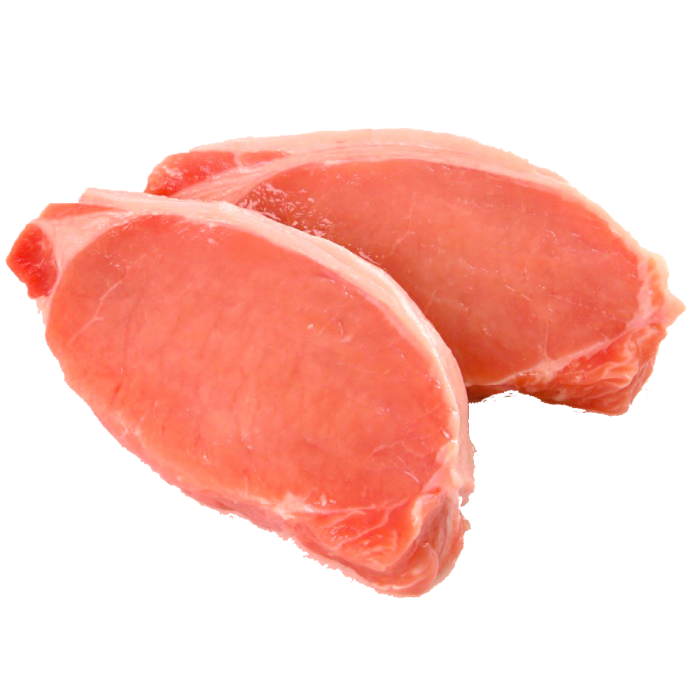
pork chops
Meat
A pork chop, like other meat chops, is a loin cut taken perpendicular to the spine of the pig and usually containing a rib or part of a vertebra. Pork chops are not processed and are leaner than other cuts of pork. Chops are commonly served as an individual portion.
pork knuckle
Meat
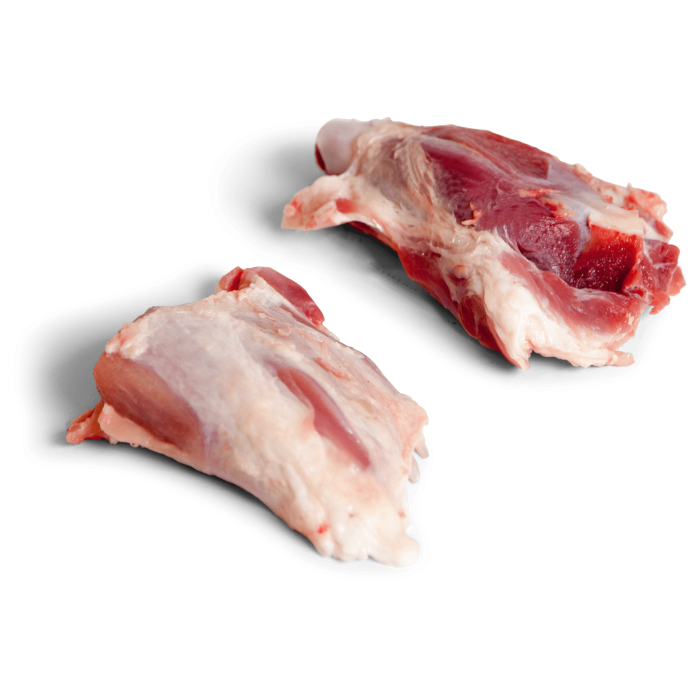
Pork knuckle, also known as ham hock or pork shank, is a cut of meat from the joint at the end of a pig's leg, just above the foot. It's a tough but flavorful cut that contains a lot of skin, tendons, and connective tissue, making it ideal for slow cooking methods like braising or roasting, which tenderize the meat until it is fall-off-the-bone tender. It is a key ingredient in dishes like the German Schweinshaxe and is also used in soups and stews. What it is Location: It is the joint that connects the pig's leg to its foot (trotter). Characteristics: It is a tough cut with a lot of skin, fat, and connective tissue that requires long cooking times to become tender. Names: It is known by several names, including pork knuckle, ham hock, pork shank, and pig knuckle. Variations: Knuckles from the front legs are generally smaller and often smoked to make ham hocks for soups, while the larger, meatier knuckles from the rear legs are used for dishes like roasted Schweinshaxe. How to cook it Slow and low: Because of its toughness, pork knuckle is best cooked with long, slow methods like stewing, braising, or slow-roasting. Flavor: It adds a rich flavor to dishes, especially when cooked with greens, beans, and other vegetables. Common dishes: German Schweinshaxe: A roasted or boiled knuckle often served with sauerkraut and potatoes. Soups and stews: Added to dishes like split pea soup for a savory, hearty flavor. Hearty stews: Used in many hearty, slow-cooked stews. Nutritional benefits High in protein: Supports muscle growth and repair. Rich in collagen: Breaks down into gelatin during cooking, which is beneficial for joint health. Contains B vitamins: Essential for energy metabolism and nervous system health.

pork shoulder
Meat
Pork shoulder is a cut of meat from the pig's shoulder area, known for being flavorful but tough, making it ideal for slow, low-heat cooking methods like braising, smoking, and stewing. When cooked properly, its connective tissues break down, resulting in tender, juicy, and shreddable meat, often used for dishes like pulled pork. It is also referred to as "picnic roast" or "Boston butt" and is sold bone-in or boneless. Characteristics Location: Comes from the forequarter of the pig, above the front leg. Composition: A well-worked muscle that is rich in fat and connective tissue. Flavor: Has a pronounced pork flavor due to its fat content. Texture: Initially tough, but becomes very tender and succulent after slow cooking. Cooking and uses Ideal cooking methods: Braising, slow-roasting, smoking, and stewing are best because they break down the collagen and fat over time. Popular dishes: Pulled pork, stews, and ground pork are common uses. Roasting tip: If roasting, it is best to cover it and add liquid to the pan for most of the cooking time to keep it moist. Variations and terms Pork Butt (or Boston Butt): This cut is technically from the upper part of the shoulder but is often considered a separate cut. It tends to have more marbling and is a favorite for competition-level pulled pork, notes True Bites Family Butchers and Reddit users.
pork shoulder steaks
Meat
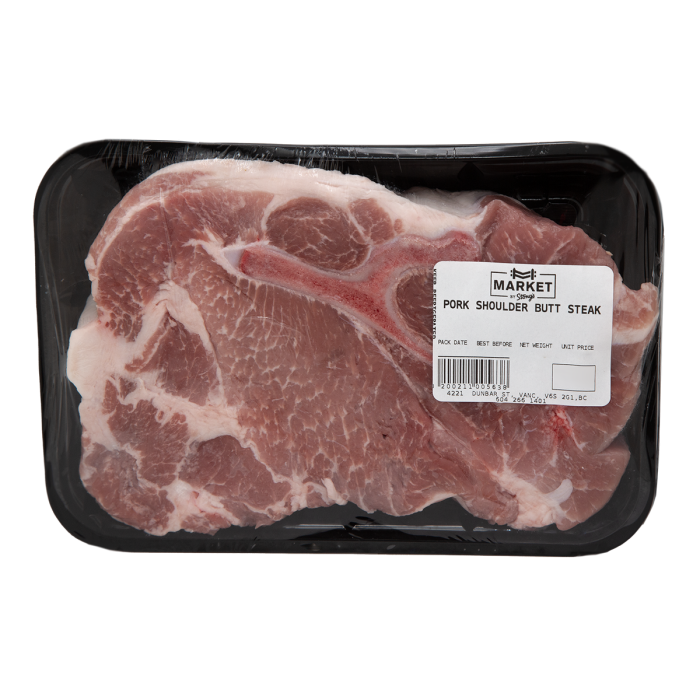
Pork shoulder steaks, also known as pork blade steaks or Boston butt steaks, are cuts from the fatty and flavorful shoulder of the pig. Though they come from a tougher part of the animal, they have a high fat content and excellent marbling, which yields a succulent, juicy result when cooked. The defining characteristics of a pork shoulder steak are: Juicy and well-marbled: The ample fat melts during cooking, which helps keep the meat moist and flavorful. Affordable: They are a cheaper alternative to leaner, more expensive cuts like pork chops. Versatile: While a quick pan-fry or grill is possible, the cut's connective tissue often benefits from longer, slower cooking methods. Common names This cut is sold under several names, which can vary by region: Pork blade steak Boston butt steak Pork butt steak Pork steaks (especially in the Midwest U.S.) Cooking methods While some cuts of pork require quick, high-heat cooking to prevent drying out, pork shoulder steaks are forgiving and can be prepared in many ways: Grilling: A simple yet effective method. Simply season, cook for 6–8 minutes per side on a medium-high grill, and let the steaks rest before serving. Pan-frying: This is ideal for a quick, flavorful meal. Season the steaks and fry them for about 6–7 minutes per side in a hot, heavy-bottomed pan. Braised/Slow-cooked: For the most tender results, braise or slow-cook the steaks in a flavorful liquid, like barbecue sauce. The low, slow heat will break down the collagen, making the meat incredibly succulent. Smoking: As the cut is often used for pulled pork, smoking pork shoulder steaks is a popular barbecue technique that infuses the meat with smoky flavor.
pork tenderloin
Meat
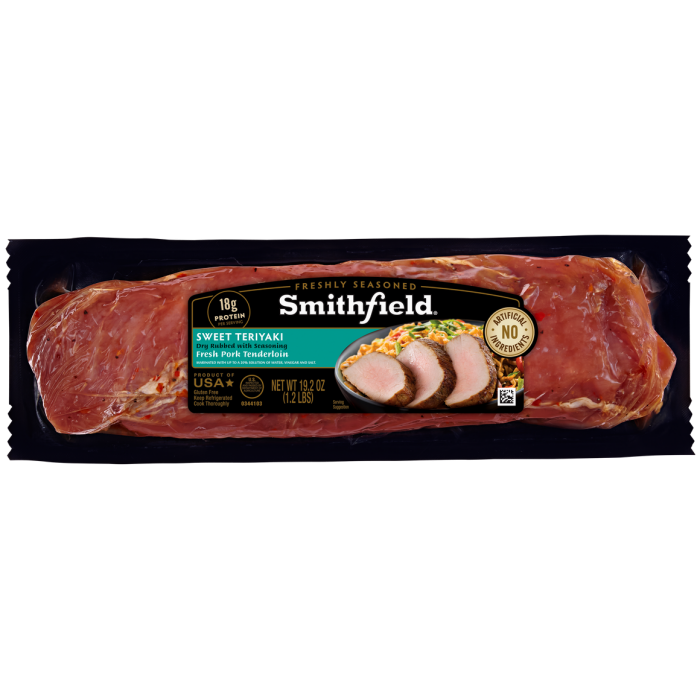
Pork tenderloin, also called pork fillet, is a long, thin, and boneless cut from the loin of the pig that is very lean and tender because it comes from a muscle that isn't used for movement. It is similar to a beef filet mignon in its tenderness but has less fat, so it can become dry if overcooked. It can be roasted whole, sliced into medallions, or cut into strips for dishes like stir-fries. What it is An anatomy breakdown: It is the psoas major muscle that runs along the inside of the pig's spine, next to the backbone. A lean cut: It is one of the leanest cuts of pork available and has very little fat. Similar to beef filet: It is the cut most comparable to a beef tenderloin or filet mignon. Cooking considerations Be careful not to overcook: Due to its low fat content, it can dry out easily. It's best to cook it until it's just done. Remove the silverskin: A thin, shiny membrane called silverskin should be removed before cooking. Versatile preparation: It can be cooked whole, pounded into a thinner cut, sliced into medallions for steaks, or cut into strips for stir-fries. How it differs from pork loin Size and shape: Tenderloin is long and narrow, while pork loin is wider and flatter. Location: Tenderloin comes from inside the rib cage, whereas the loin is the larger back muscle.
porridge oats
Cereal
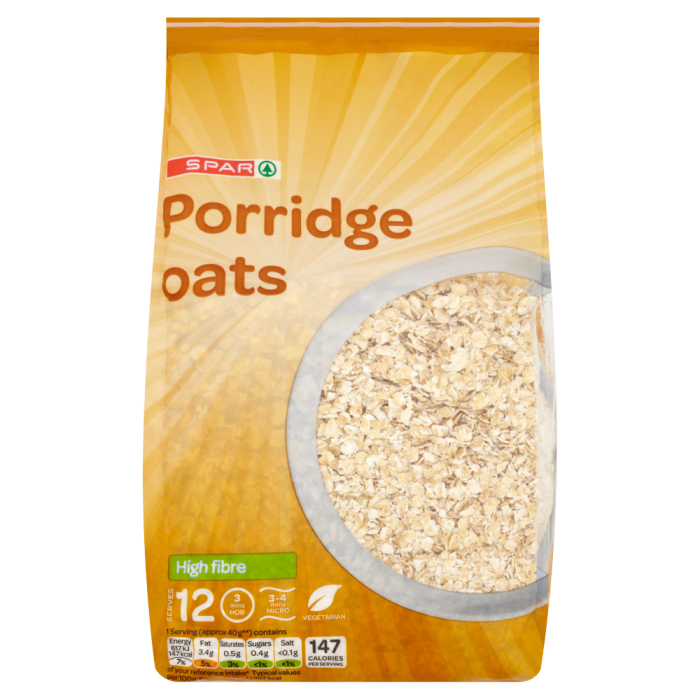
"Porridge oats" are simply rolled or flattened whole oat grains, which are commonly cooked with water or milk to make a hot, creamy breakfast cereal also called porridge. The term "porridge oats" refers to the specific type of oat flake used for this dish, and they are a versatile ingredient used in other baked goods as well. What it is Rolled oats: Porridge oats are typically "rolled oats," which are whole grains that have been steamed and then flattened into flakes. This process makes them quick-cooking and smooth when boiled. Versatile grain: While ideal for porridge, these oats are also used in recipes for muesli, biscuits, cakes, and cereal bars. How it's made The base: The basic recipe involves simmering porridge oats with milk or water until they thicken and become creamy. Cooking time: Depending on the type of oat, it can take as little as 5 minutes with quick-cooking oats or 10 minutes with rolled oats. Customization: You can add various toppings to sweeten or enhance the dish, such as fruit, honey, nuts, or sugar.
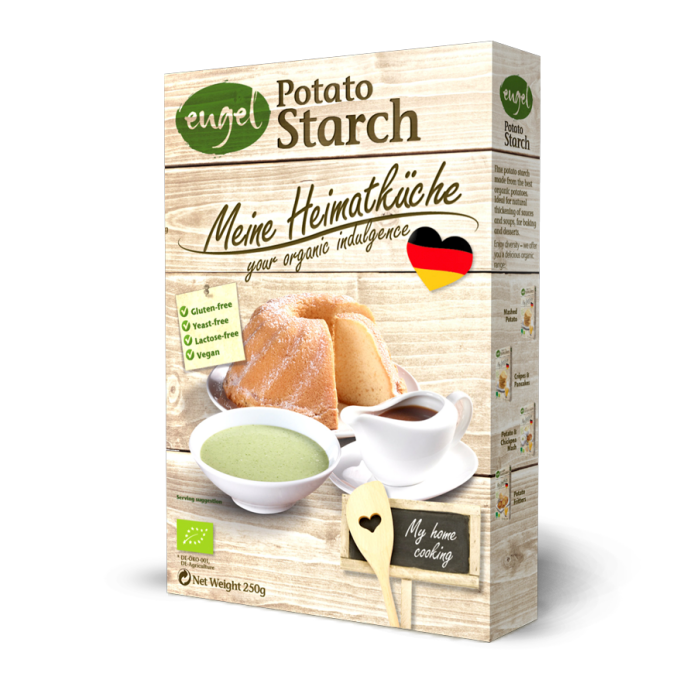
potato starch
We don't have a description for this ingredient yet.
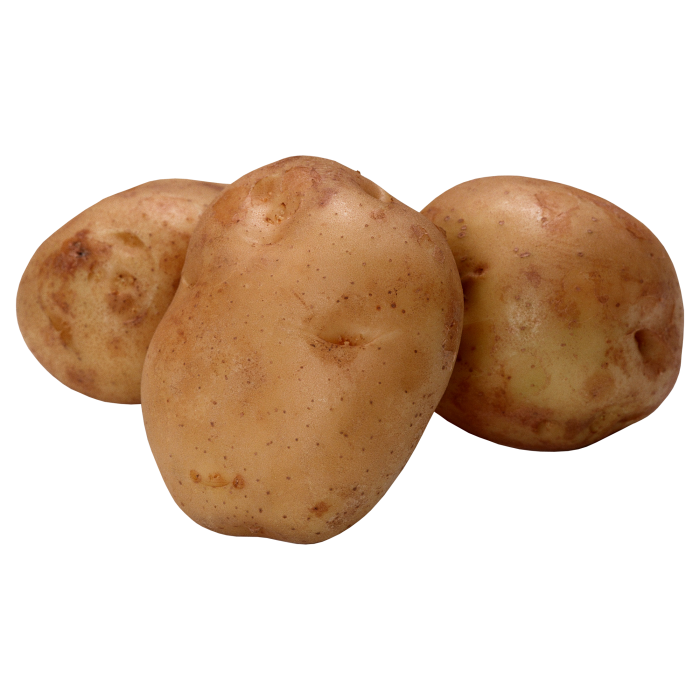
potatoes
We don't have a description for this ingredient yet.
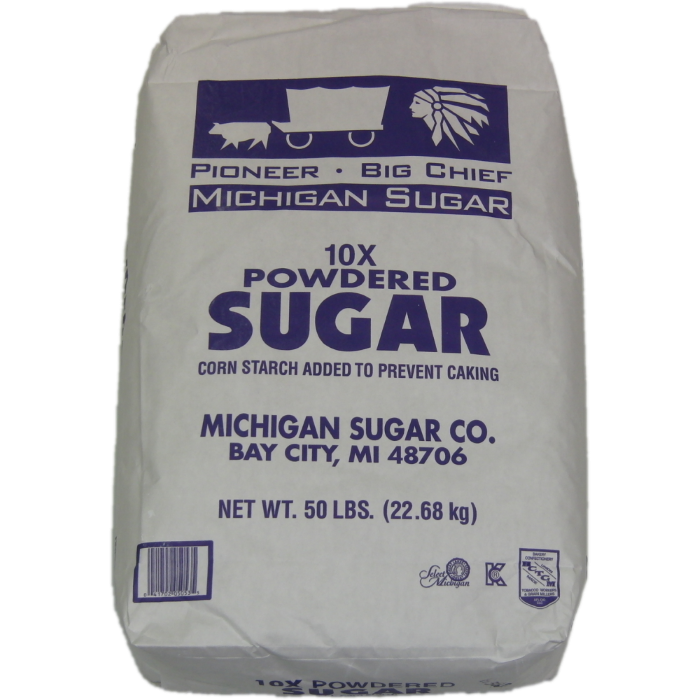
powdered sugar
Sugar
Powdered sugar, also called confectioners' sugar or icing sugar, is a finely ground sugar produced by milling granulated sugar into a powdered state. It usually contains a small amount of anti-caking agent to prevent clumping and improve flow
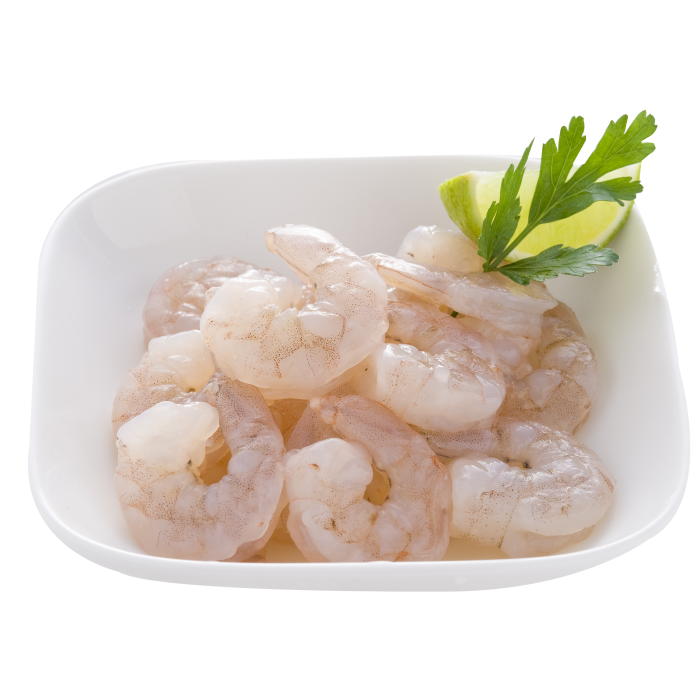
prawns
We don't have a description for this ingredient yet.

pretzels
We don't have a description for this ingredient yet.
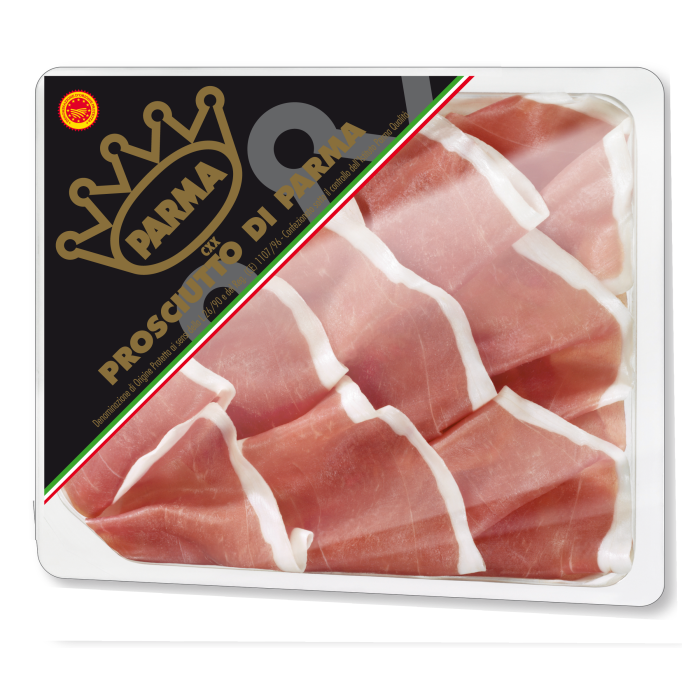
prosciutto
We don't have a description for this ingredient yet.
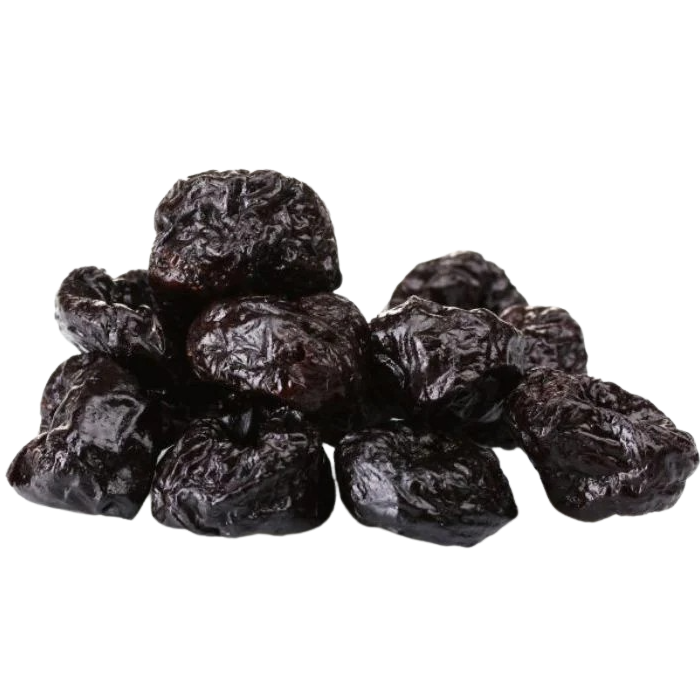
prunes
Fruit
A prune is a dried plum, most commonly from the European plum. Not all plum species or varieties can be dried into prunes. A prune is the firm-fleshed fruit (plum) of Prunus domestica varieties that have a high soluble solids content, and do not ferment during drying. Use of the term "prune" for fresh plums is obsolete except when applied to varieties of plum grown for drying.
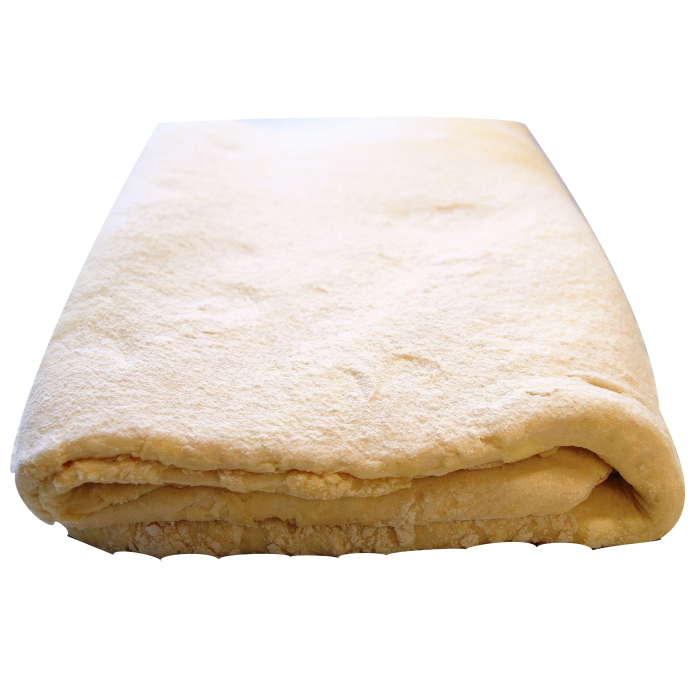
puff pastry
Pastry
We don't have a description for this ingredient yet.
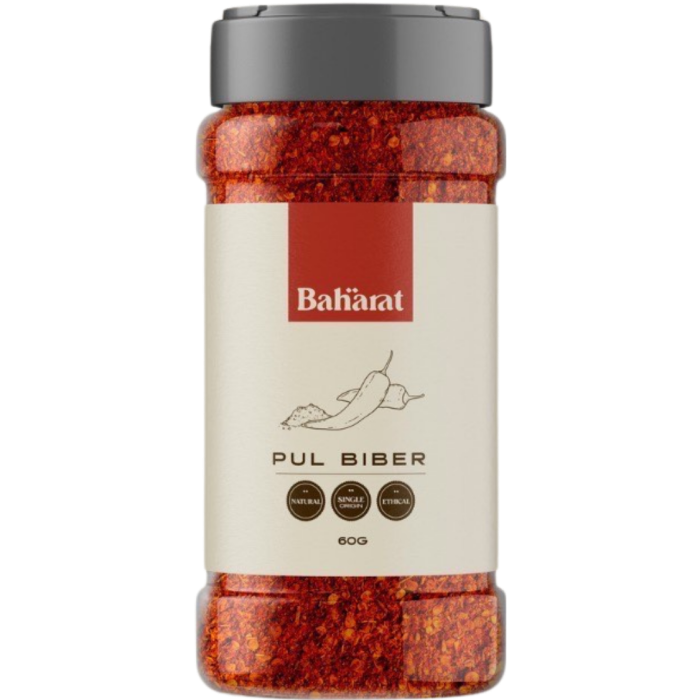
pul biber
Root Vegetable
Aleppo Chilli Flakes | Pul Biber - Agora MarketPul biber is a coarsely ground chili pepper, also known as Aleppo pepper, with a mild, fruity heat and a slightly tangy, cumin-like flavor. It is a popular condiment in Turkish and Syrian cuisine, named after the city of Aleppo, and is used to add warmth and depth to dishes like kebabs, salads, and stews. What it is Type: A semi-dried, coarsely ground, rust-red pepper. Flavor: Mild heat with a fruity, tangy flavor and subtle cumin undertones. Origin: Primarily grown in Syria and Turkey. How to use it Sprinkle over dishes like doner kebabs, roasted meats, vegetables, and eggs. Incorporate into marinades for grilled meats, fish, or chicken. Add to soups, stews, dips (like yogurt or sour cream), and dressings. Use as a finishing touch for dishes like hummus or rice. Substitutes If you can't find pul biber, you can substitute it with ancho chili or a combination of sweet paprika and cayenne pepper.