Ingredients
Explore all the little things that make our recipes tasty.

minced beef
We don't have a description for this ingredient yet.
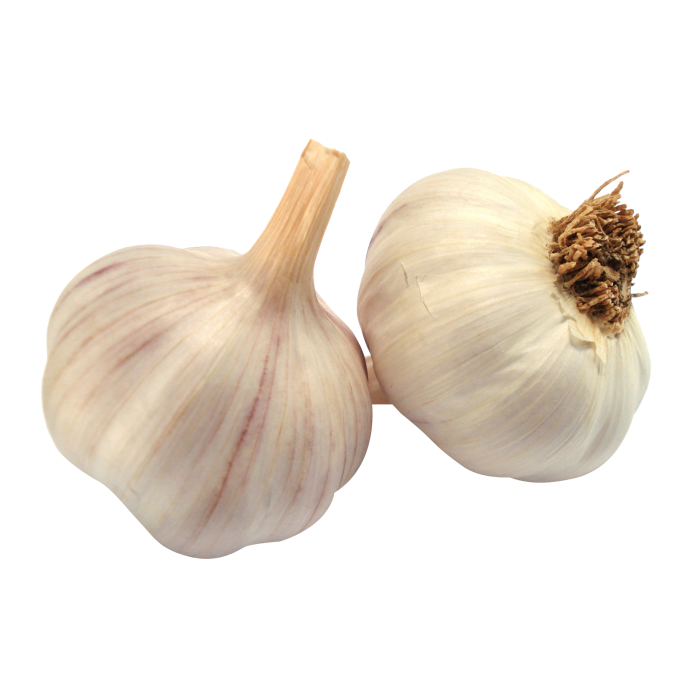
minced garlic
We don't have a description for this ingredient yet.
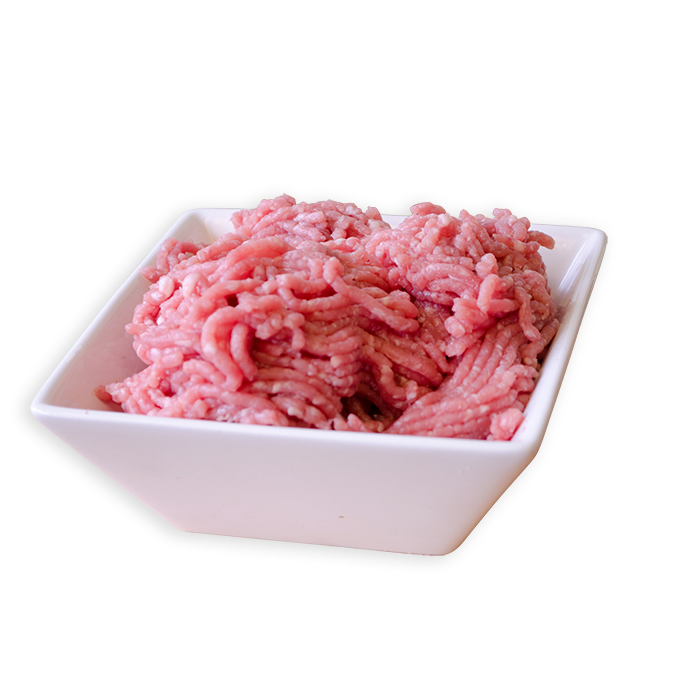
minced pork
We don't have a description for this ingredient yet.
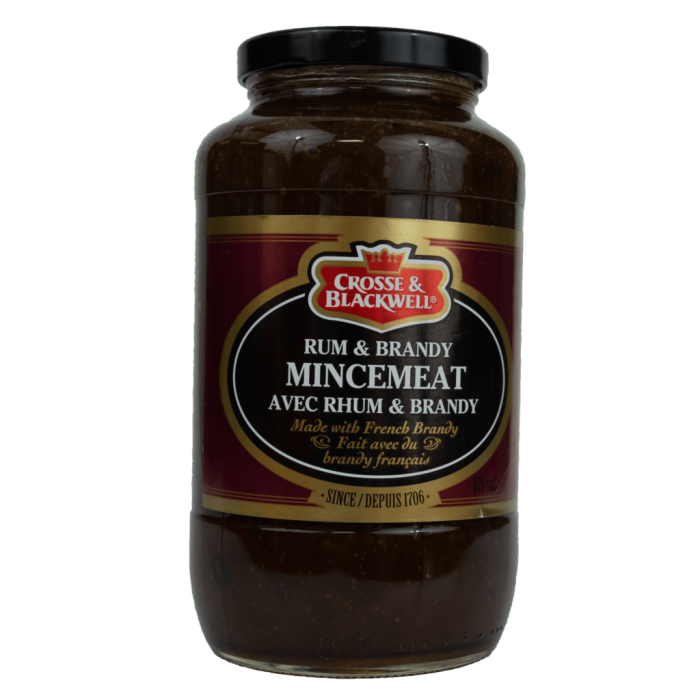
mincemeat
Spice
Mincemeat is a mixture of chopped dried fruit, distilled spirits and spices, and sometimes beef suet, beef, or venison. Originally, mincemeat always contained meat. Many modern recipes contain beef suet, though vegetable shortening is sometimes used in its place.
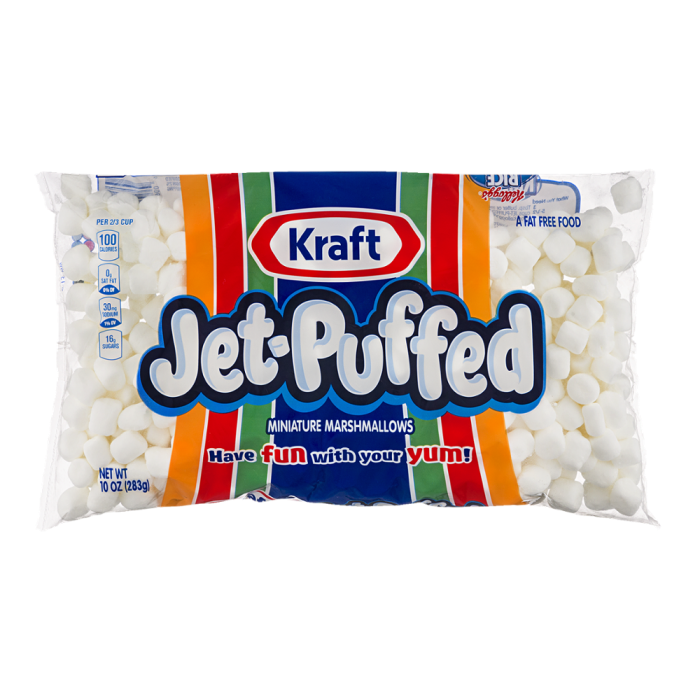
miniature marshmallows
We don't have a description for this ingredient yet.
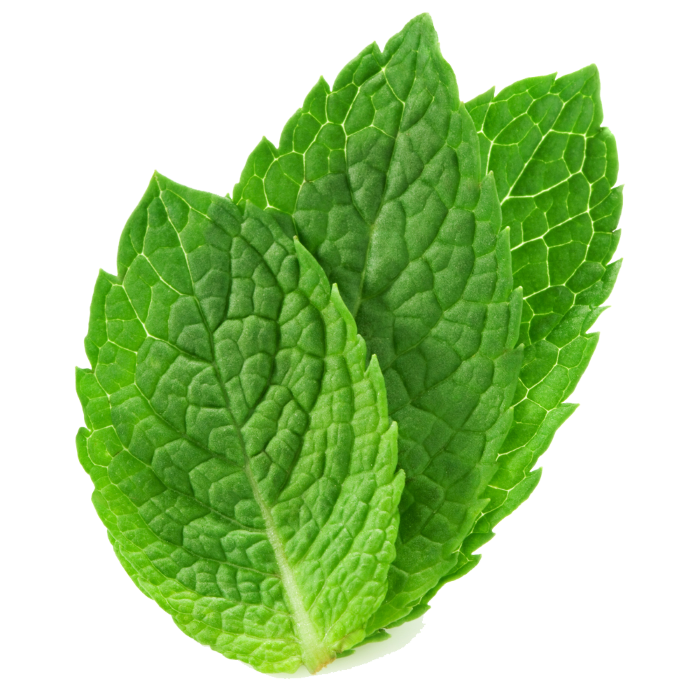
mint
We don't have a description for this ingredient yet.
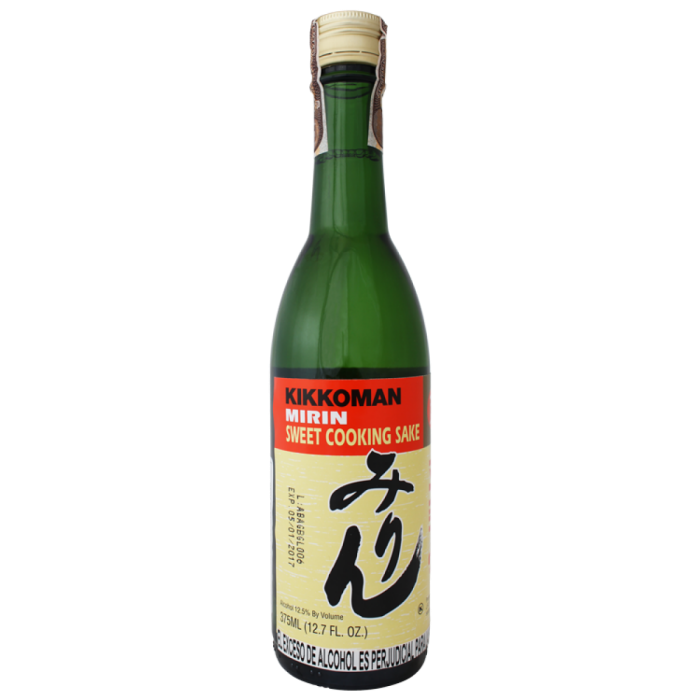
mirin
We don't have a description for this ingredient yet.
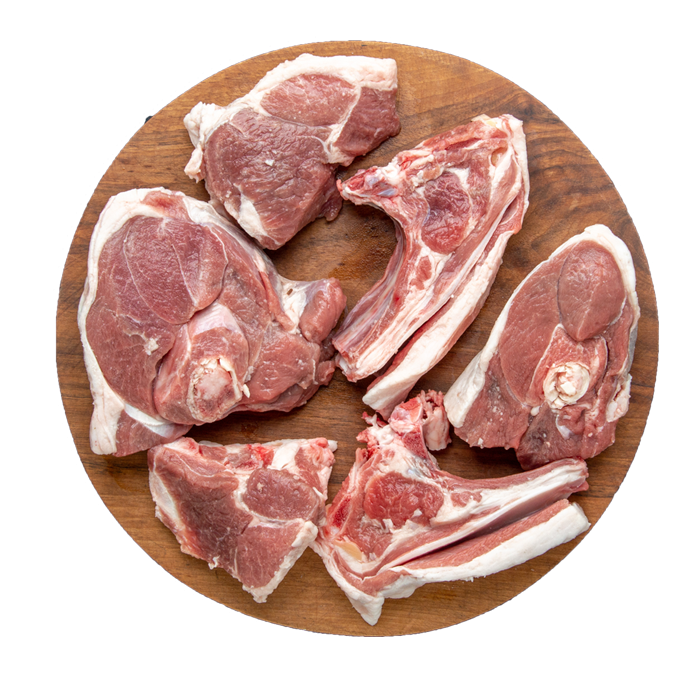
mixed beef cuts
Meat
Mixed beef cuts refer to a combination of different cuts of beef, often used for specific dishes to balance flavor, texture, and fat content. For example, combining leaner cuts like chuck with fattier cuts like brisket is common for ground beef to create a juicier and more balanced patty. It can also refer to a recipe or dish that uses several different types of cuts for various purposes, such as using a specific cut for a roast and another for a side. Examples of mixed beef cuts For burgers: Combining a leaner cut like chuck with a fattier cut like brisket can balance the richness and structure for a juicy burger patty. For roasts: A mix of cuts could be used for a multi-roast dish, with different cuts for different purposes, such as a prime cut for the center and a less tender cut for a slow-cooked side. For other dishes: You might mix cuts like oxtail for its rich flavor after slow braising with other cuts for a hearty stew. Key takeaways Combining cuts can provide a more balanced flavor and texture profile. Mixing cuts is often used to combine the richness of fattier cuts with the structure of leaner cuts. Specific dishes may require a combination of cuts to achieve the desired result.
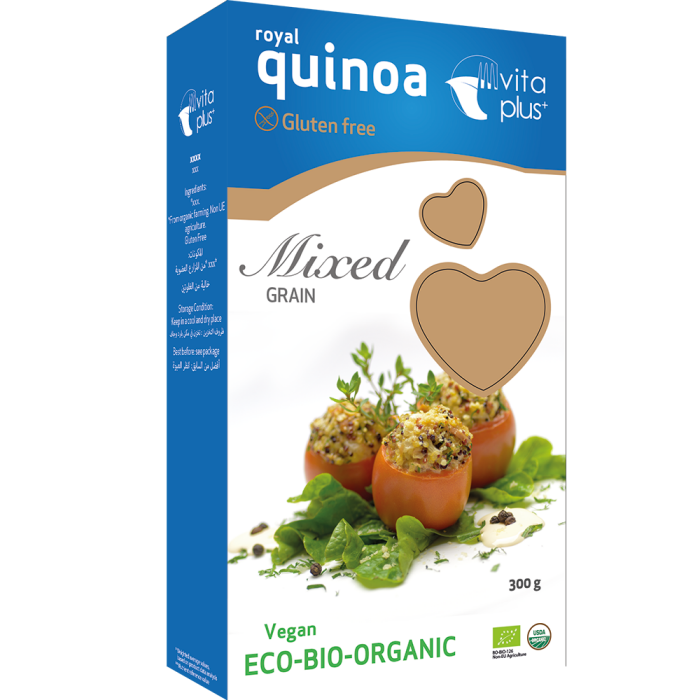
mixed grain
We don't have a description for this ingredient yet.
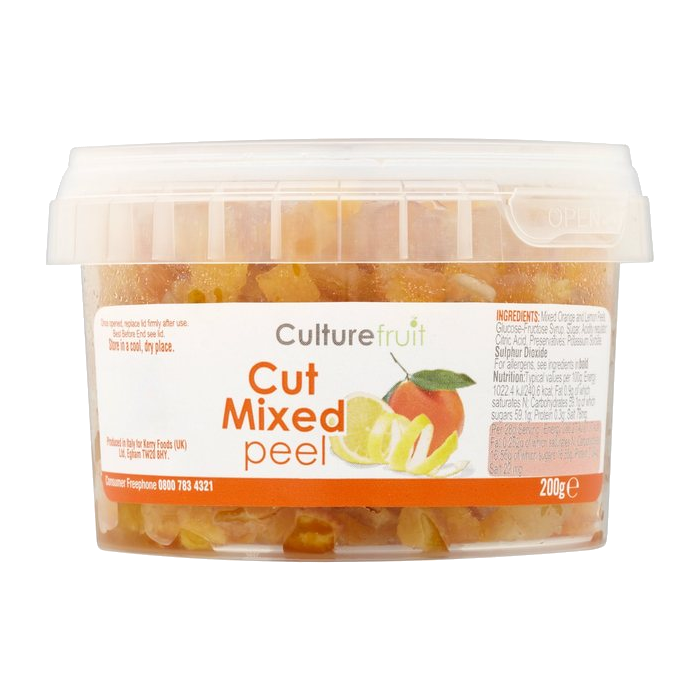
mixed peel
We don't have a description for this ingredient yet.
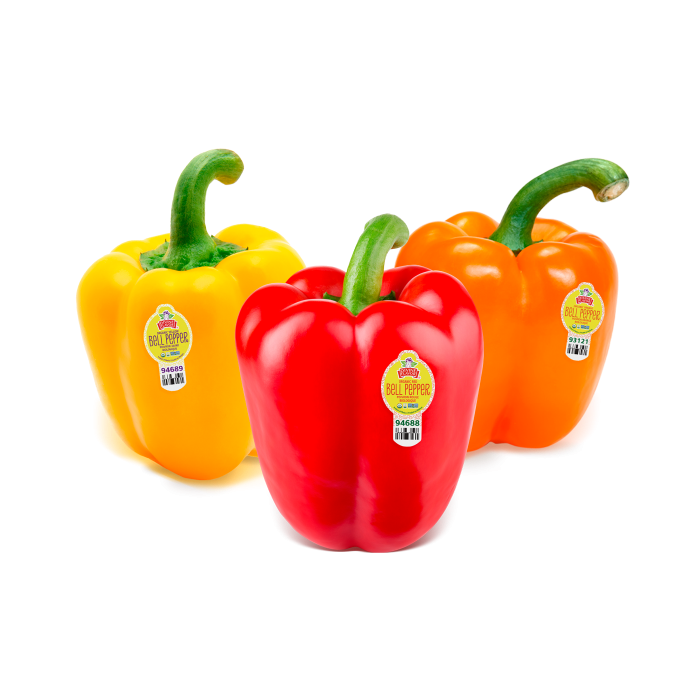
mixed peppers
Root Vegetable
Mixed peppers are a combination of different colored bell peppers, most commonly red, yellow, and green. These are often sold pre-sliced or diced, or as whole peppers in a pack. They are used in a variety of dishes to add color, flavor, and a crisp texture when raw or a sweeter, more complex flavor when cooked. Types: Mixed peppers typically include a combination of green, red, and yellow bell peppers. Sometimes orange peppers are also included. Flavor profile: Green peppers have a sharper, slightly more bitter taste, while red, yellow, and orange peppers are sweeter. Culinary uses: Raw: They can be sliced and added to salads, salsas, and sandwiches. Cooked: Cooking softens them and brings out their sweetness, making them suitable for stir-fries, casseroles, fajitas, and stews. Roasting: Roasting or grilling them until tender can give them a smoky flavor, making them a good side dish. Other forms: Mixed peppers can also be found dried or freeze-dried for long-term storage. In some cuisines, a "pepper mix" refers to a base made from blending different types of peppers, tomatoes, and onions to use in dishes like stews and rice.
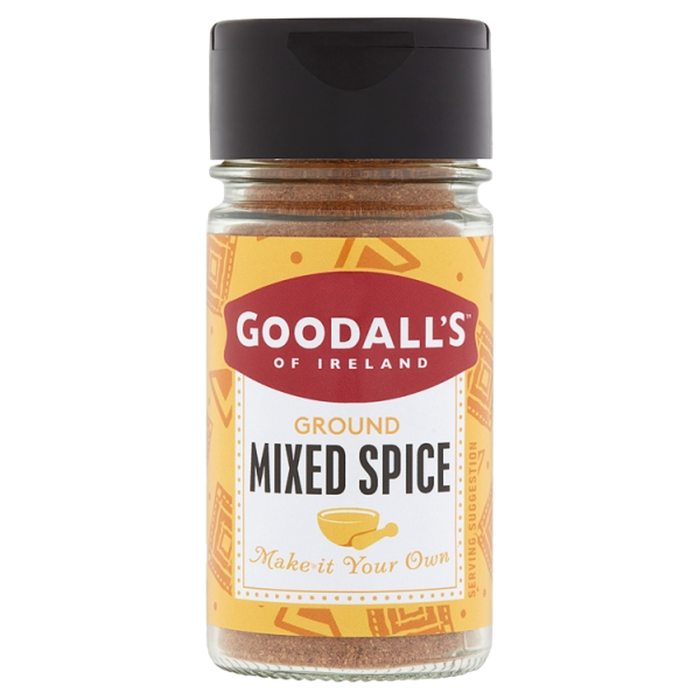
mixed spice
Spice
Mixed spice, also called pudding spice, is a British[1] blend of sweet spices, similar to the pumpkin pie spice used in the United States. Cinnamon is the dominant flavour, with nutmeg and allspice. It is often used in baking, or to complement fruits or other sweet foods.

molasses
Dressing
Molasses is a thick, dark syrup that is a viscous byproduct of the sugar-making process from sugarcane or sugar beets. It is produced by boiling the juice to extract sugar crystals, leaving the molasses behind. Different types of molasses are created from successive boiling and extraction processes, resulting in varieties like light, dark, and blackstrap, which have varying flavors and nutrient levels. How it's made Juice extraction: Sugarcane or sugar beets are crushed to extract their juice. First boiling: The juice is boiled to produce sugar crystals, which are then removed. Byproduct creation: The thick, dark syrup left over is molasses. Repeat processing: The process is repeated, and each subsequent boiling and extraction creates a different type of molasses. Types of molasses Light molasses: Results from the first boiling, it is the lightest in color and sweetest in taste. Dark molasses: From the second boiling, it is thicker, darker, and less sweet than light molasses. Blackstrap molasses: The most processed, resulting from the third boiling. It is the darkest, thickest, and most bitter, but also the most nutrient-rich, containing higher levels of minerals like iron and potassium. Uses and characteristics Flavor: It has a rich, bittersweet flavor that is used to sweeten and flavor foods and drinks. Nutritional content: Molasses is a source of minerals such as calcium, potassium, and iron, though it should still be consumed in moderation due to its high sugar content. Culinary uses: It is used in many recipes, including baked goods, barbecue sauces, and is what gives commercial brown sugar its color. Non-culinary uses: In some cases, sugar beet molasses is added to animal feeds because it is too bitter for human consumption.
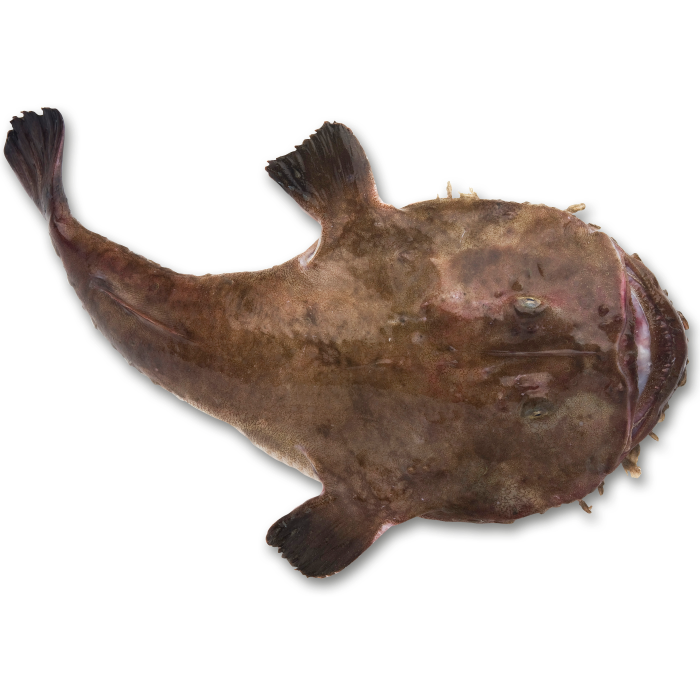
monkfish
We don't have a description for this ingredient yet.
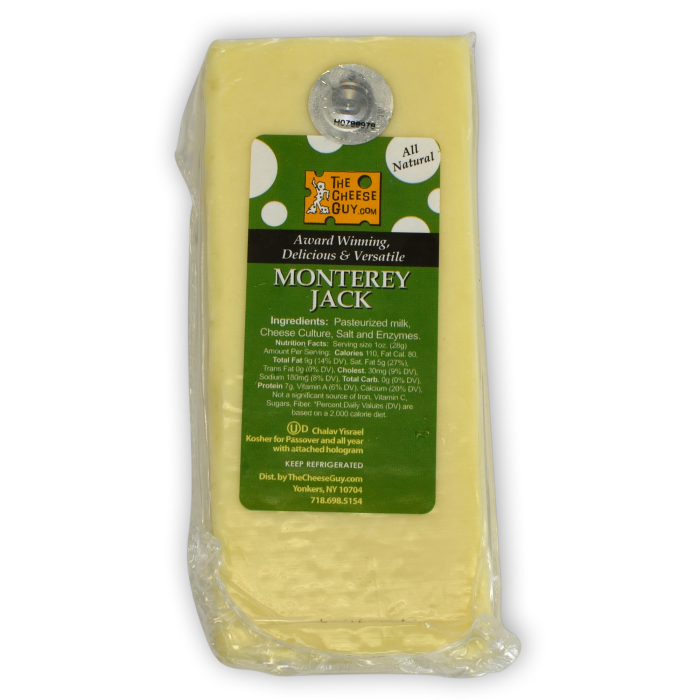
monterey jack cheese
We don't have a description for this ingredient yet.
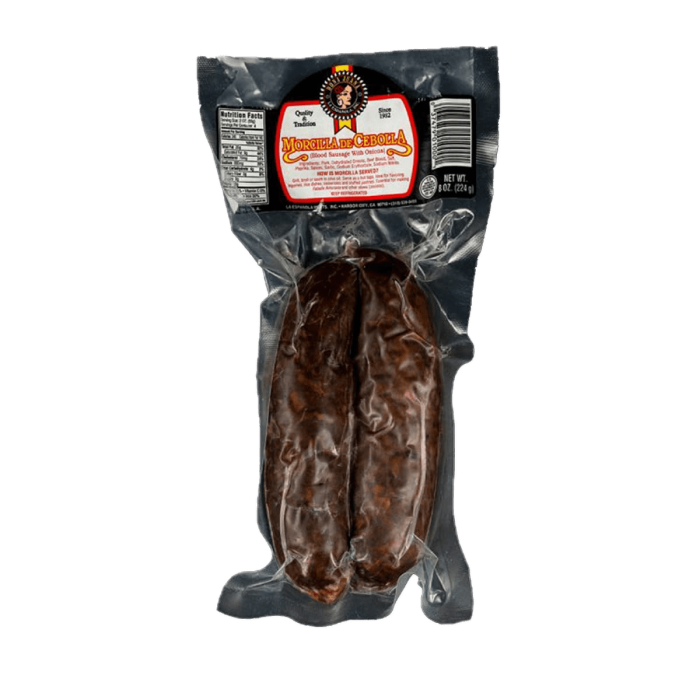
morcilla
Meat
Morcilla is a type of Spanish blood sausage, similar to black pudding, made from pig's blood, fat, spices, and a filler like rice or onions. It can be eaten as a tapa or used as an ingredient in various dishes, and its specific ingredients and flavor can vary significantly by region. The most famous variety is Morcilla de Burgos, which includes rice. Key characteristics Ingredients: A mixture of pig's blood, pork fat, spices, and a filler such as rice, onions, or other grains. Some varieties include other ingredients like pine nuts, raisins, or almonds. Regional variations: There are many regional types of morcilla across Spain. For example, Morcilla de Burgos is known for using rice, while others from regions like Galicia are made with raisins and pine nuts. Usage: Morcilla is used in various ways, such as a tapa, as an ingredient in stews and other dishes, or served grilled, fried, or steamed. Flavor: The flavor is rich and meaty, with spice levels depending on the recipe. Some varieties are sweeter, while others are more savory. How it is made Ground pork is mixed with pig's blood, seasoning, and a filler like rice or onions. The mixture is stuffed into natural casings. The sausages are flash-boiled to clot the blood. They are then hung to cure.
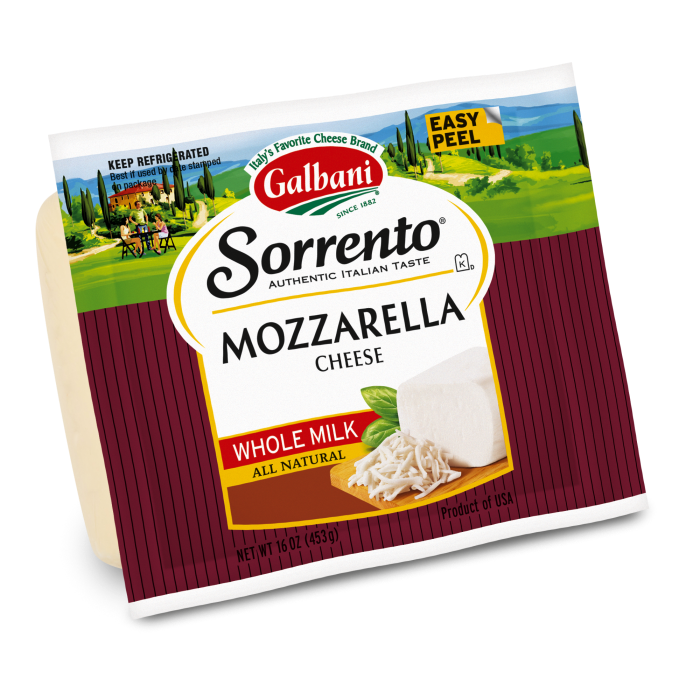
mozzarella
We don't have a description for this ingredient yet.
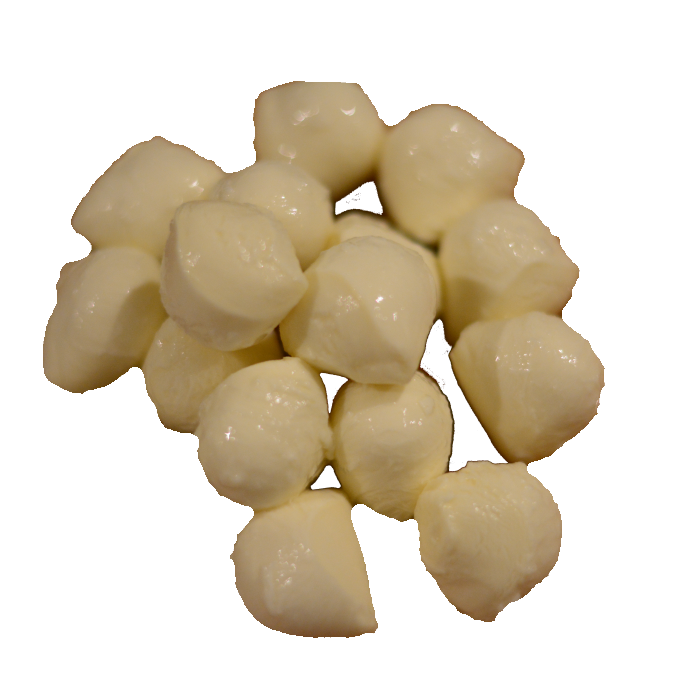
mozzarella balls
We don't have a description for this ingredient yet.
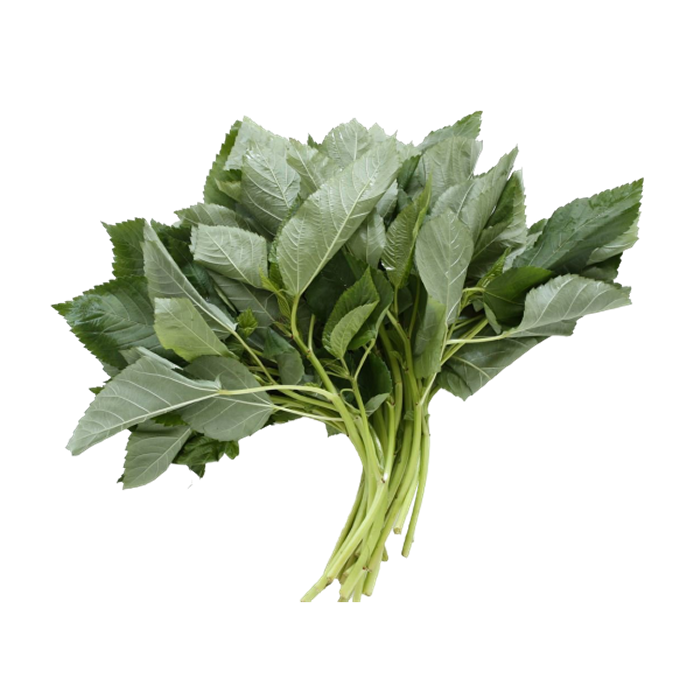
mulukhiyah
Vegetable
Mulukhiyah , molokheyya ,molokhia or mulukhiyyah (Arabic: ملوخية mulūkhiyyah) Greek : molokha is the leaves of Corchorus olitorius, commonly known in English as jute, nalta jute, tossa jute , jute mallow or Jew's mallow. It is used as a vegetable. It is popular in Middle East, East African and North African countries and is called “Saluyot” in the Philippines. Mulukhiyah is rather bitter, and when boiled, the resulting liquid is a thick, highly mucilaginous broth; it is often described as "slimy", rather like cooked okra. Mulukhiyah is generally eaten cooked, not raw, and is most frequently turned into a kind of soup or stew, typically bearing the same name as the vegetable in the local language. Traditionally mulukhiyah is cooked with chicken or at least chicken stock for flavor and is served with white rice, accompanied with lemon or lime.
mung bean sprouts
Legume
Mung bean sprouts are crisp, crunchy shoots grown from germinated mung beans, a popular legume in East and Southeast Asian cuisine, valued for their mild, nutty flavor and texture. They are white or ivory with small yellow-green leaves, high in water, fiber, vitamins (C, K, B), and minerals, and can be eaten raw in salads or cooked in stir-fries, soups, and noodles, offering a healthy, low-calorie addition to many dishes.
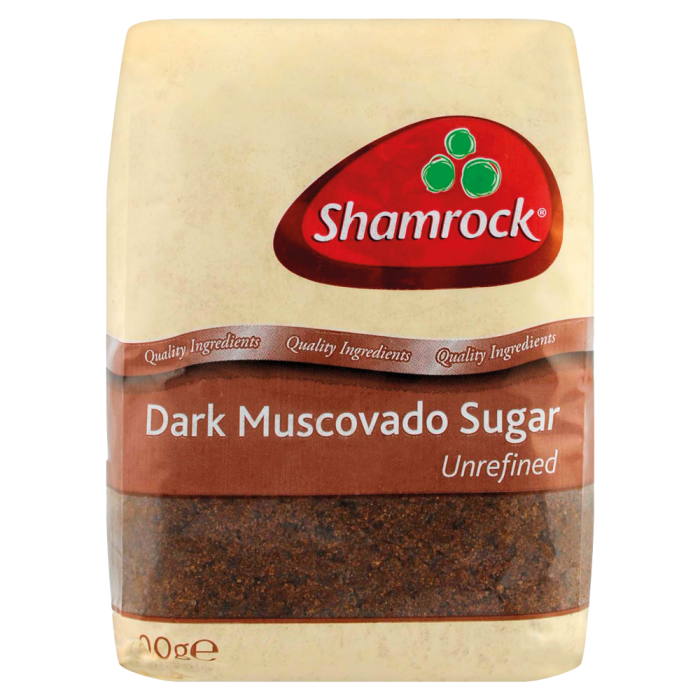
muscovado sugar
We don't have a description for this ingredient yet.
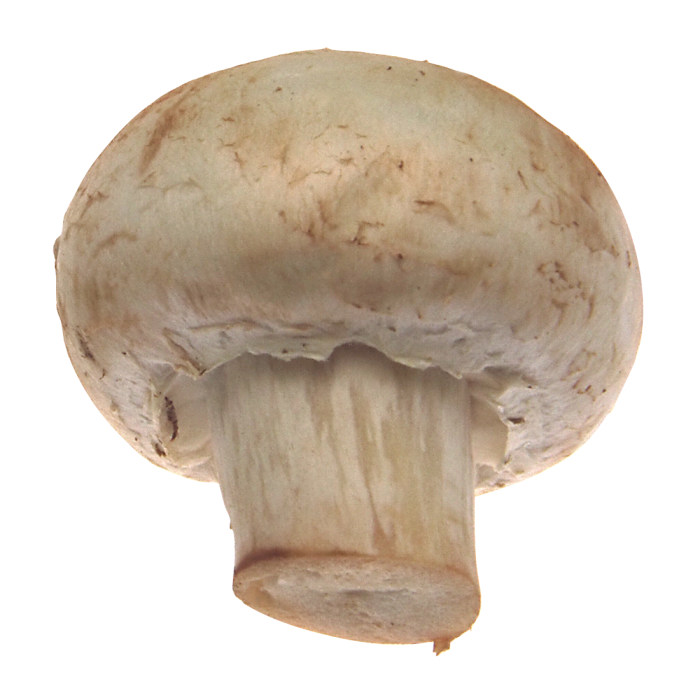
mushrooms
We don't have a description for this ingredient yet.
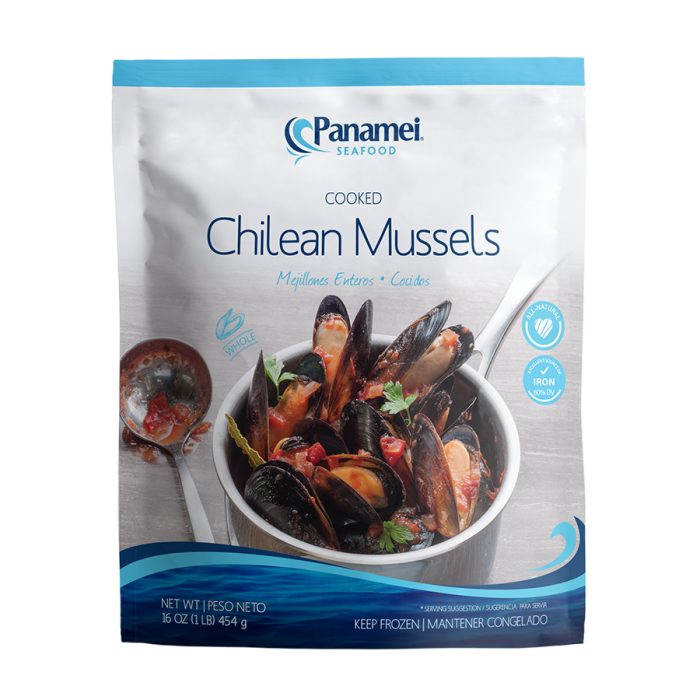
mussels
We don't have a description for this ingredient yet.
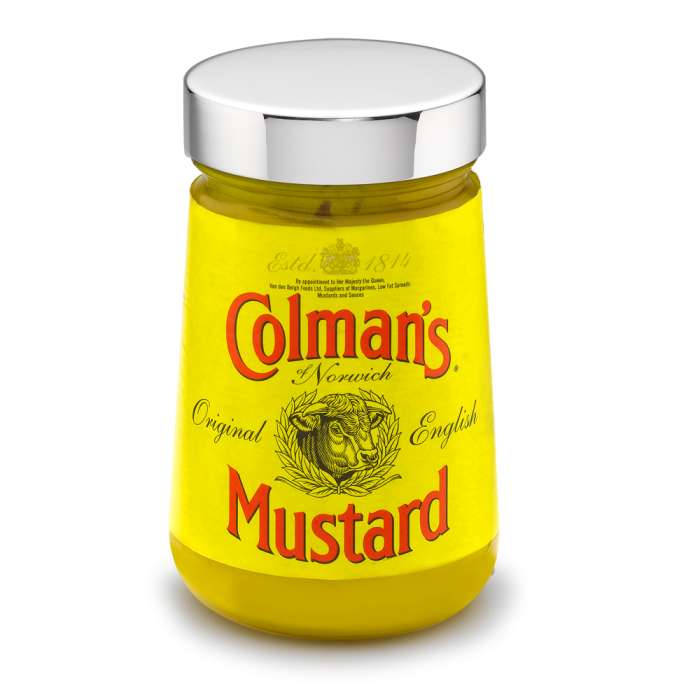
mustard
We don't have a description for this ingredient yet.