Ingredients
Explore all the little things that make our recipes tasty.

mustard powder
We don't have a description for this ingredient yet.
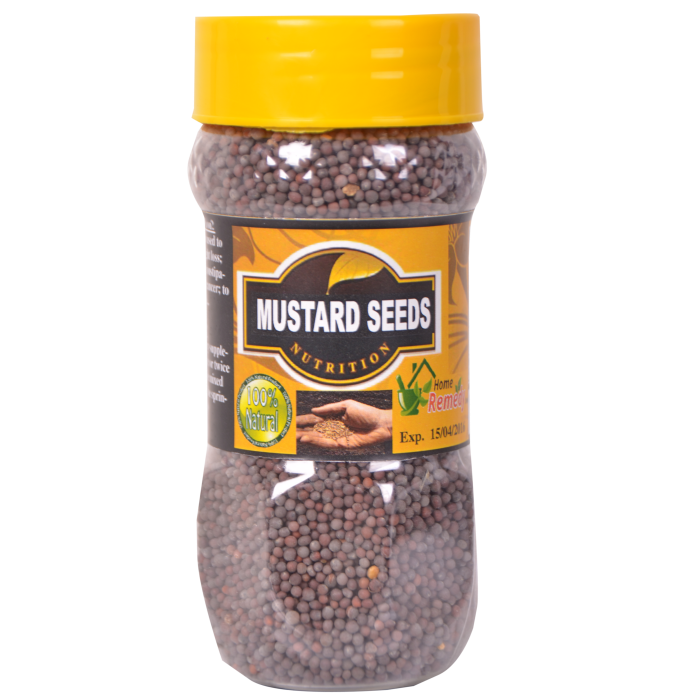
mustard seeds
We don't have a description for this ingredient yet.
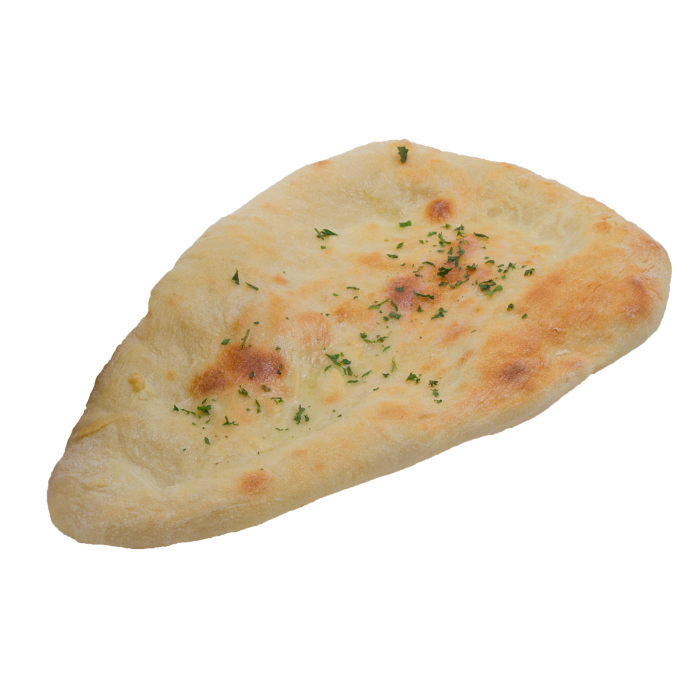
naan bread
We don't have a description for this ingredient yet.
napa cabbage
Root Vegetable
Napa Cabbage | Frieda's LLC - The Branded Produce CompanyNapa cabbage is a type of Chinese cabbage with a mild, sweet flavor and a tender, slightly crinkly texture that resembles romaine lettuce. It is a versatile vegetable used in many Asian dishes, such as soups, stir-fries, dumplings, and is a key ingredient in Korean kimchi. Characteristics Appearance: It forms an oblong or oval head of tightly packed, pale green leaves with a thick, white stem. The inner leaves are often a pale yellow. Flavor and texture: It has a mild, sweet flavor that becomes even sweeter when cooked. The texture is more delicate than regular cabbage, and it is crisp when raw. Other names: It is also known as Chinese cabbage, celery cabbage (because of its white stalks), and sometimes wonbok. Uses Cooking: Napa cabbage can be eaten raw or cooked and is used in a variety of dishes. Soups and hot pots: It is a staple in many Asian soups and hot pot dishes. Stir-fries: Its leaves soften nicely when stir-fried. Dumplings: It can be chopped and used as a filling for dumplings. Salads: Its crisp leaves are great for salads or slaws. Pickling and fermenting: It is the main ingredient in traditional kimchi. Nutritional value Napa cabbage is a good source of vitamins A, C, and K, as well as minerals like calcium, potassium, and magnesium. It has a high water content, making it a low-calorie and hydrating choice.
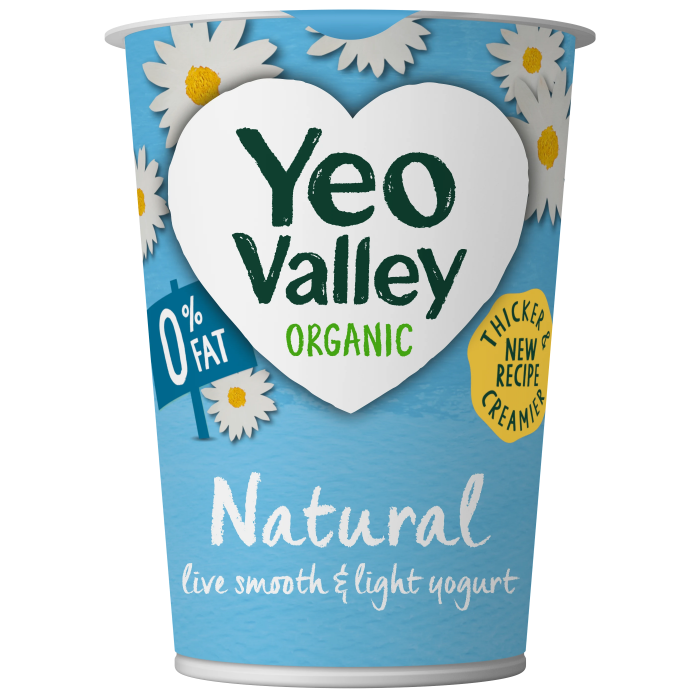
natural yoghurt
Dairy
Natural yogurt is a fermented milk product made by adding live bacterial cultures to milk, which thickens it and gives it a tangy flavor. It is plain, without added sweeteners, colors, or flavors, and can be thin or thick depending on the production process. Its nutritional profile includes protein and calcium, and it can contain beneficial live and active probiotic cultures. Production and characteristics Fermentation: Milk is fermented by yogurt cultures (live bacteria) which convert lactose into lactic acid, causing the milk to thicken and develop its characteristic sour taste. Ingredients: The basic ingredients are milk and the live cultures. It contains natural sugars from milk (lactose) but no added sugars, preservatives, or flavors. Consistency: Natural yogurt typically has a thinner consistency than Greek yogurt because it isn't strained to remove whey. However, some "natural" yogurts may be thicker if they are allowed to set in individual pots. Nutritional value: It is a good source of calcium and can be rich in protein. It may also contain beneficial probiotic cultures, which can support digestive health. How to choose natural yogurt Read the label: Look for products that list only milk and live cultures as ingredients to avoid those with additives like modified starch, thickeners, or sweeteners. Consider fat content: Natural yogurt can be low-fat, but some versions have higher saturated fat. Choosing reduced-fat yogurt may be a healthier option. Check for live cultures: Ensure the label specifies "live and active cultures" to get the probiotic benefits. Recognize additives: Flavored yogurts, particularly low-fat varieties, often have added sweeteners and thickeners to make up for lost flavor and texture during processing.

new potatoes
Root Vegetable
New potatoes are young, immature potatoes that are harvested before they reach full size. They have thin, delicate skins, a crisp and waxy texture, and a sweeter taste than mature potatoes because their sugars haven't fully converted to starch. Their waxy flesh and ability to hold their shape make them ideal for boiling or salads. Key characteristics Harvest time: They are dug up in spring and early summer, before they are fully mature. Texture: Their texture is waxy rather than floury, which helps them keep their shape when cooked. Flavor: They are sweeter than maincrop potatoes because the sugars have not yet converted into starch. Skin: They have a thin, delicate skin that does not need to be peeled and can be easily scrubbed off. Storage: They do not store as well as mature potatoes and should be used within a few days of purchasing. How to cook and serve Boil or steam: Boil them whole and serve with butter and salt, or with herbs like mint. Salads: Their waxy texture makes them a great choice for potato salads, as they won't fall apart.
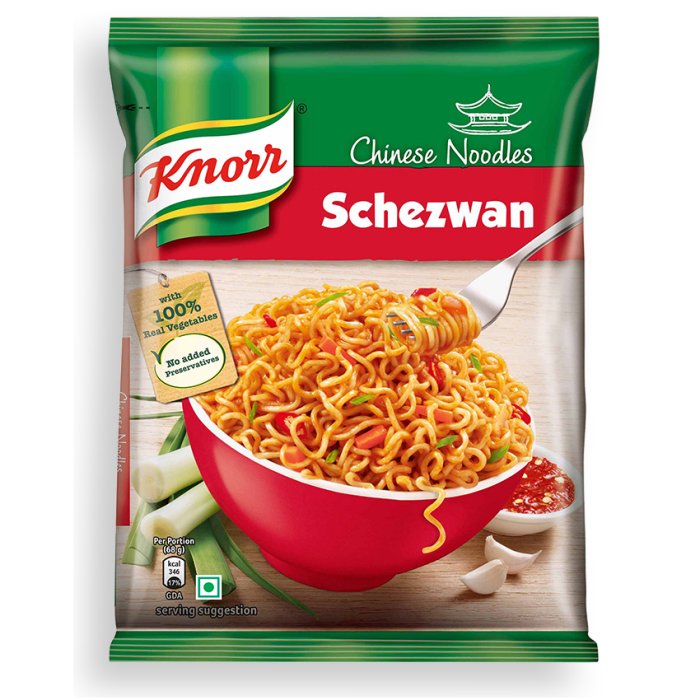
noodles
Side
Noodles are a staple food in many cultures. They are made from unleavened dough which is stretched, extruded, or rolled flat and cut into one of a variety of shapes. While long, thin strips may be the most common, many varieties of noodles are cut into waves, helices, tubes, strings, or shells, or folded over, or cut into other shapes. Noodles are usually cooked in boiling water, sometimes with cooking oil or salt added. They are often pan-fried or deep-fried. Noodles are often served with an accompanying sauce or in a soup. Noodles can be refrigerated for short-term storage or dried and stored for future use. The material composition or geocultural origin must be specified when discussing noodles. The word derives from the German word Nudel.[1]
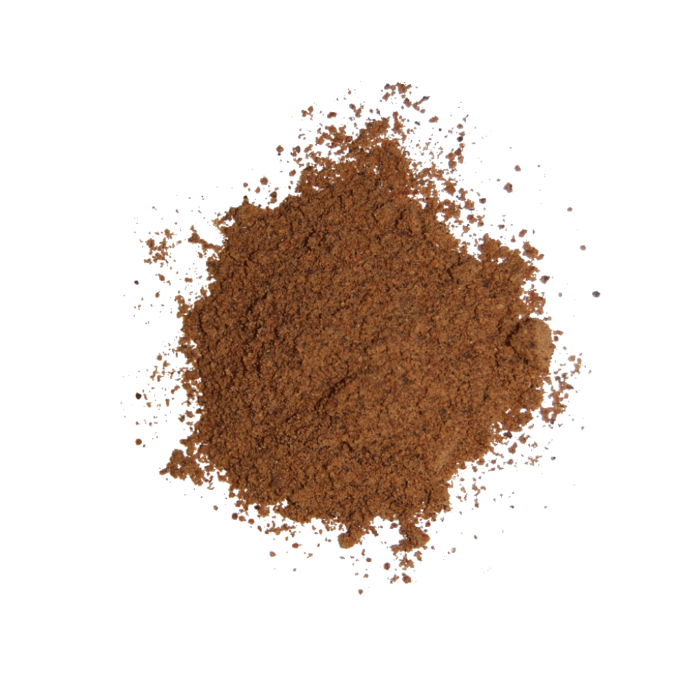
nutmeg
We don't have a description for this ingredient yet.

oatmeal
We don't have a description for this ingredient yet.

oats
We don't have a description for this ingredient yet.
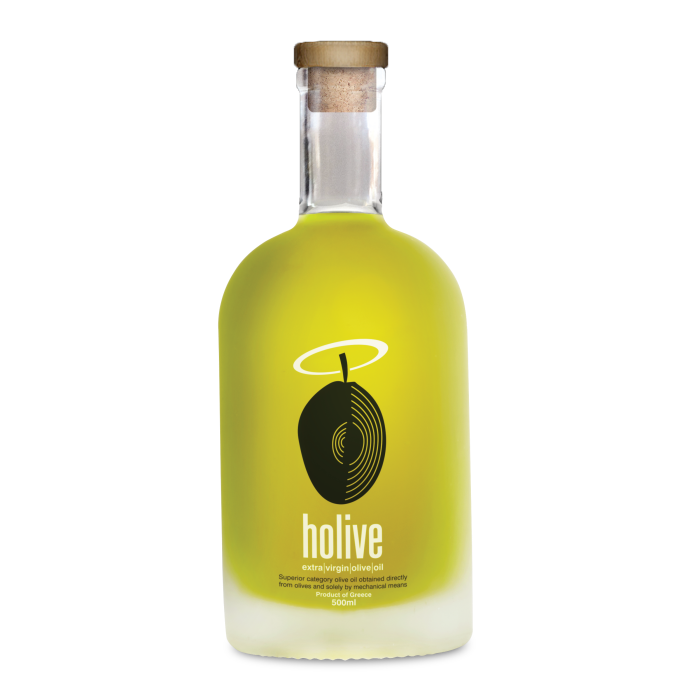
oil
We don't have a description for this ingredient yet.
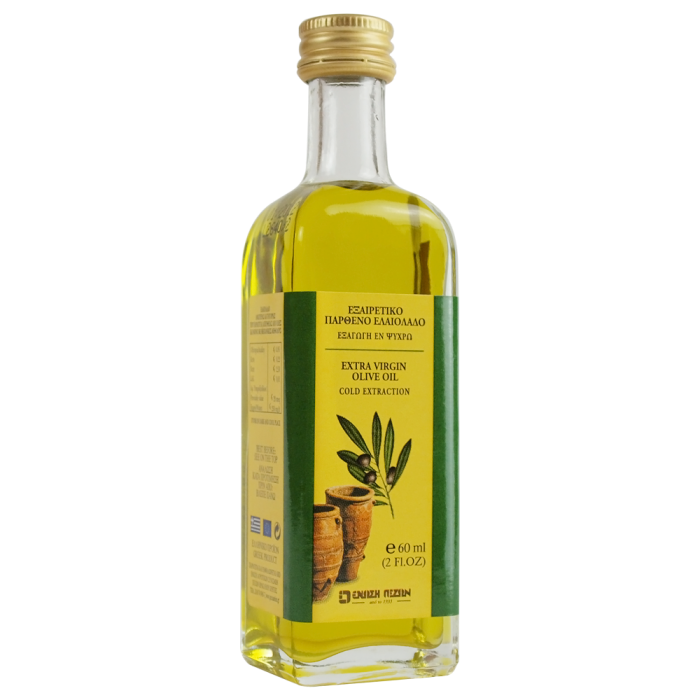
olive oil
We don't have a description for this ingredient yet.
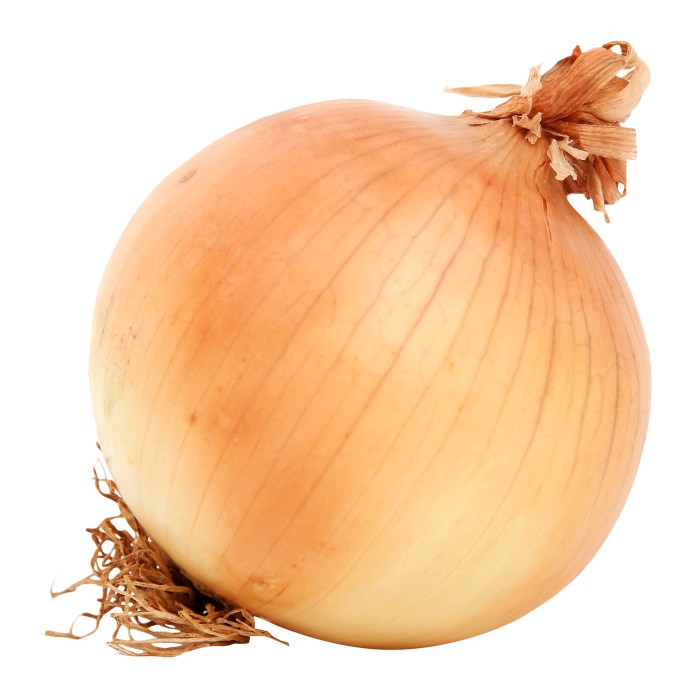
onion
We don't have a description for this ingredient yet.
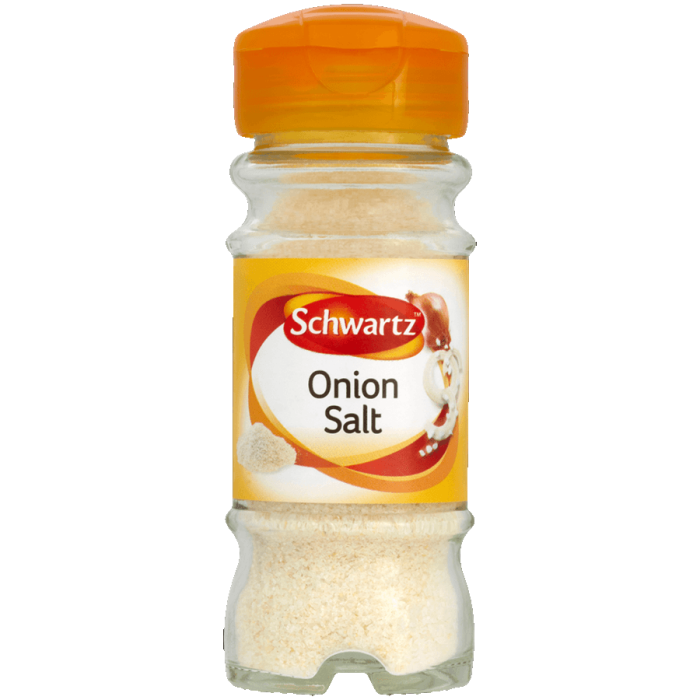
onion salt
We don't have a description for this ingredient yet.
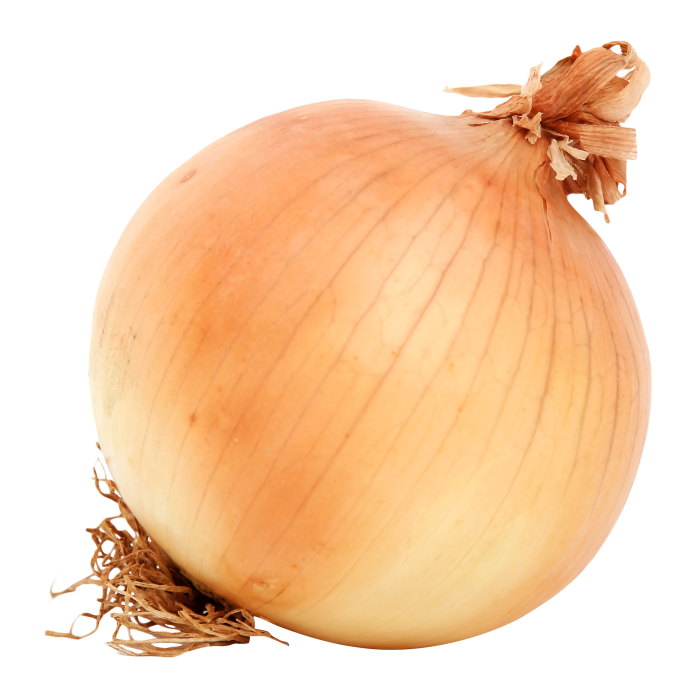
onions
We don't have a description for this ingredient yet.
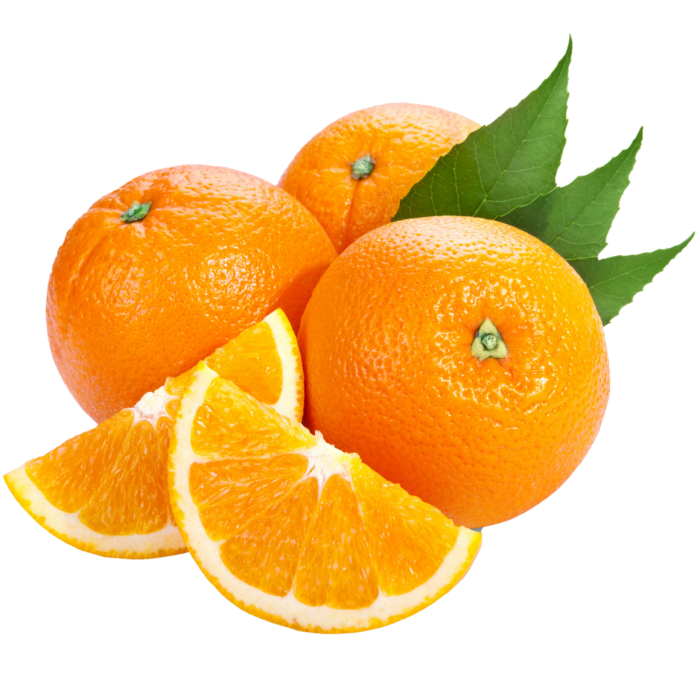
orange
We don't have a description for this ingredient yet.
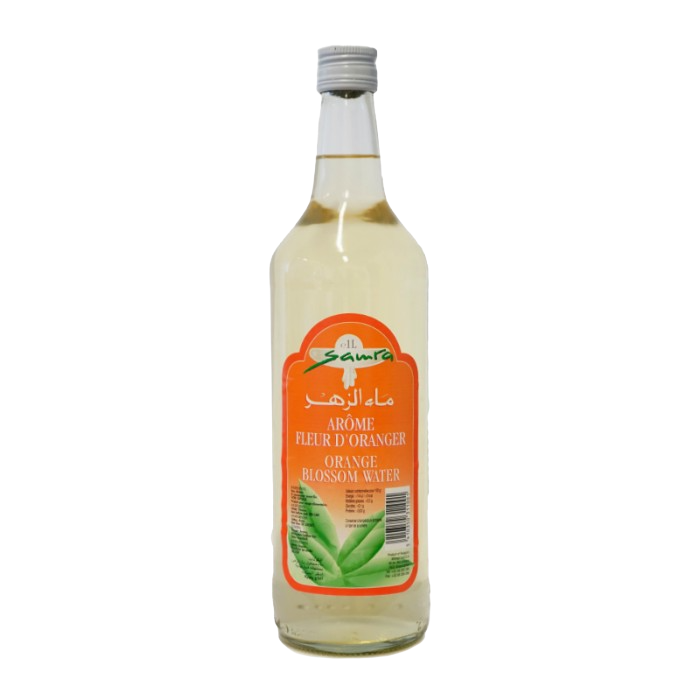
orange blossom water
Drink
Orange flower water, or orange blossom water, is the clear, perfumed by-product of the distillation of fresh bitter-orange blossoms for their essential oil. Uses Mediterranean Relief.jpg This essential water has traditionally been used as an aromatizer in many Mediterranean traditional dessert dishes, such as in France for the gibassier and pompe à l'huile or in Spain for the Roscón de Reyes (King cake), or the Samsa in Tunisia or in Moroccan coffee, but has more recently found its way into other cuisines. For example, orange flower water is used in Europe to flavor madeleines, in Mexico to flavor little wedding cakes and Pan de muerto, and in the United States to make orange blossom scones and marshmallows. Orange flower water is also used as an ingredient in some cocktails, such as the Ramos Gin Fizz. In Malta and many North African as well as Middle Eastern countries, orange blossom water is widely used as medicine for stomach ache and given to small children as well as adults. Orange flower water has been a traditional ingredient used often in North African as well as in Middle Eastern cooking. In Arab variants of baklava, orange blossom water is often mixed with the sweet syrup for flavor. Orange blossoms are believed to be used in this manner because they are seen as the traditional bridal flower and, therefore, symbolize purity (white, small and delicate). It is also added to plain water in the Middle East to mask high mineral content and other unpleasant flavors (e.g. those arising from storage in a qulla, a type of clay jug that keeps water cool in a manner similar to the zeer); some add the fragrance irrespective of the taste of the plain water.

orange juice
Drink
Orange juice (OJ) is a popular, vitamin C-rich liquid extracted from oranges, made by squeezing or pressing the fruit, available fresh or from concentrate, with pulp or without, and often fortified with calcium/vitamin D, serving as a refreshing drink that can support immunity and gut health. It's a key part of many diets, offering potassium, flavonoids, and other nutrients, though pure, unsweetened versions are best for health benefits. Key characteristics: Source: Extracted from oranges (like Valencia, Navel, Blood oranges). Production: Squeezed, sometimes reamed, processed (pasteurized for shelf life), filtered for pulp, or reconstituted from concentrate. Varieties: Can be 100% juice, from concentrate, with pulp (bits) or pulp-free, or even fortified. Nutrients: High in Vitamin C, potassium, folate, and flavonoids (like hesperidin). Benefits: May boost immunity, support gut health (with pulp), reduce inflammation, and help with hydration. Types of OJ: 100% Juice: Pure extract with nothing added (no sugar, preservatives). From Concentrate: Water is removed for storage and added back later. Fortified: Calcium and Vitamin D are often added to commercial juices. Probiotic: Some versions have beneficial bacteria added for gut health. How it's consumed: As a standalone beverage. In cocktails (like Screwdrivers, Tequila Sunrises). As a cooking ingredient.
orange zest
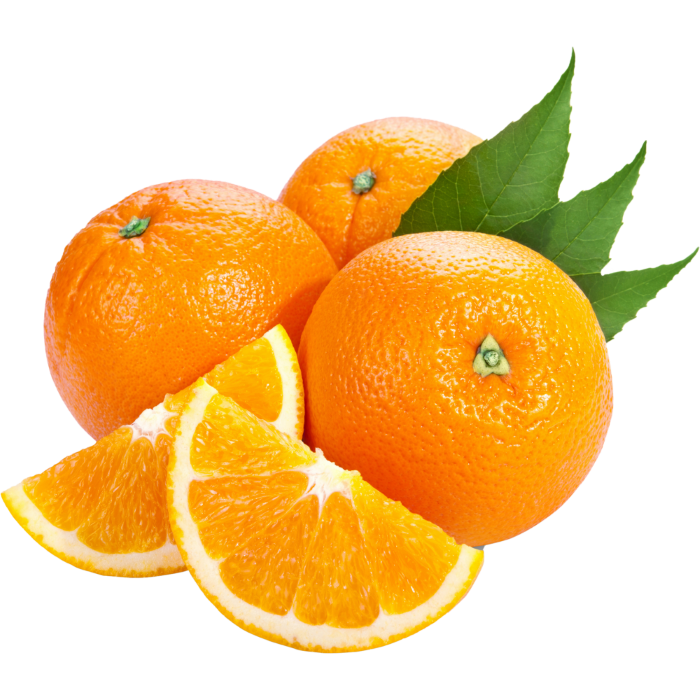
We don't have a description for this ingredient yet.
oregano
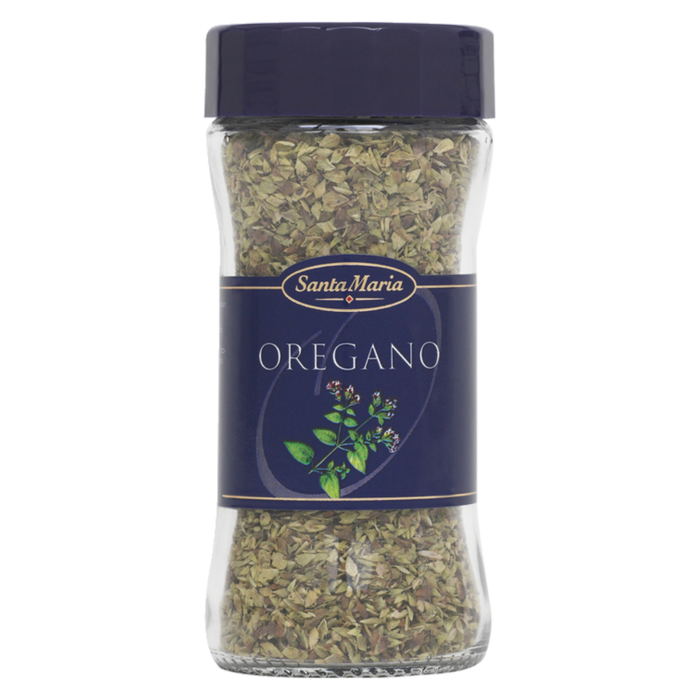
We don't have a description for this ingredient yet.

oreo cream biscuits
Confectionery
Oreo cream biscuits are a type of sandwich cookie consisting of two dark chocolate wafers with a sweet, white vanilla-flavored creme filling in between. They are a popular snack worldwide, known for the "twist, lick, dunk" tradition and for being versatile in recipes. Structure: The cookie is made of two circular chocolate-flavored wafers. Filling: A sweet, creamy, vanilla-flavored fondant-like filling is sandwiched between the wafers. Origin: Oreos were introduced in 1912 by the Nabisco company and are now a global brand owned by Mondelez International. Cultural impact: They have become an iconic American snack and are popular across many cultures and age groups. Variations: Many varieties and limited-edition flavors have been produced over the years. Consumption: They are often eaten on their own, dunked in milk, or used in various dessert recipes.
oxtail
Meat
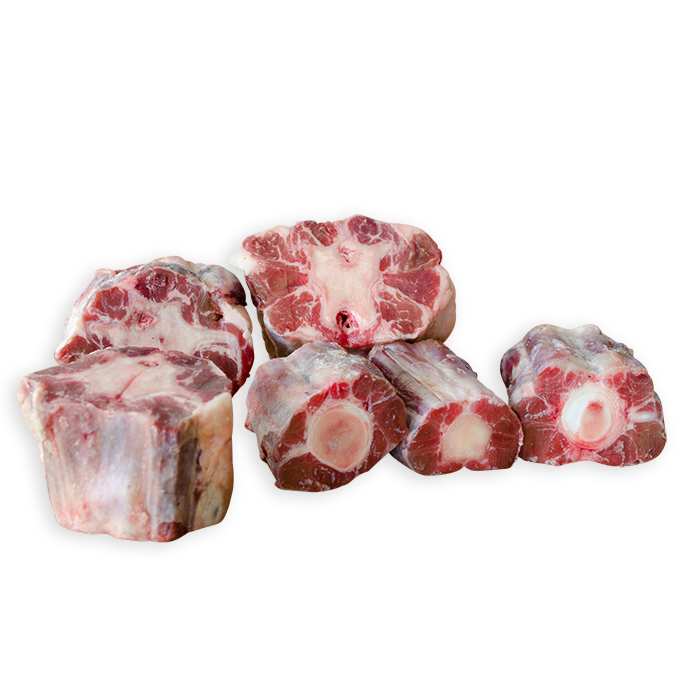
Oxtail (occasionally spelled ox tail or ox-tail) is the culinary name for the tail of cattle. Formerly, it referred only to the tail of an ox or steer, a bullock (a castrated male).[citation needed] An oxtail typically weighs 2 to 4 lbs. (1–1.8 kg) and is skinned and cut into short lengths for sale. Oxtail is a bony, gelatin-rich meat, which is usually slow-cooked as a stew[1] or braised. It is a traditional stock base for a soup. Traditional preparations involve slow cooking, so some modern recipes take a shortcut using a pressure cooker. Oxtail is the main ingredient of the Italian dish coda alla vaccinara (a classic of Roman cuisine). It is a popular flavour for powder, instant and premade canned soups in the United Kingdom and Ireland. Oxtails are also one of the popular bases for Russian aspic appetizer dishes (холодец or студень), along with pig trotters or ears or cow "knees", but are the preferred ingredients among Russian Jews because they can be Kosher. Versions of oxtail soup are popular traditional dishes in South America, West Africa, China, Spain [2] and Indonesia. In Chinese cuisine, it's usually made into a soup called 牛尾汤 (niúwěi tāng, "oxtail soup"). In Korean cuisine, a soup made with oxtail is called kkori gomtang (see gomguk). It is a thick soup seasoned with salt and eaten with a bowl of rice. It can be used as a stock for making tteokguk (rice cake soup). Stewed oxtail with butter bean or as main dish (with rice) is popular in Jamaica, Trinidad, and other West Indian cultures. Oxtail is also very popular in South Africa where it is often cooked in a traditional skillet called a potjie, which is a three-legged cast iron pot placed over an open fire. Oxtail is also eaten in other southern parts of Africa like Zimbabwe and served with sadza and greens. In the United States, oxtail is a mainstay in African American and West Indian households. In Cuban cuisine, a stew can be made from oxtail called rabo encendido. In the Philippines, it is prepared in a peanut based stew called Kare-kare. In Iran, Oxtail is slow-cooked and served as a substitute for shank in a main dish called Baghla-Poli-Mahicheh which is prepared with rice, shank (or oxtail) and a mixture of herbs including dill, coriander, parsley and garlic. In the United States, oxtail has the meat-cutting classification NAMP 1791.
oyster mushrooms
Mushroom
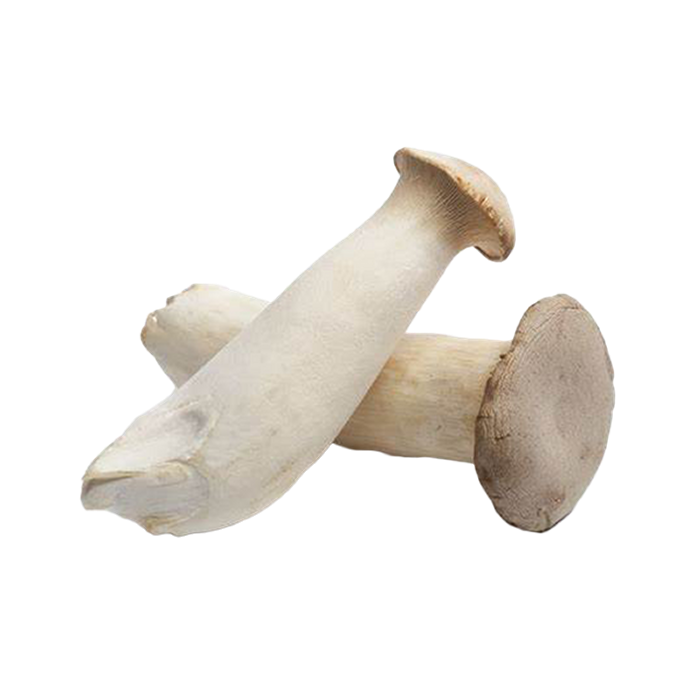
Oyster mushrooms are a type of edible fungus from the Pleurotus genus, named for their oyster-like shape and color. They are one of the most commonly cultivated mushrooms, known for their delicate texture and mild, savory flavor. Oyster mushrooms are also found in the wild, growing in clusters on decaying hardwood trees. Appearance and Habitat Shape and color: They have a fan or oyster-shaped cap that is typically grayish-brown, though other colors like yellow and pink exist. Growth: They grow in shelf-like clusters on dead or dying hardwood trees, such as beech, maple, and aspen. Gills: They have white or cream-colored gills that run down the stem, which is very short or completely absent. Culinary Use Flavor: They have a mild, savory, and slightly anise-like flavor. Texture: They are soft and delicate. Cooking: They work well in a variety of dishes, including soups, stir-fries, and pasta. They can also be sautéed or fried. Raw consumption: Some people can have a slight allergic reaction to raw oyster mushrooms, so it is best to cook them. Cultivation Easy to grow: They are one of the easiest mushrooms to cultivate because they grow quickly on a wide variety of substrates, like straw and wood chips. Availability: Due to cultivation, they are widely available in grocery stores worldwide.
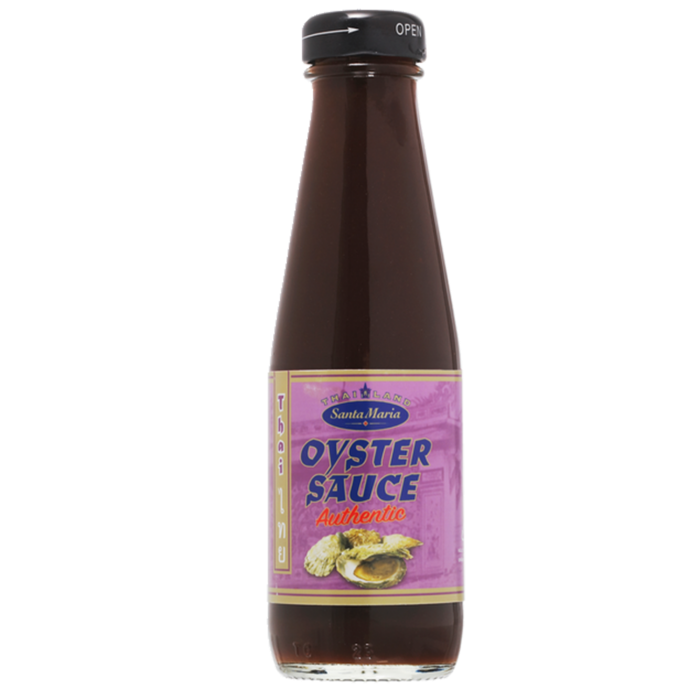
oyster sauce
We don't have a description for this ingredient yet.