Ingredients
Explore all the little things that make our recipes tasty.
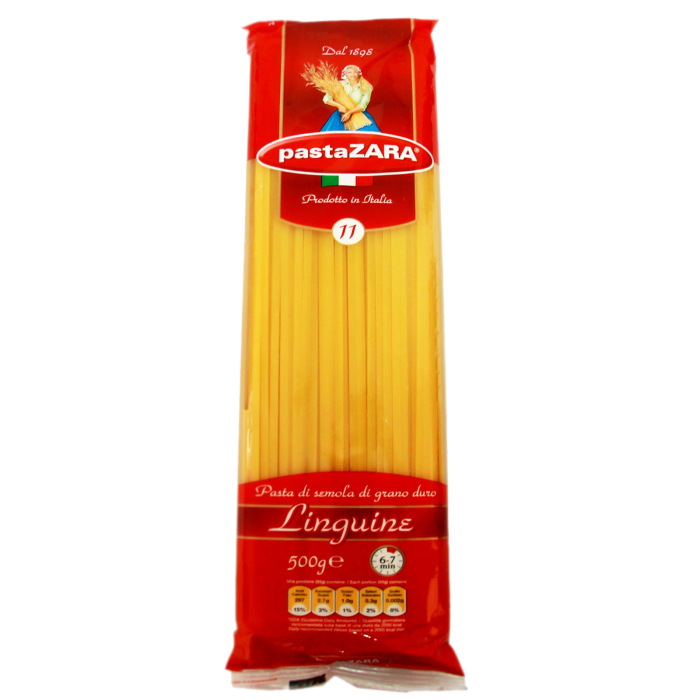
linguine pasta
We don't have a description for this ingredient yet.

liquid cheese
Dairy
Liquid cheese is a soft, creamy, and often pre-made cheese sauce or a cheese product that remains in a semi-viscous or liquid state at room temperature. It can be made by adding an emulsifier like sodium citrate to block cheese to make a sauce, or it can be a natural cheese solution with a specific manufacturing process, like adding lactic acid bacteria to a milk and cream mixture and then breaking down the fat droplets. It is used as a versatile ingredient in dishes like dips, soups, sauces, nachos, and ready-to-eat meals.
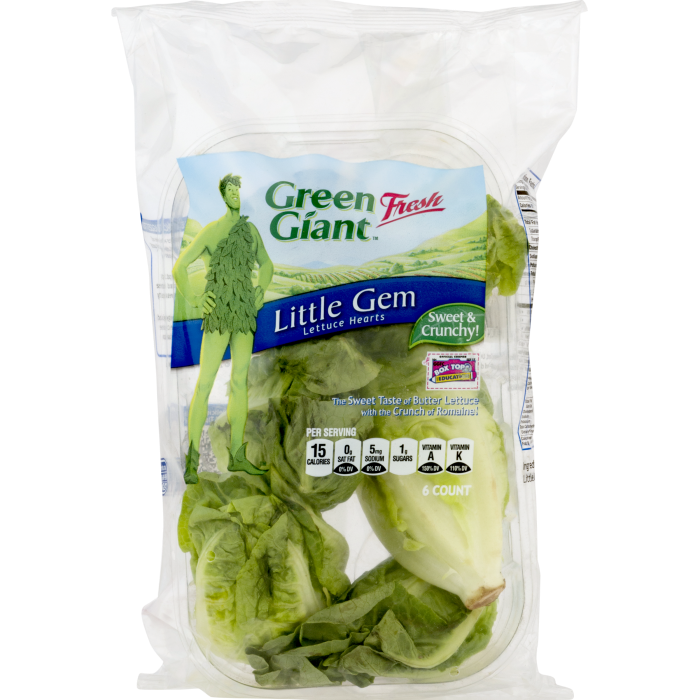
little gem lettuce
We don't have a description for this ingredient yet.
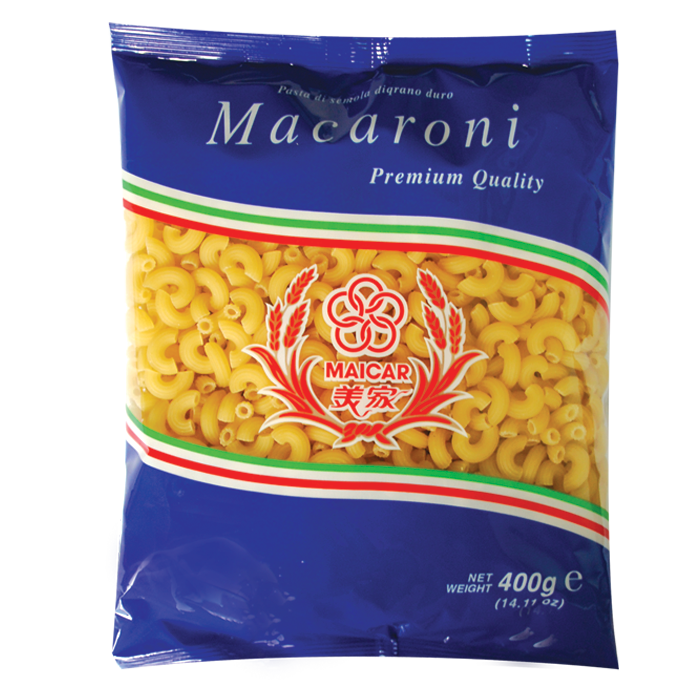
macaroni
We don't have a description for this ingredient yet.
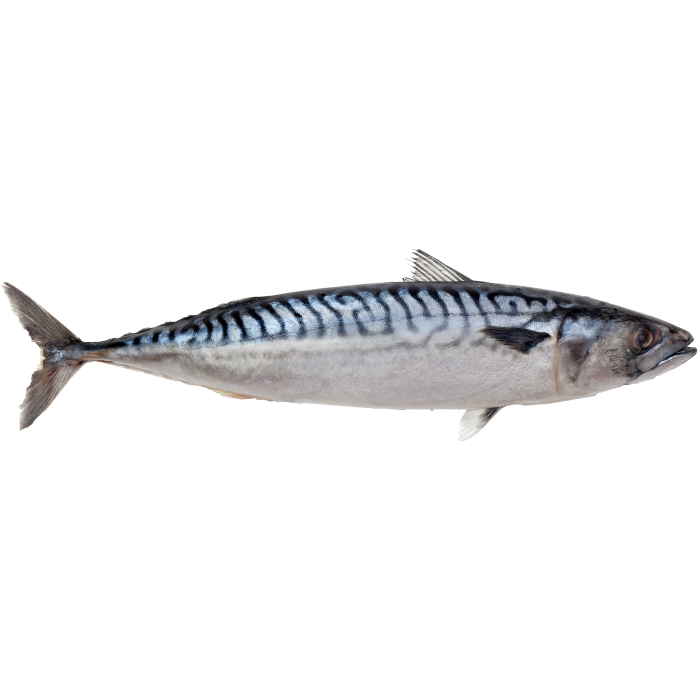
mackerel
We don't have a description for this ingredient yet.
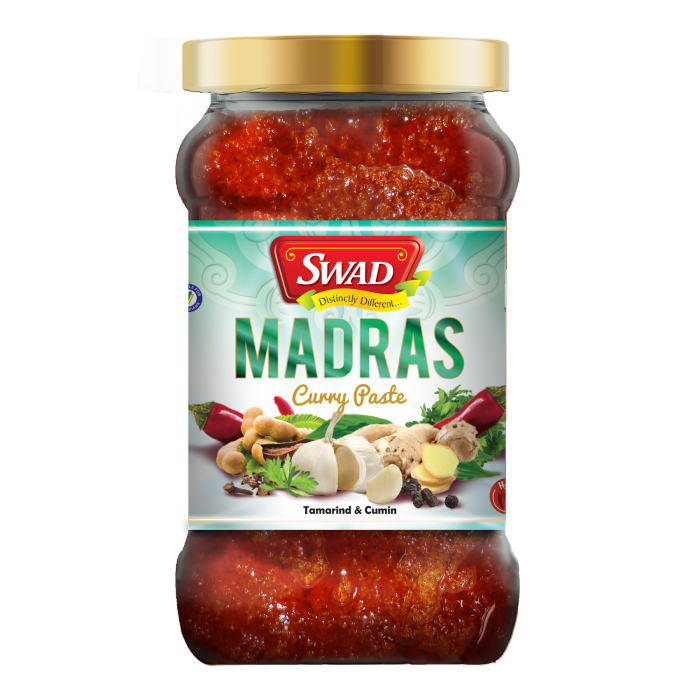
madras paste
We don't have a description for this ingredient yet.
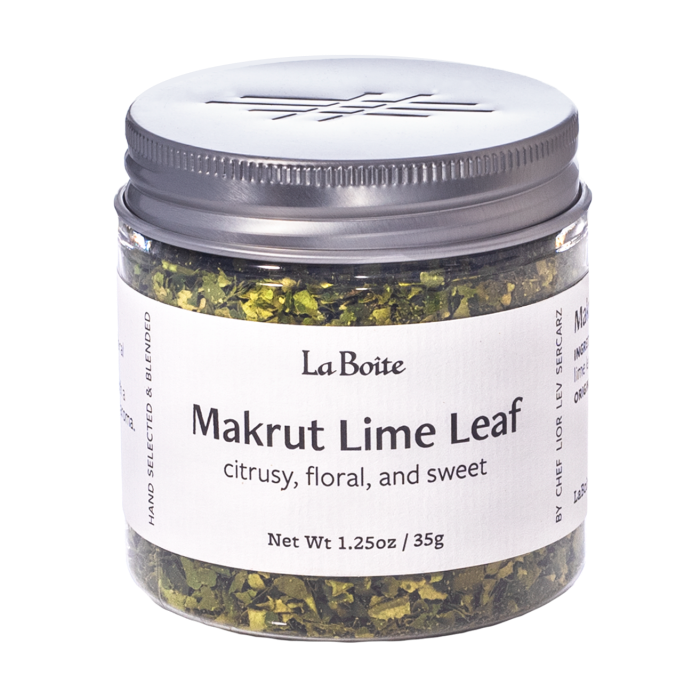
makrut lime leaves
Seasoning
Makrut lime leaves are the fragrant leaves of the Makrut lime tree, which are a staple in Southeast Asian cuisine, especially Thai cooking. They have a strong, aromatic citrus flavor and are used to infuse soups, curries, and stir-fries, similar to how bay leaves are used in the West. The leaves are typically added whole and removed before serving, or can be thinly sliced into dishes. Characteristics and appearance Unique shape: Makrut lime leaves are easily identifiable by their "double-leaf" structure, where two leaf-shaped lobes are joined end-to-end on either side of a single stem, forming an hourglass or figure-eight shape. Appearance: They are thick, glossy, and emerald-green on top, with a matte pale green underside. Flavor profile: They offer a bright, potent citrus scent and a distinct flavor that is a complex mix of lime and other citrus notes, with a fresh, peppery quality. How to use them Infusing dishes: Add the whole leaves to dishes like curries, soups, and stocks to impart their flavor. They should typically be removed before eating. Bruising: To release more of their aroma, gently bruise or crush the fresh leaves in your hands before adding them to the dish. Slicing: For a different texture and more intense flavor, you can also slice them very finely or pound them into a pulp to add to spice pastes or other ingredients. Dried leaves: Dried leaves are also available. You can use more of them than fresh leaves, as their flavor is not as strong. Where to find them Asian supermarkets: You can find fresh leaves in the produce section. Spice aisle: Dried versions are often available in the spice aisle of mainstream grocery stores. Online retailers: Fresh and dried leaves can also be purchased online.
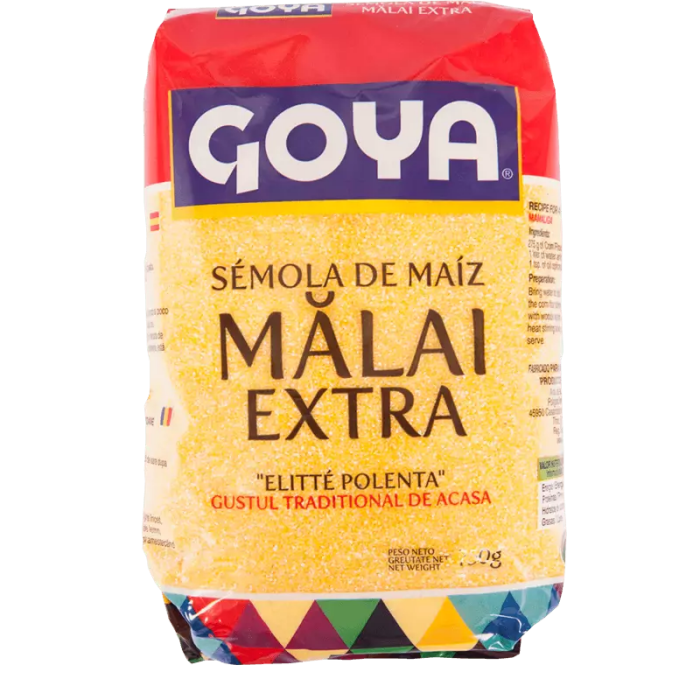
malai
Dairy
Malai is a rich, thick layer of clotted cream that forms on top of boiled and cooled milk, particularly common in the cuisine of the Indian subcontinent. It is made by skimming off the fat and protein-rich layer that solidifies on the surface of milk after it has been heated and then chilled.
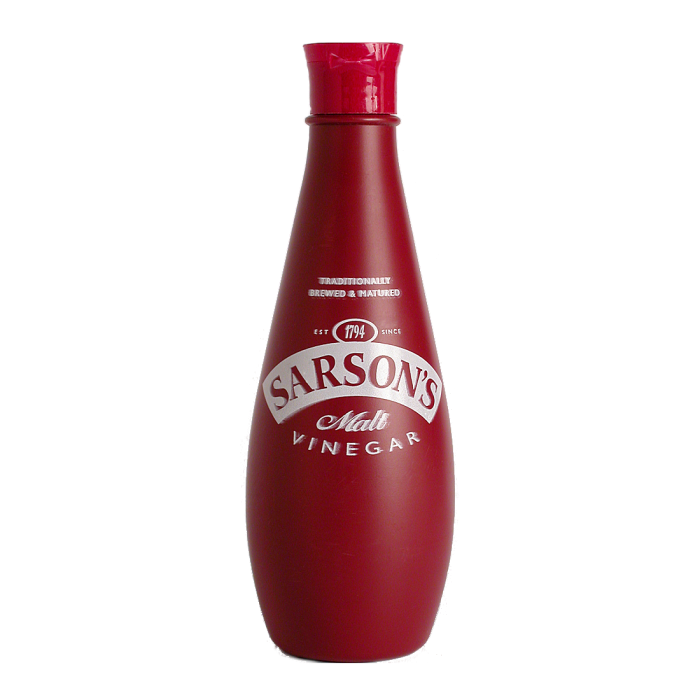
malt vinegar
Seasoning
Vinegar is a liquid consisting of about 5–20% acetic acid (CH3COOH), water, and other trace chemicals, which may include flavorings. The acetic acid is produced by the fermentation of ethanol by acetic acid bacteria. Vinegar is now mainly used as a cooking ingredient, or in pickling. As the most easily manufactured mild acid, it has historically had a great variety of industrial, medical, and domestic uses, some of which (such as its use as a general household cleaner) are still commonly practiced today. Commercial vinegar is produced either by a fast or a slow fermentation process. In general, slow methods are used in traditional vinegars where fermentation proceeds slowly over the course of a few months or up to a year. The longer fermentation period allows for the accumulation of a non-toxic slime composed of acetic acid bacteria. Fast methods add mother of vinegar (bacterial culture) to the source liquid before adding air to oxygenate and promote the fastest fermentation. In fast production processes, vinegar may be produced between 20 hours to three days.
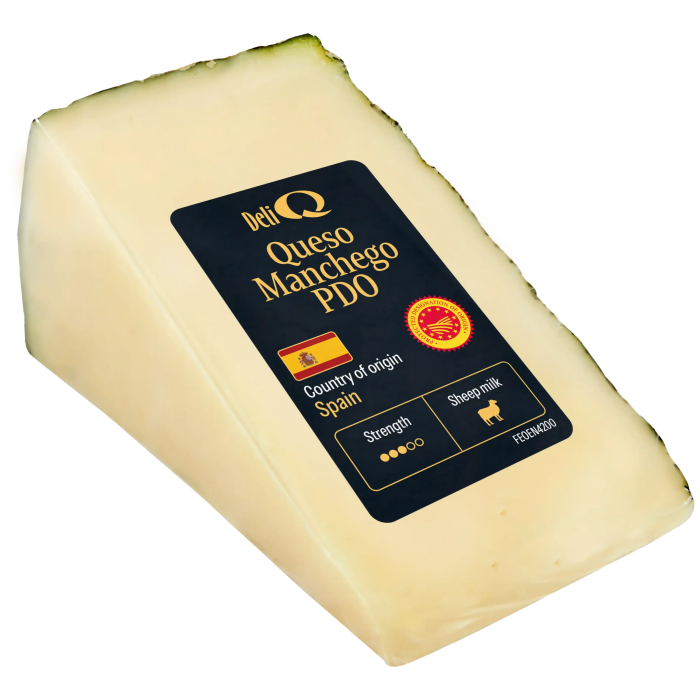
manchego
Dairy
Manchego is a firm, buttery sheep's milk cheese from the La Mancha region of Spain, known for its rich, nutty flavor with hints of sweetness that sharpens with age. It has a distinctive zigzag pattern on its rind from being pressed in woven esparto grass molds and is protected by a Protected Designation of Origin (PDO). Key characteristics Origin: La Mancha region of Spain, made from the milk of Manchega sheep. Texture: Ranges from semi-firm and supple in younger cheeses to firm and crumbly as it ages. Flavor: Nutty and buttery, with a slightly sweet taste that becomes more intense and sharp with age. Appearance: An ivory-to-yellowish color and a distinctive, inedible zigzag rind pattern from the traditional molds. Aging: Matured for a minimum of 30 days to up to two years, with different aging periods (like curado and viejo) resulting in distinct flavor profiles. How to enjoy it Enjoy on its own with fruits, nuts, or olives. Serve as part of a cheese board or tapas spread. Pair with crusty bread, a robust red wine, or a dry sherry. Use in recipes for a salty, nutty flavor, such as in baked dishes or with roasted vegetables.
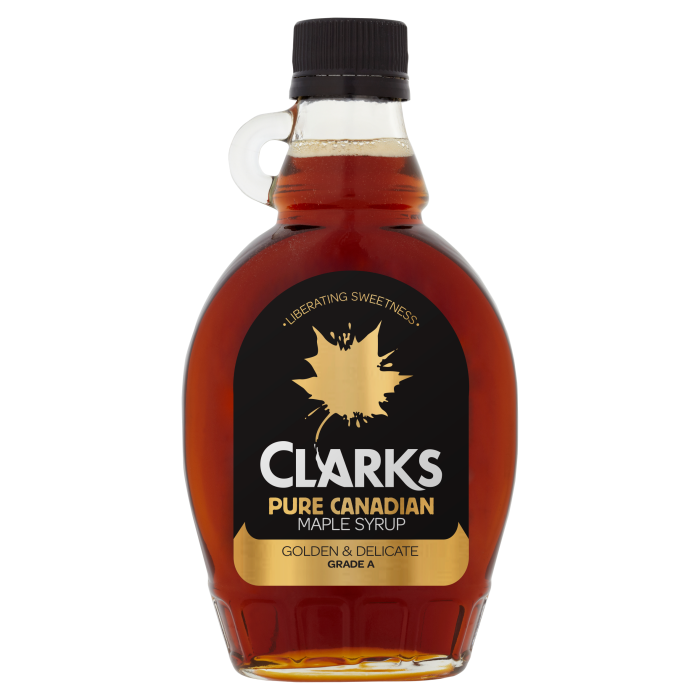
maple syrup
We don't have a description for this ingredient yet.
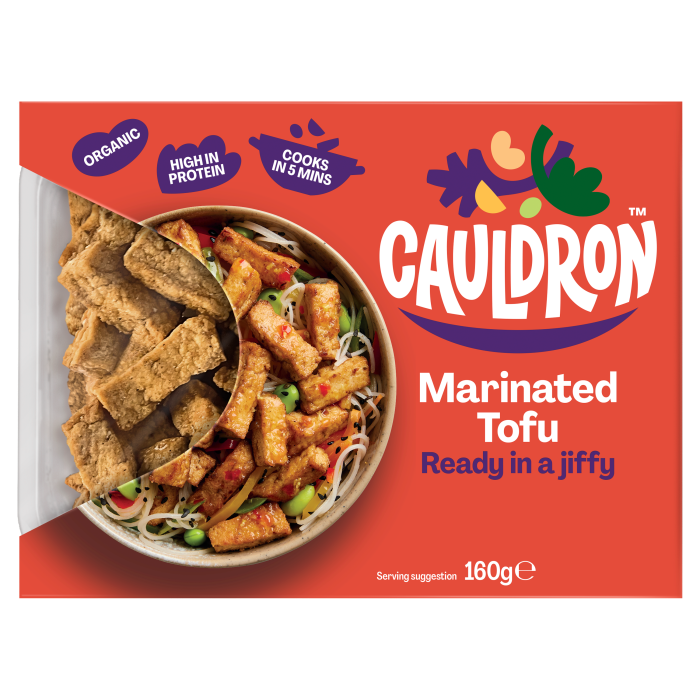
marinated tofu
Root Vegetable
Marinated tofu is tofu that has been soaked in a flavorful mixture of ingredients, such as soy sauce, spices, herbs, and oils, to infuse it with taste and improve its texture. Since tofu itself can be bland, marinating is a popular method to make it a delicious and versatile plant-based protein, suitable for a wide range of recipes. It can be pan-fried, baked, air-fried, or even eaten raw.
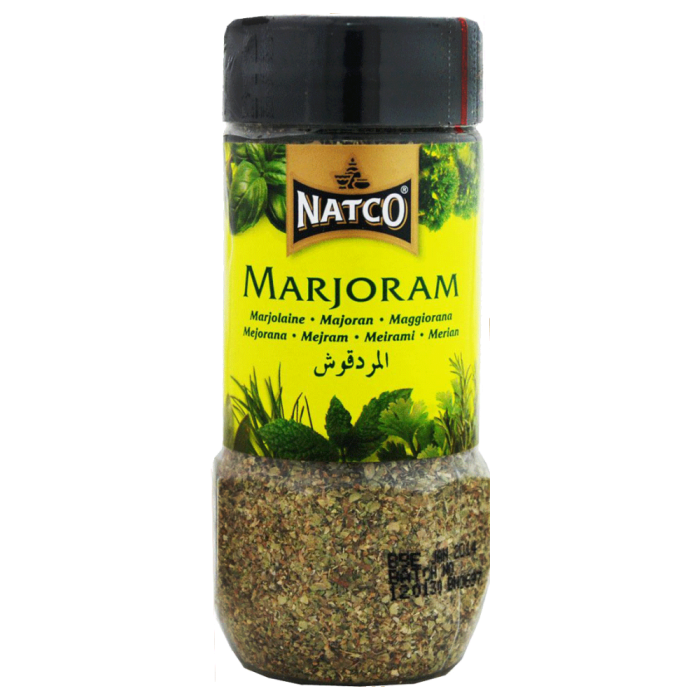
marjoram
We don't have a description for this ingredient yet.
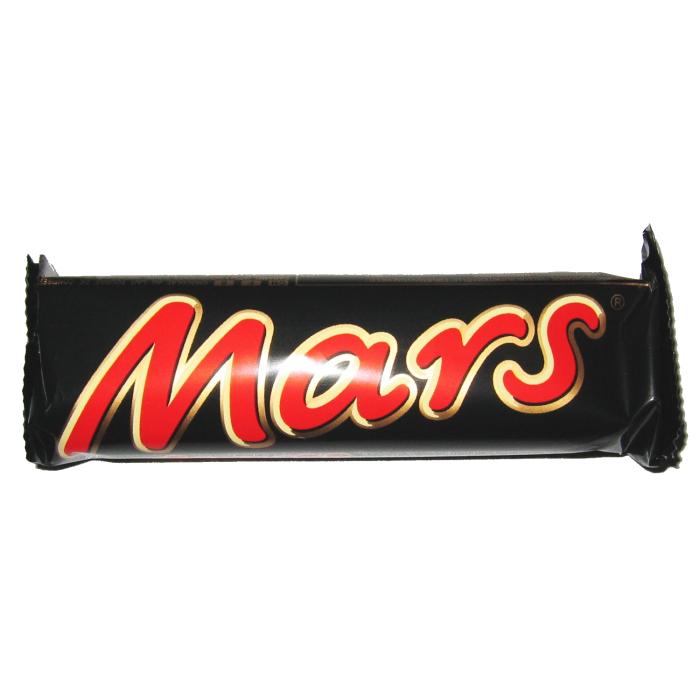
mars bar
Confectionery
Mars is a variety of chocolate bar produced by Mars, Incorporated. It was first manufactured in 1932 in Slough, England by Forrest Mars, Sr. The bar was sold in two different formulations. In its original British version the bar consists of milk chocolate surrounding caramel and nougat, developed to resemble the American candy bar known as the Milky Way, which had been introduced a decade earlier. An American version of the Mars Bar was produced which had nougat and toasted almonds covered in milk chocolate; later, caramel was added to the recipe as well. The American version was discontinued in 2002, though it has been revived for short runs since then.
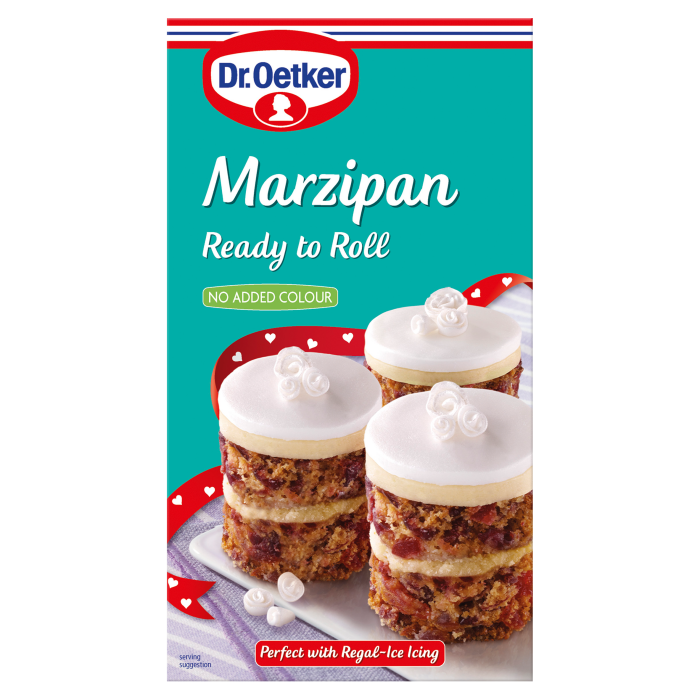
marzipan
We don't have a description for this ingredient yet.
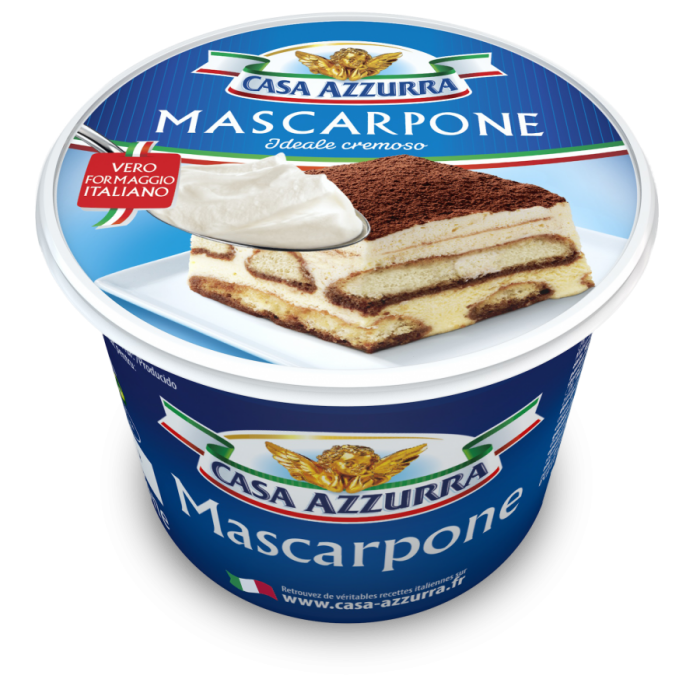
mascarpone
We don't have a description for this ingredient yet.
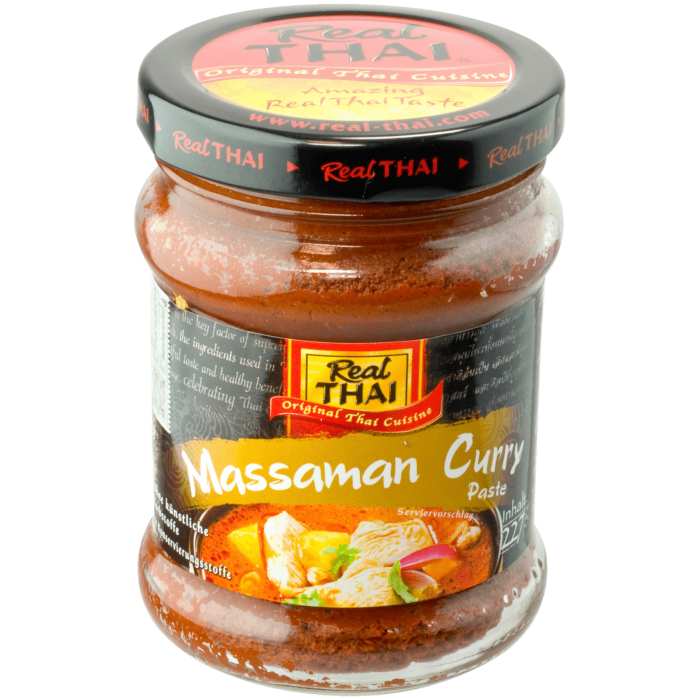
massaman curry paste
We don't have a description for this ingredient yet.
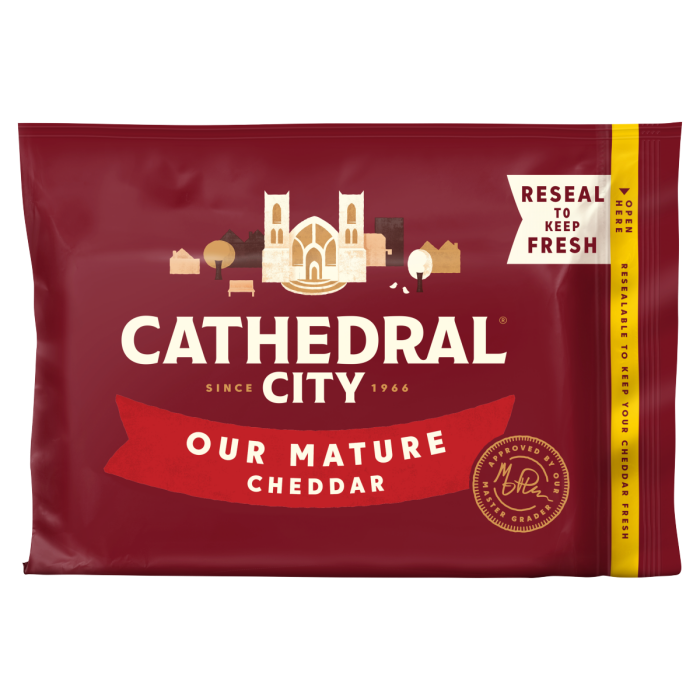
mature cheddar
Cheese
Mature cheddar cheese
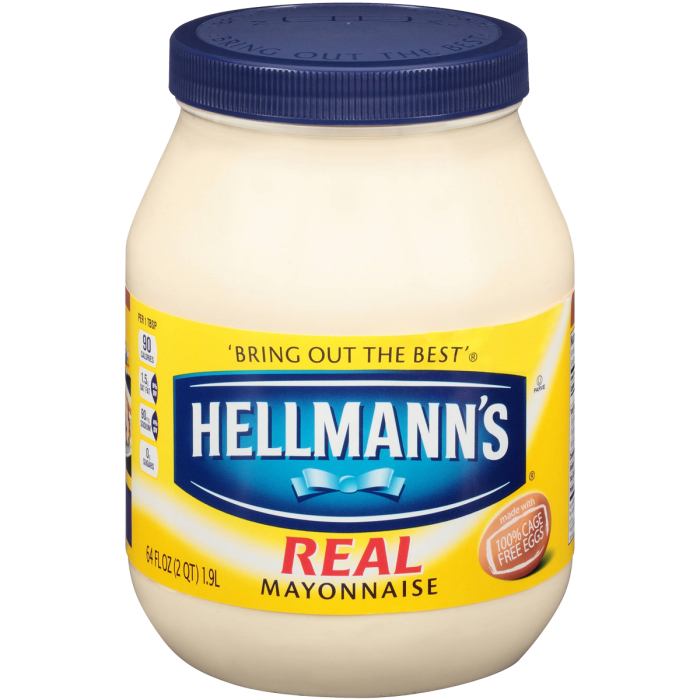
mayonnaise
Sauce
Mayonnaise, informally mayo is a thick cold condiment or dressing commonly used in sandwiches and composed salads or on French fries. It is also a base in sauces such as Tartar sauce.
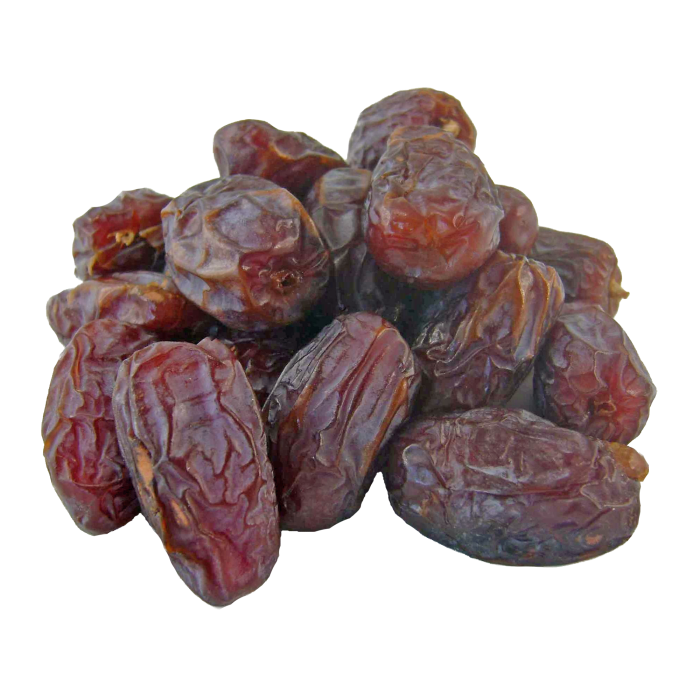
medjool dates
We don't have a description for this ingredient yet.
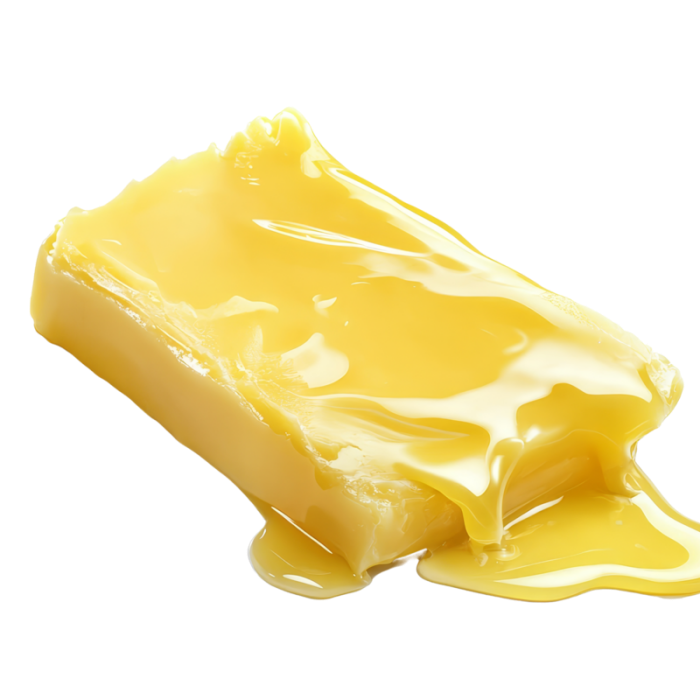
melted butter
Dairy
Melted butter is butter that has been heated until it becomes a liquid, typically on a stovetop or in a microwave. It has a different texture and purpose in cooking than softened or cold butter and will solidify again if cooled down. Common uses include making baked goods chewier or more moist, drizzling on popcorn or lobster, and forming the base for sauces like browned butter. How to melt butter Stovetop: Place butter in a small saucepan over low to medium heat. Stir occasionally until it liquefies. Microwave: Put butter in a microwave-safe dish. Heat in 30-second increments, stirring in between, until mostly melted. Stir until the remaining butter melts. Double boiler: Place butter in a bowl over a larger pot of simmering water. The gentle heat will melt it evenly. Important considerations Cooling: For most baking recipes, you should let the melted butter cool slightly before adding it to other ingredients to prevent them from cooking or curdling. The butter should be cool enough to handle but not solidify again. "Liquid butter" vs. "melted butter": Melted butter is not the same as "liquid butter," which is a product with added oils to keep it liquid even when chilled. Texture in baking: Using melted butter can change a recipe's outcome. It can make cookies chewier and cakes moister. In baked goods like pie crust, it will create a more compact, shortbread-like texture instead of flaky layers.
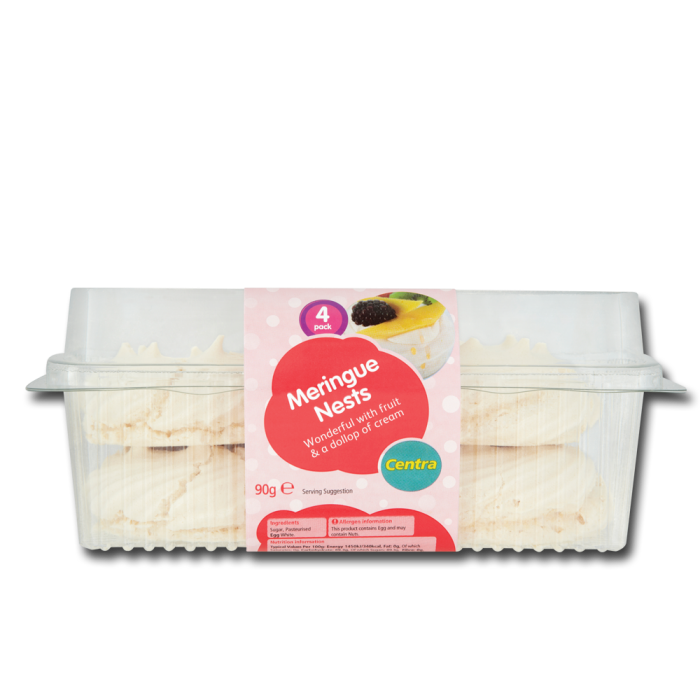
meringue nests
We don't have a description for this ingredient yet.
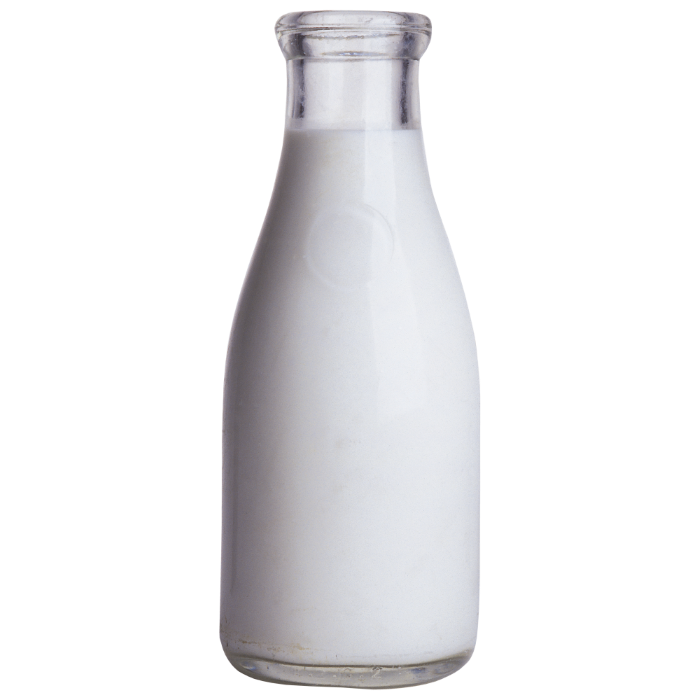
milk
We don't have a description for this ingredient yet.
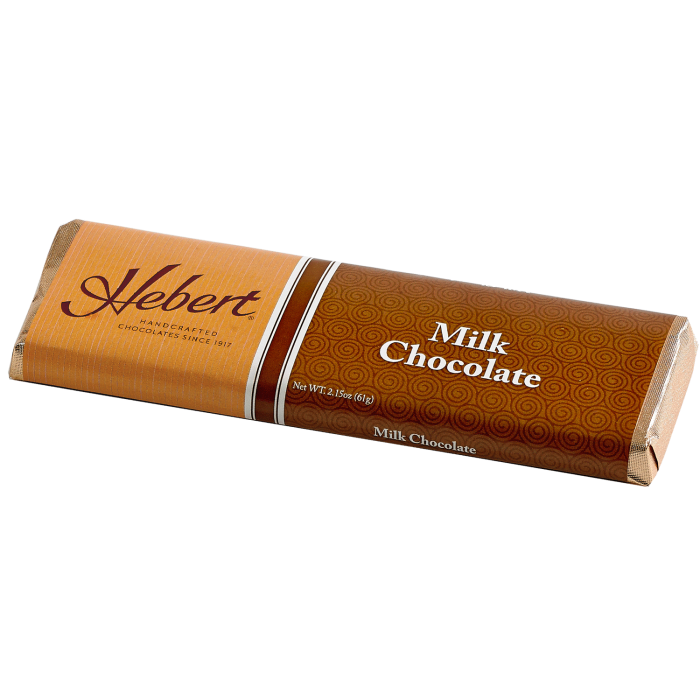
milk chocolate
We don't have a description for this ingredient yet.