Ingredients
Explore all the little things that make our recipes tasty.
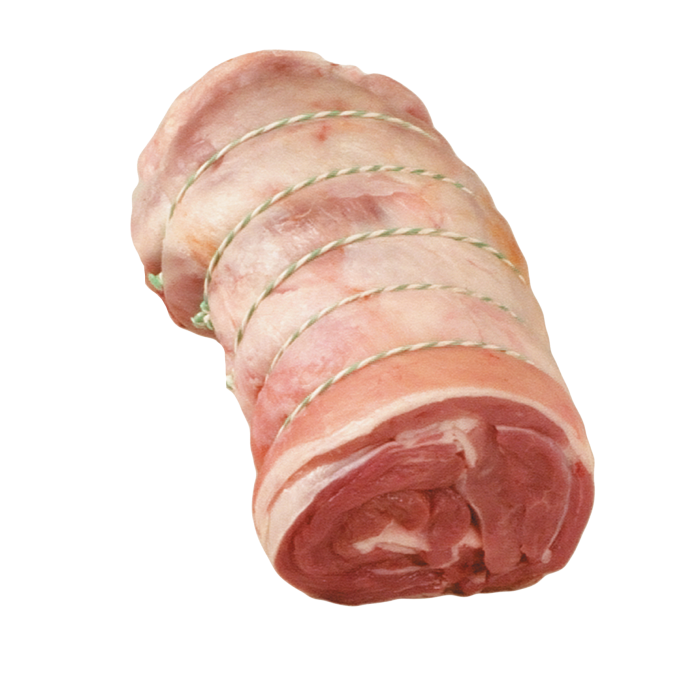
lamb
We don't have a description for this ingredient yet.
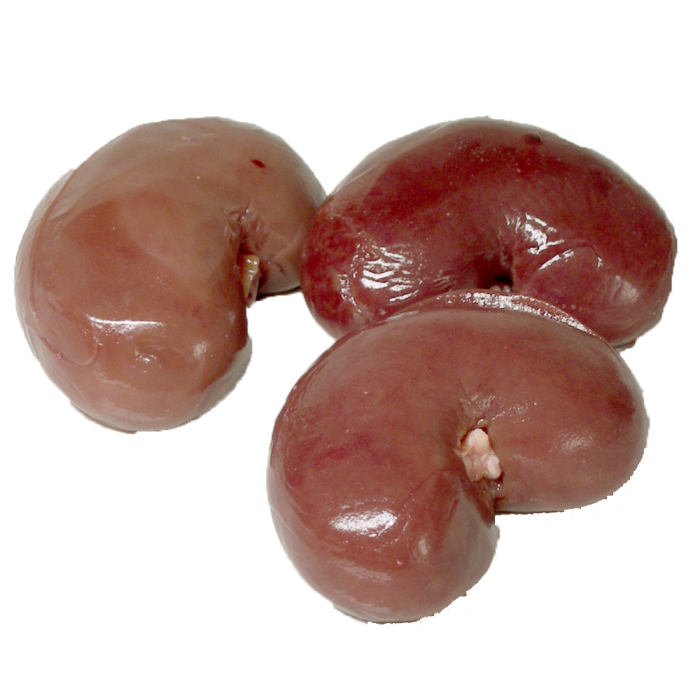
lamb kidney
We don't have a description for this ingredient yet.
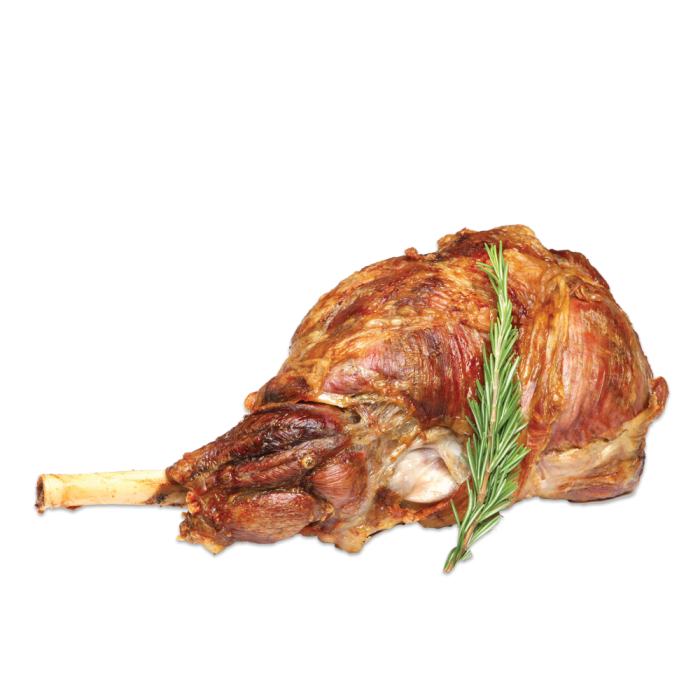
lamb leg
We don't have a description for this ingredient yet.
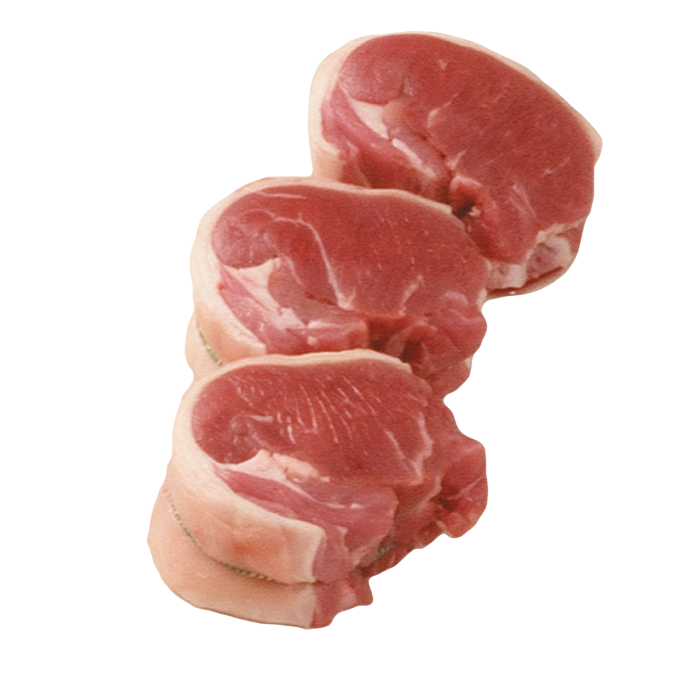
lamb loin chops
We don't have a description for this ingredient yet.
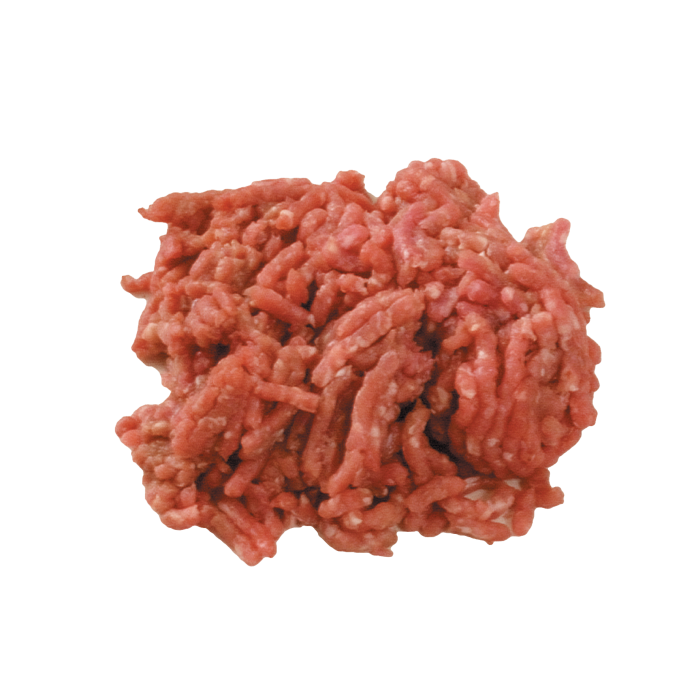
lamb mince
We don't have a description for this ingredient yet.

lamb shanks
Meat
Lamb shanks are a cut of meat from the lower part of a lamb's leg (the shin) that is tough but very flavorful due to its high content of connective tissue and collagen. This makes them ideal for slow, moist cooking methods like braising or stewing, which breaks down the tough tissues into tender, succulent meat that falls off the bone. Characteristics and cooking Cut: Taken from the lower part of the lamb's leg. Texture: Lean and tough without slow cooking, but becomes melt-in-your-mouth tender after long, slow cooking. Flavor: Rich and deep, enhanced by the bone which releases collagen and flavor into the cooking liquid. Best cooking methods: Braising, stewing, and slow roasting are the best ways to cook lamb shanks. Nutritional benefits A good source of protein, amino acids, vitamin B12, iron, zinc, selenium, and niacin. How to serve Serve over creamy mashed potatoes or polenta. Shred the cooked meat for use in sandwiches, tacos, or hearty stews.
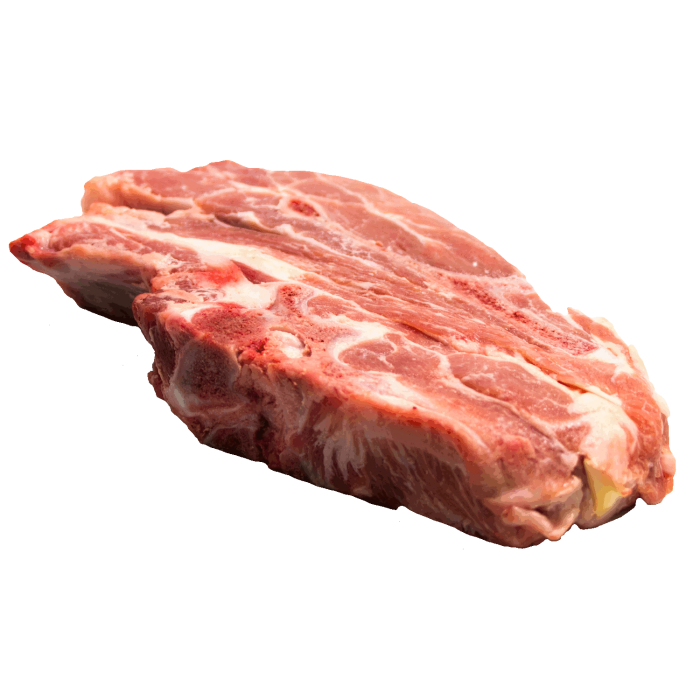
lamb shoulder
We don't have a description for this ingredient yet.
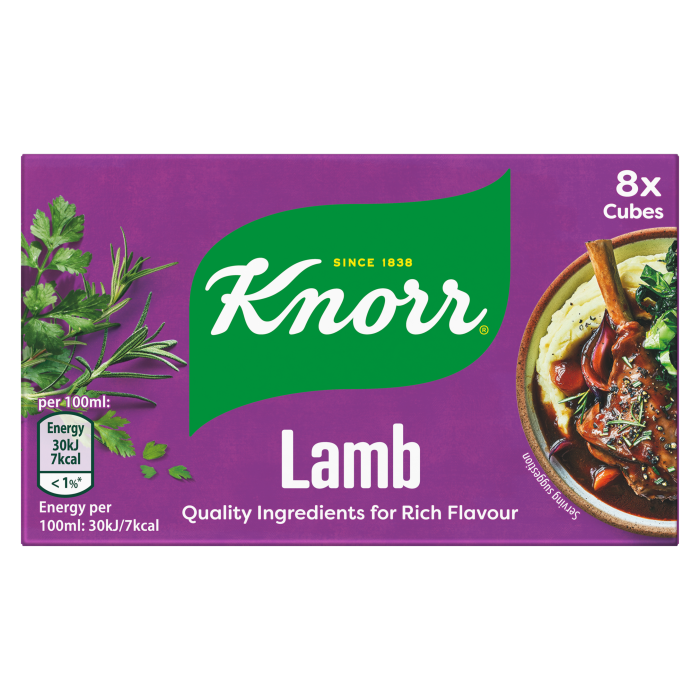
lamb stock
Sauce
Lamb stock is a flavorful liquid made by simmering lamb bones, often roasted beforehand, with water, vegetables, and seasonings to extract their flavor and nutrients. It is a versatile ingredient used as a base for rich and savory dishes like soups, stews, sauces, gravies, and risottos. A good lamb stock is deeply flavorful and adds body to dishes that would be harder to achieve with other stocks.

lard
We don't have a description for this ingredient yet.
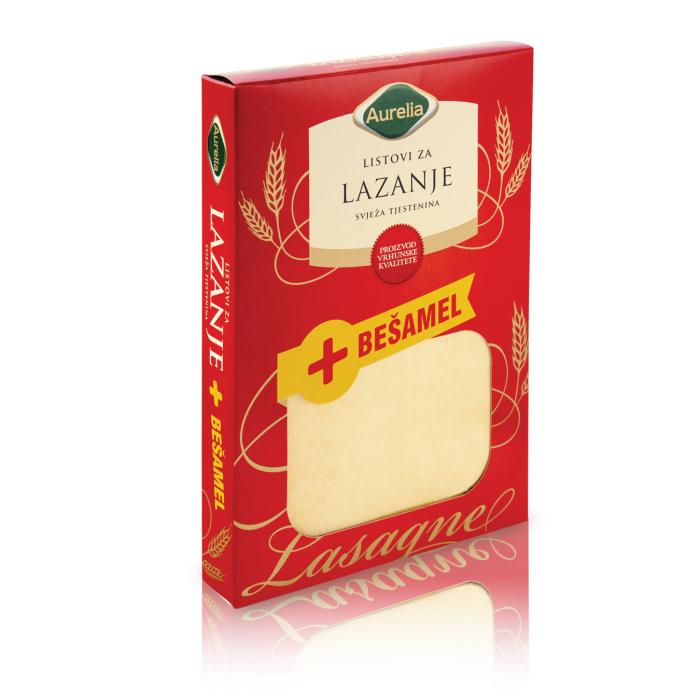
lasagne sheets
We don't have a description for this ingredient yet.
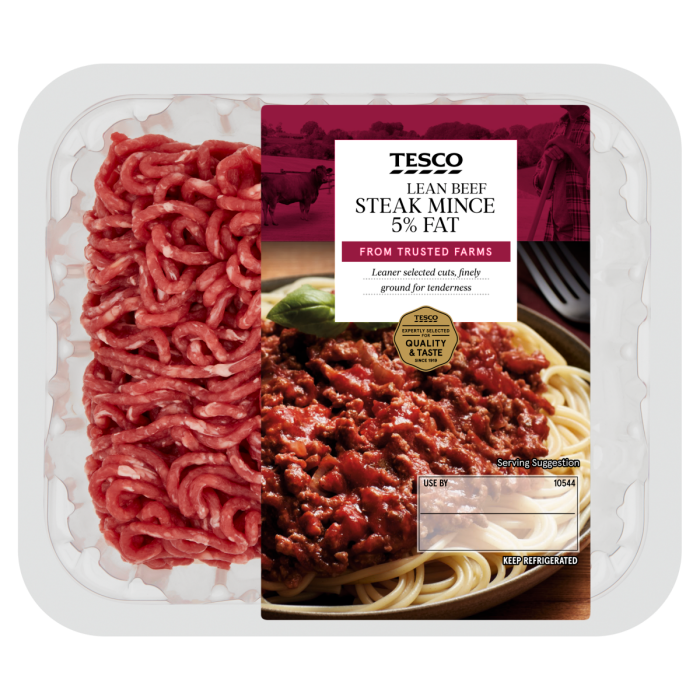
lean minced steak
Meat
A steak is a cut of meat sliced across muscle fibers, sometimes including a bone. It is normally grilled or fried, and can be diced or cooked in sauce. Steaks are most commonly cut from cattle (beefsteak), but can also be cut from bison, buffalo, camel, goat, horse, kangaroo,[1][2] sheep, ostrich, pigs, turkey, and deer, as well as various types of fish, especially salmon and large fish such as swordfish, shark, and marlin. Some cured meat, such as gammon, is commonly served as steak. Some cuts are categorized as steaks not because they are cut across the muscle fibers, but because they are relatively thin and cooked over a grill, such as skirt steak and flank steak.
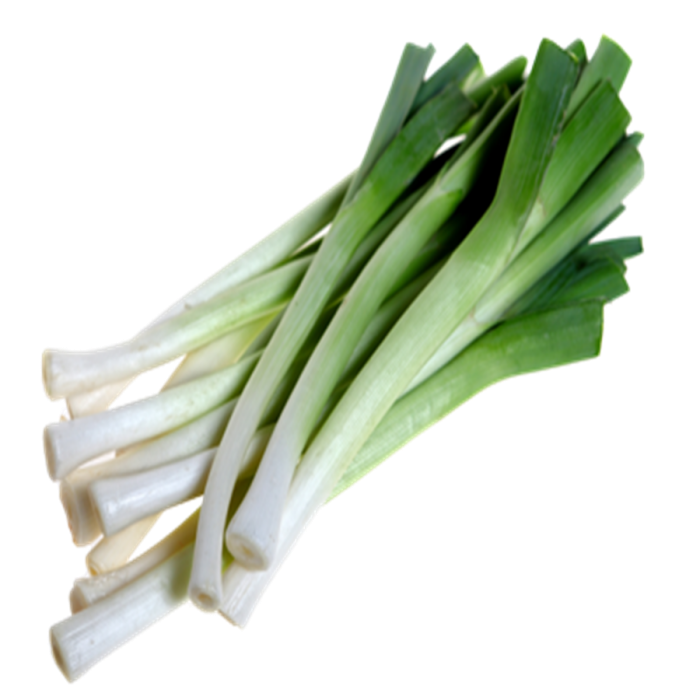
leek
We don't have a description for this ingredient yet.
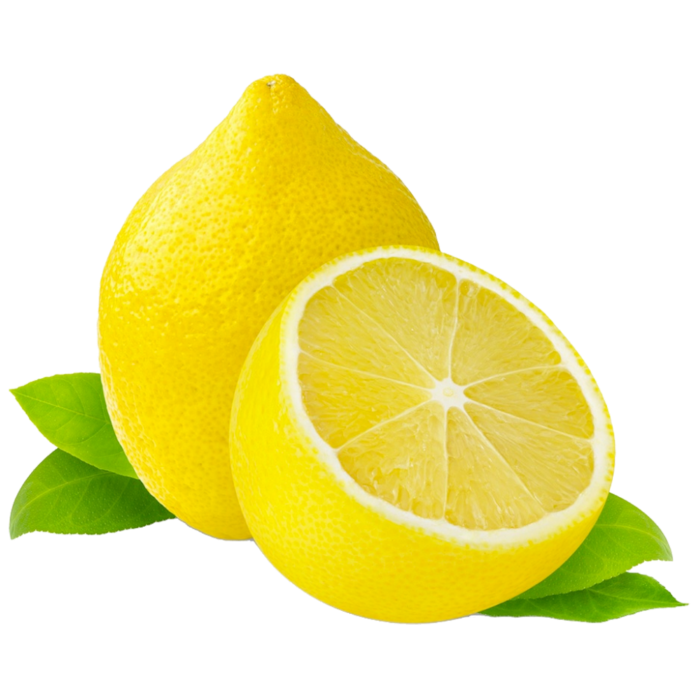
lemon
We don't have a description for this ingredient yet.

lemon juice
We don't have a description for this ingredient yet.
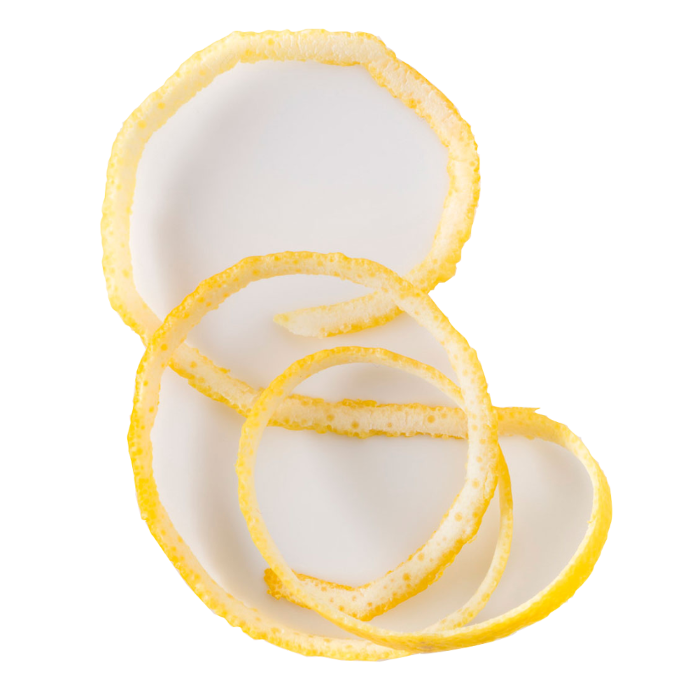
lemon zest
We don't have a description for this ingredient yet.
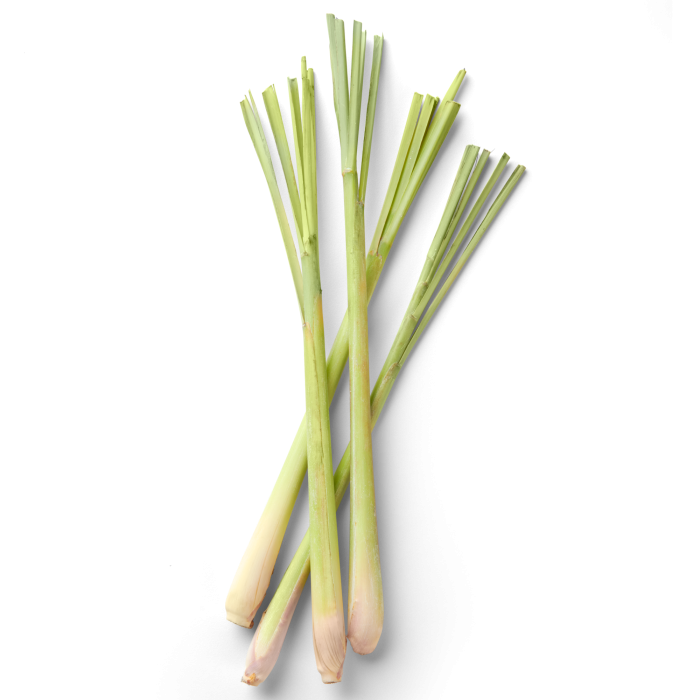
lemongrass
Seasoning
Lemongrass is a fragrant, citrus-scented grass native to Asia and Africa that is widely used as a culinary herb in Southeast Asian and other cuisines. It has a lemony flavor and aroma, despite not being sour, and can be used in soups, curries, salads, and teas. It is prepared by finely chopping the tender inner part of the stalk or by bruising the whole stalk to release its aromatic oils. Culinary uses Soups and curries: The stalk is often added whole to infuse broths with its flavor before being removed, or it can be finely chopped and cooked into the dish. Salads and sauces: Finely minced lemongrass adds a bright, citrusy note to fresh salads and various sauces. Tea: Lemongrass leaves can be used to make a fragrant and refreshing tea, often for its perceived health benefits. Marinades: It is used in marinades for meats and seafood to add a unique, aromatic flavor. Preparation To use the stalk for cooking, trim the bottom and peel off the tough outer layers. For recipes, only the lower 7-8 cm of the stalk is typically used and can be chopped finely or pounded into a paste. Bruising the stalk with a rolling pin helps to release more of its aromatic oils when added to a dish whole. Other uses Insect repellent: Lemongrass contains citronella, which is a natural insect repellent. Aromatherapy: The essential oil is used as a natural air freshener and can be used in homemade candles or potpourri for its pleasant scent. Traditional medicine: In some traditional medicine systems, lemongrass is used for its purported properties, such as its calming effects, antibacterial and antifungal agents.
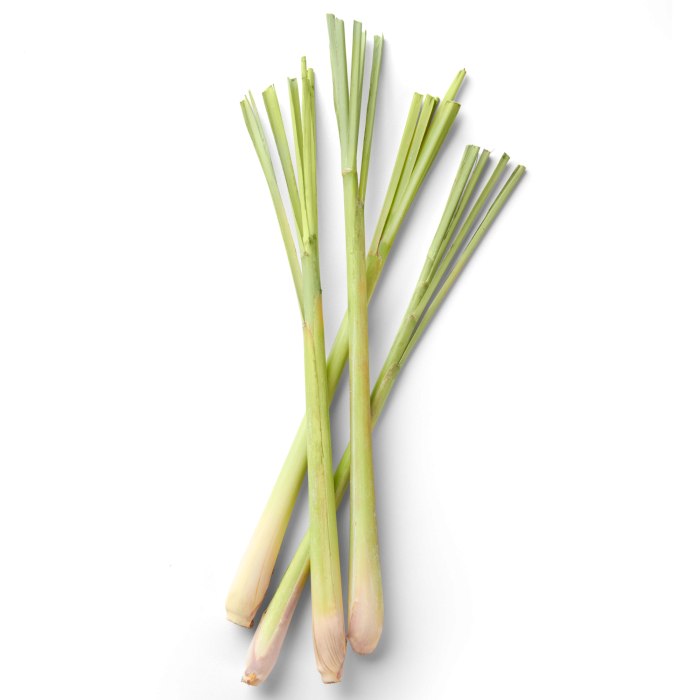
lemongrass stalks
Seasoning
Lemongrass stalks are the thick, woody, green and yellow stems of the Cymbopogon citratus plant, which are used as a culinary herb for their bright, lemony flavor. They resemble large spring onions but have a tougher, more fibrous texture and are primarily used in Southeast Asian cooking, though they also appear in Western dishes. The flavor comes from aromatic oils, which are released when the stalk is bruised, pounded, or chopped. Uses Flavoring: Lemongrass adds a fresh, citrusy note to a wide variety of dishes, especially soups, curries, and stir-fries. It can be used whole, bruised, sliced, or finely chopped to infuse flavor. Tea: The leaves can be used to make a light, lemony tea. Garnish: The stalks can be used as skewers for kebabs. Preparation Preparation is key: The tough, fibrous outer layers of the stalk should be peeled off before use. Bruising: For a more intense flavor, bruise the stalk with the back of a knife or a rolling pin before adding it to a dish. Chopping/pounding: The bottom 3-4 inches of the stalk are the most edible and flavorful part. It is important to finely chop or pound this section before cooking, as the upper portion is too tough and woody. Removing: If using the stalk whole for flavor, it is recommended to remove it before serving the dish. Shopping and storage Selection: Choose firm, heavy stalks that are green and yellow at the ends and show no signs of bruising. Storage: Fresh stalks can be stored in the freezer for up to a month, wrapped well. Freeze-dried: Freeze-dried stalks are also available, which can be reconstituted in warm water before use.
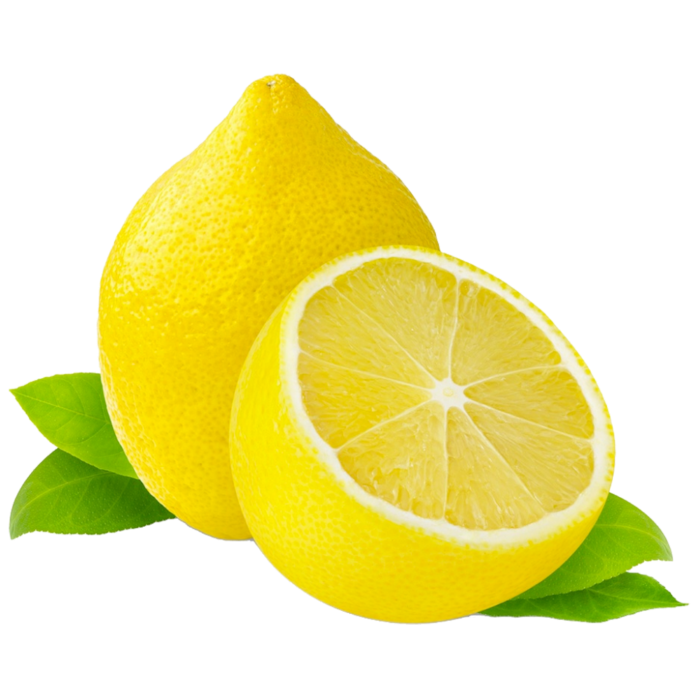
lemons
We don't have a description for this ingredient yet.
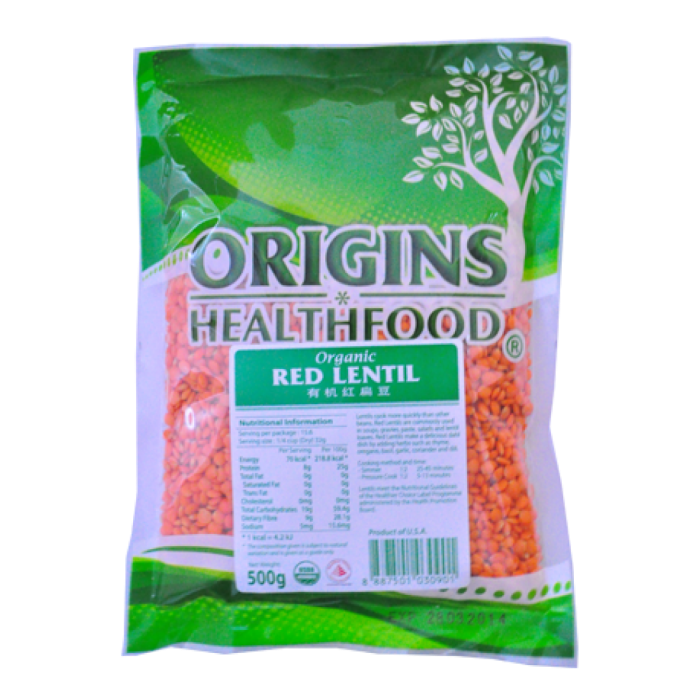
lentils
We don't have a description for this ingredient yet.
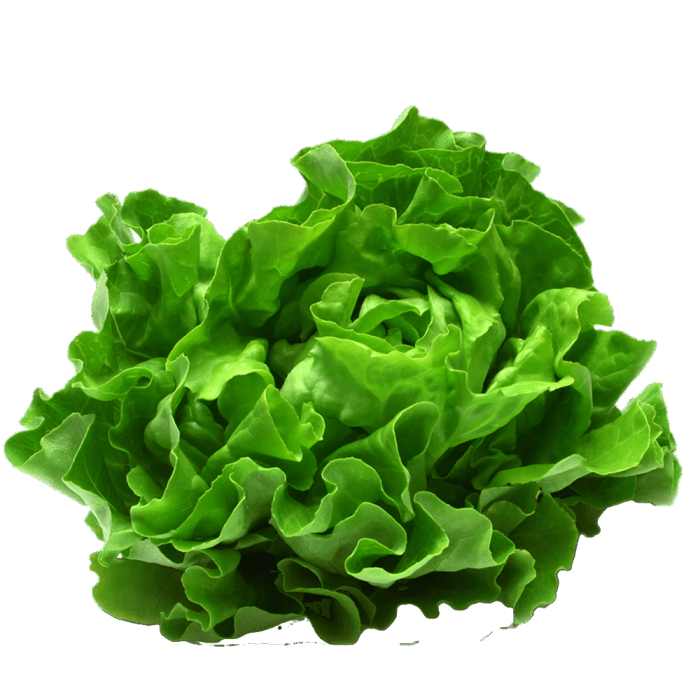
lettuce
We don't have a description for this ingredient yet.
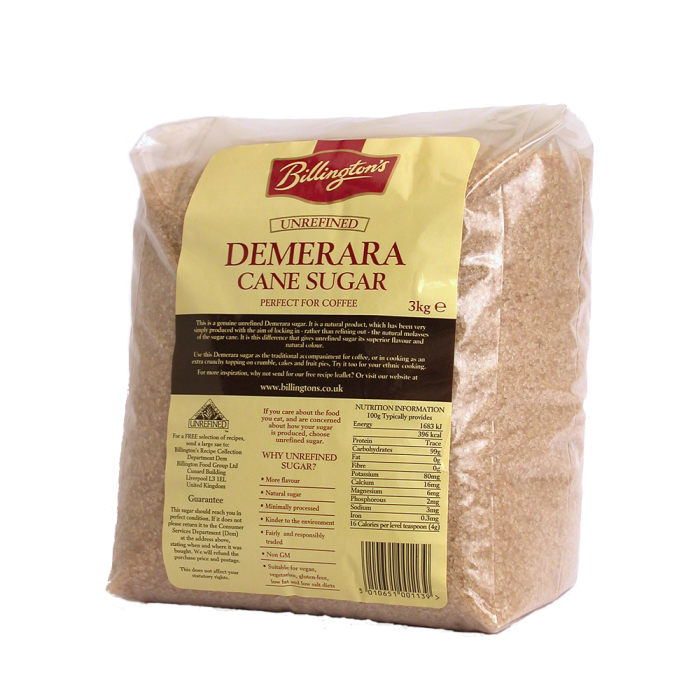
light brown soft sugar
We don't have a description for this ingredient yet.
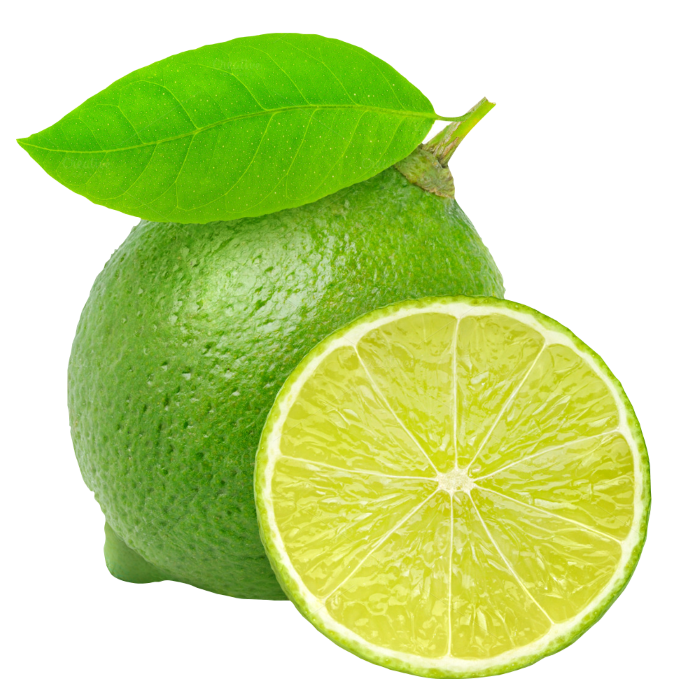
lime
We don't have a description for this ingredient yet.
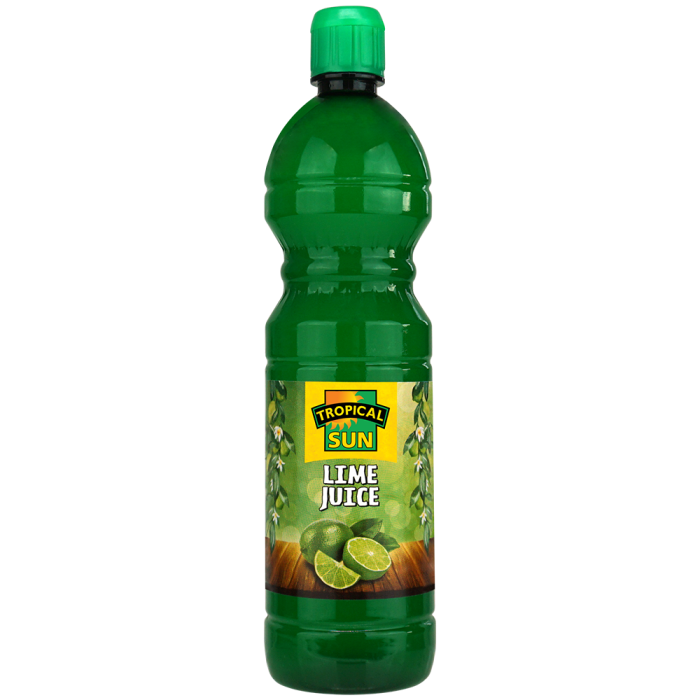
lime juice
Dressing
Lime juice is the acidic, tart liquid extracted from fresh limes, commonly used in cooking and drinks for its zesty flavor. It is rich in vitamin C and citric acid, which can be used to balance flavors in both sweet and savory dishes, as well as in cocktails and marinades. Uses Cooking: Lime juice can be used to add a sharp, zesty flavor to a variety of dishes, including curries, soups, broths, and salads. It's also a key ingredient in desserts like key lime pie. Drinks: It is a common and essential ingredient in cocktails, where its acidity helps to balance the alcohol. It is also used to make refreshing drinks like lemonade. Marinades and sauces: The acidity of lime juice can help tenderize meat and is used in marinades for its flavor-enhancing properties. It is also a base for salad dressings and sauces. Nutritional benefits Vitamin C: Limes are a good source of vitamin C, which is important for protecting the body from infection and aiding in healing. Antioxidants: The antioxidants in limes may help reduce inflammation. Kidney stones: The citric acid in lime juice may help prevent kidney stones. Making lime juice To make fresh lime juice, cut a room-temperature lime in half and twist it over a juicer or reamer to extract the liquid. For a smoother juice, strain out any pulp. Some recipes suggest using Persian or Key limes for the best flavor and juice yield.
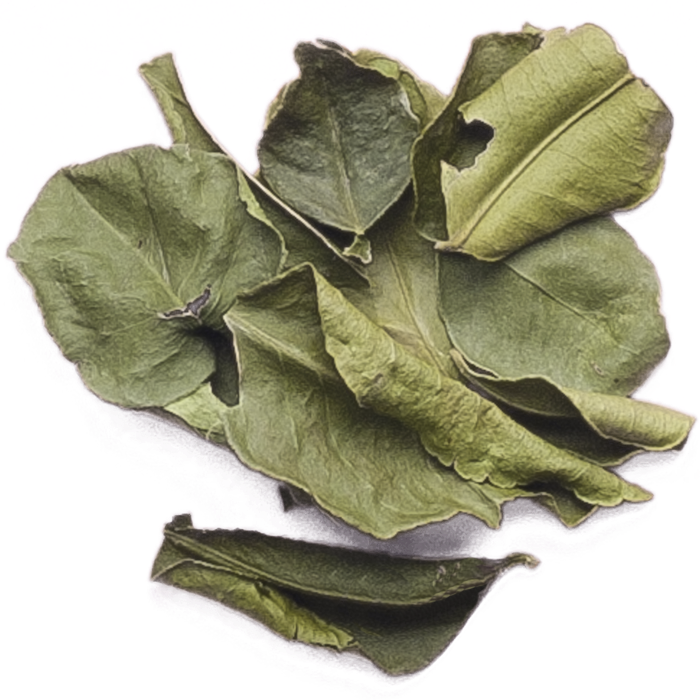
lime leaves
Seasoning
Lime leaves, also known as makrut lime leaves, are fragrant, double-shaped leaves from a Southeast Asian citrus tree that are a key ingredient in cuisines like Thai and Malaysian. They have a distinctive citrus scent and a complex flavor, described as both bright and floral, and are used whole or finely chopped in dishes such as curries, soups, and stir-fries. The leaves have a shiny, dark green side and a porous, pale side, and their unique hourglass shape is formed by two leaves joined together at the stem.