Ingredients
Explore all the little things that make our recipes tasty.

ice cream
We don't have a description for this ingredient yet.
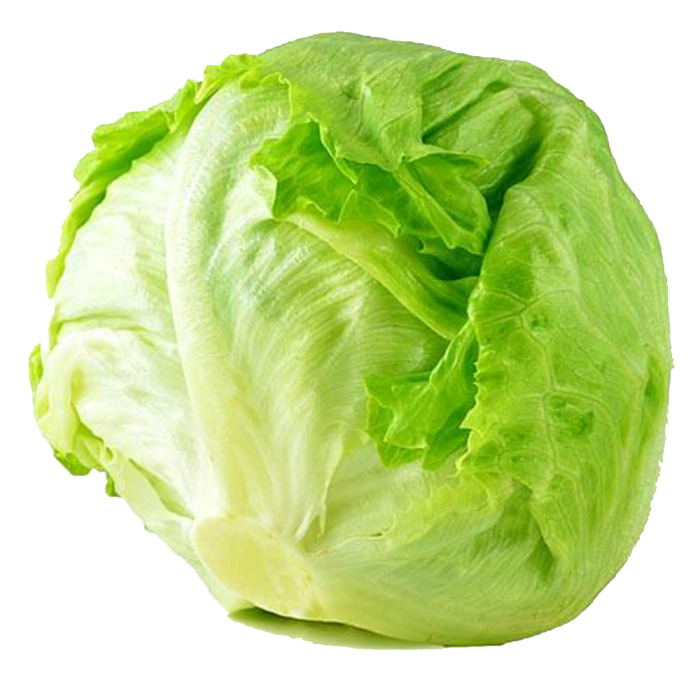
iceberg lettuce
Vegetable
Iceberg is a variety of lettuce with crisp leaves that grow in a spherical head resembling cabbage. It is considered one of the sweeter lettuce varieties like romaine and butterhead. Mature iceberg lettuce grows to about one foot in diameter.

icing sugar
We don't have a description for this ingredient yet.

instant yeast
Grain
Instant yeast, also known as rapid-rise or quick-rise yeast, is a fast-acting leavening agent with finer granules that can be mixed directly into dry ingredients without needing to be proofed first. It is a concentrated, dry form of yeast that is ideal for quick-rising doughs, as it activates very quickly and can shorten baking time. Key characteristics and uses Appearance: It has smaller, superfine granules compared to active dry yeast. Activation: It can be added directly to dry ingredients and does not need to be dissolved in water first. Speed: It works faster than active dry yeast, making it suitable for recipes that require a single, quick rise. Convenience: It is convenient for use in recipes like bread, cakes, and pizza dough because it is ready to use straight from the package. Synonyms: Other names for instant yeast include "quick rise," "fast-acting," and "bread machine" yeast. Additives: Some instant yeasts are produced with additives like ascorbic acid to act as a dough conditioner, further speeding up the rise.
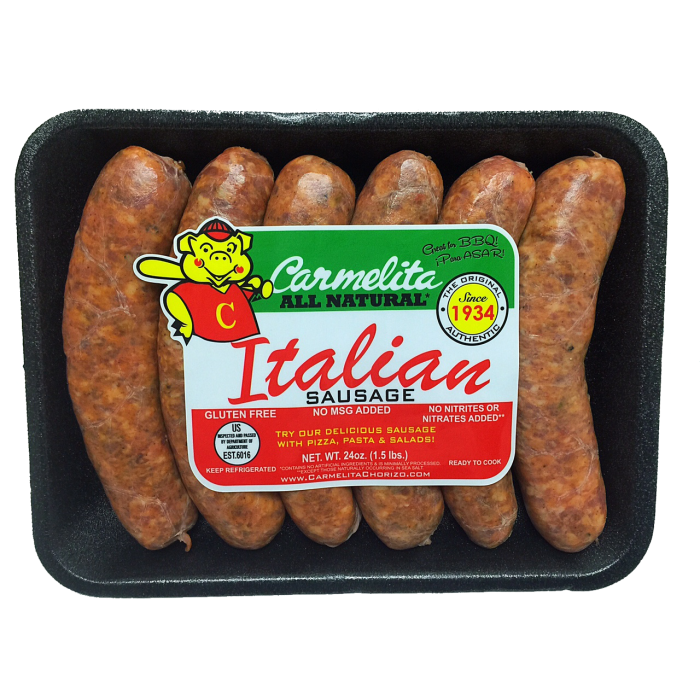
italian fennel sausages
We don't have a description for this ingredient yet.
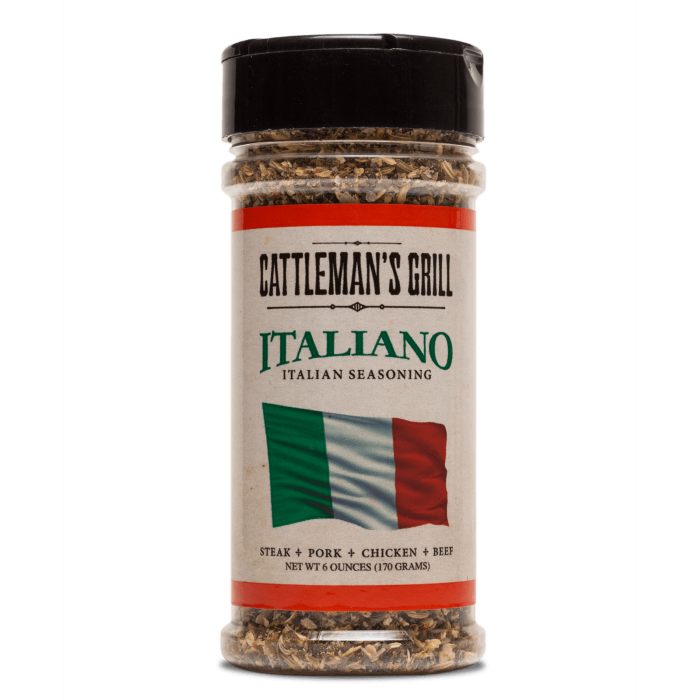
italian seasoning
We don't have a description for this ingredient yet.
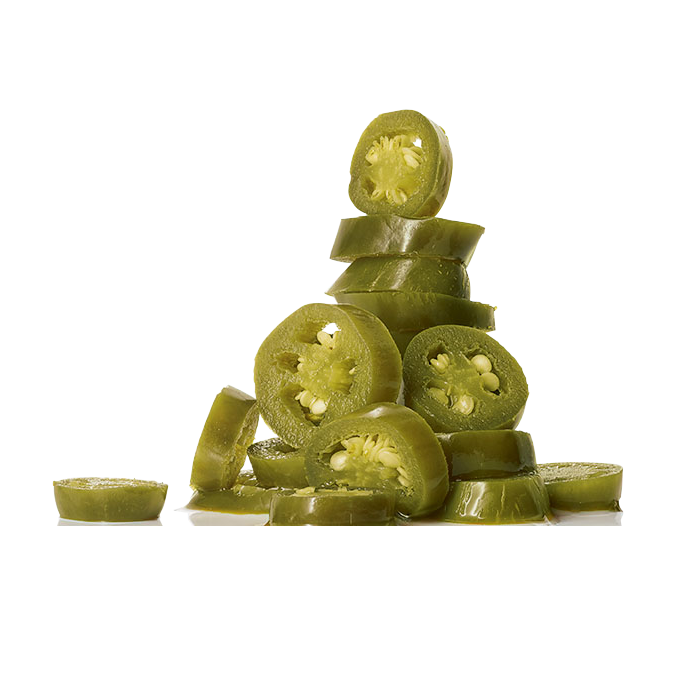
jalapeno
We don't have a description for this ingredient yet.
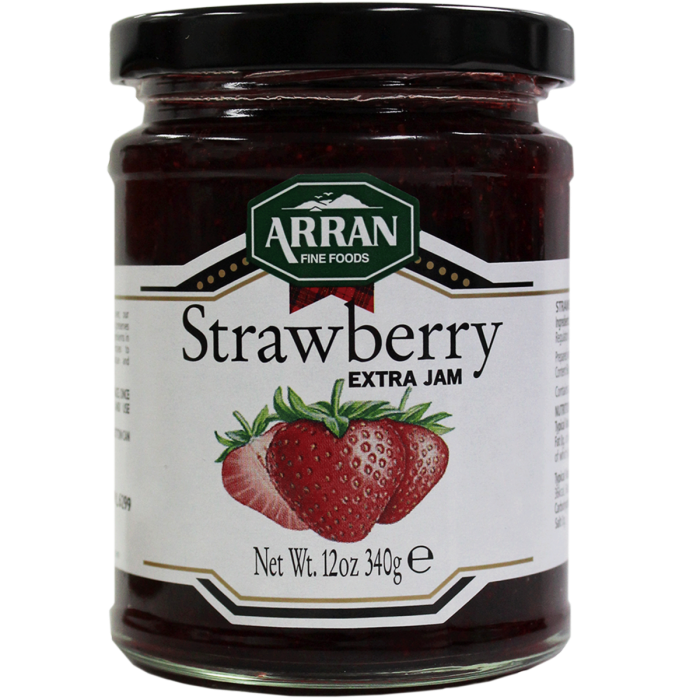
jam
Preserve
Fruit preserves are preparations of fruits, vegetables and sugar, often stored in glass jam jars and Mason jars. Many varieties of fruit preserves are made globally, including sweet fruit preserves, such as those made from strawberry or apricot, and savory preserves, such as those made from tomatoes or squash. The ingredients used and how they are prepared determine the type of preserves; jams, jellies, and marmalades are all examples of different styles of fruit preserves that vary based upon the fruit used. In English, the word, in plural form, "preserves" is used to describe all types of jams and jellies.

jamaican curry powder
Seasoning
Jamaican curry powder is a distinct spice blend with a warm, earthy flavor and a vibrant yellow color, rich in turmeric, and featuring ingredients like allspice, cumin, coriander, and fenugreek. It differs from other curry powders by incorporating Jamaican allspice (pimento) and often contains other spices like cloves, cinnamon, and ginger for a balanced taste that is bold but not necessarily very hot.
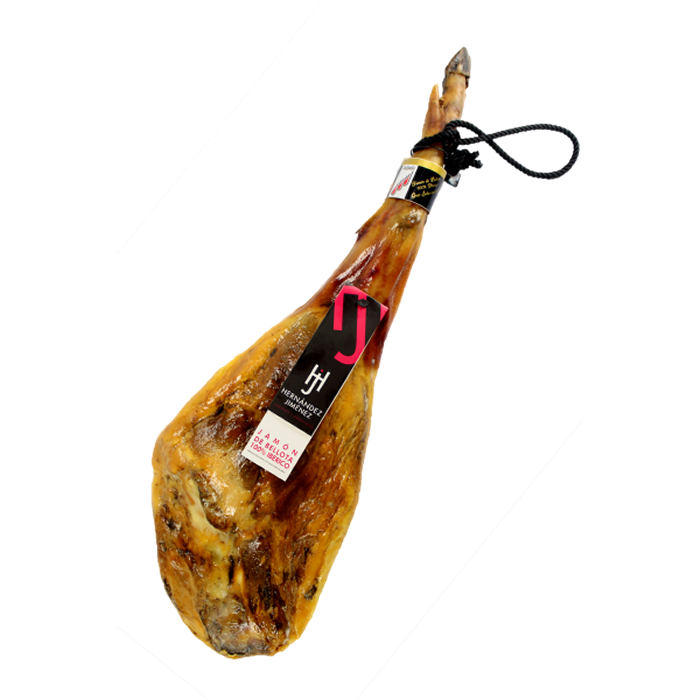
jamón ibérico
Meat
Jamon Ibérico is a type of cured ham from the Iberian Peninsula, made from the hind legs of black Iberian pigs. It is known for its rich, complex flavor, marbled fat that melts in your mouth, and a long, meticulous curing process. The quality of the ham is determined by the pig's diet and genetics, with the most prized varieties made from 100% Iberian pigs that are free-range and fed a diet of acorns. Characteristics Origin: The Iberian Peninsula, specifically Spain and Portugal. Meat: Comes from the black Iberian pig breed, which has a unique ability to infiltrate fat into muscle tissue. Flavor: Intense, nutty, and complex, with a savory, sweet, and salty taste. Texture: Softer than other hams, with a melt-in-your-mouth quality due to its marbled, infiltrated fat. Curing: A lengthy process of salting, drying, and aging that can last for years, contributing to the depth of flavor. Key factors influencing quality Genetics: The pig must be at least 50% Iberian, with the highest quality coming from 100% pure-bred Iberian pigs. Diet: The diet is a primary factor in the final taste. The highest grade, known as "de bellota," comes from pigs that have eaten acorns and natural grasses during the "montanera" season. Rearing: Pigs are raised in free-range environments where they can roam and graze, which contributes to their development and health. Grades of Jamón Ibérico Black Label: 100% Iberian pig fed a diet of acorns and natural grasses, considered the highest quality (Jamon Iberico de Bellota). Red Label: Between 50-75% Iberian pig, raised free-range and fed acorns during the montanera season. Green Label: At least 50% Iberian pig, raised free-range but fed a diet that includes fodder as well as grass. White Label: The lowest tier, with pigs only needing to be at least 50% Iberian and raised in pens on a fodder-based diet.
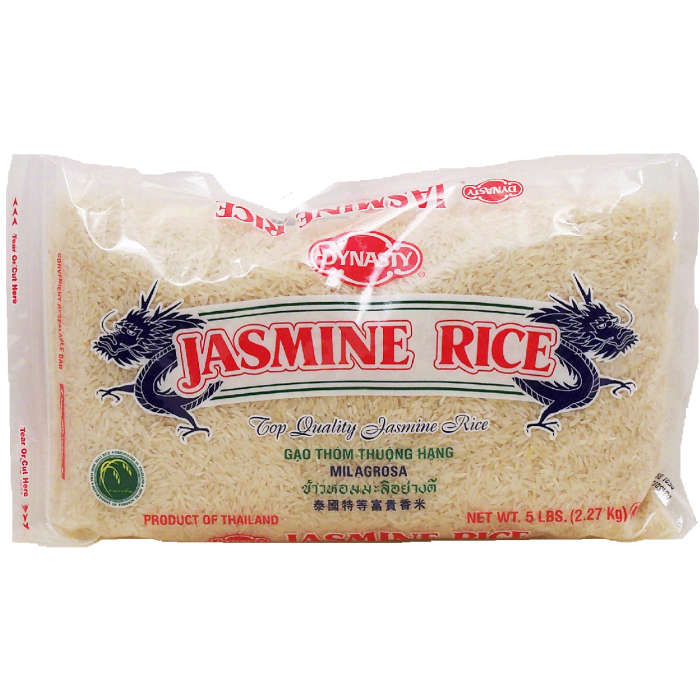
jasmine rice
We don't have a description for this ingredient yet.
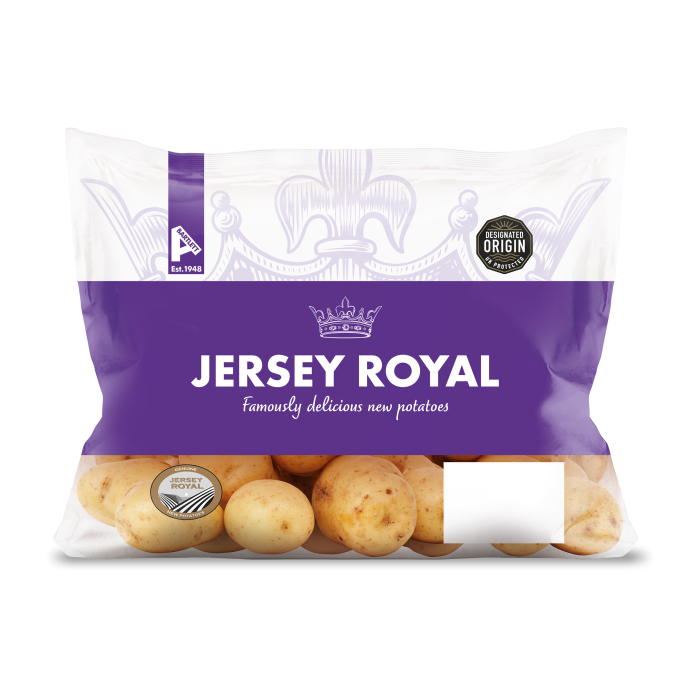
jersey royal potatoes
Root Vegetable
A Jersey Royal is a type of new potato, small and kidney-shaped, with a firm, waxy texture and a nutty, earthy flavor. Grown exclusively on the island of Jersey, these potatoes have thin, paper-like skin and are prized for their delicate taste and versatile use in salads, as a boiled side dish, or roasted. They are considered a seasonal specialty, appearing in the spring. Characteristics Appearance: Small, kidney-shaped potatoes with a smooth, thin skin. Texture: Firm and waxy flesh that holds its shape well during cooking. Flavor: Nutty and earthy, described as rich and buttery. Best served: Boiled or steamed with the skin on, as much of the flavor is just underneath. Growing and origin Origin: The potato variety was discovered by chance in Jersey in 1878. Protected status: Jersey Royals have a Protected Designation of Origin (PDO), meaning they can only be grown on the island of Jersey. Growing conditions: The island's unique microclimate and fertile soil, often enriched with seaweed fertilizer (Vraic), contribute to their distinctive taste. Harvesting: They are planted by hand and are the first new potatoes of the year in the UK, harvested from approximately March to June.
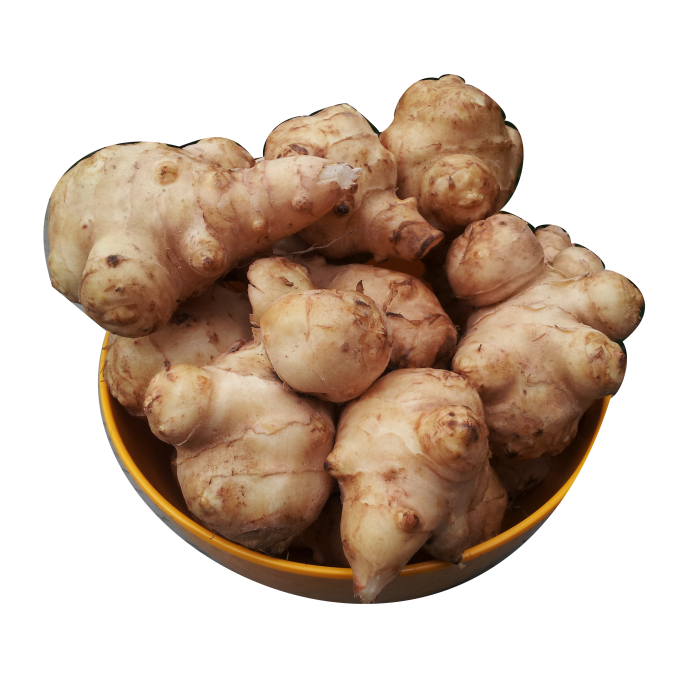
jerusalem artichokes
We don't have a description for this ingredient yet.
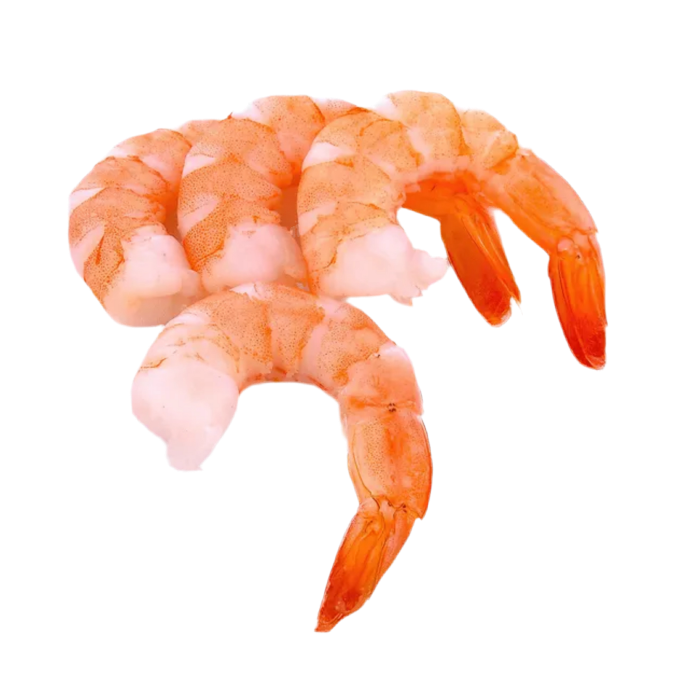
jumbo shrimp
Fish
"Jumbo shrimp" refers to very large shrimp sold for food, typically around 13-15 shrimp per pound, and is also a common example of an oxymoron (a contradictory phrase) because "jumbo" means big and "shrimp" means small. While the term is a bit contradictory, it accurately describes large-sized crustaceans that are popular in dishes like cocktails, skewers, and seafood platters. Meaning in food & sizing Size category: "Jumbo" is a marketing term indicating large shrimp, usually 13-15 count per pound, meaning fewer, larger shrimp fill a pound. Count: The number per pound is key; smaller numbers (like 8/12 for colossal) mean bigger shrimp, while larger numbers (like 71/90 for small) mean smaller ones. Usage: Jumbo shrimp are great for grilling or frying because their size holds up better to heat. Linguistic meaning Oxymoron: The phrase is famous for being a humorous contradiction, as "jumbo" implies huge and "shrimp" implies small. Other uses Sports: It's also the name of a Triple-A Minor League Baseball team, the Jacksonville Jumbo Shrimp.
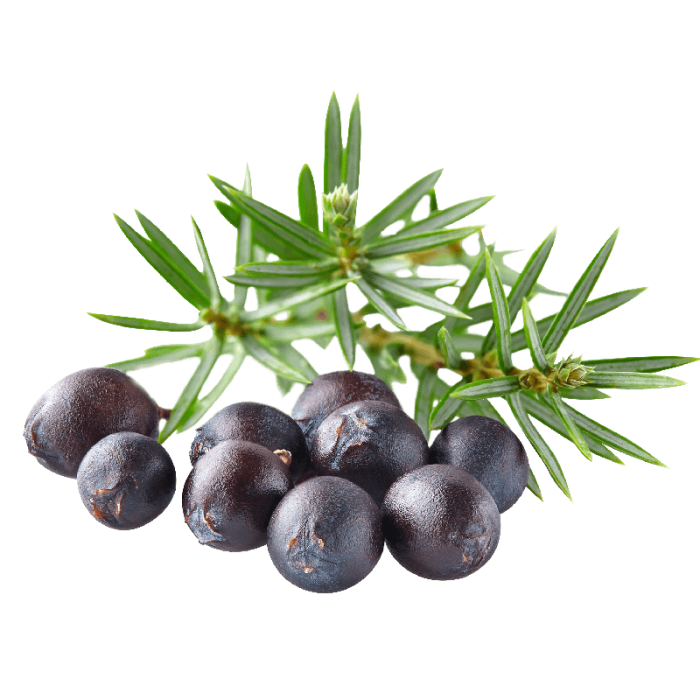
juniper berries
Fruit
Juniper "berries" are not true berries but the fleshy, cone-like female seed cones of juniper plants, most notably Juniperus communis. They are a key ingredient in gin, providing its distinctive piney and citrusy flavor, and are also used as a spice in European cuisine to flavor dishes like sauerkraut, game meats, and red wine sauces. The berries are small, typically mature to a dark purple-black color, and have a sharp, peppery, and somewhat resinous taste. What they are Modified conifer cones: They are technically a type of modified conifer cone, not a true fruit. Appearance: They are small, round, and grow to a deep purple-black color when mature, though they start green. Flavor: They have a sharp, piney flavor with citrusy and peppery notes that cut through rich and fatty foods. Common uses Gin: Juniper berries are the defining botanical that gives gin its characteristic flavor. Cooking: They are frequently used to flavor rich meats like venison, duck, and pork, and are also a traditional ingredient in German sauerkraut. Other uses: They can be added to pates, marinades, and red wine sauces, and can be used in pickling or dressings. Preparation: To maximize flavor, it is recommended to crush the berries lightly with a mortar and pestle before using them. Important considerations Storage: To maintain flavor, store whole berries in an airtight container in a cool, dry place. Caution: The fruit from some juniper species can be toxic. It is safest to use berries from the Juniperus communis plant and to consume them in moderation. Historical use: Historically, juniper has been used as a herbal remedy for digestive and urinary issues, though it is not a substitute for modern medicine, and you should consult a doctor for any health concerns.

kabanos sausages
Meat
Kabanos sausages are red due to the pork and spices used, combined with a smoking and drying process that gives them a dark red color and a smoky flavor. They are a type of long, thin, dry sausage originating from Poland, typically made of pork, and are often eaten as a snack. Ingredients and process: Kabanos is made from pork that is spiced with pepper, nutmeg, sugar, and caraway. After being stuffed into sheep casings, the sausages are smoked and hung to dry. This process concentrates the flavor and results in the sausage's characteristic dark red color. Flavor: The "redness" is not from artificial coloring but from the natural reaction of the meat and spices during the smoking and drying process. The final product has an intense, smoky, and savory flavor with notes of pepper and caraway. Variations: Some versions may have a "chilli" flavor, but this is specifically added and is different from the traditional color of the sausage. There are also other variations, such as those made with chicken or other ingredients.
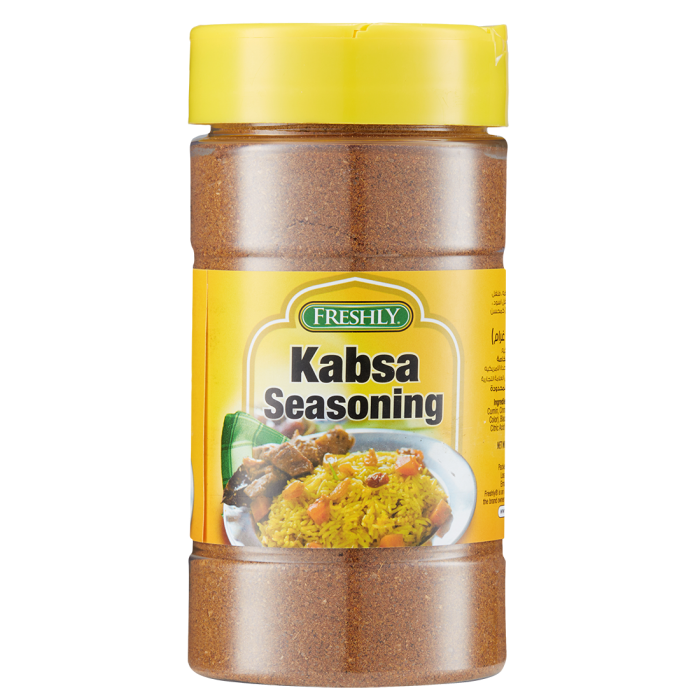
kabse spice
Seasoning
Medfoods – Kabsa Spice 200g – Victoria's BasementKabsa spice is a Middle Eastern spice blend used to season the traditional dish of the same name, which consists of spiced rice with meat. It's a warm, aromatic mix that balances earthy, sweet, and tangy flavors, and typically includes spices like cardamom, cinnamon, cumin, and cloves, often with the addition of black lime and nutmeg. Key ingredients Aromatic spices: Cardamom, cinnamon, and cloves Earthy spices: Cumin and coriander Heat: Cayenne or black pepper Unique elements: Black lime (loomi) powder and nutmeg Other common additions: Saffron, bay leaves, and sometimes turmeric What it's used for Kabsa: This is the primary use, seasoning the rice and meat in this popular Saudi and Arabian Peninsula dish. Marinades and rubs: It can be used as a dry rub for grilled meats or mixed into marinades. Stews and soups: The blend can add depth to stews, soups, and other slow-cooked dishes. Rice dishes: It can be used to simply season rice or rice and vegetable dishes.
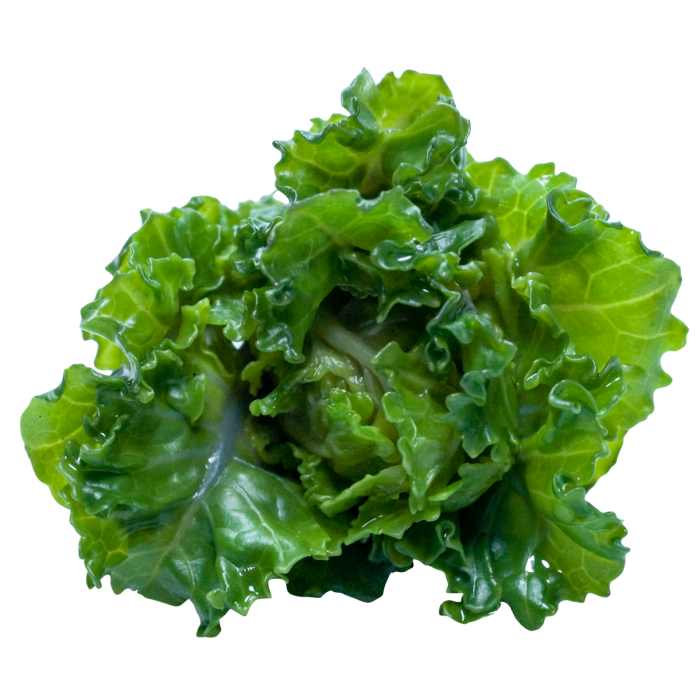
kale
We don't have a description for this ingredient yet.
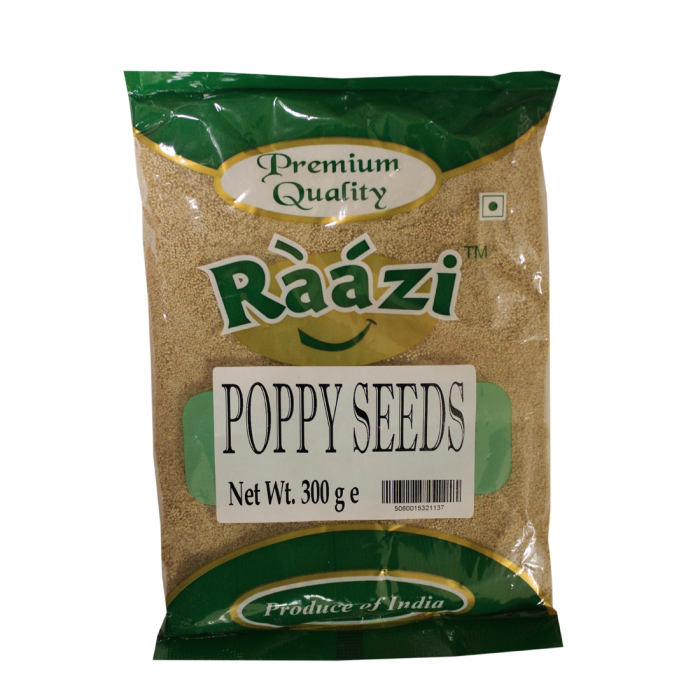
khus khus
We don't have a description for this ingredient yet.
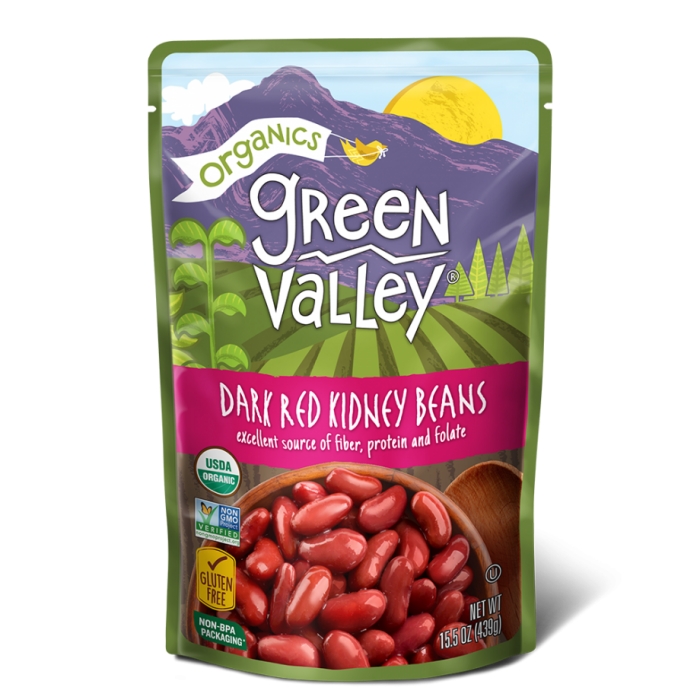
kidney beans
We don't have a description for this ingredient yet.

kielbasa
Meat
Kielbasa is any type of meat sausage from Poland, and a staple of Polish cuisine. In American English the word typically refers to a coarse, U-shaped smoked sausage of any kind of meat, which closely resembles the Wiejska sausage in British English.
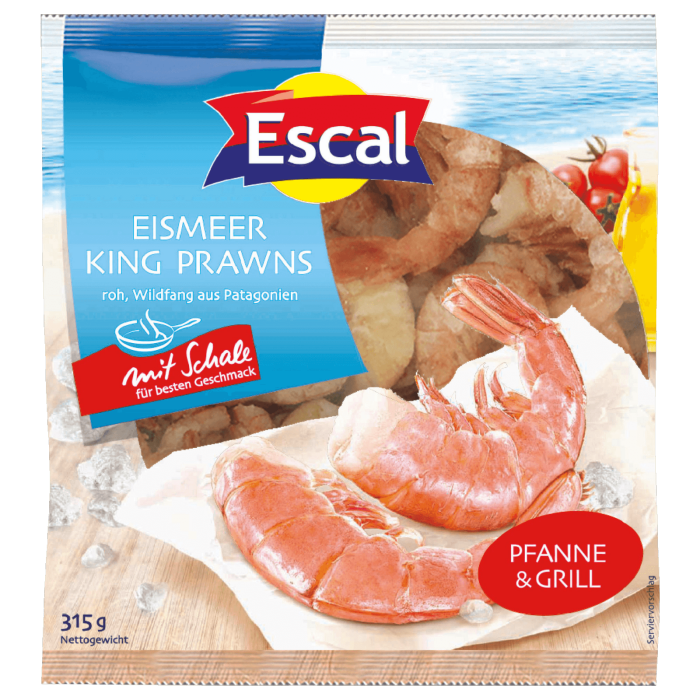
king prawns
We don't have a description for this ingredient yet.
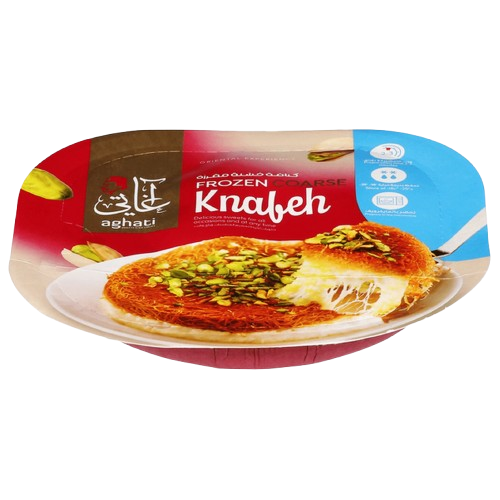
knafeh
Root Vegetable
Knafeh is a traditional Middle Eastern dessert made with layers of shredded filo dough (kataifi) filled with sweet cheese and soaked in a sugar-based syrup called attar. The dessert is popular across the Arab world, especially in the Levant, and is known for its crispy exterior and gooey, cheesy interior. It is often garnished with pistachios.
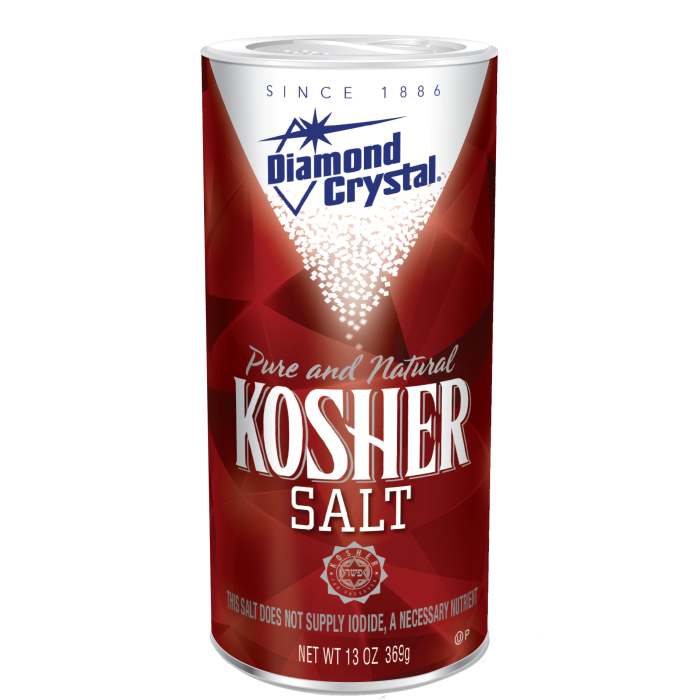
kosher salt
We don't have a description for this ingredient yet.