Ingredients
Explore all the little things that make our recipes tasty.
ground sugar
Seasoning
Ground sugar refers to sugar that has been milled into a fine powder, most commonly known as powdered sugar, icing sugar, or confectioners' sugar, used for frostings, glazes, and dusting; it's typically granulated sugar blended with a small amount of starch (like cornstarch) to prevent caking and create a smooth, clump-free texture, essential for baking and decorating. Types of Ground Sugar Powdered/Icing Sugar: Granulated sugar ground extremely fine, usually with added starch (cornstarch) for anti-caking, perfect for smooth frostings and dusting. Caster Sugar (Superfine Sugar): A finer grind than regular granulated sugar, dissolving more quickly, ideal for meringues, syrups, and delicate cakes. Free-Flowing Brown Sugar: A less moist, powdered version of brown sugar that pours easily and is great for oatmeal or cereal toppings. How It's Made & Used Homemade: You can make your own by grinding granulated or caster sugar in a blender or coffee grinder until powdery, then sifting it. Uses: Creates smooth icings, glazes, fillings for pastries, and adds a delicate finish to desserts. Key Ingredient: The anti-caking agent (starch) is crucial for its texture and workability in recipes, preventing it from hardening or clumping.
gruyere
We don't have a description for this ingredient yet.
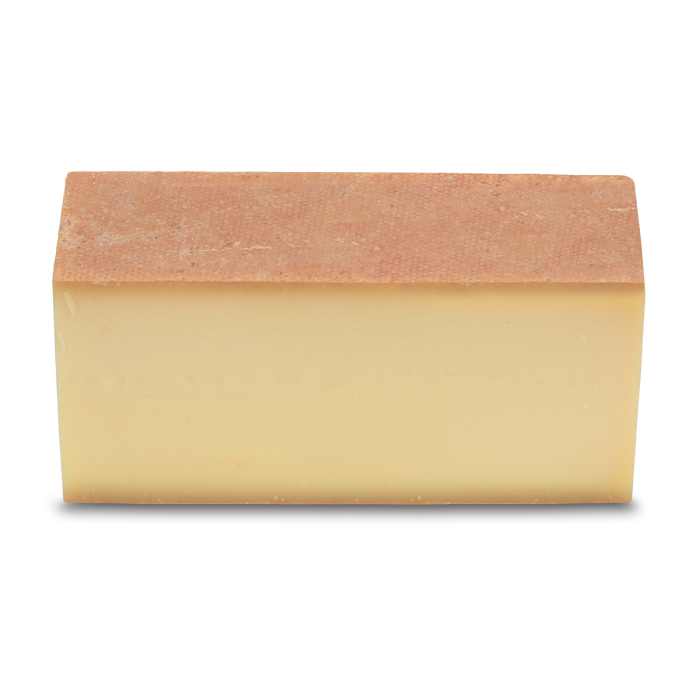
gruyère
We don't have a description for this ingredient yet.
gruyere cheese
We don't have a description for this ingredient yet.
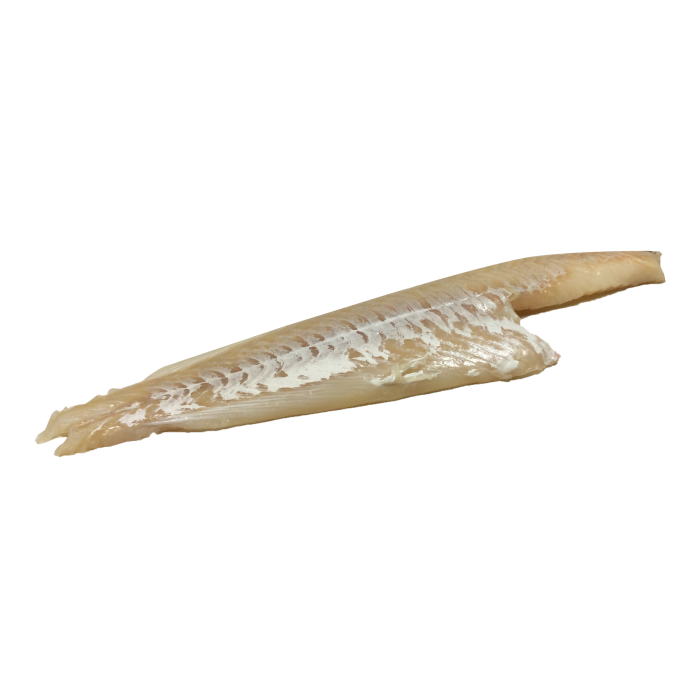
haddock
We don't have a description for this ingredient yet.
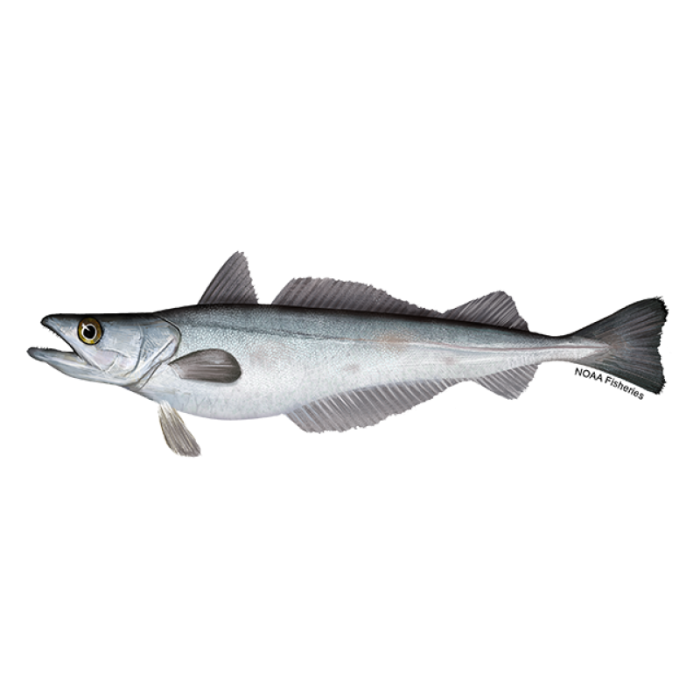
hake
Fish
Hake is a white fish belonging to the cod family, known for its mild, slightly sweet flavor and firm, flaky texture when cooked. It is a deep-sea fish that can be found in the Atlantic and Pacific Oceans and is a good source of protein, selenium, and vitamin B12. It is popular in European and American cuisines and is versatile, making it suitable for methods like pan-frying, roasting, or baking. Characteristics Taste and texture: Hake has a mild and delicate flavor, often described as slightly sweet or with hints of cream. While the raw flesh is soft, it becomes firm and flaky when cooked. Appearance: It is a long, slender fish with a pointed snout, a large mouth with teeth, and a silver-gray body. Nutrition: It is a lean source of protein and a good source of selenium and vitamin B12. Culinary uses Versatility: Hake is very versatile and can be prepared in many ways, including pan-frying, baking, roasting, or breading. Flavor profile: Its mild taste allows it to be seasoned with various ingredients, making it a good substitute for cod or haddock in many recipes. Habitat and other facts Location: Hake are deep-sea fish that live in waters around the world, including the Atlantic and Pacific Oceans. Species: There are approximately 12 species of hake. European hake is often caught in the North Sea, Irish Sea, and English Channel.
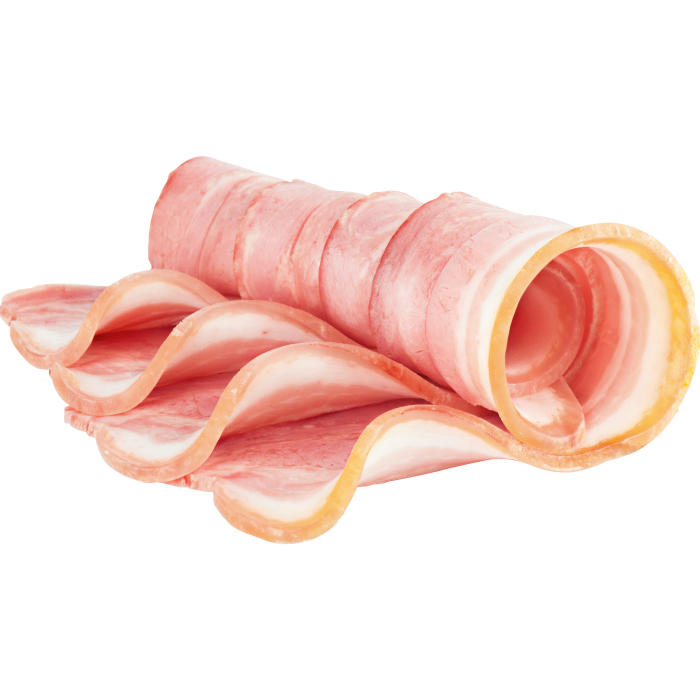
ham
We don't have a description for this ingredient yet.
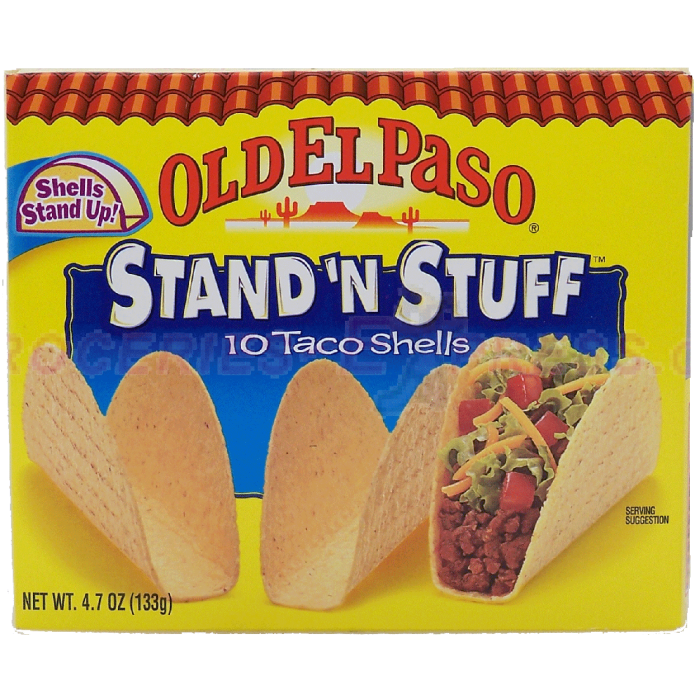
hard taco shells
We don't have a description for this ingredient yet.
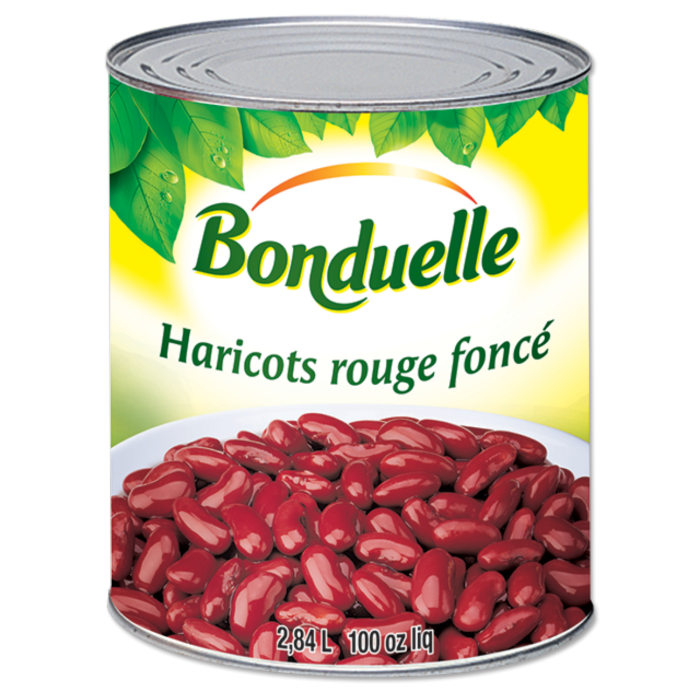
haricot beans
We don't have a description for this ingredient yet.
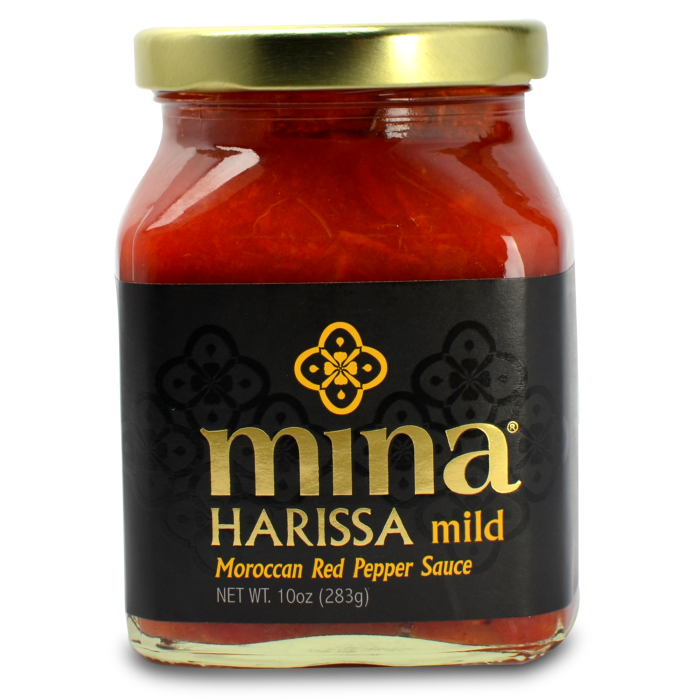
harissa spice
We don't have a description for this ingredient yet.
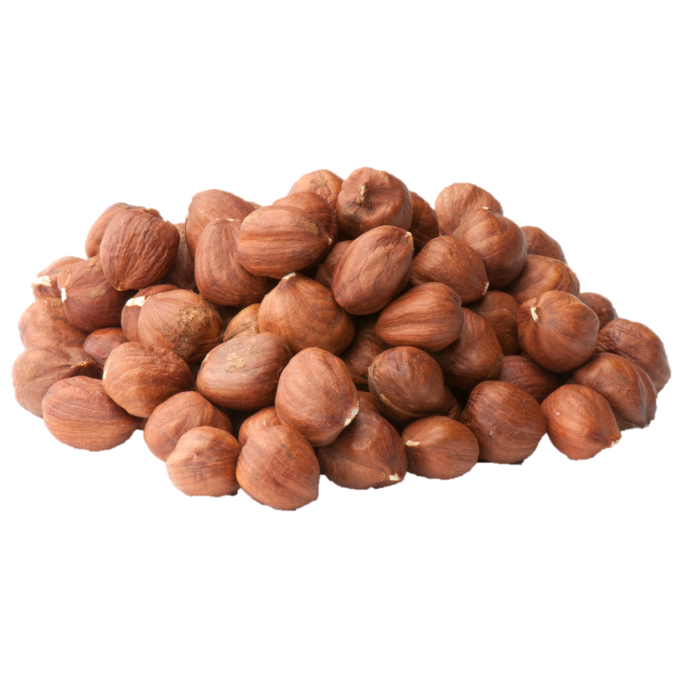
hazlenuts
We don't have a description for this ingredient yet.

heavy cream
We don't have a description for this ingredient yet.
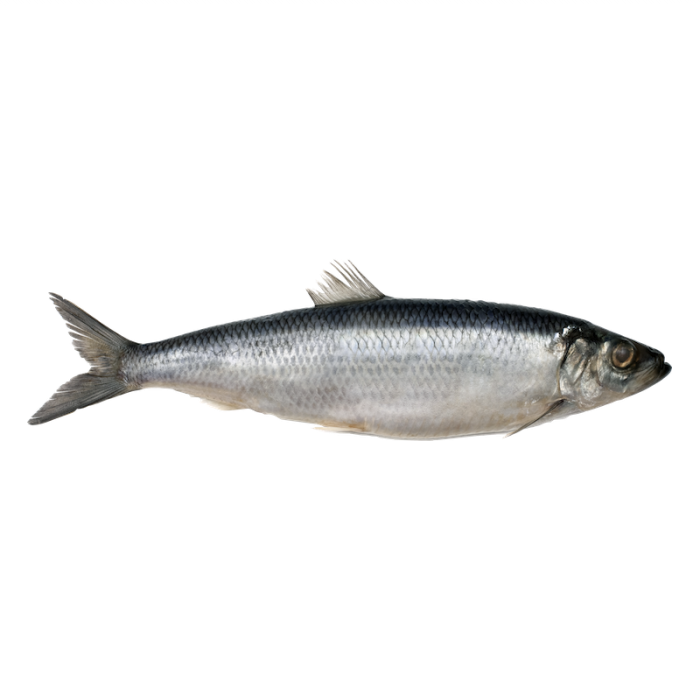
herring
Fish
Herring are forage fish, mostly belonging to the family Clupeidae. Herring often move in large schools around fishing banks and near the coast, found particularly in shallow, temperate waters of the North Pacific and North Atlantic Oceans, including the Baltic Sea, as well as off the west coast of South America.
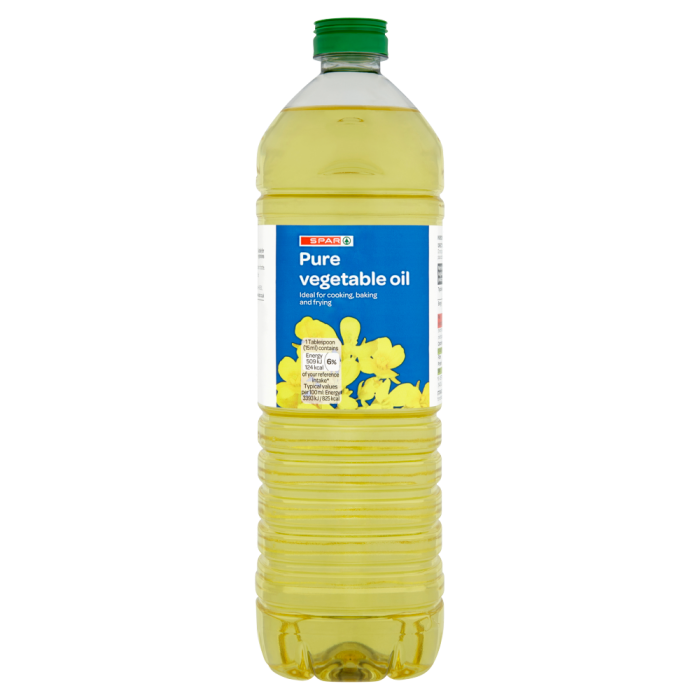
high heat cooking oil
Sauce
For high-heat cooking like searing, roasting, and deep-frying, use oils with a smoke point above 400°F (204°C), with top choices being Avocado oil, Peanut oil, Canola oil, Sunflower oil, and refined oils like safflower or rice bran, as they resist breaking down and smoking, ensuring better flavor and safety. Refined versions of oils like avocado and sunflower typically offer higher heat stability than their unrefined counterparts, though extra virgin olive oil can work for medium-high heat.

hind shank
Meat
A hind shank is a cut of meat from the lower hind leg of an animal, such as a cow or lamb. It is a tough, muscular cut rich in connective tissue and bone marrow, making it ideal for slow cooking methods like braising, stewing, or roasting. When cooked low and slow, it becomes very tender and the gelatin from the connective tissues creates a rich, flavorful dish. Characteristics Cut location: From the lower hind leg of the animal. Texture: Naturally tough due to being a hardworking muscle, but becomes exceptionally tender when slow-cooked. Flavor: Deep, rich, and beefy flavor comes from the meat and marrow-rich bone. Composition: High in connective tissue and bone marrow. Cooking Best methods: Slow cooking, braising, or slow roasting. Why it works: Long, slow cooking breaks down the connective tissue into gelatin, which tenderizes the meat and enriches the cooking liquid. Serving: Can be served whole as a main dish, shredded, or used in soups and stews. Bonus: The bones can be used to make a flavorful bone broth after the meat is cooked.
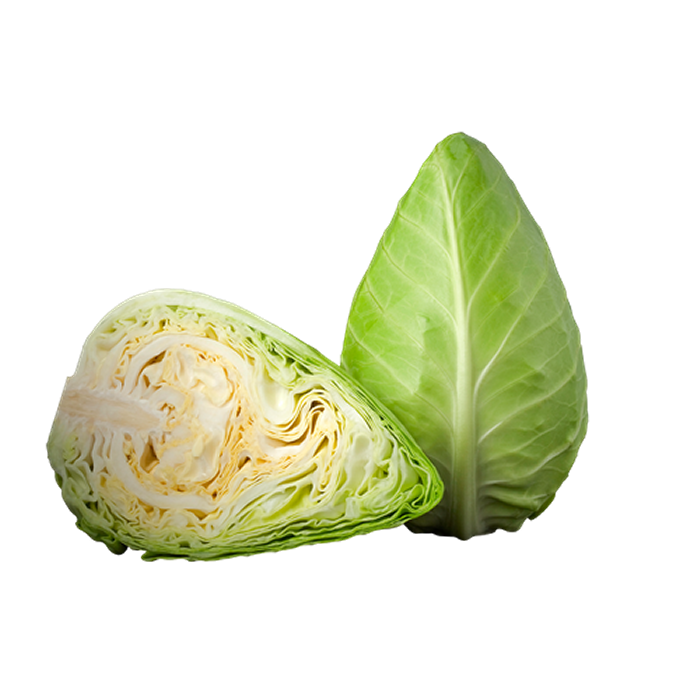
hispi (sweetheart) cabbage
Root Vegetable
Hispi, or sweetheart, cabbage is a type of green cabbage known for its pointed shape, tender texture, and sweeter, milder flavor compared to traditional round cabbages. It is versatile and can be eaten raw in salads or cooked using methods like steaming, stir-frying, grilling, or roasting. Hispi cabbage is also a good source of vitamins C and K and dietary fiber. Characteristics Appearance: Pointed, cone-like shape with tightly packed, pale green leaves. Flavor: Sweeter and more delicate than standard green or white cabbage. Texture: Tender and less dense, making it suitable for both raw and cooked applications. Culinary uses Raw: Shredded for salads or slaws. Cooked: Steamed, stir-fried, or grilled. Quartered and roasted with olive oil or butter. Added to soups and stews. Preparation and storage Preparation: Remove outer leaves, wash, and then cut or shred as needed. Storage: Store whole in the refrigerator's vegetable drawer for up to a week. Leftovers: Wrap cut pieces tightly in plastic wrap and store for up to 3 days. Freezing: Chop, blanch for 2-3 minutes, cool, and freeze for up to 6 months.
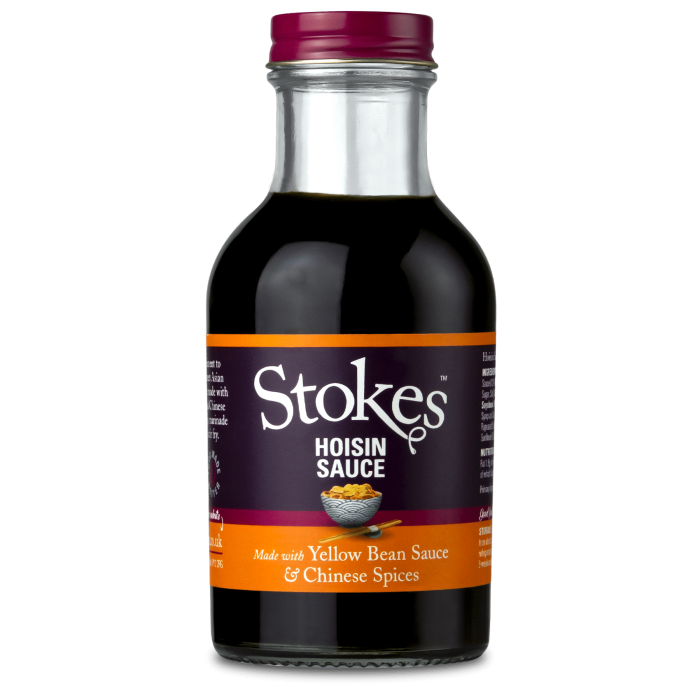
hoisin sauce
Sauce
Hoisin sauce is a thick, dark, sweet, and salty Chinese condiment with a complex, savory flavor profile. It is made from fermented soybeans, garlic, vinegar, sugar, and various spices, and is used as a glaze, marinade, stir-fry ingredient, or dipping sauce. Though its name means "seafood" in Cantonese, it typically does not contain any seafood products and is a versatile sauce often compared to Chinese barbecue sauce.
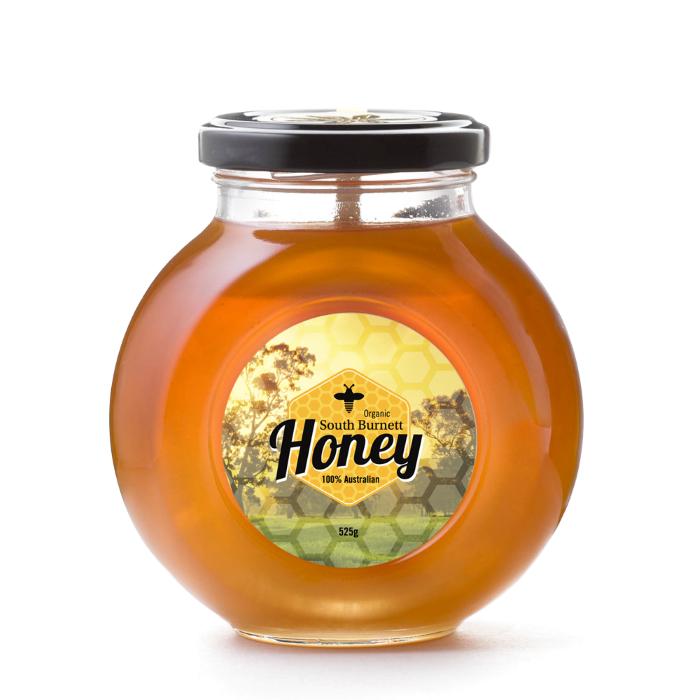
honey
We don't have a description for this ingredient yet.
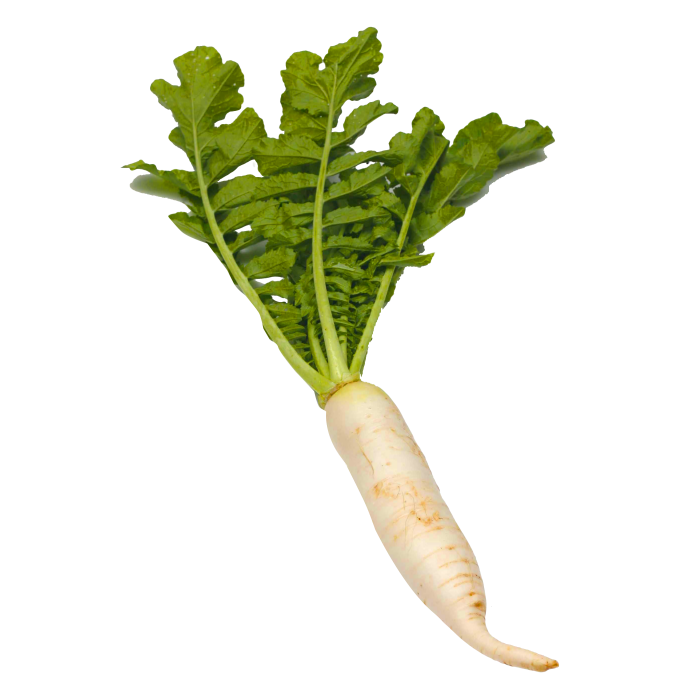
horseradish
We don't have a description for this ingredient yet.
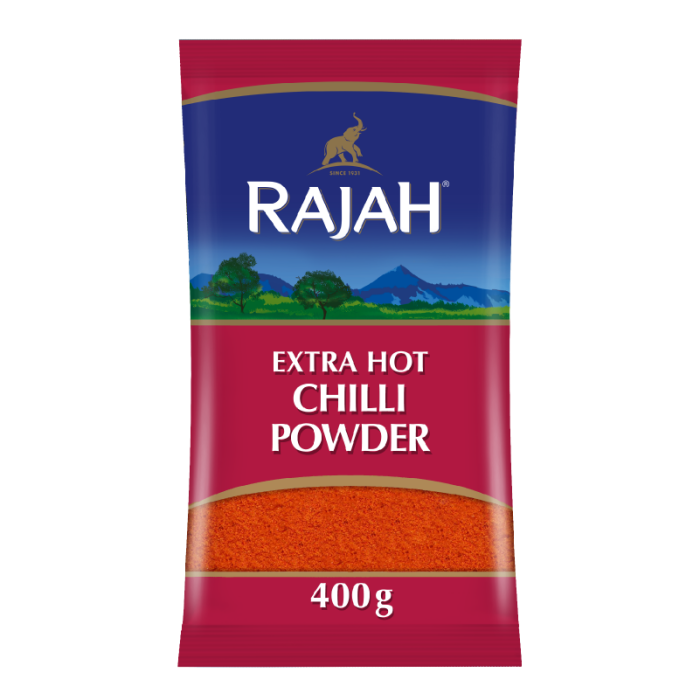
hot chilli powder
Seasoning
Red chilli powder is made from dried and ground red chili peppers, and it can refer to either a pure ground pepper or a spice blend with other ingredients like cumin, garlic, and oregano. While the spiciness varies based on the pepper type and blend, it is a staple in many cuisines, including Mexican, Indian, and Chinese, with notable varieties such as the commercially produced "chili powder" in the US, gochugaru from Korea, and paprika from Spain and Hungary. What it is Pure ground pepper: This is simply the powder from ground, dried red chili peppers, with heat levels depending on the pepper used (e.g., cayenne pepper). Spice blend: This is a mix of ground chili peppers and other spices. In the United States, "chili powder" is a blend that often includes ground chili peppers, cumin, garlic powder, onion powder, and oregano. Key varieties Chili Powder (US blend): A commercial blend that became popular for seasoning chili con carne. It often includes ground chili peppers, cumin, garlic, and oregano. Gochugaru: Korean chili powder made from sun-dried red chili peppers, which has a vibrant red color and a flavor that can be spicy, sweet, and smoky. Paprika: Made from ground peppers, it is famously produced in Hungary and Spain and can range from mild to hot. Cayenne Pepper: A type of Capsicum annuum pepper that is dried and ground to make a powder, known for its significant heat level. Uses Used to add heat and flavor to a wide range of dishes, from stews and soups to meat and vegetable dishes. Can be used as a dry rub, added to marinades, or sprinkled on top of finished meals. In some cuisines, it is a key ingredient for sauces and pastes like the Mexican harissa.
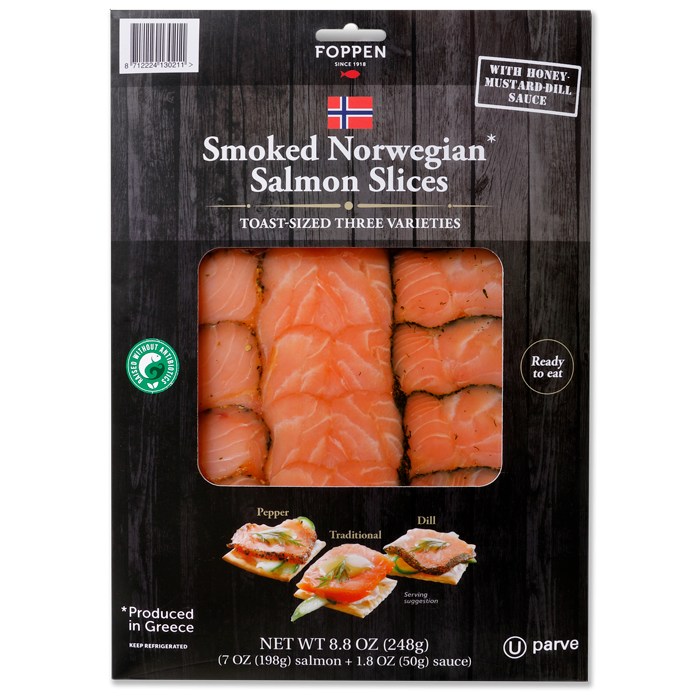
hot smoked flaked salmon
Fish
Hot-smoked flaked salmon is salmon that has been cured and then cooked through at a high temperature ((>80^{circ }C) or (176^{circ }F)) during the smoking process. This results in a fully cooked, moist, firm, and flaky texture that is ready to eat, with a deeper, more pronounced smoky flavor compared to cold-smoked salmon. The salmon can be enjoyed flaked on its own, or mixed into dishes like pasta, salads, or eggs.

hot smoked paprika
Seasoning
Hot smoked paprika is a spice made from dried, ground red peppers that are smoked over an oak fire to give them a deep, smoky flavor and then blended with hotter peppers or cayenne for a spicy kick. It's a staple in Spanish and Hungarian cooking, used to add a fiery, smoky, and rich red color to dishes like paellas, stews, and rubs for meats. The level of heat can vary, so a little goes a long way, and you can find it labelled as pimentón picante or pimentón de la Vera. What it is Smoked peppers: The spice starts with red peppers (such as Jaranda peppers) that are dried and smoked over oak wood fires, which infuses them with a unique smoky flavor. Spicy kick: To make it "hot," the smoked peppers are ground with hotter chiles, or the hot ribs and seeds of the peppers may be included during grinding. Unique flavor profile: It has a bold, fiery, and deeply aromatic flavor with a characteristic smoky edge that is different from sweet or regular hot paprika. How to use it Spanish and Hungarian dishes: It's a key ingredient in Spanish dishes like paella and romesco sauce, and is also used in Hungarian cuisine. Marinades and rubs: Use it as a rub for meats like pork, chicken, and ribs, or add it to marinades for a smoky flavor before grilling or roasting. Soups and stews: Stir it into soups, stews, and sauces to add depth, warmth, and a touch of heat. Dips and toppings: Add it to hummus for a smoky twist, sprinkle it on roasted potatoes, or dust it over avocado toast. Go easy: Because it can be potent, it is often recommended to start with a small amount and add more as needed to achieve the desired heat level.
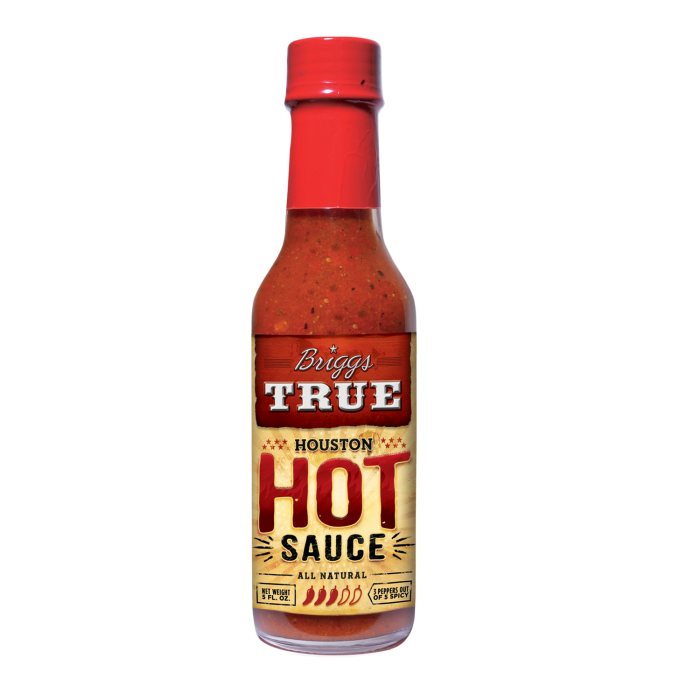
hotsauce
We don't have a description for this ingredient yet.
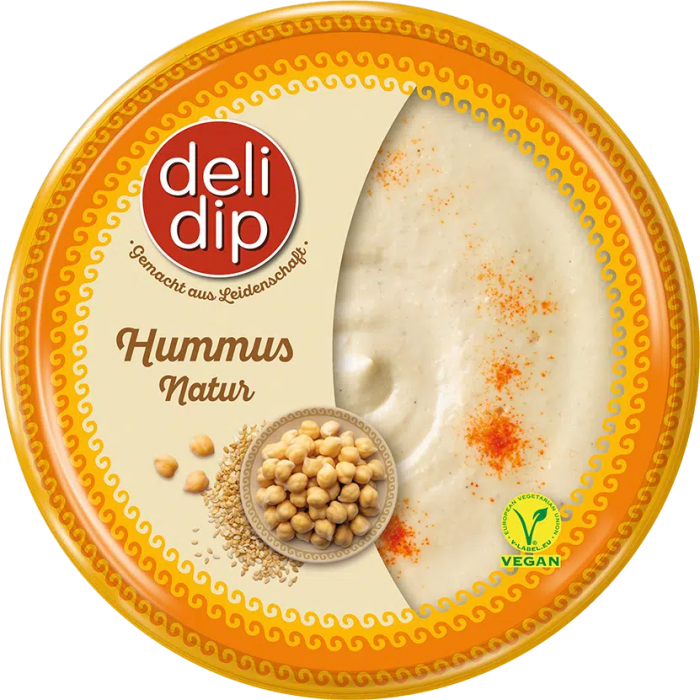
hummus
Legume
Hummus is a Levantine dip, spread, or savory dish made from cooked, mashed chickpeas blended with tahini (sesame seed paste), lemon juice, and garlic. It is typically finished with a drizzle of olive oil and can be garnished with whole chickpeas, parsley, or paprika, and served with pita bread, vegetables, or as a sauce for other dishes. Key ingredients: The main components are mashed chickpeas, tahini, lemon juice, and garlic. Other common additions include salt and sometimes cumin or chili. Texture: It can range from a very smooth, creamy dip to a looser, more sauce-like consistency, similar to a thick ketchup, depending on regional preparation and personal preference. Garnish and serving: Hummus is commonly garnished with olive oil, whole chickpeas, and paprika. It is served with pita bread, falafel, or fresh vegetables, and can also be used as a spread for wraps like shawarma. Nutritional benefits: Hummus is a good source of plant-based protein, fiber, and healthy fats from the olive oil and tahini. It also contains various vitamins and minerals, and its ingredients may support heart health and digestion. Origin: Hummus originated in the Middle East and has been a staple in many cultures for centuries.