Ingredients
Explore all the little things that make our recipes tasty.
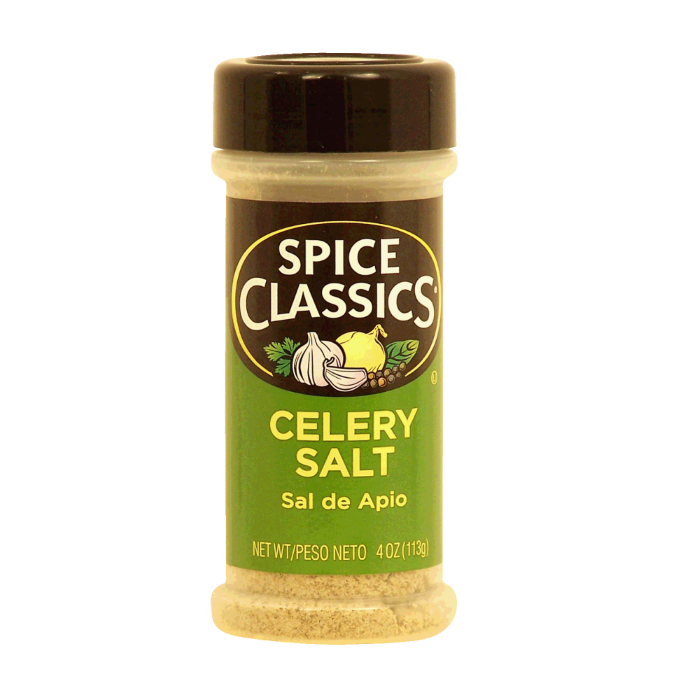
celery salt
We don't have a description for this ingredient yet.
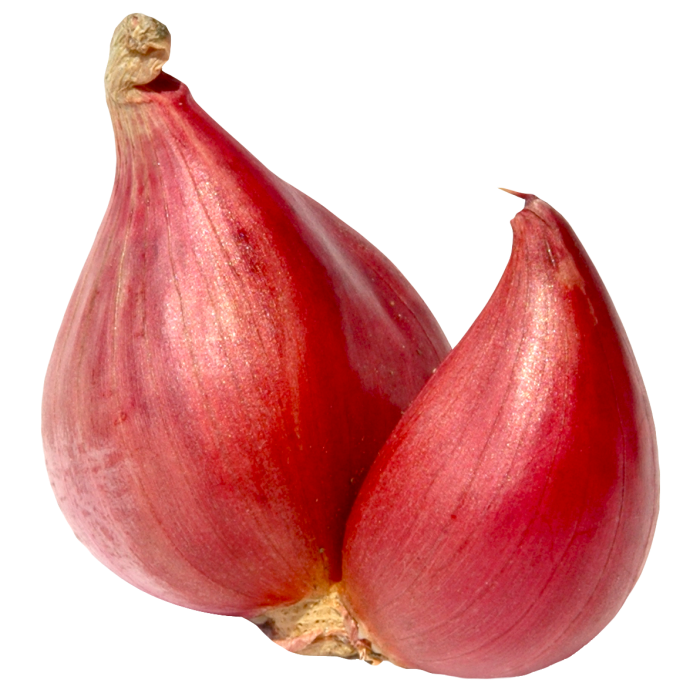
challots
We don't have a description for this ingredient yet.
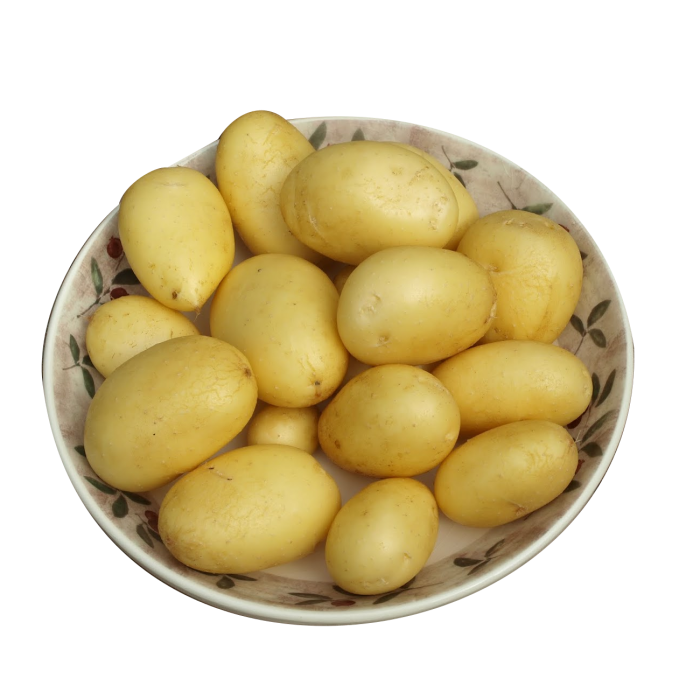
charlotte potatoes
We don't have a description for this ingredient yet.
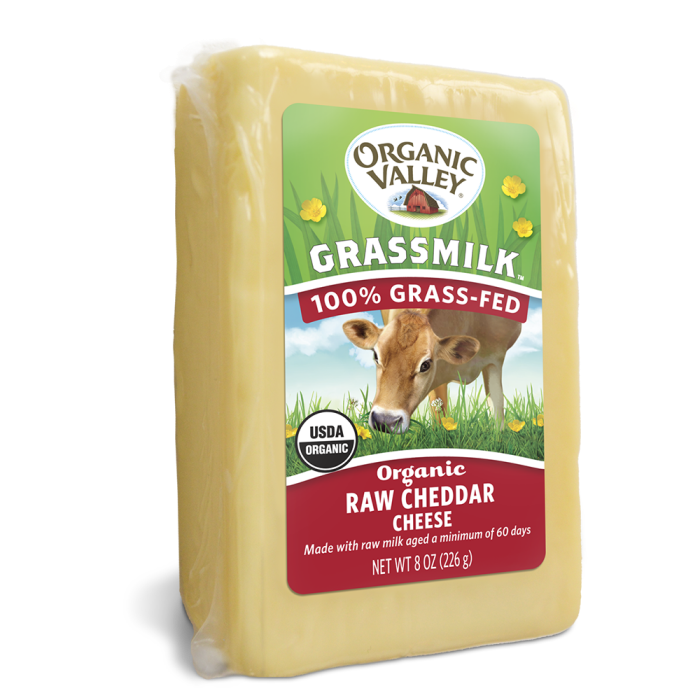
cheddar cheese
We don't have a description for this ingredient yet.
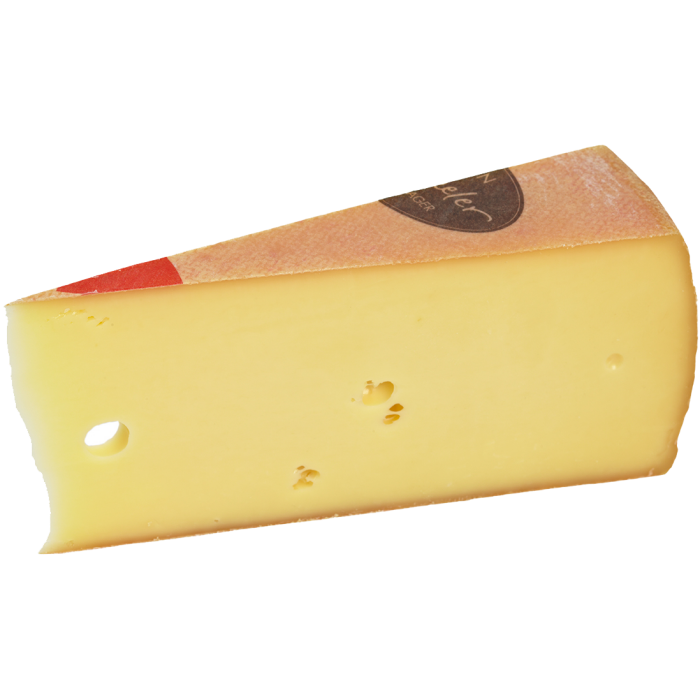
cheese
We don't have a description for this ingredient yet.
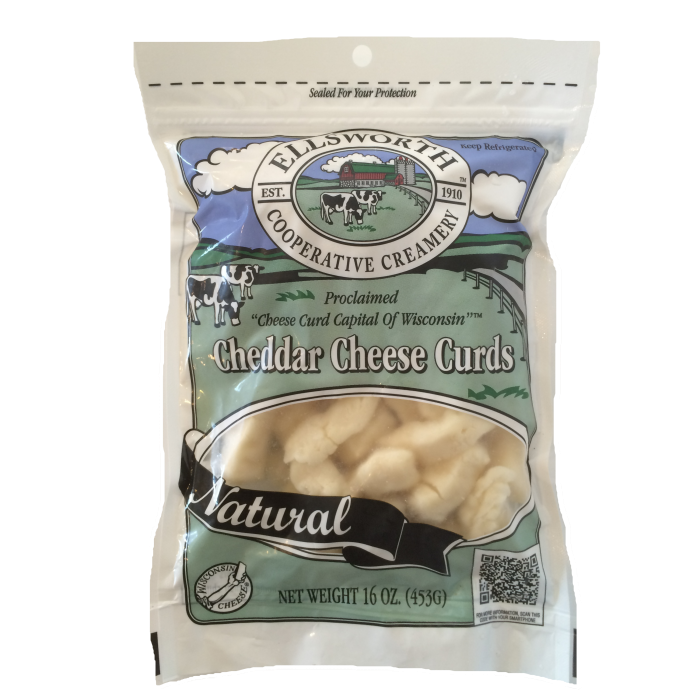
cheese curds
We don't have a description for this ingredient yet.
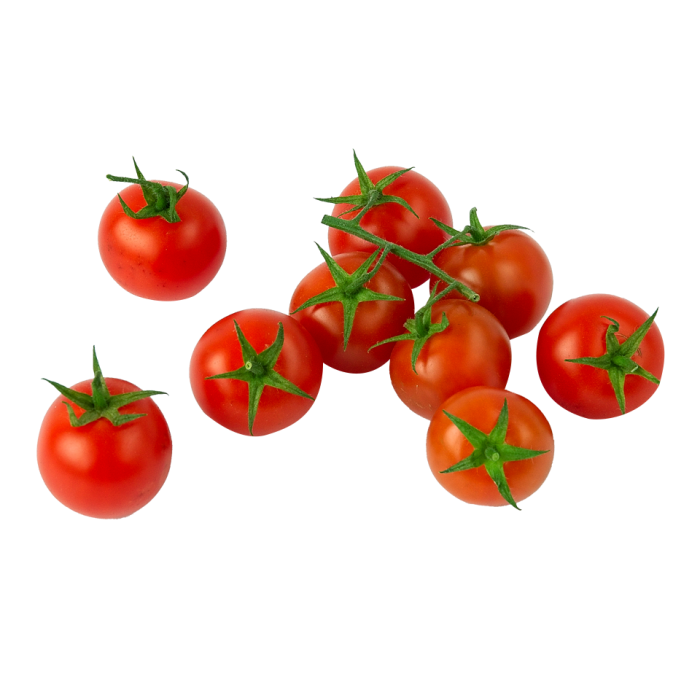
cherry tomatoes
We don't have a description for this ingredient yet.
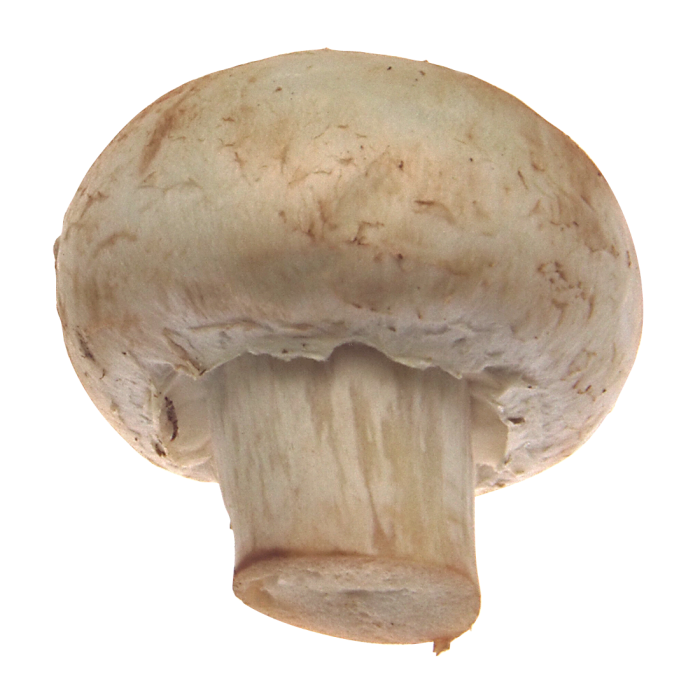
chestnut mushroom
We don't have a description for this ingredient yet.
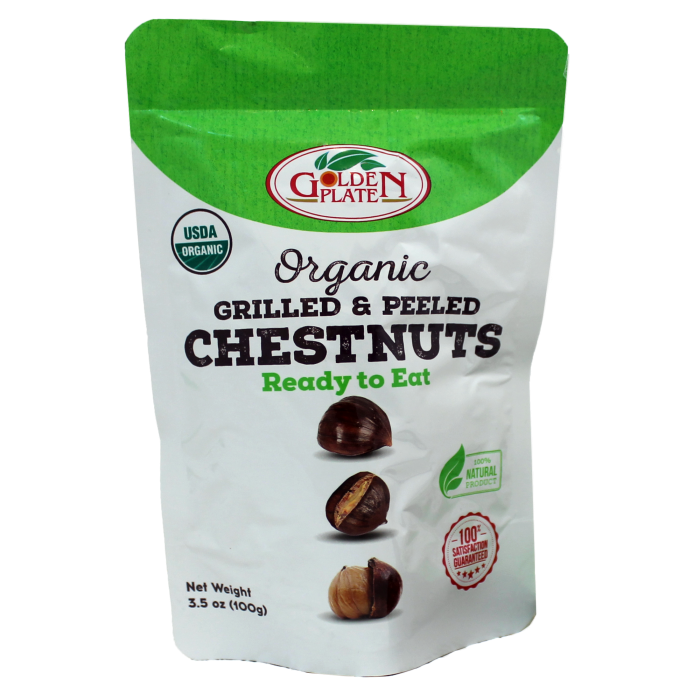
chestnuts
We don't have a description for this ingredient yet.
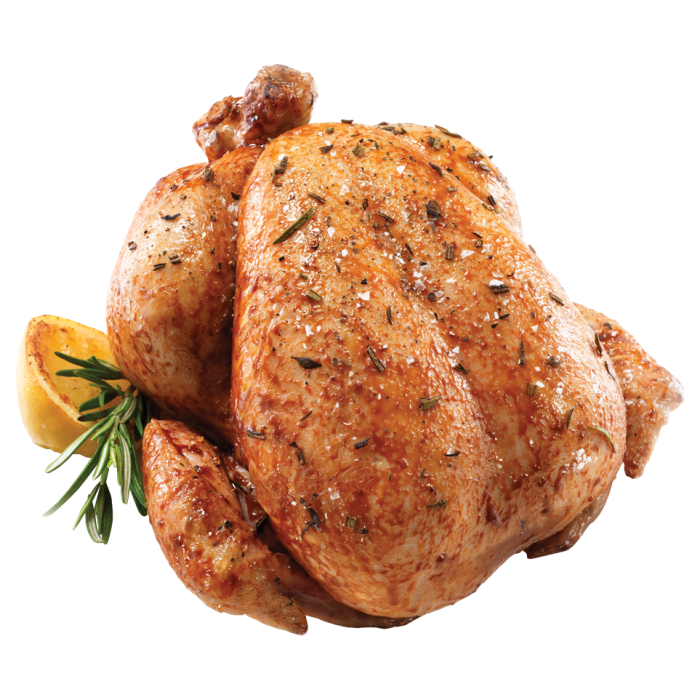
chicken
The chicken is a type of domesticated fowl, a subspecies of the red junglefowl (Gallus gallus). It is one of the most common and widespread domestic animals, with a total population of more than 19 billion as of 2011. There are more chickens in the world than any other bird or domesticated fowl. Humans keep chickens primarily as a source of food (consuming both their meat and eggs) and, less commonly, as pets. Originally raised for cockfighting or for special ceremonies, chickens were not kept for food until the Hellenistic period (4th–2nd centuries BC). Genetic studies have pointed to multiple maternal origins in South Asia, Southeast Asia, and East Asia, but with the clade found in the Americas, Europe, the Middle East and Africa originating in the Indian subcontinent. From ancient India, the domesticated chicken spread to Lydia in western Asia Minor, and to Greece by the 5th century BC. Fowl had been known in Egypt since the mid-15th century BC, with the "bird that gives birth every day" having come to Egypt from the land between Syria and Shinar, Babylonia, according to the annals of Thutmose III.
chicken bouillon powder
Seasoning
Chicken bouillon powder is a concentrated seasoning made from dehydrated chicken stock, fat, and salt, along with other flavorings. It's a convenient way to add a rich, savory chicken flavor to dishes like soups, stews, sauces, and marinades, and can be used as a shortcut to make instant chicken broth by dissolving it in hot water. What it is A dry powder made from concentrated chicken stock. Often contains salt, chicken fat, and various seasonings and flavor enhancers, such as MSG, onion powder, and spices. Available in powdered, granulated, or cube form. How it's used As a seasoning: Adds a savory, umami-rich flavor to a wide range of dishes, including soups, stews, sauces, marinades, and stir-fries. To make broth: Mix with hot water to quickly create an instant chicken broth. As a finishing salt: Can be used as a seasoning for fried foods or vegetables. What to consider Sodium content: Many types are high in sodium, so you may need to reduce the amount of other salt you add to a recipe. Ingredients: Some brands may contain MSG or other additives, so check the label if you have dietary concerns. You can find brands that meet certain targets for salt and avoid specific allergens.
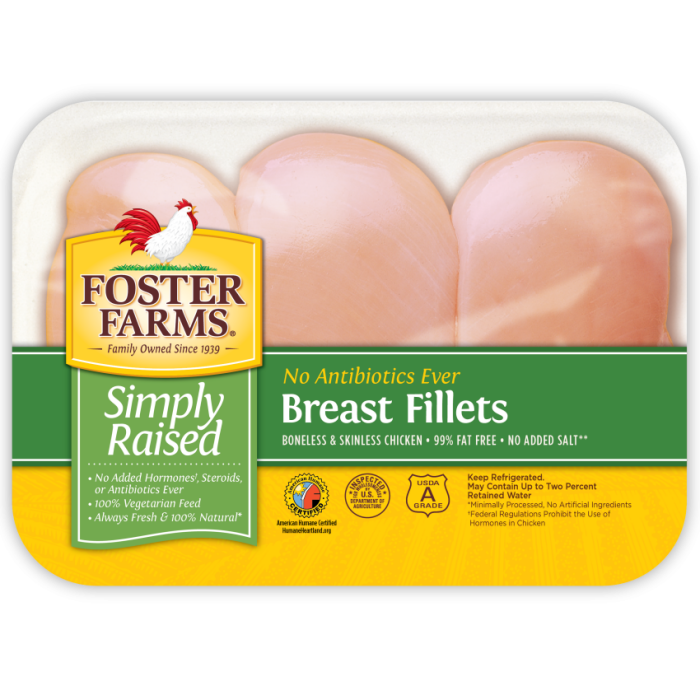
chicken breast
We don't have a description for this ingredient yet.
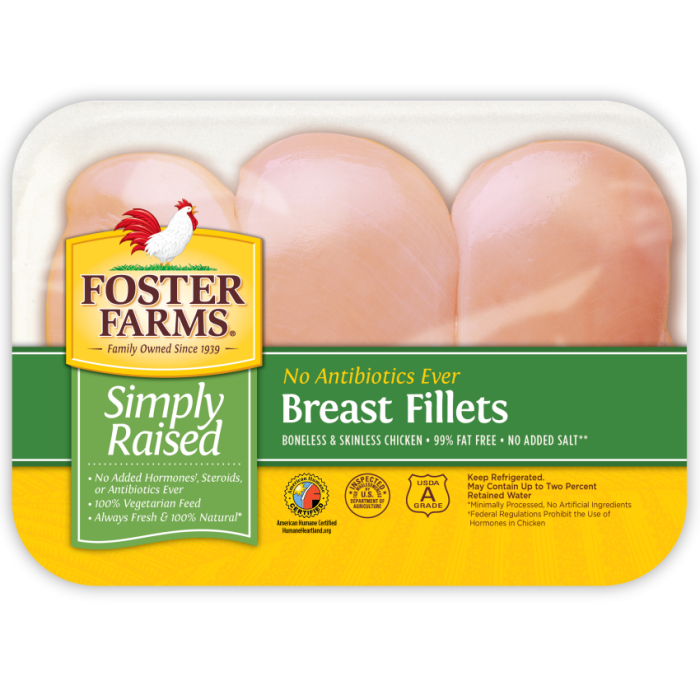
chicken breasts
We don't have a description for this ingredient yet.
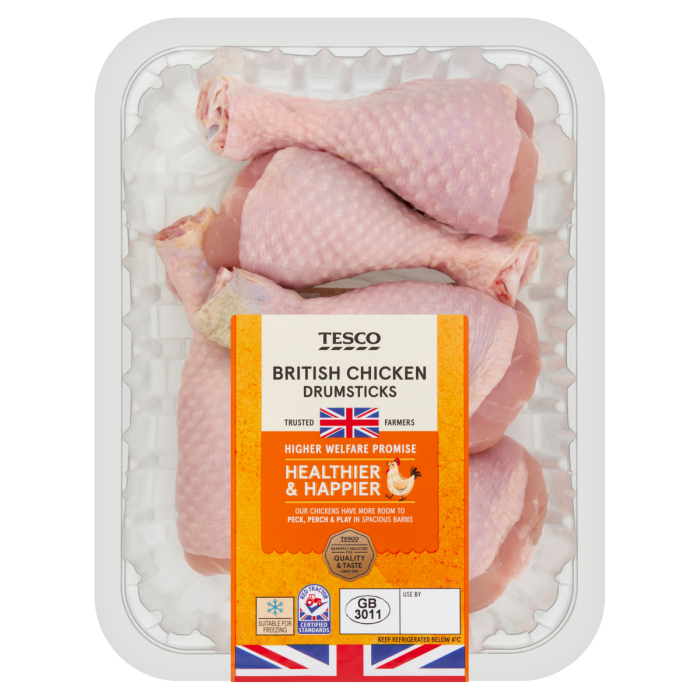
chicken drumsticks
Meat
A chicken drumstick is the lower part of a chicken's leg, from the knee joint to the "foot" (also called the calf). It is a dark meat cut, prized for its rich flavor and juiciness, and is a versatile and affordable option for various cooking methods like grilling, baking, or frying. Key characteristics Location: The drumstick is the lower leg portion of the chicken, below the knee joint.Meat type: It is a dark meat, which gives it a richer flavor and higher fat content compared to white meat like chicken breast.Bone: The drumstick contains a single, large bone running through its length.Nutritional value: Chicken drumsticks are a good source of protein, as well as vitamins and minerals like niacin, vitamin B6, phosphorus, and selenium. Culinary uses Versatility: Drumsticks can be cooked in many ways, including baking, grilling, frying, and air frying.Flavor: The dark meat and higher fat content make them a flavorful cut, especially when cooked with the skin on.Cooking tip: To ensure they are safe to eat, cook drumsticks to an internal temperature of (165^{circ }F) ((74^{circ }C)). Important distinction The term "drumstick" specifically refers to the lower leg. It should not be confused with a "drumette," which is the smaller, meatier portion of the wing.
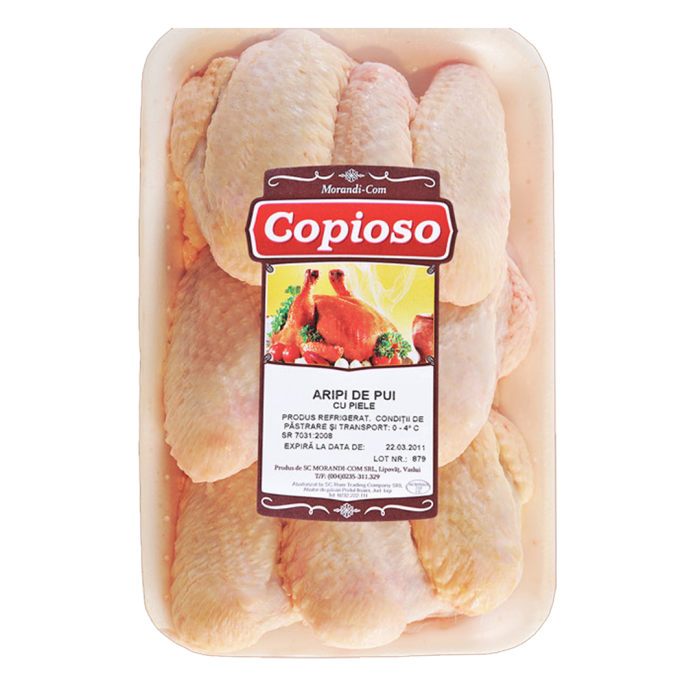
chicken legs
We don't have a description for this ingredient yet.
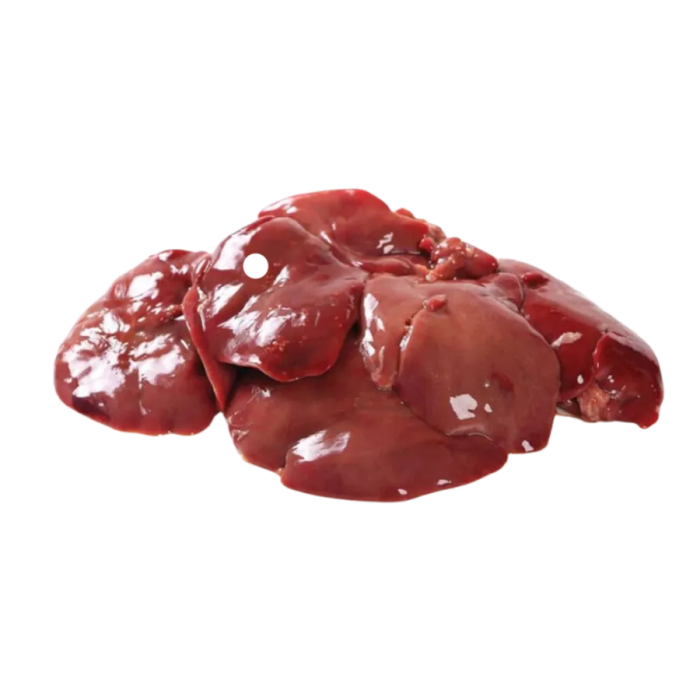
chicken liver
Meat
Chicken liver is the organ meat of a chicken, valued as a nutritious food due to its high content of iron, B vitamins (especially B12 and folate), and vitamin A. It has a rich, distinct flavor and is used in a variety of dishes, such as pâté and stews. To be safely consumed, it must be thoroughly cooked to an internal temperature of (165^{circ })F ((73.9^{circ })C). Nutritional value Iron: Helps fight fatigue and anemia. B Vitamins: Rich in Vitamin B12 (for brain and nervous system health) and folate (important for cell growth). Vitamin A: Essential for eye health. Protein: A good source of high-quality protein. Culinary uses Pâté and spreads: Its rich flavor is a key component in smooth, decadent pâtés. Stews and pasta sauces: Adds a deep, savory flavor to hearty dishes. Pan-fried: A simple preparation involves quickly searing it in a pan with seasonings. Important considerations Cooking temperature: Chicken liver must be cooked thoroughly to an internal temperature of (165^{circ })F ((73.9^{circ })C) to kill bacteria. Vitamin A intake: It is so rich in Vitamin A that it should be consumed only occasionally to prevent potential issues from overconsumption. Pregnancy: Pregnant women are advised to avoid liver due to the high levels of Vitamin A, which can be harmful to the baby, notes The Guardian.
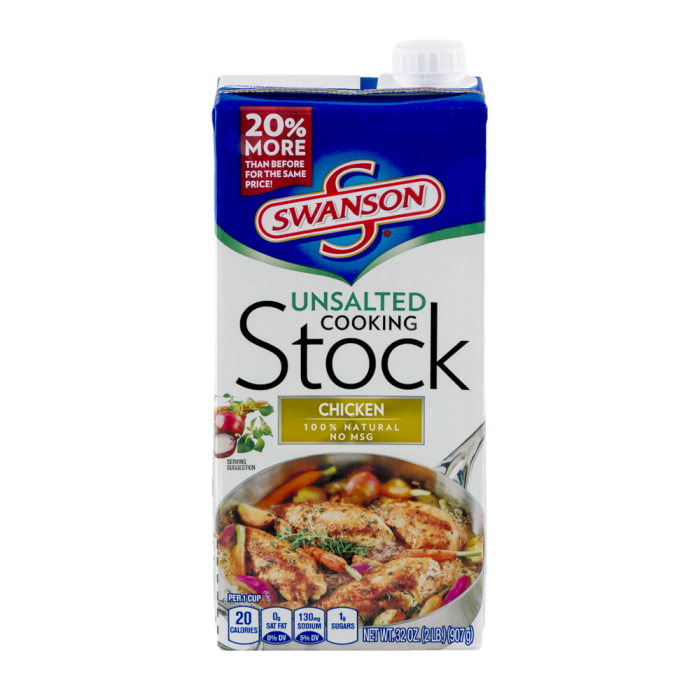
chicken stock
We don't have a description for this ingredient yet.
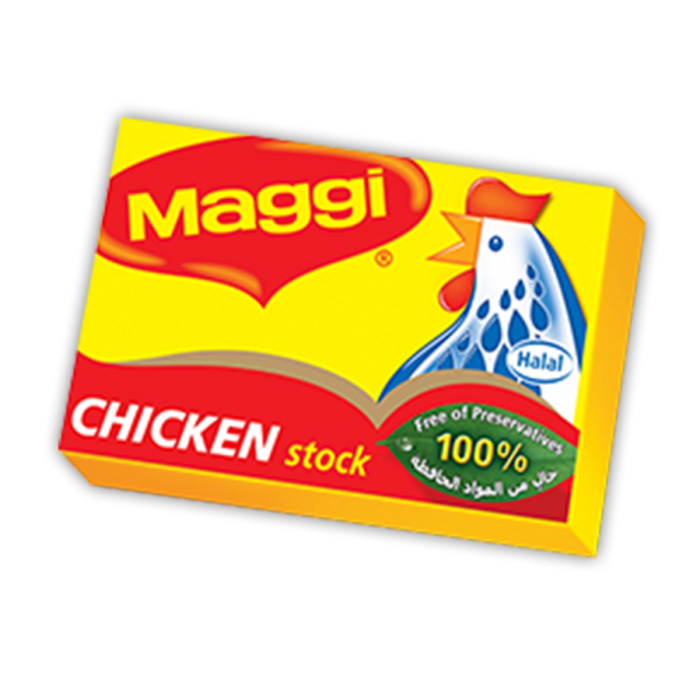
chicken stock cube
We don't have a description for this ingredient yet.
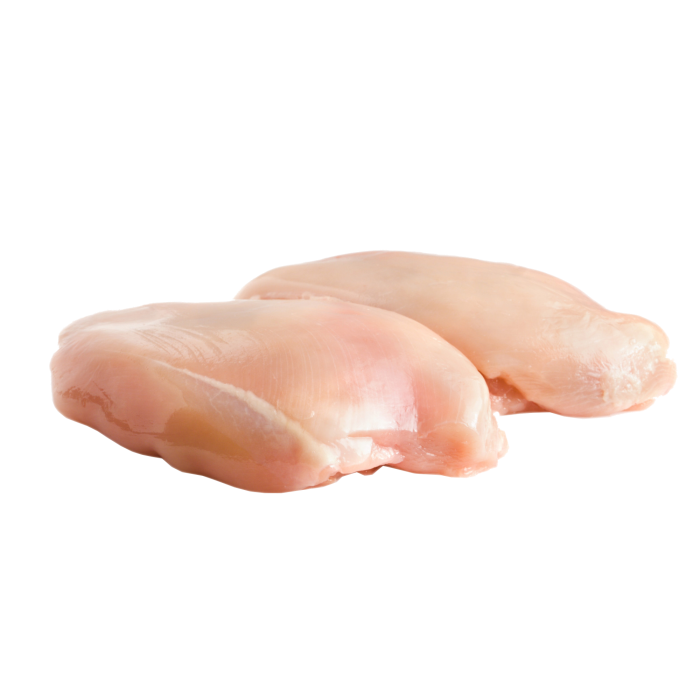
chicken thighs
We don't have a description for this ingredient yet.
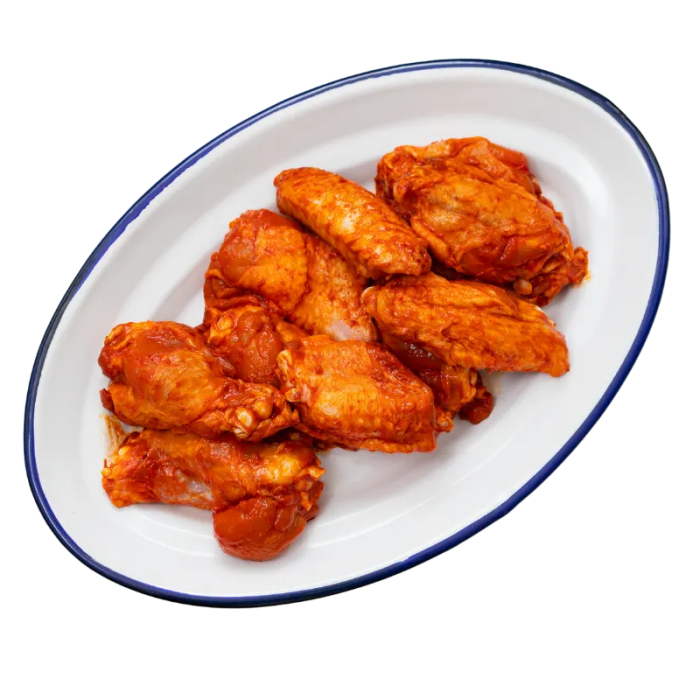
chicken wings
Meat
Chicken wings are the meat from the wing of a chicken, typically divided into three sections: the drumette, which resembles a mini drumstick; the flat, which has two parallel bones; and the tip, which is often removed before cooking. They are commonly prepared by deep-frying, baking, or grilling, and are known for being served with a wide variety of sauces and seasonings. Sections of a chicken wing Drumette: This is the part closest to the breast, shaped like a small drumstick with a single bone. It is often a preferred piece due to its ease of eating. Flat (or Wingette): Located between the drumette and the tip, this section has two parallel bones and is generally thinner and longer. Tip (or Flapper): The outermost section, which contains very little meat and is mostly skin and cartilage. It is frequently discarded or saved for making stock. Common preparations and accompaniments Cooking methods: Wings can be deep-fried, baked, grilled, or broiled. Sauces and seasonings: A huge variety of flavors are used, including buffalo sauce, barbecue, teriyaki, honey, and lemon pepper. Accompaniments: They are frequently served with celery and carrot sticks and a side of blue cheese or ranch dressing for dipping. What about "boneless" wings? "Boneless" wings are not true chicken wings. They are typically made from boneless, skinless chicken breast meat that is cut into wing-sized pieces.
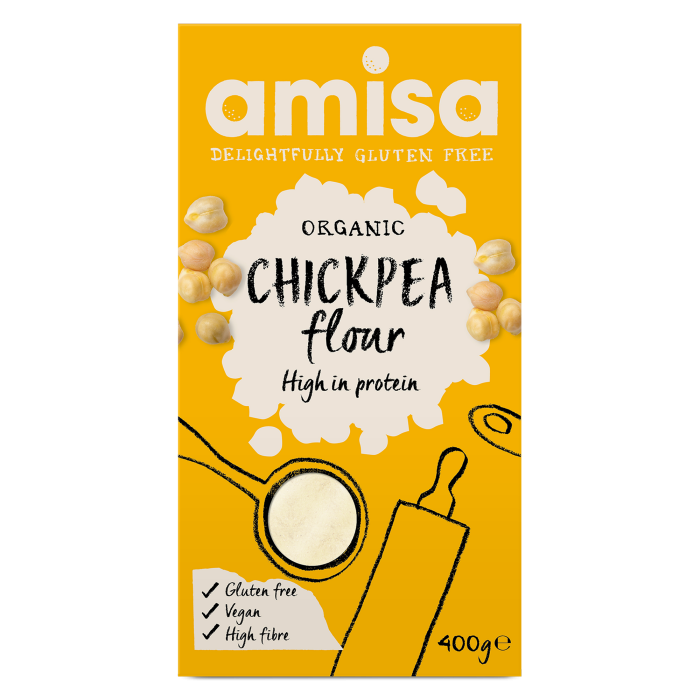
chickpea flour
Grain
Chickpea flour is a gluten-free flour made from ground chickpeas, also known as gram or garbanzo bean flour. It has an earthy, nutty flavor and is rich in protein and fiber, making it a popular ingredient in savory dishes like Indian pakoras, flatbreads, and fritters. It can also be used as a binder or thickener for sauces and as a substitute for other flours in various recipes. Characteristics and uses Flavor: Earthy, nutty, and slightly sweet. Color: Pale yellow. Texture: Finely milled powder. Gluten-free: Naturally contains no gluten. Nutrition: High in protein, fiber, and iron. Common uses: As a batter for frying vegetables (e.g., pakoras, bhajis). For making flatbreads (e.g., socca). As a thickener for soups and sauces. In baking, such as in pancakes and some breads. For making fritters like panelle and tortillitas de camarones. How to make it You can make your own chickpea flour by grinding dried chickpeas in a high-speed blender or food processor until a fine powder is formed. Sieve the powder to ensure there are no lumps. Store the flour in an airtight container. Other names Gram flour Garbanzo bean flour Besan Chana dhal flour (from split, skinned chickpeas)
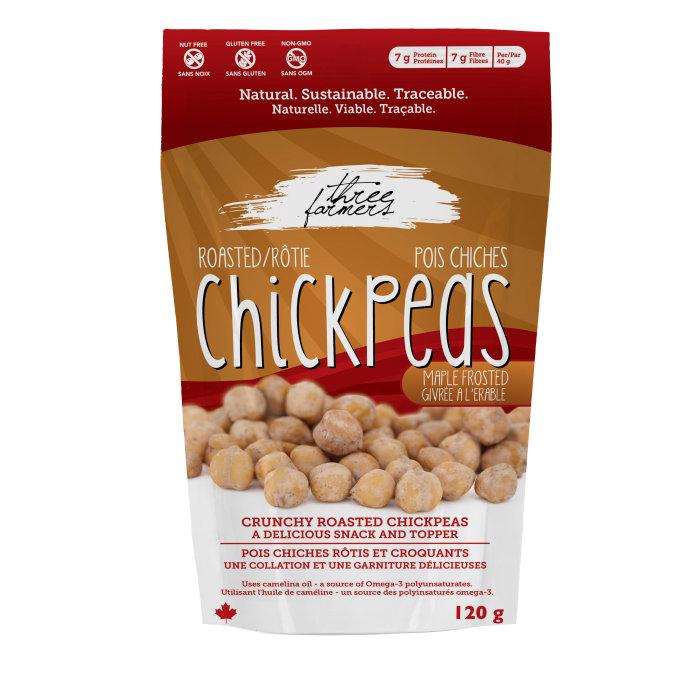
chickpeas
We don't have a description for this ingredient yet.
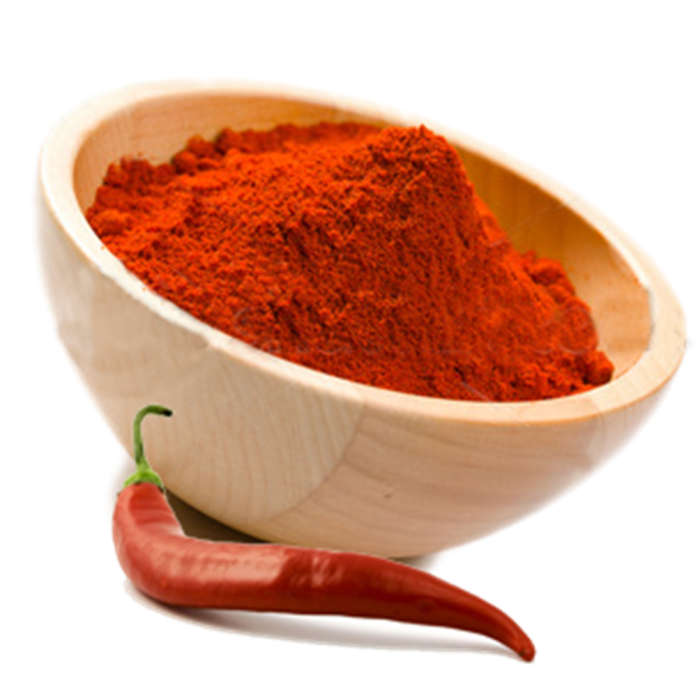
chili powder
We don't have a description for this ingredient yet.
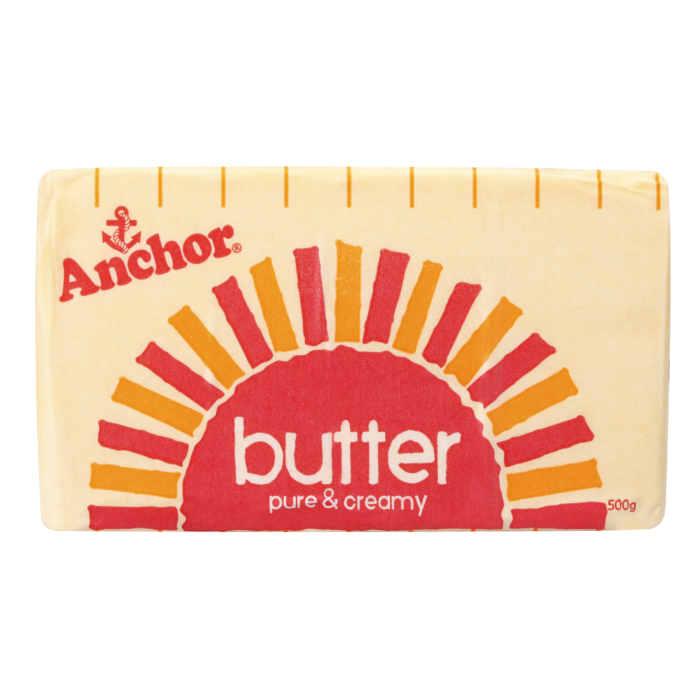
chilled butter
We don't have a description for this ingredient yet.